


American vs. EU Trucks: The Tandem Axle Advantage Explained
Parking an American truck right next to a European one makes the differences very clear at once. The different shapes of these vehicles are influenced by the long-nose design of American…

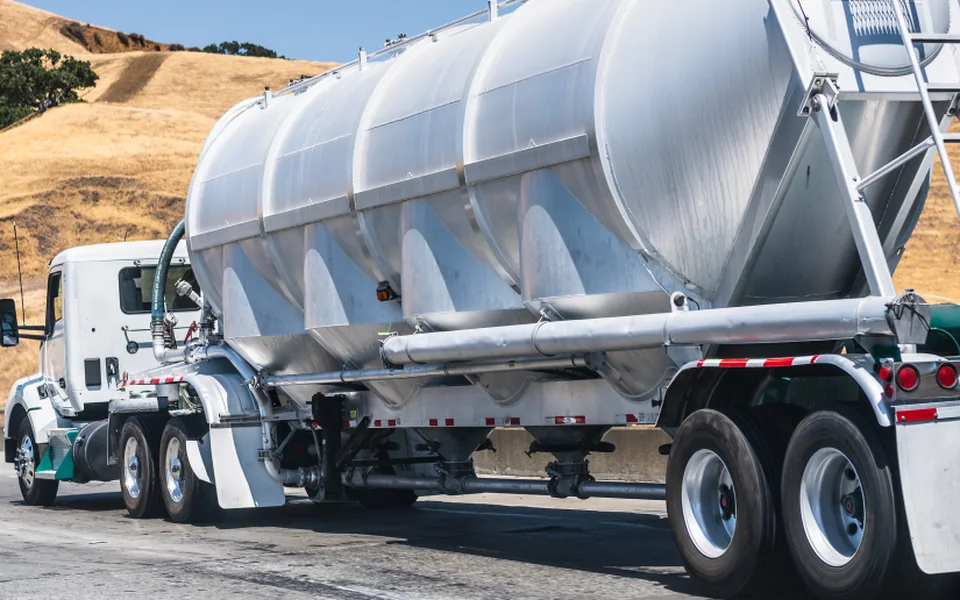
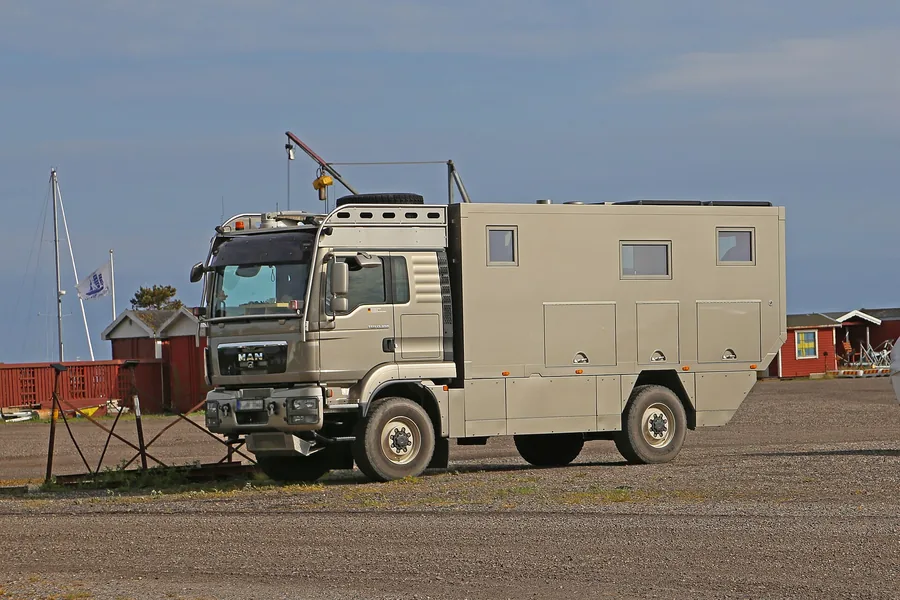
Parking an American truck right next to a European one makes the differences very clear at once. The different shapes of these vehicles are influenced by the long-nose design of American trucks and the flat-faced cab-over configurations used in the EU.
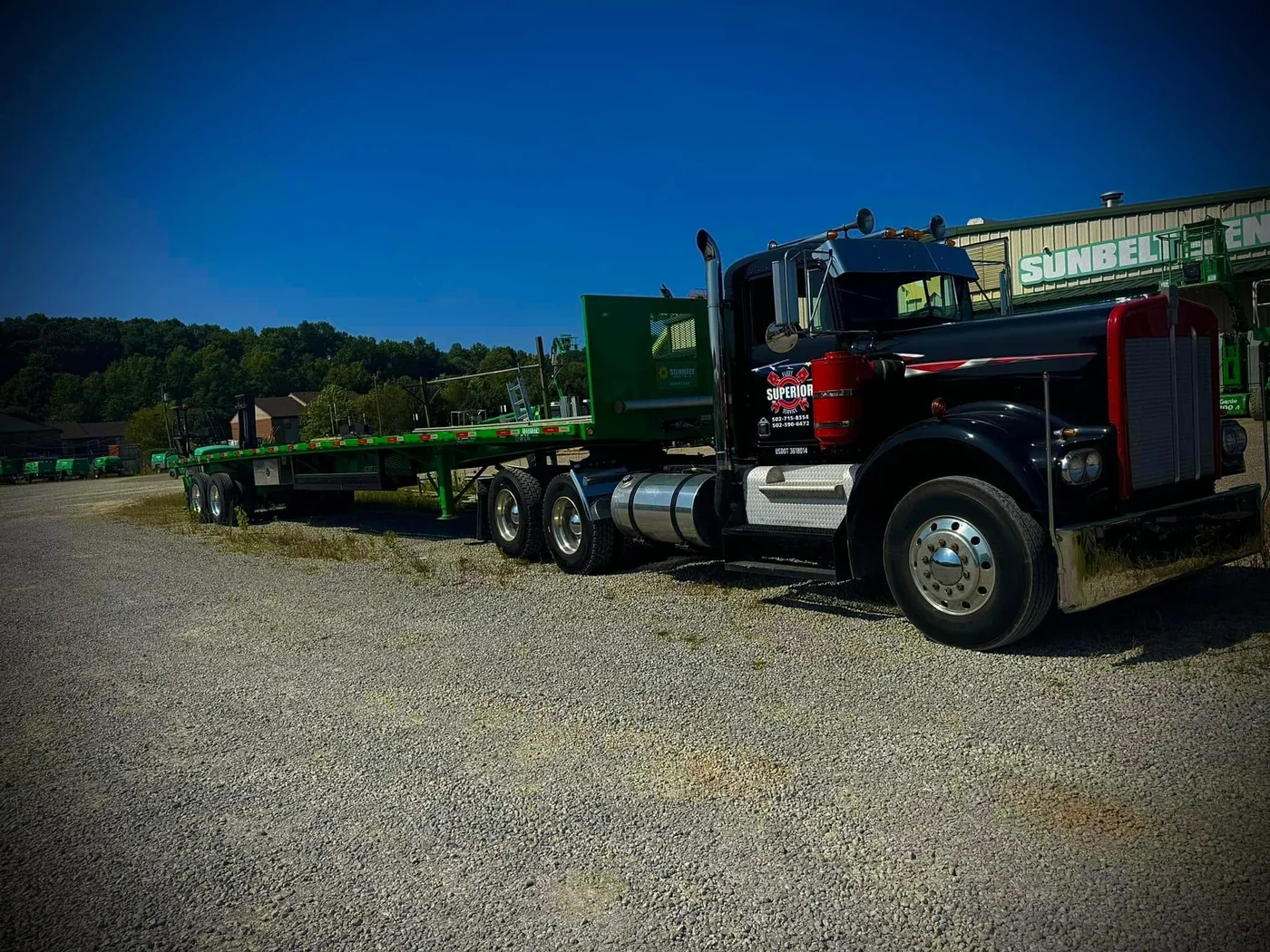
Cabin designs of the US and EU trucks are, for the most part, different. The US trucks usually come with a dual drive axle (6×4 configuration) as one of their main characteristics; in contrast, the European trucks might have, but they usually have a single drive axle (4×2 or 6×2 setups). This isn’t just a matter of aesthetics; it has a direct impact on the way the trucks are operated, performing, and maintained.
The tandem axle setup has its impacts in every aspect of the truck, from traction on tough terrains to fuel consumption on long trips. It is very important to know these distinctions when you are making a decision as to which truck will work best for your company or when you are looking for a specialized semi truck repair service. No matter if you are transporting goods through the various landscapes of America or through the small cities of Europe, the axle setup you choose will dictate the whole operational experience.
Understanding Truck Design Philosophies
When you look at American and European trucks side by side, you’re witnessing two fundamentally different approaches to solving the same transportation challenge.
American Truck Design: Built for Tough Terrain
The 6×4 configuration dominates American highways for good reason-it’s built for the continent’s diverse and often demanding terrain. With two drive axles powering the rear wheels, these trucks deliver exceptional traction whether you’re:
- Hauling through the Rocky Mountain passes
- Navigating icy Midwest winters
- Crossing muddy construction sites
This truck design philosophy prioritizes raw capability and durability, reflecting the long-haul nature of American freight operations where trucks regularly cover thousands of miles across varying conditions.
European Truck Design: Efficiency in Urban Environments
The European manufacturers went a different way with their 4×2 configuration and 6×2 setups by prioritizing fuel efficiency and light handling. One drive axle only is the reason these trucks cut off the excess weight and mechanical complexity that makes them perfect for the short routes and the narrow urban spaces that are common in Europe.
You’ll find these lighter configurations excel at:
- Navigating narrow medieval city streets
- Meeting the strict emissions standards that European regulations demand
The Impact of Road Infrastructure on Truck Design
Road infrastructure plays a starring role in these design choices.
America’s expansive highway system and variable road quality necessitate robust drivetrains that can handle anything thrown at them.
European roads, generally smoother and better maintained, allow manufacturers to optimize for efficiency without sacrificing reliability.
Weight Regulations: A Factor in Truck Configuration
Weight regulations differ dramatically, too-European laws permit higher per-axle loads but restrict overall vehicle weight, making single-axle drives more practical for maximizing payload within legal limits.
The Role of Tandem Axles in Performance and Stability
When you are dealing with the weighty items and the hard terrain, the tandem axles are what you will call your truck’s best friend. The two drive axles act as one and control the power supplied in a more efficient way, which leads to the giving of the grip when the roads become hard or slippery. Just imagine: you are trying to get through the rainy highways or doing the rough construction sites-two axles pulling your truck means that each wheel takes a part of the load, lessening the possibility of wheel spin, and keeping you going when a single axle might not be able to.
The physics behind this is very simple. The weight being on four driving tyres rather than two gives those four tires better contact with the road surface. This becomes a very important matter during deceleration, especially when you are maxed out. The enhanced friction goes hand in hand with the higher operational safety in adverse conditions such as snow, ice, and mud.
European Trucks and Their Approach
European trucks have a different bias. You will hardly find tandem drive axles on ordinary European tractors-they are mostly assigned for special applications such as heavy haulage or construction rigid trucks. It is this selective use that is indicative of the European market’s focus on maximizing fuel economy for highway transport.
Benefits Beyond Traction
Load distribution benefits extend beyond just traction. When you’re cornering with a loaded trailer, tandem axles help maintain stability by spreading forces across a wider footprint. This reduces stress on individual components and minimizes body roll, giving you more confident handling during turns. The axles essentially create a more stable platform, preventing the dangerous sway that can occur with lighter configurations under heavy loads.
Regulatory Influences Shaping Truck Axle Configurations
The very contrasting characteristics of American and European truck designs are not solely due to the different engineering approaches, but rather, they are significantly influenced by the legal regulations that apply to each region’s roads. An analysis of these laws will make it clearer why there have been such varied developments in American vs. EU trucks.
The Federal Bridge Formula and US Weight Law
In the United States, the federal bridge formula dictates how weight can be distributed across a truck’s axles. This formula limits the maximum weight based on axle spacing and number of axles, creating a system where adding more axles actually allows you to carry heavier loads legally. The 80,000-pound federal gross vehicle weight limit applies, but here’s the catch: spreading that weight across tandem drive axles helps you comply with bridge stress requirements while maximizing payload capacity. This regulatory structure essentially incentivizes the 6×4 configuration you see dominating American highways.
European Weight Distribution Laws Take a Different Approach
European regulations flip the script entirely. While European weight distribution laws permit higher individual axle weights (up to 11.5 tons per axle compared to the US’s roughly 9 tons), they impose stricter total gross vehicle weight limits-typically around 88,000 pounds for standard combinations. This framework rewards efficiency over axle count, making single-drive axles more economical since you’re not sacrificing much legal payload capacity by reducing the number of powered wheels.
These contrasting regulatory philosophies directly shape why your typical American semi runs tandem drives while European trucks stick with single drive axles for most applications.
Cost, Maintenance, and Specialized Applications Considerations
Tandem axle systems come with financial realities you need to consider. In short, having an extra axle means having more parts to look after-additional differentials, U-joints, driveshafts, and wheel ends that need regular attention. Basically, if you compare the double-drive setup to the single-drive configuration, you are looking at roughly twice the number of parts, which consequently leads to higher maintenance costs throughout the entire life of the truck. Moreover, the weight of tandem drives adds to the cost of fuel as it leads to a gradual increase of around 3-5% in fuel consumption compared to single-drive setups.
The maintenance demands of tandem axles include:
- More frequent brake inspections and replacements across additional wheel positions
- Complex differential synchronization to prevent tire scrubbing and premature wear
- Regular alignment checks to ensure both axles track properly
- Increased lubrication requirements for multiple differential assemblies
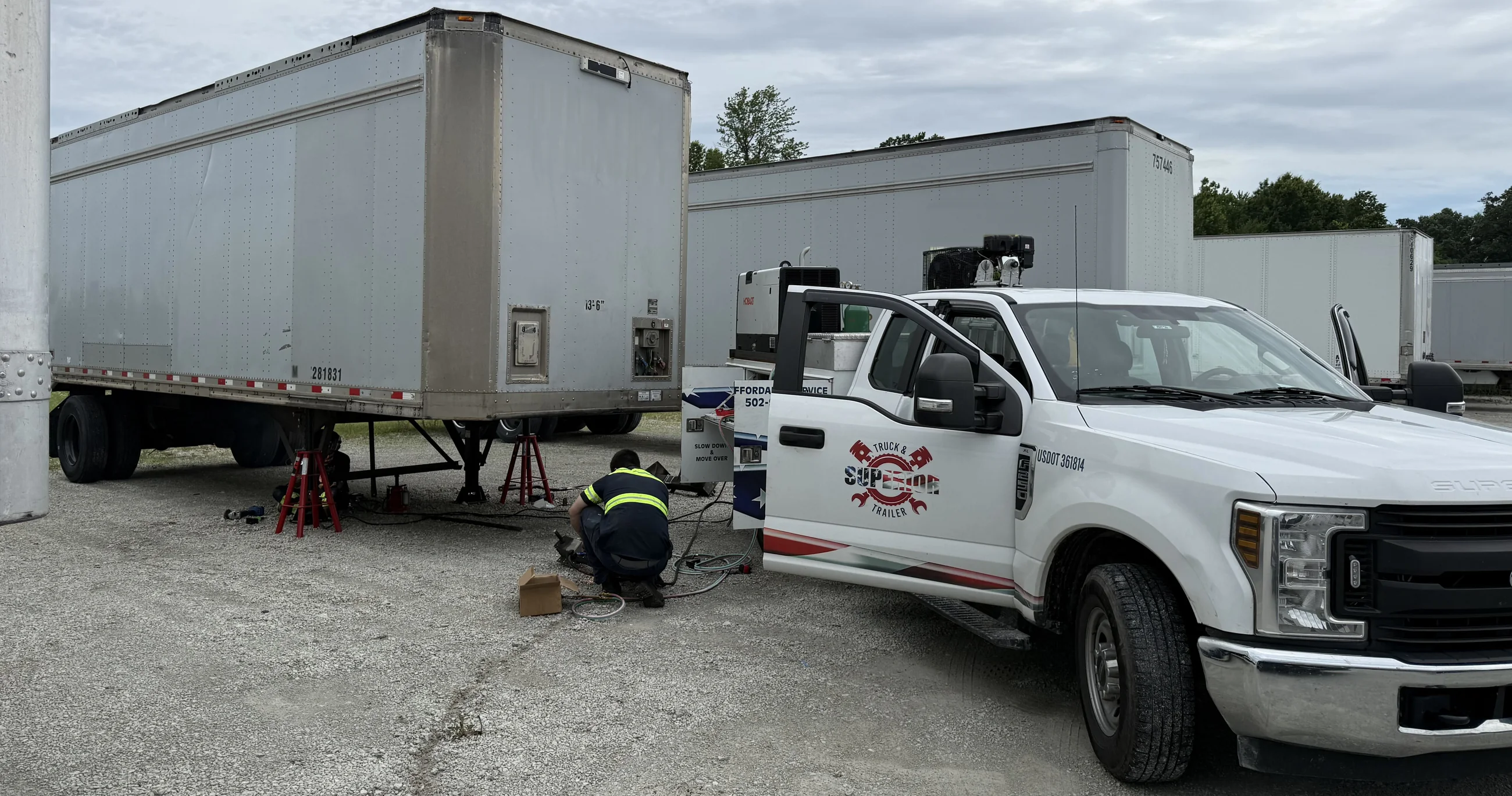
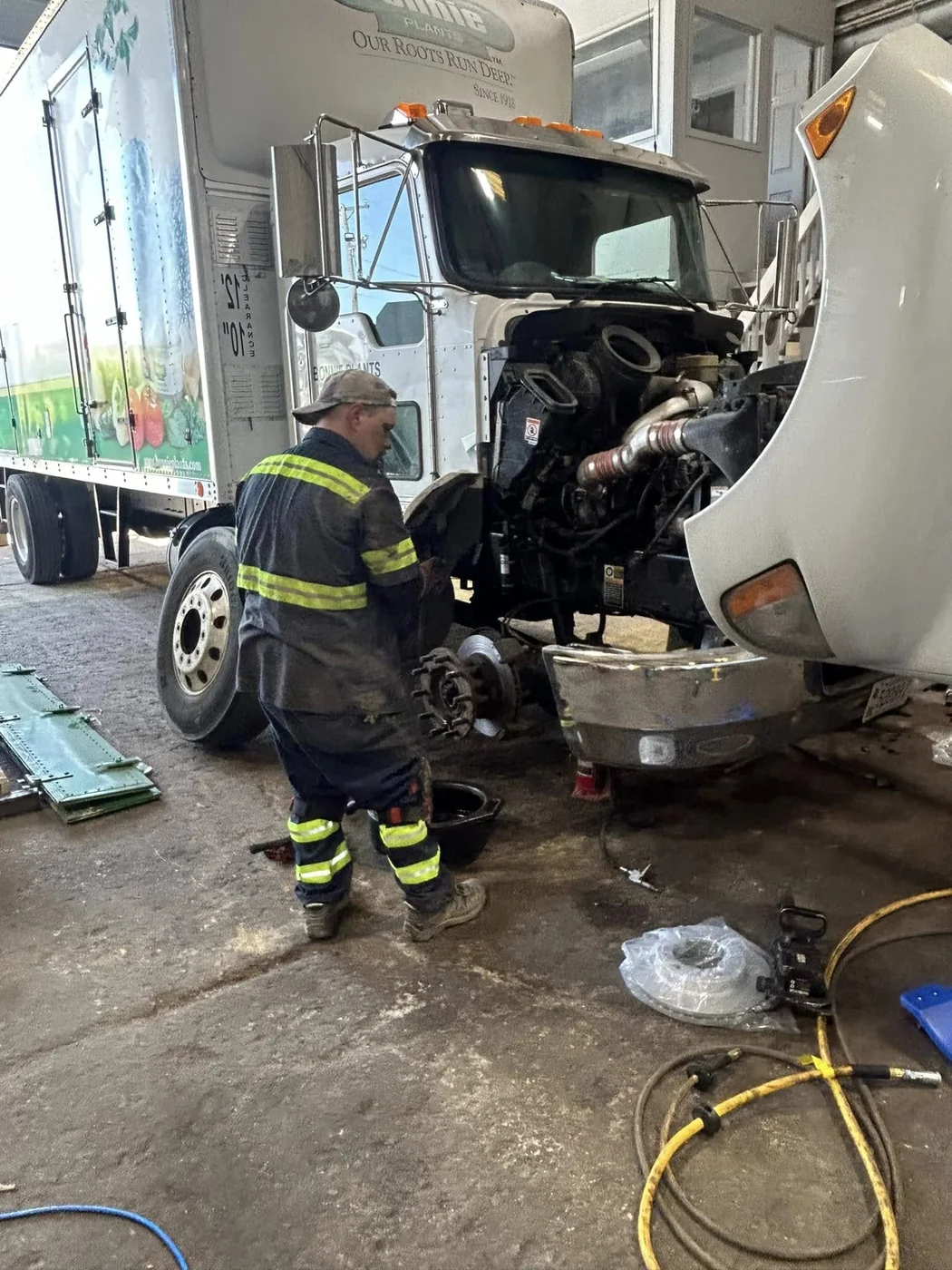
Professional diesel repair services turn out to be serious allies in the effective management of these systems. Specific semi truck repair services like us ours here at Superior Truck and Trailer Repair know the details of tandem axle setups, ranging from the detection of inter-axle differential problems to the resolution of power divider issues that could keep your truck idle. Skilled diesel repair workers can spot indications of axle misalignment or bearing wear in time before they develop into expensive roadside repairs. When operating heavy-duty equipment with tandem drives, having at your disposal adept professionals who can carry out complete checks and meticulous repairs is the factor that determines whether your investment is being optimized or your maintenance costs are getting out of control.
Making an Informed Choice: American Tandem Axle Trucks vs. European Lightweight Setups
The choice between American tandem axle trucks and European lightweight configurations comes down to matching your operational needs with the right design philosophy.
American tandem axle systems excel when you need:
- Maximum traction on challenging terrain or unpredictable weather conditions
- Heavy payload capacity over long-haul routes
- Durability for demanding applications like construction or off-road work
- Compliance with the US bridge formula regulations
European single-axle setups shine in scenarios requiring:
- Superior fuel efficiency for cost-conscious operations
- Enhanced maneuverability through tight urban streets
- Lower initial purchase and maintenance costs
- Reduced environmental impact
Your operating environment plays a crucial role in this decision. If you’re navigating congested city centers with frequent stops, the European approach offers clear advantages. Conversely, cross-country hauling through varied terrain demands the robust capabilities of tandem drive systems.
The conclusion? There’s no universal winner in the American vs. EU trucks debate-only the right tool for your specific job. Understanding these fundamental differences helps you invest in equipment that truly serves your business needs. Give us a call today at (502) 789-6644!