Check Engine Light With EGR Codes
EGR codes point at the valve, the cooler or the flow through them. The codes and the readings get pulled before any part gets replaced.
Checked:EGR valveEGR coolerSensors
Diagnose soon
 24/7 Mobile & Roadside AssistanceA tech comes to the unit, booked ahead or at 2am on the shoulder.See more
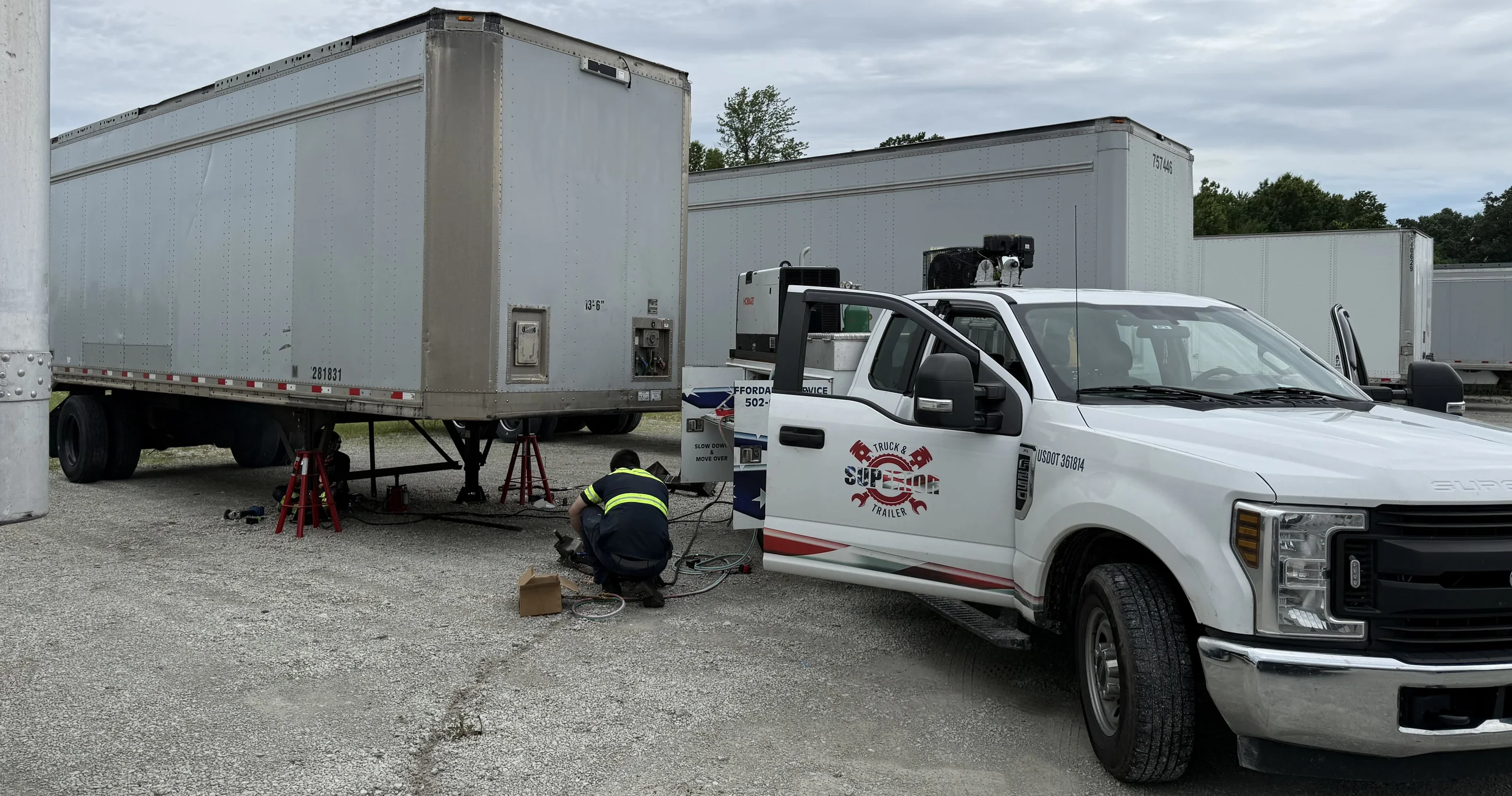 Trailer RepairBrakes, axles, lights, landing gear and welded frame work.See more
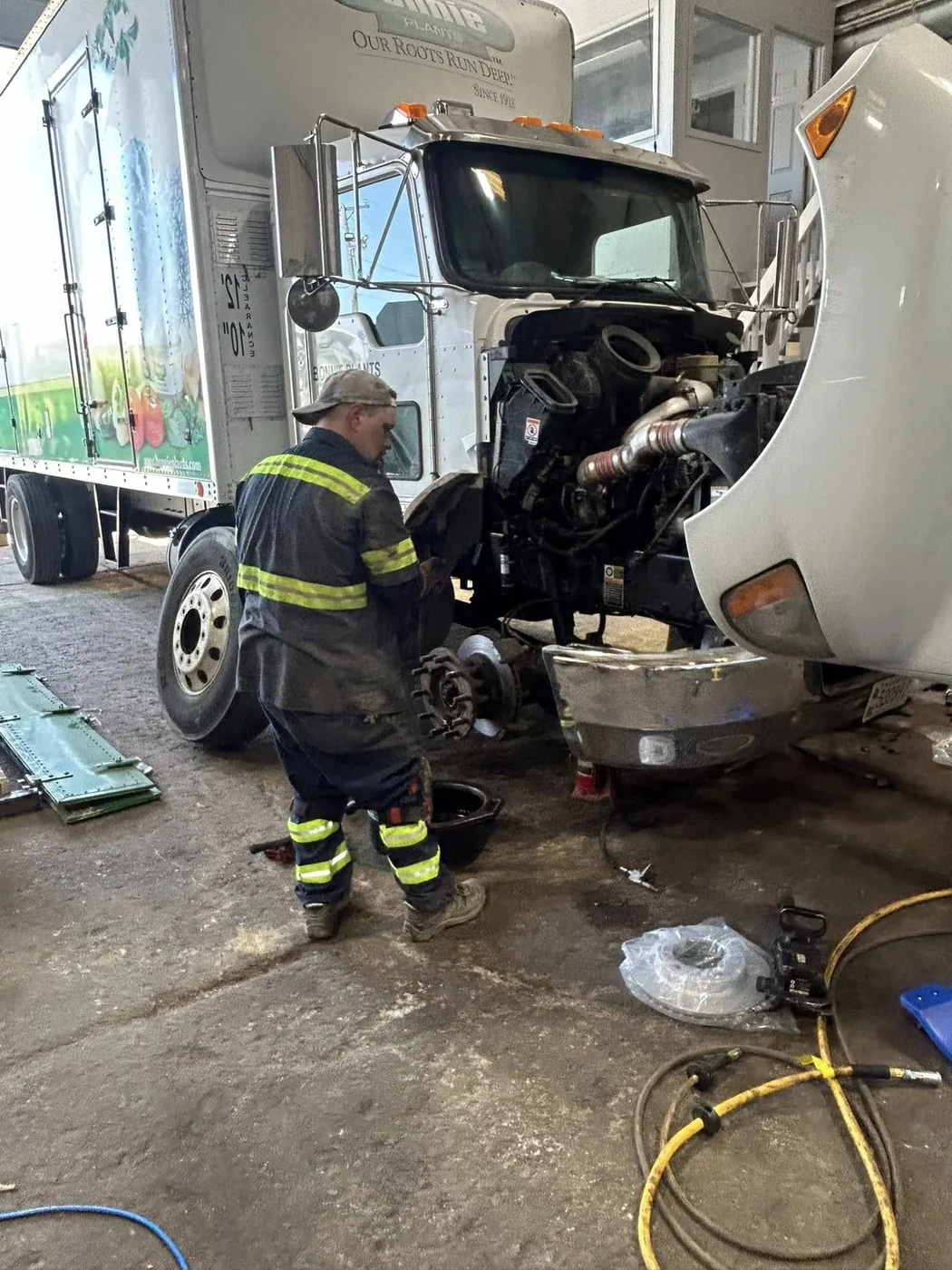 General Diesel RepairFull heavy-duty diesel service across every major make.See more
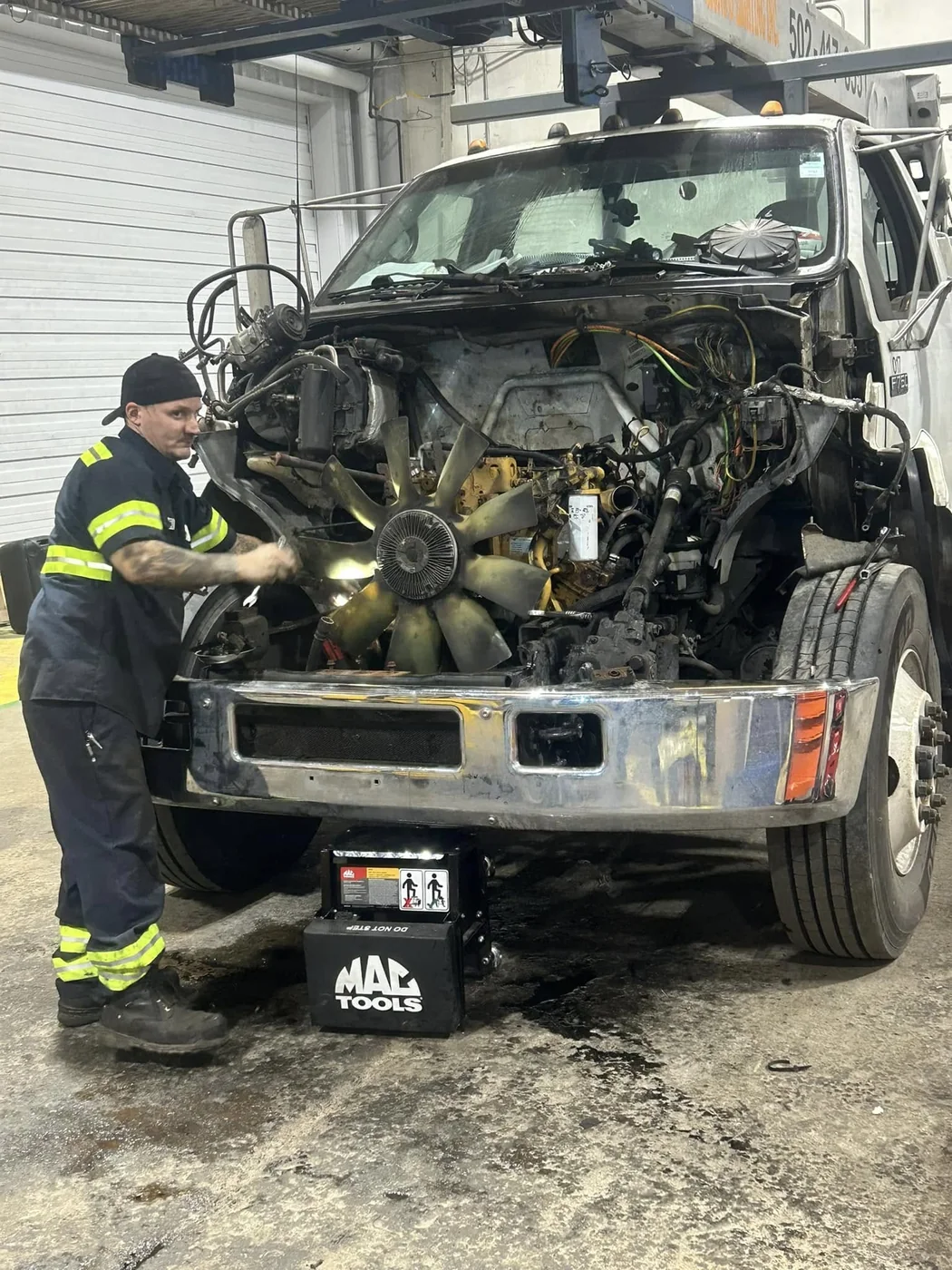 Preventative MaintenanceScheduled PM that catches failures while the truck is parked.See more
 DOT InspectionsAnnual inspections handled properly, paperwork filed.See more
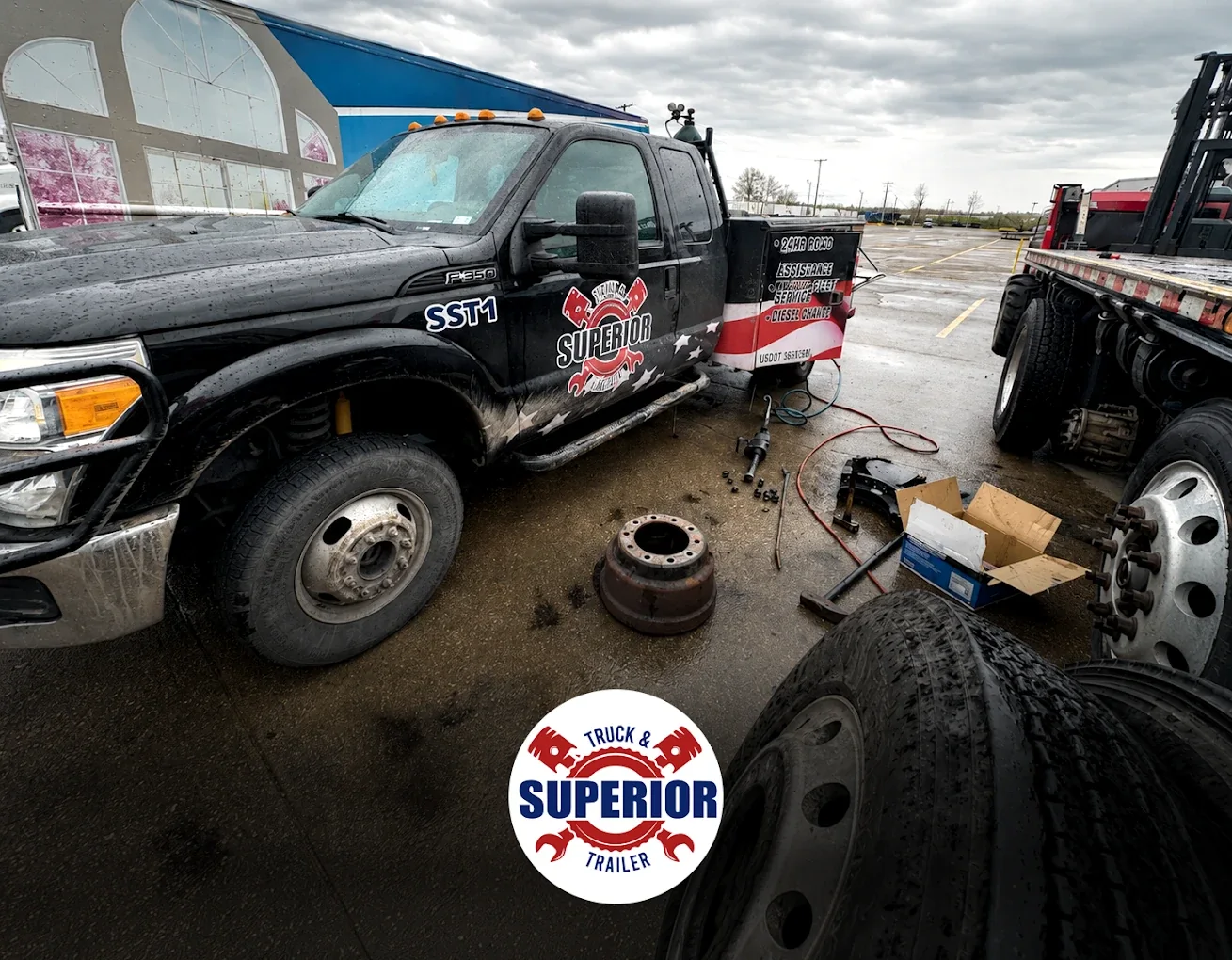 Truck & Trailer AlignmentStops premature tire wear and pulls fuel numbers back in line.See more
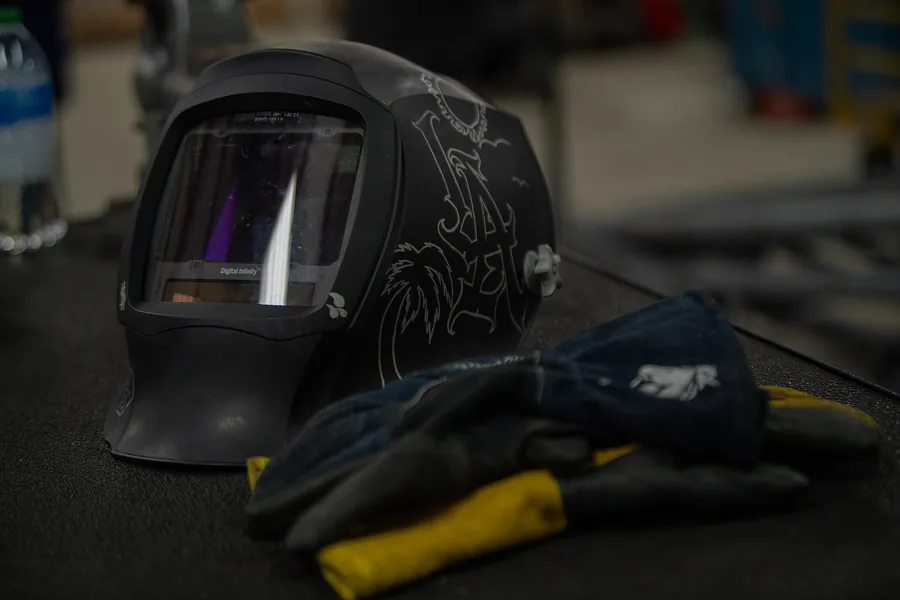 Welding & FabricationFrames, brackets, crossmembers and door conversions.See more
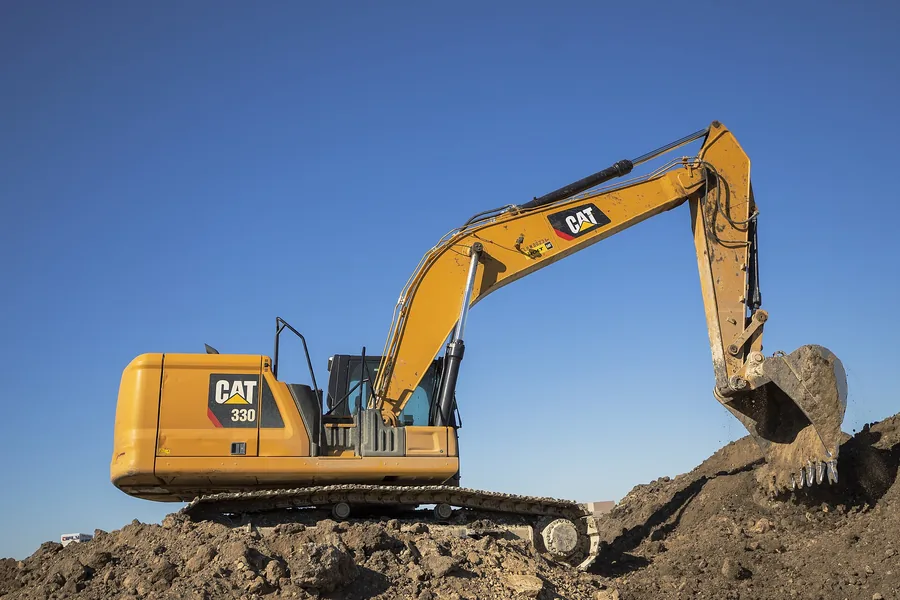 Heavy Equipment RepairYard and off-road iron, same heavy-duty techs.See more
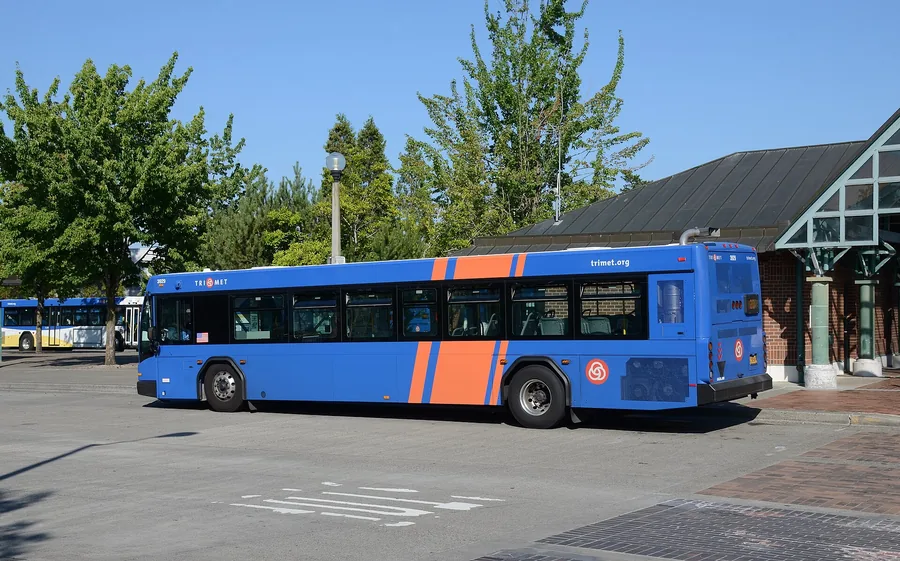 Bus RepairCommercial and school buses, including BraunAbility lifts.See more
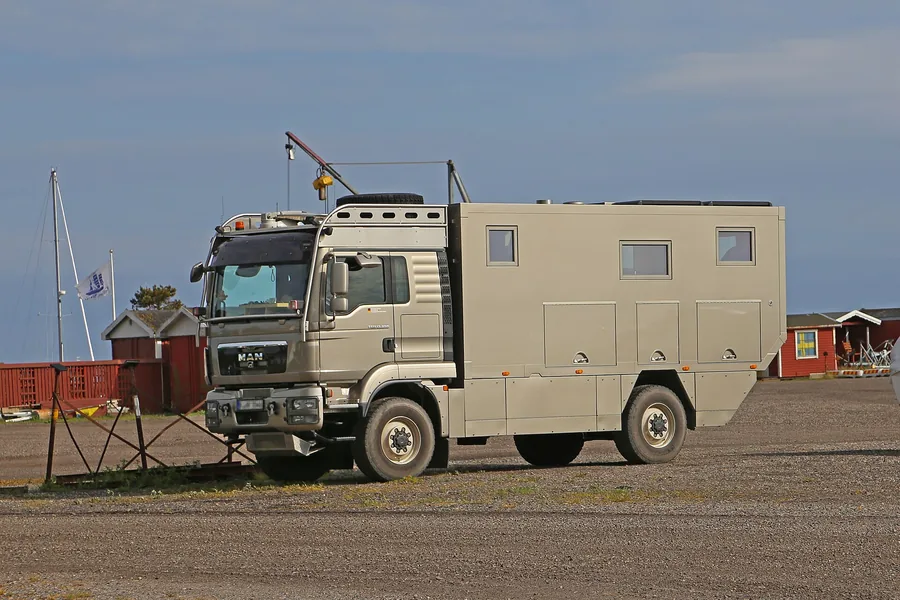 RV RepairSuspension, brakes, axles and chassis for motorhomes.See more
Skip the form. Our 24 hour road call team answers the phone and rolls a stocked service truck to your location.
We are a stocking parts dealer for three major networks, so the part that fixes your truck is usually already on our shelf.
The EGR system cuts the NOx your diesel makes, and the DPF catches the soot before it leaves the stack. When either one acts up, the truck loses power, sets codes or goes into a derate. Superior Truck & Trailer diagnoses and repairs both on heavy-duty trucks and fleets in Louisville, KY.
A diesel with its EGR loop and its particulate filter: exhaust going back to the intake through the cooler, and soot stopping in the filter on the way out.
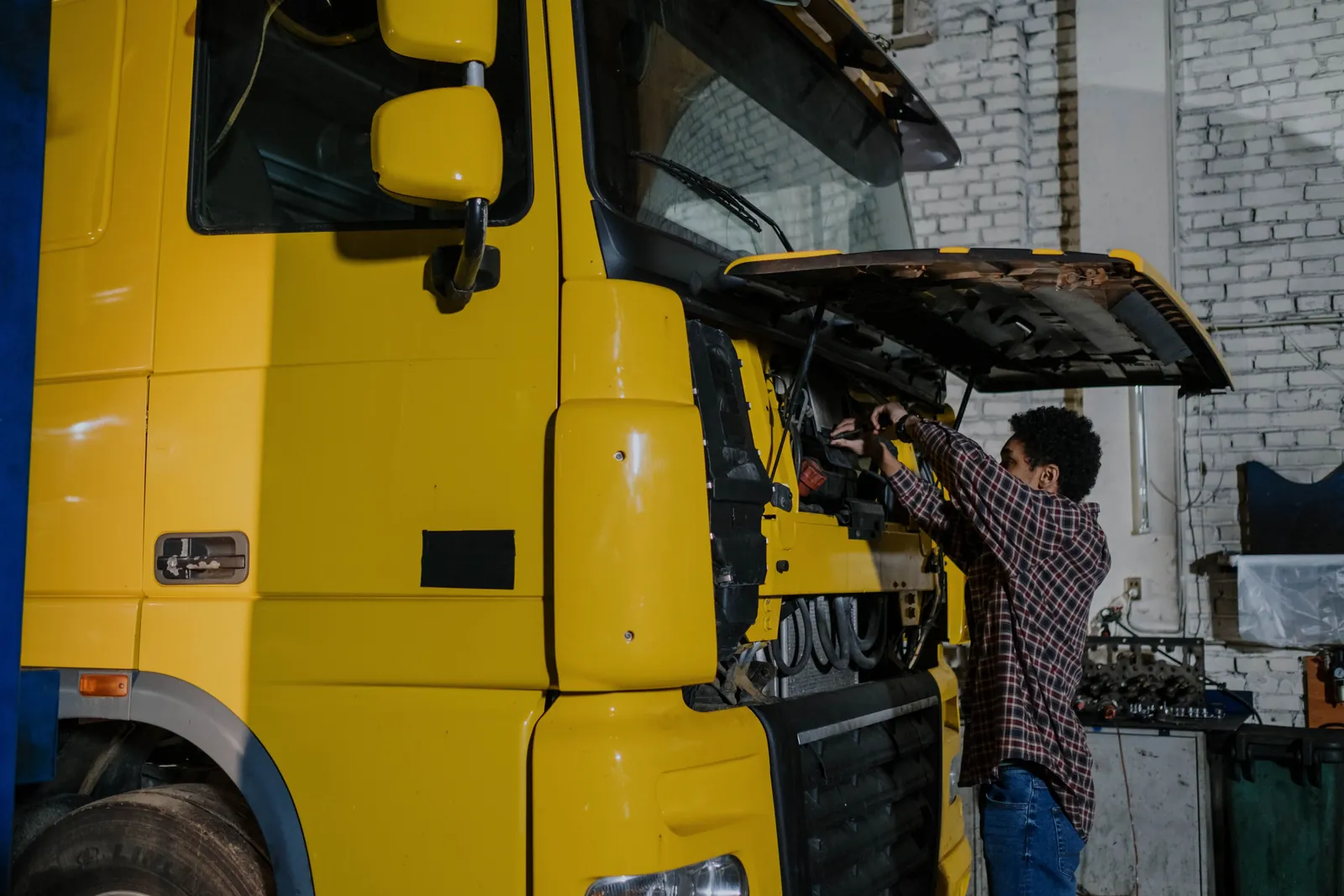
The EGR system sends some of the exhaust through a cooler and back into the air intake. That cooler exhaust lowers the combustion temperature, and a cooler burn makes less NOx. The hotter the engine runs, the more NOx it makes.
All of the exhaust flows through the DPF, and a fine mesh-like material catches the soot and carbon before it leaves the truck. The filter only holds so much, so it has to be regenerated. Some DPFs regenerate on their own, others have to be regenerated manually.
A regen burns off soot but leaves ash behind, so a DPF eventually needs cleaning. Its sensors decide when it regenerates, and a lot of DPF trouble starts upstream at the EGR or the engine. All three get looked at before a filter gets replaced.
Where each one usually leads. Caught early, a sticking EGR valve is a cleaning or a valve, not a filter and a tow.
EGR codes point at the valve, the cooler or the flow through them. The codes and the readings get pulled before any part gets replaced.
An EGR valve stuck open lets too much exhaust into the intake. The engine loses power, smokes and sends extra soot to the DPF.
Coolant that keeps going down with nothing on the ground can be a leaking EGR cooler sending coolant into the exhaust, often with white smoke at the stack.
A DPF lamp, or regens coming closer and closer together, mean the filter is loading faster than it burns clean or is full of ash.
A plugged DPF or an EGR fault can put the truck into a derate, with the speed held down until the problem gets fixed.
An EGR valve that sticks open at idle feeds exhaust into the intake when the engine needs clean air, and the idle goes rough or the engine stalls.
EGR and DPF work runs from the intake side of the engine to the filter in the exhaust, and the two are often connected.
Tell us the truck and what it is doing. We pull the codes and check the EGR and the DPF, lay out the repair, do the work and get the truck back into service.
Tell us the truck, the codes on the dash and what it is doing: the lamp, the smoke, the derate.
The codes and readings get pulled, and the EGR and the DPF get checked together.
The valve, the cooler, the regen or the cleaning, laid out up front. Nothing gets done until you approve it.
The repair gets done, the codes get cleared and checked, and the truck goes back to work.
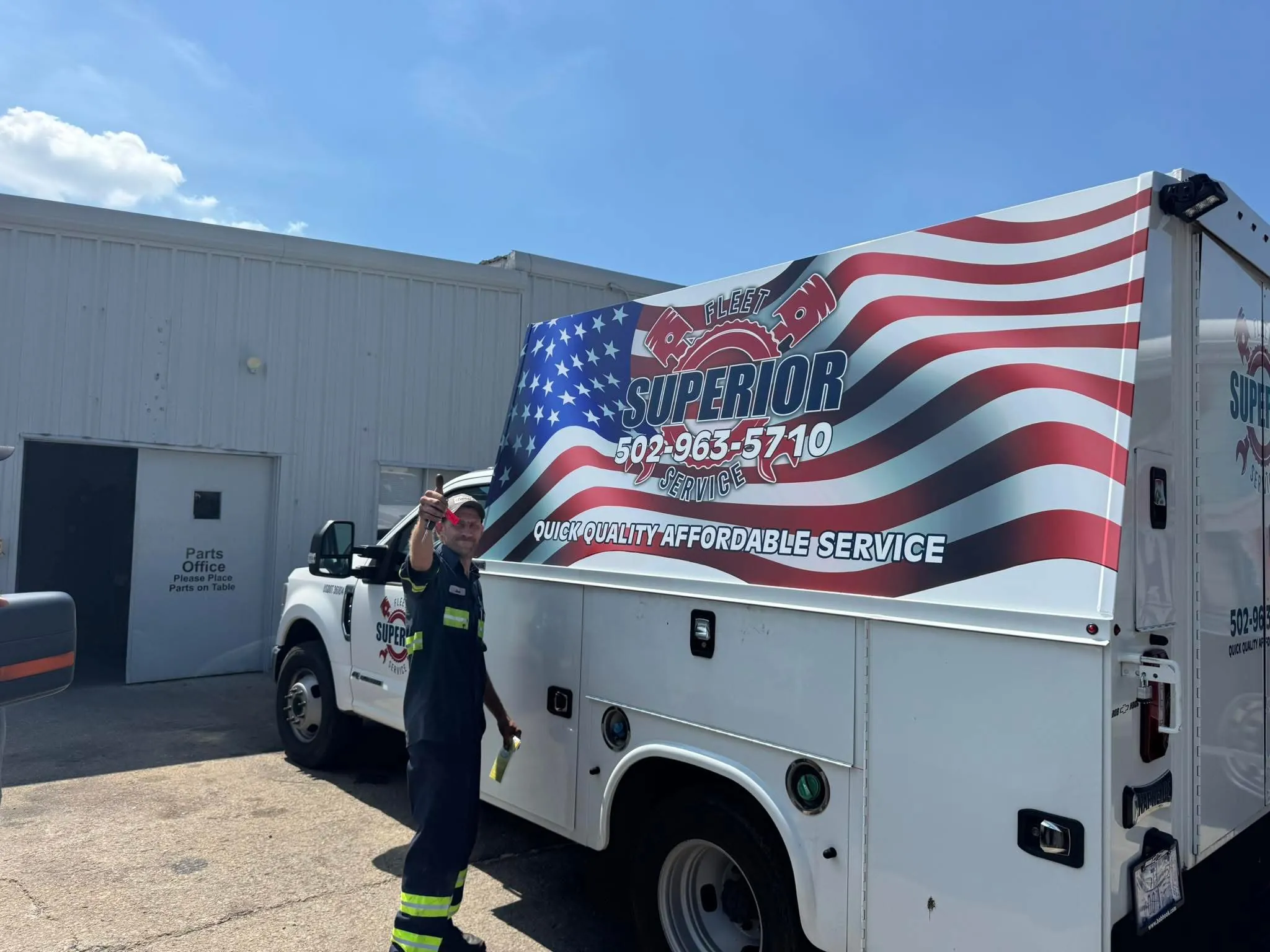
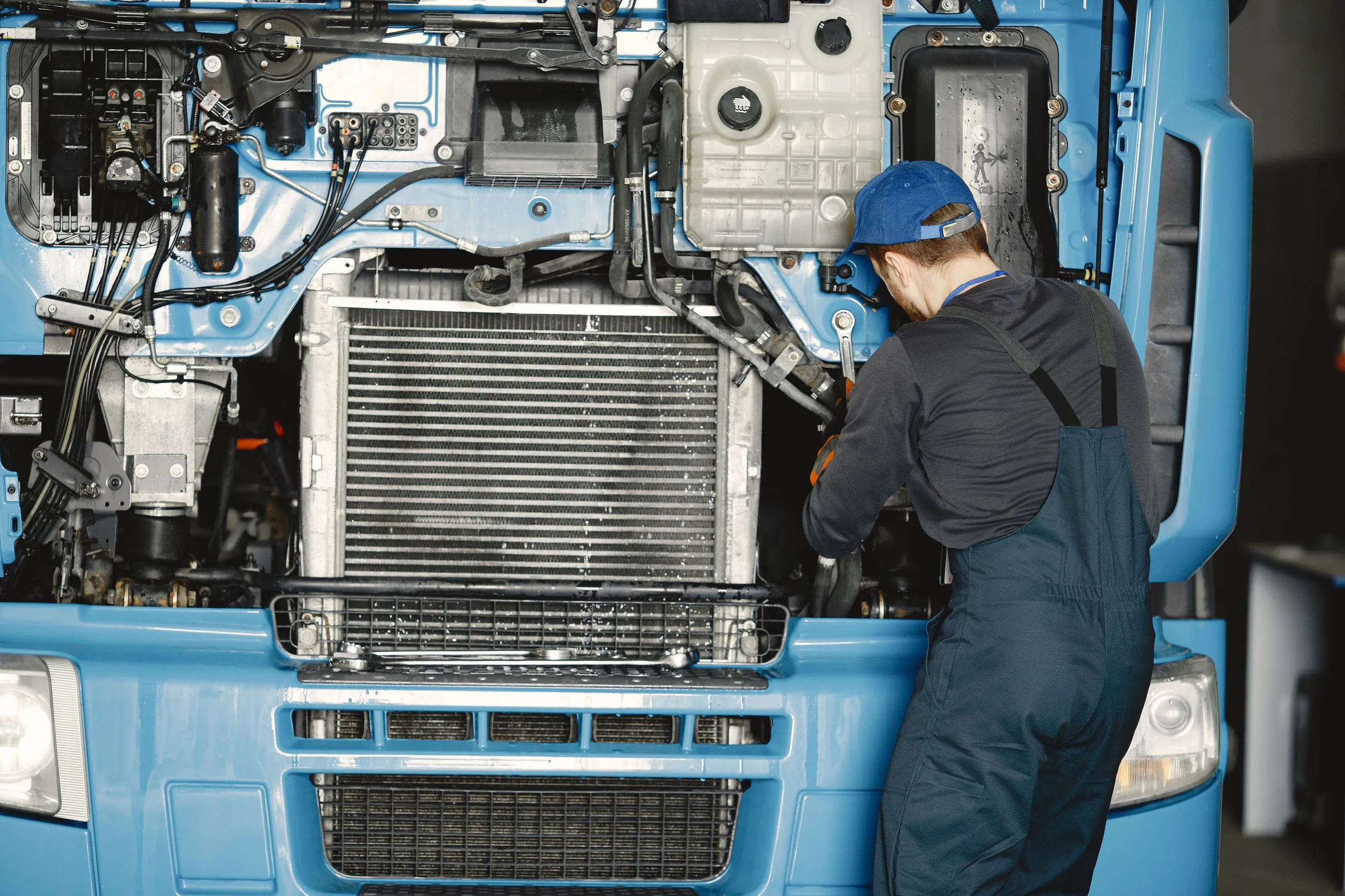
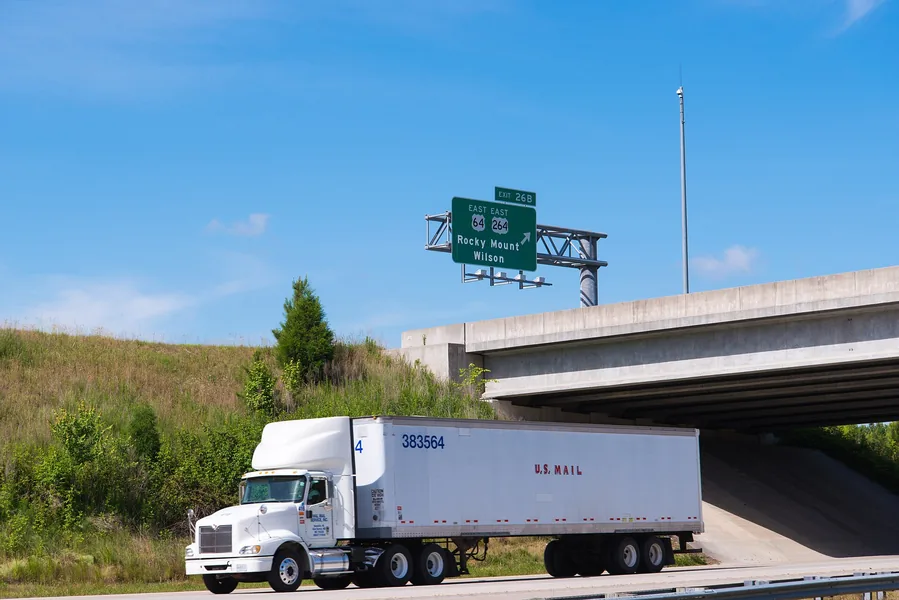
The trucks, trailers, service vehicles, roadside calls and shop work behind the services on this site. This is the kind of commercial equipment Superior works on every day in and around Louisville.
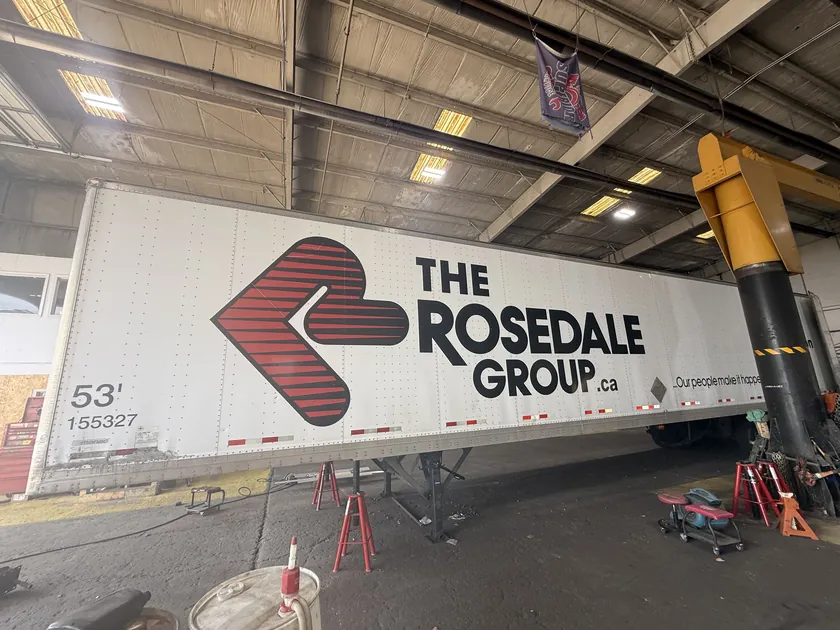
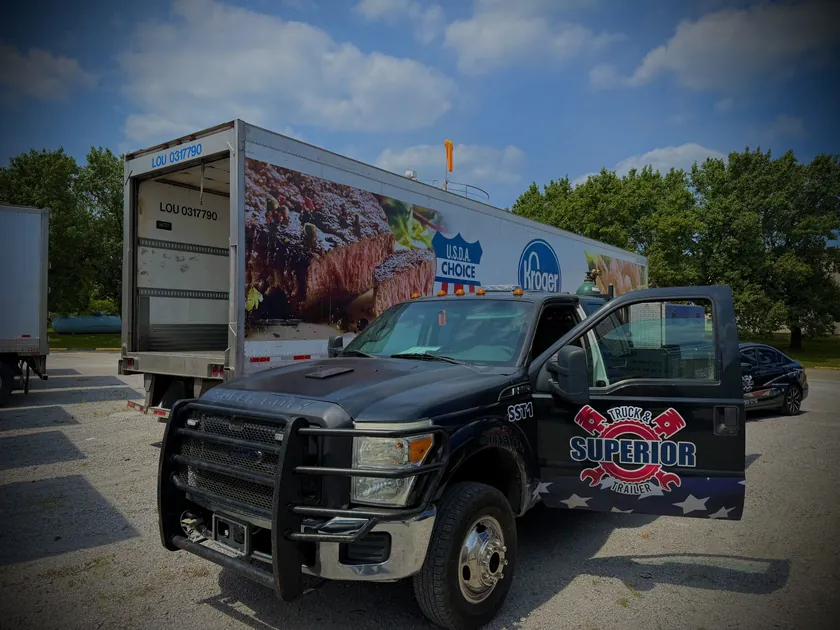
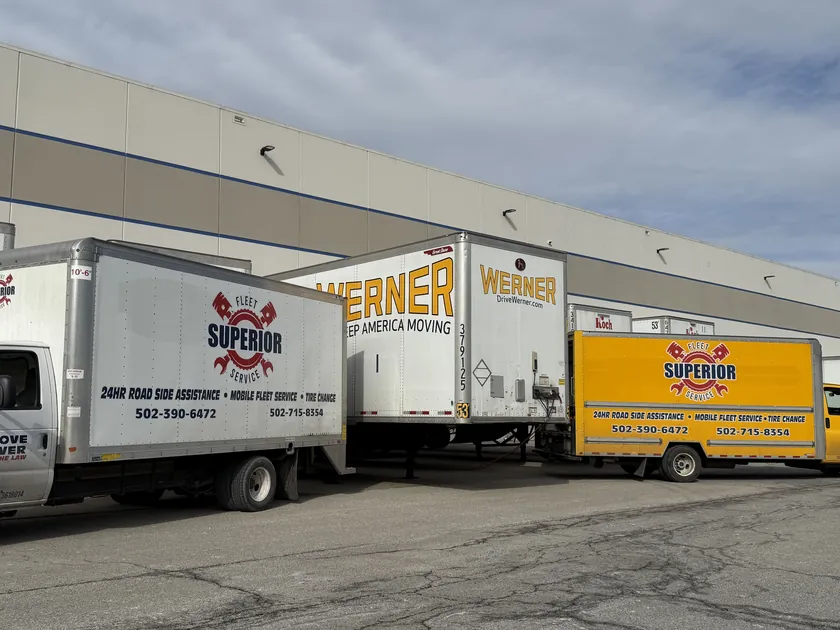
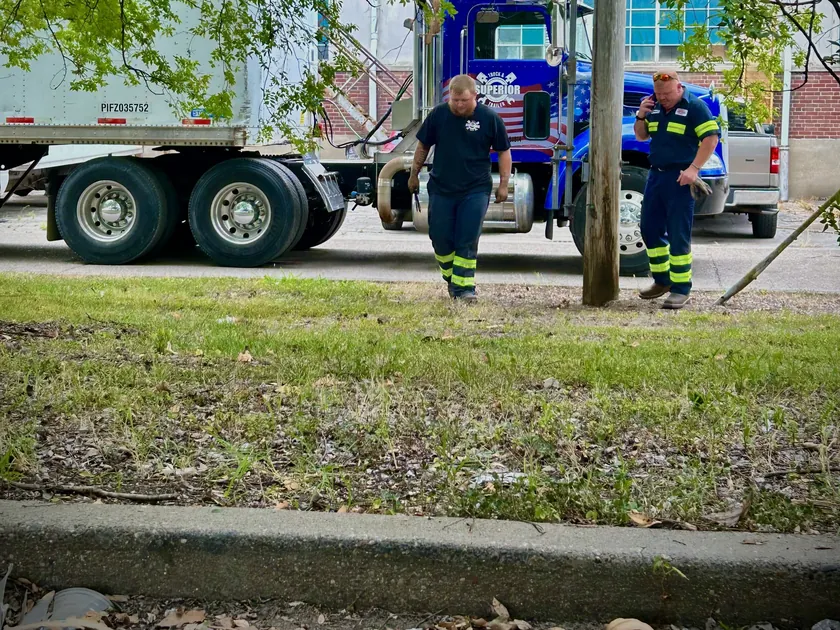
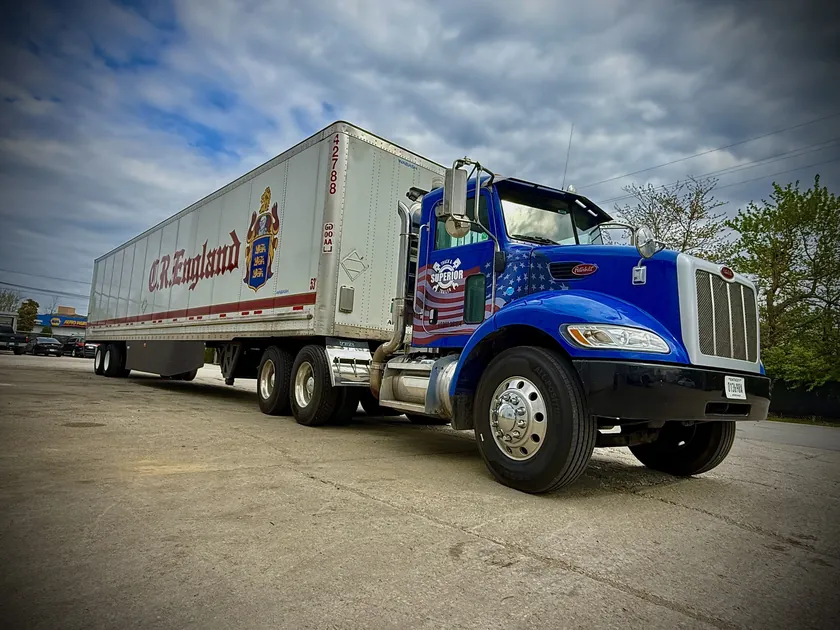
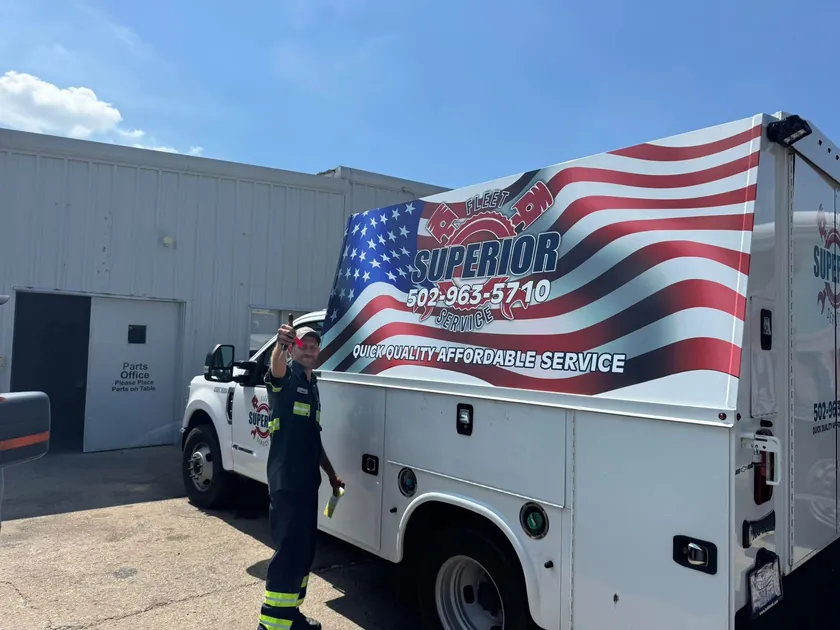
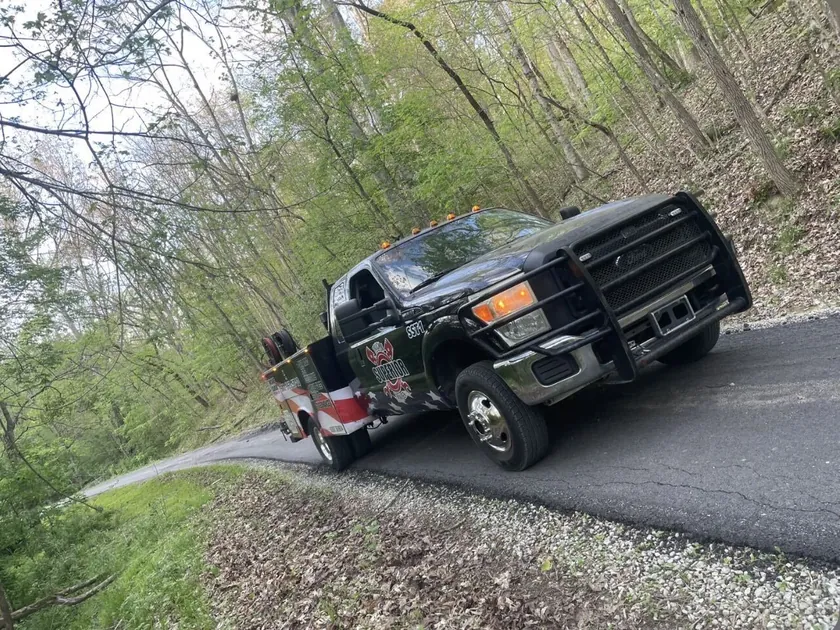
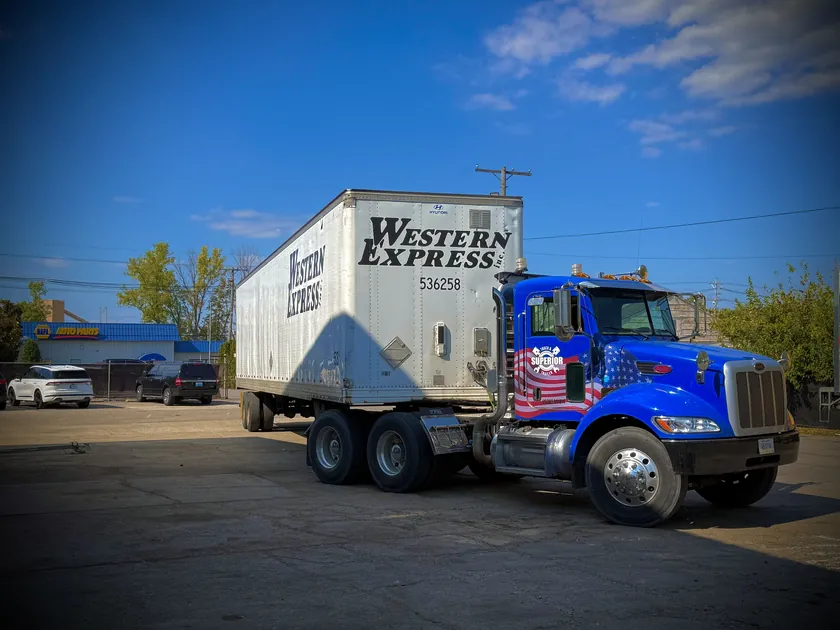
EGR and DPF problems often start somewhere else on the truck. Everything else it needs is handled from the same Louisville shop.
EGR valves, EGR coolers, regens and cleaning: the EGR and DPF questions truck owners and fleets ask most.
(502) 789-6644The exhaust gas recirculation (EGR) system limits the nitrogen oxides (NOx) a heavy-duty diesel produces. It sends some of the exhaust through a cooler and back into the air intake. That cooler exhaust lowers the combustion temperature, and a cooler burn makes less NOx.
NOx output depends heavily on how hot the engine burns. The hotter the combustion, the more NOx gets produced, which is why the EGR system works by lowering the combustion temperature.
It cools the exhaust before it goes back into the intake, using the engine coolant. A leaking cooler can let coolant into the exhaust, and a plugged cooler cuts the EGR flow.
Common signs are a check engine light with EGR codes, loss of power, black smoke, a rough idle or stalling, and more soot going to the DPF. A valve stuck open or shut, or one caked with carbon, is a common cause.
Yes. A leaking EGR cooler can send coolant into the exhaust, so the coolant level keeps dropping with no puddle under the truck, often with white smoke or steam at the stack.
The DPF captures soot and carbon before they leave the exhaust. It is built into the exhaust, so all of the exhaust gas flows through it, and a fine mesh-like material catches the soot.
A DPF only holds so much soot, so it has to be regenerated: the exhaust gets hot enough to burn the trapped soot off. Some DPFs regenerate automatically, while others have to be regenerated manually.
An automatic regen happens on its own while the truck is working. A manual regen is started on purpose, usually with the truck parked, when the filter needs one and an automatic regen has not finished the job.
A filter that keeps filling up fast usually has a cause upstream: an EGR valve stuck open, a leaking EGR cooler, fueling or injector problems, or oil getting into the exhaust. Lots of idling and short runs that never let a regen finish also add up.
Yes, eventually. A regen burns off soot but leaves ash behind, and ash builds up over the life of the filter. When the pressure across the filter stays high even after a full regen, it needs cleaning or replacement.
Yes. A plugged DPF, an EGR fault or a bad sensor reading can put the truck into a derate, with the speed held down until the fault gets fixed. The fault gets diagnosed with the codes and the readings before any part is replaced.
Superior Truck & Trailer repairs EGR systems and diesel particulate filters on heavy-duty trucks at 3816 Bishop Lane in Louisville, KY, for trucks from Louisville and the surrounding Kentucky and Southern Indiana counties. Call (502) 789-6644 with the truck, the codes and what it is doing.
Call Superior Truck & Trailer in Louisville, KY with the truck, any codes and what it is doing. We'll find the fault, fix what caused it and get it running clean.
(502) 789-6644