Do You Also Work As A Fleet Maintenance Company?
Truck repair shops and fleet management services can appear to be identical. In summary, truck repair shop services include conducting maintenance checks while diagnosing breakdowns as well…

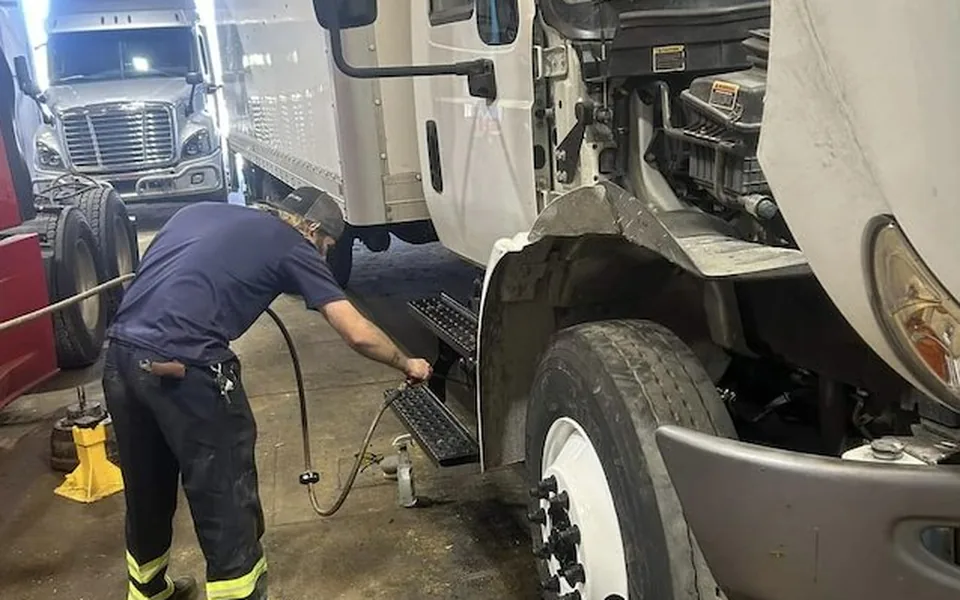
Truck repair shops and fleet management services can appear to be identical. In summary, truck repair shop services include conducting maintenance checks while diagnosing breakdowns as well as managing tire services and Department of Transportation requirements. If you drive a truck yourself or operate a fleet of trucks, the question of who you should seek for help with repairs can come down to this: Should I choose a fleet maintenance company or semi truck repair service provider to keep my truck or trucks working properly?
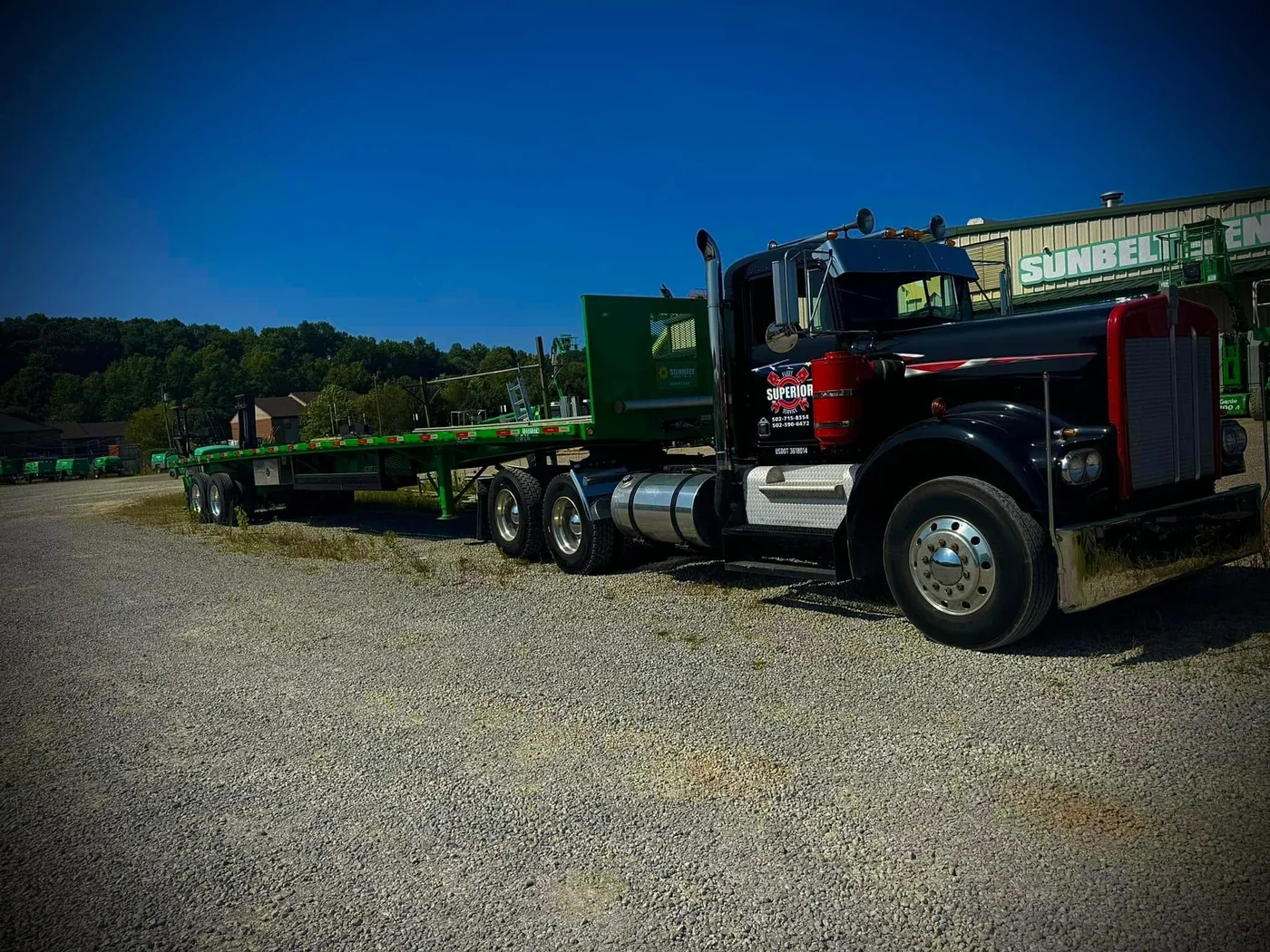
We at Superior Truck and Trailer Repair observe that, most of the time, a shop that provides semi truck repair services differs from a team that operates dedicated and large-scale fleet services. The operations you perform with your semi truck requires a safe truck that needs high-quality repairs, yet a fleet of trucks requires even further variables. They include highly consistent operations, documentation, and planning, plus urgent communication capabilities. These make it possible to all parties involved in fleet operations to conduct their work in an efficient manner in ways stressed as important for enterprises.
Continue reading for more about what it really means to be a fleet maintenance company in day-to-day operations, what fleets expect, and how to know which one your current situation calls for.
What Fleet Maintenance Really Means In The World
Fleet maintenance often requires more than just truck repairs. The process involves overseeing a system that maintains equipment operational availability for revenue generation while minimizing unexpected events. The system requires scheduling services before maintenance needs arise, plus keeping complete records of maintenance activities and creating access points for fleet managers to retrieve truck maintenance information.
The semi truck repair process calls for having your truck repaired when you experience a significant problem and look to get it fixed fast enough to get back to driving. Fleet maintenance requires a different system that calls for certain tasks to be repeated at scheduled times. Most often, these services include all areas that could be causing the problem, including maintenance checks, completing inspection cycles, and managing normal wear items for all trucks within a fleet.
Both profiles of work complete multiple and essential tasks when performing maintenance checks. The difference between the two approaches lies in how operational tasks get managed, communicated, and monitored throughout the entire fleet network.
Why Do Drivers And Fleet Managers Ask This Question?
Drivers ask because they want to know what kind of support they will get when they are under load on a clock and trying to stay legal. Fleet managers ask because they are thinking about cost per mile, shop turn time, and whether they can trust you with units without constant follow-up.
A fleet account can be a good fit for a shop, but only if expectations are clear. When a shop says, “Yes, we work on fleets,” and they are being honest, it means more than “we can fix trucks.” It means “we can help you run your operation with healthy trucks.”
Where Most Shops Get Stuck With Fleet Work
Fleet work can become frustrating when the process is not set up to handle repeat volume. The common pain points we see usually come down to time, communication, and consistency.
A big one is approvals. Retail customers might approve a repair on the spot. Fleet approvals often involve a manager, a system, or a cost threshold. If your estimate process is not tight, jobs stall, and bays get clogged.
Another issue is parts planning. Fleets tend to run makes and models. That helps you predict what you will need. Only if you track what you use and keep common items ready, when every brake job or maintenance check turns into a parts scavenger hunt, the whole schedule slips.
There is also the challenge of standardization. Fleets like inspection points and consistent reporting. If one technician checks a list one way and another technician checks it differently, the fleet does not know what to trust.
What Fleets Expect When They Partner With A Maintenance Provider
Every fleet is a little different. Expectations usually fall into a few practical categories. When we work with fleet operators, we focus on keeping these needs front and center because they are the difference between a one-time visit and a long-term account.
Fast, honest diagnosis and clear estimates that explain what is urgent, and what can be. What should be planned for the next service?
- Predictable turn times and proactive communication so drivers and dispatch are not left guessing.
- Consistent documentation that helps the fleet stay compliant and reduce surprise failures.
- Preventive maintenance support that keeps units on schedule and cuts down on events.
- A relationship mindset where the shop helps the fleet make repair decisions, not just sell a repair.
You do not need to be perfect at every item on day one. What fleets really want is a partner who runs a process and tells the truth about timing, cost, and risk.
Maintenance Checks: The Backbone Of Fleet Maintenance
Preventive Maintenance is where fleet maintenance becomes real. A good maintenance check program is not just changing oil and filters. It is an inspection routine that catches problems early and builds trust with the fleet.
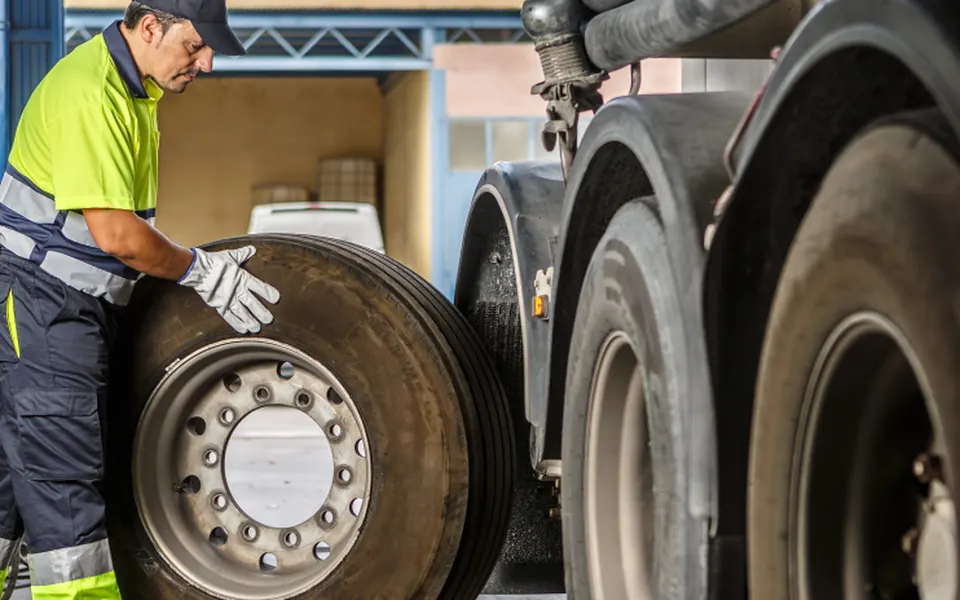
At Superior Truck and Trailer Repair, we treat maintenance check services as an opportunity to protect uptime. That means checking for issues that commonly become expensive if ignored, like tire wear patterns, brake wear, air leaks, coolant leaks, loose wiring, and early signs of trouble.
Maintenance check visits also create a rhythm. Once a fleet sees that you can keep them on schedule and communicate clearly about what’s coming next, repairs feel less chaotic. It becomes easier to plan downtime, order parts on time, and avoid last-minute breakdowns.
Department Of Transportation Compliance And Documentation Matters More Than You Think
For fleets, documentation is not paperwork for the sake of paperwork. It protects your business. It supports compliance. It helps with audits, claims, and resale value, and makes it easier to track repeat issues and decide when a repair is worth it versus when a truck is costing much downtime. The history gives your technician a faster starting point that shortens the time and keeps the truck moving.
Fleet maintenance sounds big, but it often comes down to a few simple habits done well. When we help fleets and drivers, we aim for a process that’s easy to follow, easy to communicate, and easy to repeat.
A strong fleet workflow usually includes:
- An intake process that captures unit number, mileage, driver notes, and service history.
- A consistent inspection routine tied to maintenance check intervals and Department of Transportation needs.
- A communication plan for updates and approvals, including who to contact and how quickly updates go out.
- A documentation habit that makes every repair easy to understand
- A plan for follow-ups so the fleet knows what to watch and what to schedule next.
That is not about software or huge staffing. It is about building an experience for your fleet.
Let’s Talk About Your Fleet And Your Goals
We want to discuss our truck maintenance capabilities with you if you work as a driver, owner-operator, or fleet manager. Our team of professionals here at Superior Tuck and Trailer Repair maintain dedicated fleet maintenance operations because we understand that maintaining equipment availability is a critical requirement in our industry. Please contact us at (502) 789-6644 so we can discuss your fleet requirements and your maintenance schedule together with our solutions for maintaining truck safety and compliance while keeping them operational!