

How Many Axles Does a Semi Truck Have? Common Problems and Maintenance Tips
Have you been searching “How many axles does a semi truck have?” It is important to know the number of axles your semi-truck has to keep them clean and maintained. Axles distribute weight…

Have you been searching “How many axles does a semi truck have?” It is important to know the number of axles your semi-truck has to keep them clean and maintained. Axles distribute weight over the wheels of a truck to provide proper balance and stability. The drive axles are used for power transmission, while the steer axles enable a truck to steer.
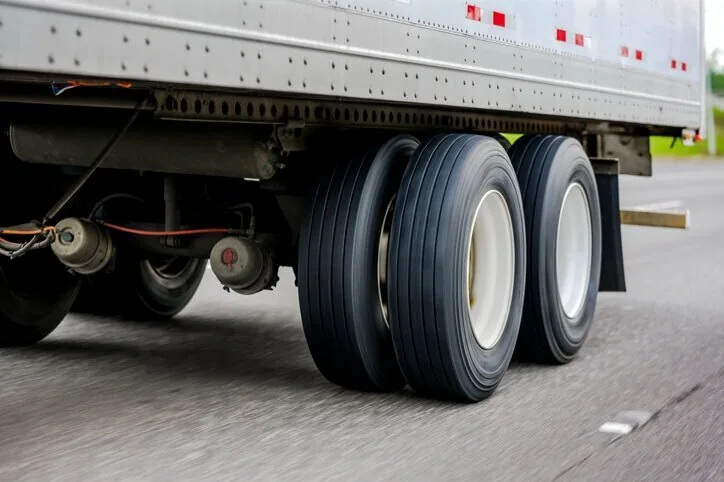
If you want to keep your semi-truck working smoothly, you might want to keep the axles clean. In this article, we will guide you on how many axles does a semi truck have, why axles are important, and how to keep them maintained.
Let’s look into the details.
How Many Axles Does a Semi-Truck Have? Different Types of Axles You Need To Know
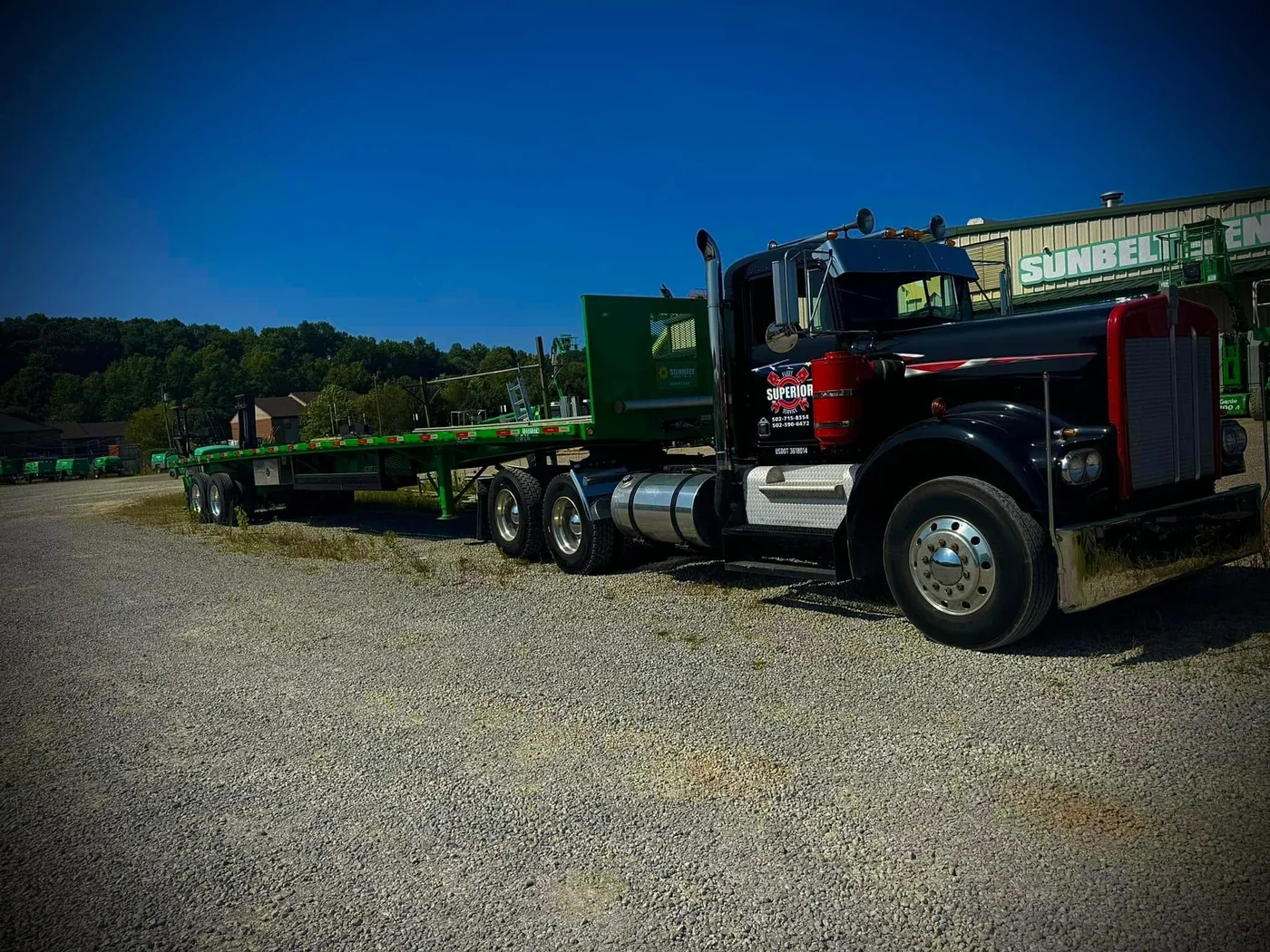
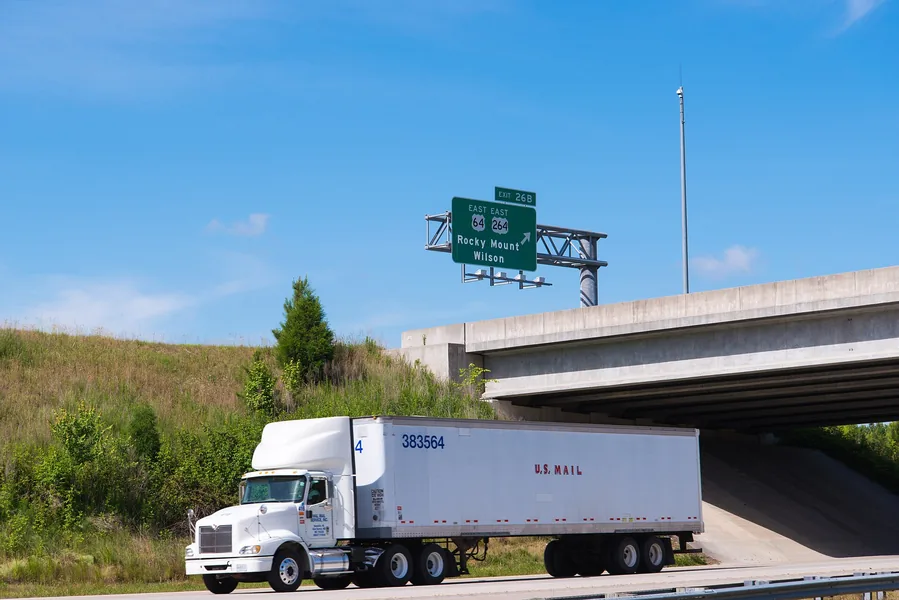
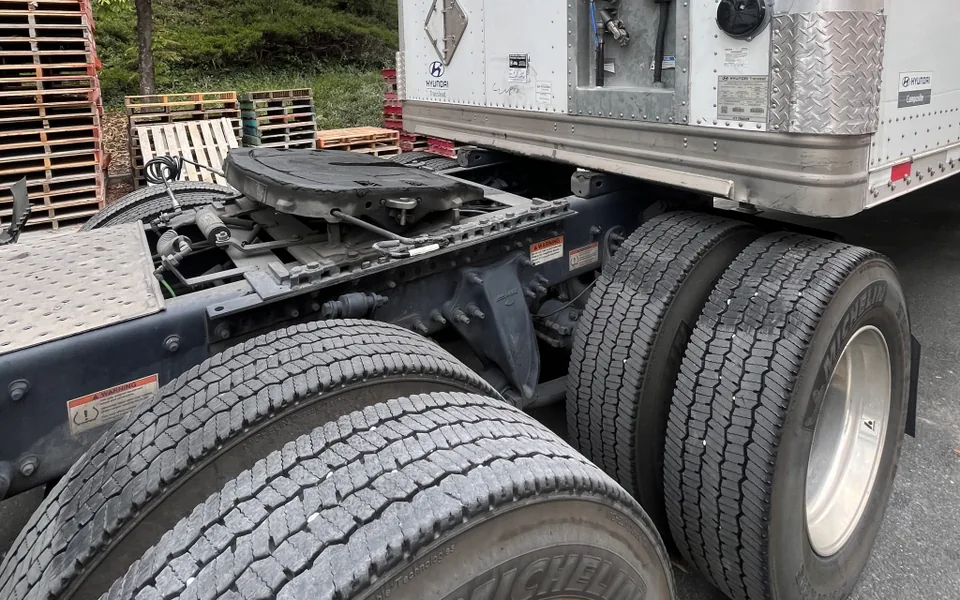
A semi-truck (tractor) typically has three axles, one in the front for steering and two in the back for driving. When hooked up to a standard trailer, the combined vehicle usually has five axles in total, with the trailer contributing two additional axles (tandem axles) to support the load. You must have a basic understanding of toll rates and road regulations.
Here is the list of different types of semi-truck axle trailers:
- Tandem Axles: These are two axles placed close together, usually about five feet apart, and can often be adjusted forward or backwards to support the load better.
- Spread Axles: Also known as split tandem axles, these consist of single axles spaced approximately 10 feet apart from each other.
- Lift Axles: These axles can be raised or lowered using airbags or springs, giving drivers the ability to adjust them for easier control.
- Triple Axles: Typically found on dump trucks, triple axles include a tandem drive axle with an additional air-lifted third axle.
5 Most Common Semi Truck Axle Problems and Their Solutions
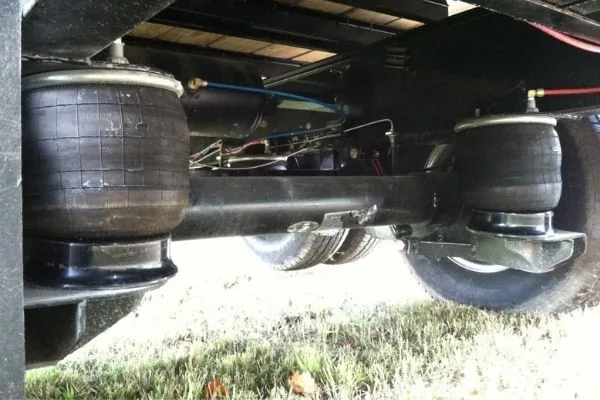
Here are the five most common semi-truck axle problems you should look out for and the solutions you need to solve them:
1. Uneven Tire Wear and Wheel Alignment Issues
Misaligned axles cause uneven tire wear, making it hard to drive straight, reducing fuel efficiency, and other potential damages.
Solution: Identify the main cause with professional wheel alignment and balancing. Regularlyadjust axle and wheel angles to manufacturer specifications.
2. Worn Out Suspension Components
Check worn suspension components, including bushings, springs, and shocks. These can cause poor handling, excessive tire wear, and axle misalignment.
Solution: Inspect and replace worn suspension parts as needed. Regularly maintaining and inspecting suspension components can prevent these issues.
3. Axle Leaks
Leaking axle seals result in loss of fluid and potential damage to other components of the axle, indicated by oil spots or low fluid levels.
Solution: Quickly replace or repair leaking seals. A professional diesel technician can identify the damage and suggest necessary repairs.
4. Damaged Axle Shafts
Damage to axle shafts, caused by overloading or rough terrain, can lead to severe issues and breakdowns.
Solution: Immediate repair or replacement of damaged axle shafts is essential. A professional technician will evaluate the damage and suggest the best course of action.
5. Bearing Failures
Failing axle bearings cause unusual noises, poor handling, and excessive heat, potentially leading to catastrophic axle failure.
Solution: Replace damaged bearings promptly. Professional repair is important to avoid damage and confirm safe driving conditions.
5 Maintenance Tips for Your Semi-Truck Axles
Follow these five maintenance tips to avoid any sort of semi-truck axle problems in the future:
- Make sure your wheel ends, including seals, bearings, and hubcaps, are in top condition. Upgrade to advanced wheel hub technology for simplified maintenance and cost savings, and apply proper torque to avoid stud failure.
- Regularly service your steer axle every 25,000 miles. Keep it well-lubricated by applying grease until fresh grease emerges to flush out contaminants and prevent premature wear.
- Check drive axles before the standard 500,000-mile service interval. Look for lubricant leaks, ensure proper fluid levels, and monitor for discoloration or metallic residue in the fluid.
- Inspect axle vents regularly to prevent water intrusion and oil leaks. Properly functioning vents maintain axle pressure and prevent costly repairs.
- Perform regular inspections and maintenance on your suspension. Lubricate spring hangers and shackles, maintain shock absorbers and retorque leaf springs, and check air springs to see if you have air-ride suspension.
Get Your Axles Checked By Superior Truck and Trailer!
Are you facing an axle misalignment issue? We can assist you in maintaining and fixing all axle issues to protect you from any possible threatening situation. Heavy-duty axles demand regular maintenance to make sure they remain fully functional.
Without proper care, axles can deteriorate over time, leading to damage to your semi-truck. Turn to Superior Truck and Trailer to get a thorough check and repair of your semi-truck’s axle. We assure you that we will not disappoint you.
Contact us today!
For further details, call at (502) 789-6644.
FAQs
1. Why do we need an axle?
Axles are necessary parts of your vehicle. They are the central shafts that connect to the wheels and usually turn with them. Since axles transmit the power that moves the wheels, every vehicle needs them to function properly.
2. How many axles does a semi truck have?
When connected to a trailer, a semi-truck has five axles in total. Without the trailer, it has just three axles, a steer Axle (tractor) and two drive Axles (tractor). The trailer has two axles, which are known as tandem axles, that support the load.
3. What is the purpose of a tag axle on a semi-truck?
Tag axles can either be liftable or stationary. Both push and tag axles help increase a truck’s payload and improve weight distribution. A tag axle, positioned behind the drive axles, helps relieve some of the load from the rear drive axles.