My Semi Truck Failed the DOT Inspection, What Now?
If your semi-truck has failed a DOT inspection, it’s essential to know your next steps to get it back on the road. A failed inspection can halt your operations almost instantly, resulting…


If your semi-truck has failed a DOT inspection, it’s essential to know your next steps to get it back on the road. A failed inspection can halt your operations almost instantly, resulting in significant revenue losses. When enforcement officers identify major violations during a roadside inspection, immediate consequences can occur, and those violations may stay on your record for years.
Being informed about what occurs when your truck fails a DOT inspection allows you to prepare for the worst and take preventive measures.
The Federal Motor Carrier Safety Administration (FMCSA) has conducted more than 3.5 million inspections in recent years, with failure rates exceeding 20% for several types of violations. This alarming pass/fail rate poses challenges for motorists and incurs expenses for both drivers and fleet managers. Failures don’t just lead to paperwork and delays; they initiate a series of issues impacting drivers, carriers, and fleet operations alike.
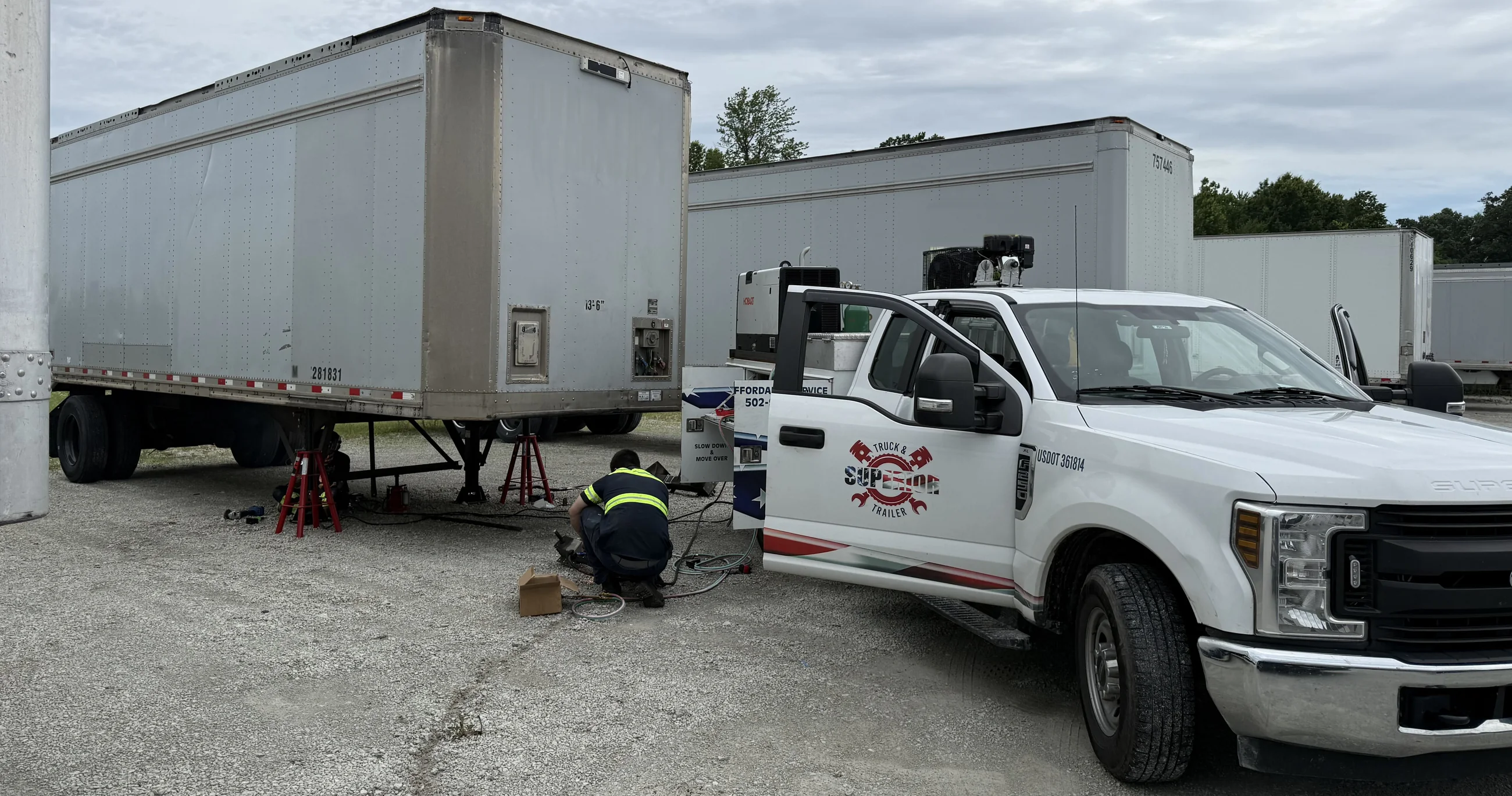
At Superior Truck and Trailer Repair, we are dedicated to assisting drivers, owner-operators, and fleet managers in remaining compliant and on the road. We offer a variety of preventative maintenance services aimed at helping you avoid costly downtime and ensuring your truck is ready for DOT inspections at select locations. Read on to learn more about common violations during truck inspections and how to keep your routes running smoothly.
Immediate Consequences of Failing a DOT Inspection
What happens if your truck fails a DOT inspection? When a vehicle fails a DOT inspection, the enforcement officer must make an immediate decision regarding its ability to continue operating. The severity of the violations will determine if you receive citations and fines or face an out-of-service (OOS) order, which means your truck will be taken out of service. Inspectors follow strict FMCSA inspection rules during this process.
If your vehicle fails, the inspector will issue citations and fines for any documented violations and provide you with paperwork detailing the specific issues with your truck. You may also receive an immediate out-of-service notice, which can lead to costly towing fees. If you do not receive an OOS notice, you will be given a timeframe within which you must correct the inspection violations to remain compliant.
Can You Keep Driving After a Failure?
Your ability to continue driving after a roadside inspection failure depends entirely on the specific violations identified during the inspection. The FMCSA has strict out-of-service criteria that determine when a commercial vehicle poses an immediate safety risk.
Non-Critical Violations That Allow Continued Operation:
– Minor lighting issues that do not affect visibility.
– Documentation problems or missing paperwork.
– Equipment defects that do not compromise immediate safety.
– Violations with fix-it timeframes.
– Problems that can be resolved at the destination.
Critical Violations Resulting in Immediate Shutdown
– Defects or failures in the brake system.
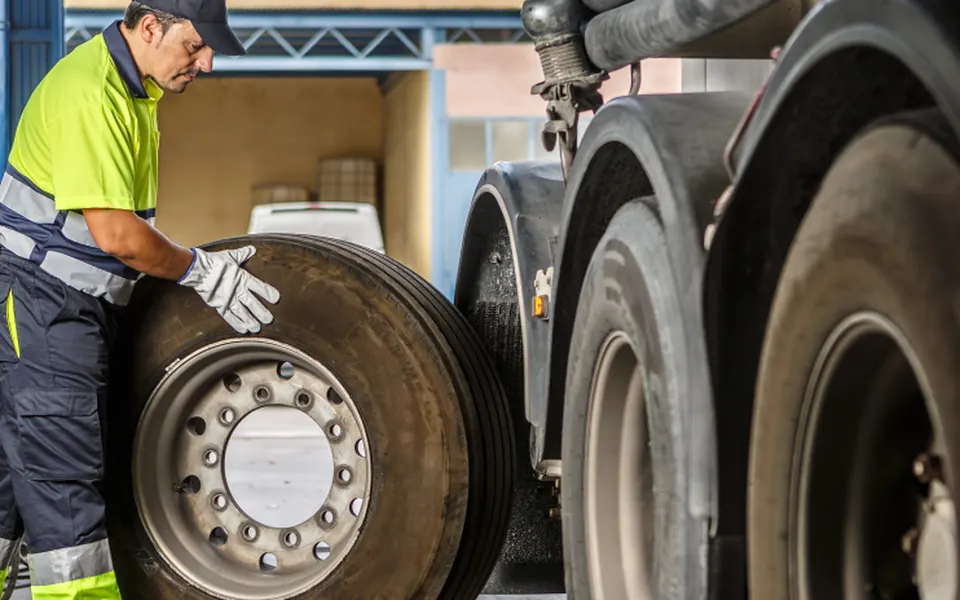
– Tire issues, including tread depth or damage.
– Malfunctions in the steering system.
– Failures in load securement.
– Hours-of-service violations.
When and Why an Out-of-Service Order Is Issued
Enforcement officers issue out-of-service orders when they identify violations that present immediate safety risks, in accordance with specific FMCSA criteria. This decision is guided by federal regulations rather than individual officer judgment, and it applies to drivers, vehicles, or carriers based on the nature of the violation.
Vehicle Orders:
– Brake issues and system malfunctions.
– Steering problems that compromise control.
– Tire challenges, such as improper tread depth or damage.
– Structural concerns that undermine vehicle integrity.
Drivers are prohibited from moving the vehicle until these issues are resolved.
Driver Orders:
– Violations of hours-of-service regulations.
– Issues with medical certification.
– Problems with commercial driver’s licenses.
– Failures in drug and alcohol testing.
These factors render drivers unable to operate any commercial vehicle.
Carrier Orders:
– Patterns of violations across fleet operations.
– Operating without the necessary authority.
– Systematic failures in safety compliance.
These issues impact all vehicles and drivers within the company.
Common Violations That Lead to Out-of-Service Orders
Recognizing the most common inspection failures can help you prioritize maintenance efforts in areas that frequently result in out-of-service orders. Here are the primary categories of truck inspection violations:
– Brake System Defects: Air leaks, inadequate braking power, and missing or damaged components.
– Tire Violations: Tread depth below acceptable levels, damaged tires, and incorrect sizing.
– Lighting and Electrical Issues: Burned-out lights, malfunctioning turn signals, and missing components.
– Hours-of-Service Problems: Errors in electronic logging devices, incomplete logs, duty status violations, and lack of adequate rest periods.
Driver vs. Vehicle Violations
Recognizing the distinction between driver and vehicle violations, along with the appropriate steps following a failed DOT inspection, is crucial for effectively addressing any inspection failures. These classifications determine who is responsible for corrections and what must be done to get back on the road.
Driver Violations:
– Issues with hours-of-service and log compliance.
– Problems with medical certification or outdated physical examinations.
– Complications regarding commercial driver’s licenses.
– Failures in drug and alcohol testing.
These violations are attributed to the driver, regardless of the vehicle used, often necessitating waiting periods or specific corrective measures.
Vehicle Violations:
– Mechanical failures and defects.
– Brake and tire issues.
– Problems with lighting and electrical systems.
– Structural damages that compromise safety.
These violations may halt the operation of specific trucks until necessary repairs are made but do not impact the driver’s ability to work. Repairs typically require certification from a qualified mechanic.
Combination Violations:
– Issues with load securement affect both drivers and vehicles.
– Violations related to hazardous materials.
– Problems with weight and dimensions.
These types of violations can lead to both driver and vehicle out-of-service orders.
Understanding Out-of-Service Orders
What occurs if your truck fails a DOT inspection and receives an out-of-service (OOS) order? An OOS order legally prohibits any further operation until the violations are rectified. Continuing to use a vehicle or driving under an active OOS order can lead to significant penalties.
Legal repercussions for breaching an OOS order:
– Fines reaching up to $25,000 for continued operation.
– Potential criminal charges for intentional violations.
– Additional CSA points and negative impacts on safety scores.
– Risk of license suspension or revocation.
– Increased penalties for repeated violations.
Documentation to Lift Orders:
– Vehicle repairs must be certified by a qualified mechanic.
– Driver-related violations call for medical updates or log corrections.
– Evidence proving all cited issues have been addressed.
– Verification through re-inspection for complicated repairs.
– Correct paperwork should accompany the vehicle during future inspections.
Enforcement agencies exchange out-of-service information across different regions, making it impossible to evade compliance by moving between states. The violation impacts your record and influences future inspections, independent of where it happened.
Impacts of Failed Inspections on Carriers and Drivers
Failed inspections lead to immediate costs and long-term repercussions that extend well beyond the moment a vehicle is stopped. Grasping these implications is crucial for both drivers and fleet managers.
Consequences of CSA Scores
The Compliance, Safety, Accountability (CSA) program assigns severity points for each violation identified during inspections. These points can significantly affect your safety profile and the overall operations of your business.
Here’s how CSA scoring influences your operations:
– Points accumulate over a period of 24 months, impacting safety scores.
– Higher scores result in more frequent inspections.
– Recent violations are weighed more heavily than older ones.
– Out-of-service violations carry the highest point values.
– Scores remain visible for a full 24-month timeframe.
Consequences of CSA Scores:
– Increased frequency of roadside inspections.
– Greater scrutiny from enforcement personnel.
– Potential interventions from FMCSA for low scores.
– Challenges in securing high-quality freight and contracts.
– Stiffer penalties for repeat violations.
Insurance and Reputation Concerns
The repercussions of failed inspections are not limited to immediate fines and downtime; they also have lasting effects that affect relationships with insurance companies and clients, as safety data increasingly informs business decisions.
Insurance Implications:
– Premium hikes linked to CSA scores.
– Possible cancellation of policies for poor safety records.
– Higher deductibles for carriers that have violations.
Impact on Business Reputation:
– Brokers consider inspection history when choosing carriers.
– Poor safety scores restrict access to desirable freight.
– Securing long-term contracts becomes more difficult.
Returning to Service After a Violation
To return to service following an out-of-service order, specific steps and proper documentation are necessary. Understanding these requirements will help minimize downtime and avoid further penalties.
For Vehicle Violations:
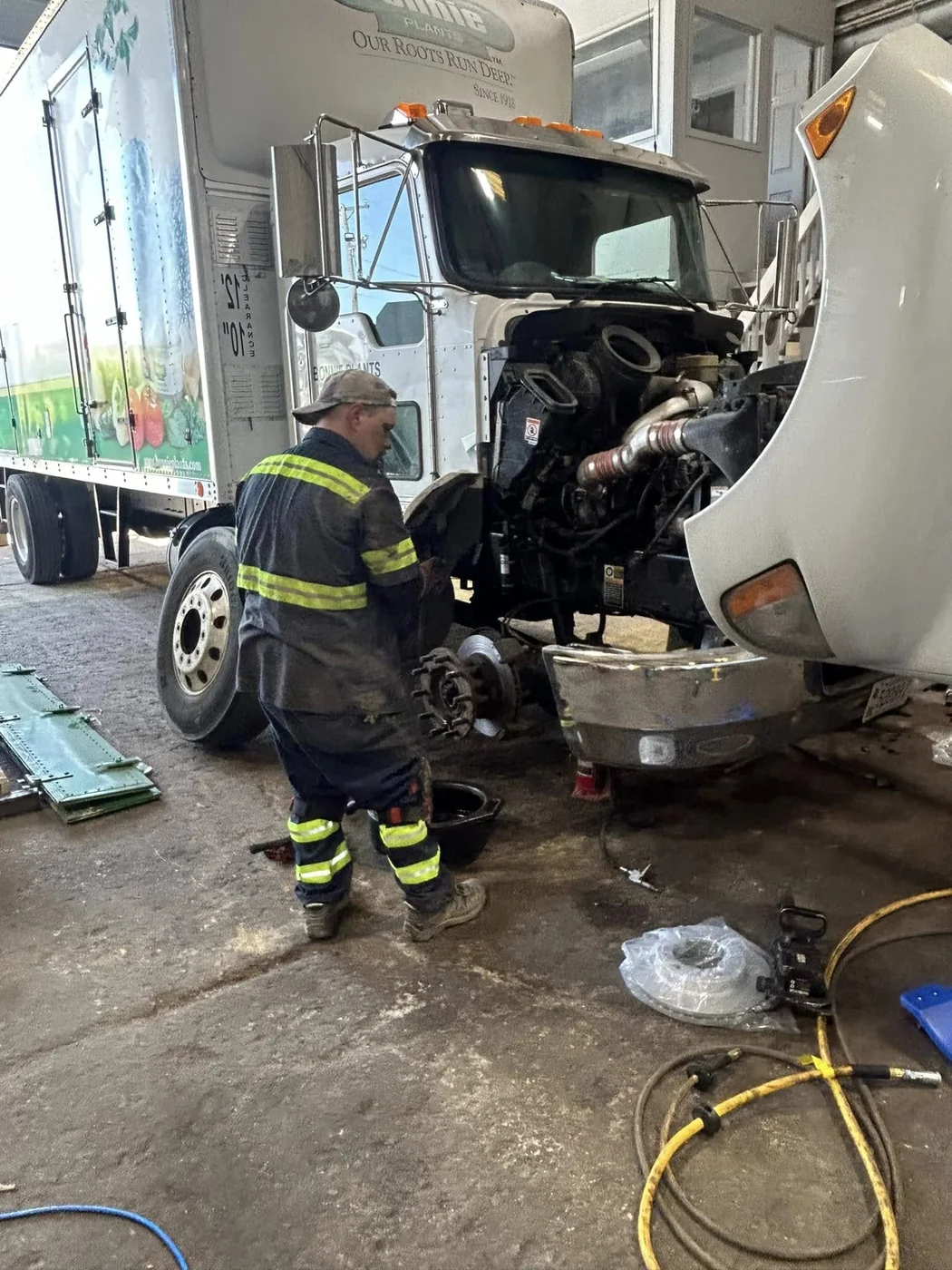
– Obtain qualified repairs from certified mechanics.
– Attain written proof that all defects have been corrected.
– Ensure all repairs comply with relevant safety standards.
– Retain all repair documentation within the vehicle.
– Some violations may necessitate a re-inspection before the vehicle can return to service.
For Driver Violations:
– Fulfill mandatory rest periods for hours-of-service violations.
– Update medical certifications or undergo required physical examinations.
– Correct any issues with electronic logging devices.
– Provide necessary documentation to enforcement officials.
– Wait for clearance before resuming operations.
Documentation should be kept available for verification during future inspections. Officers can request additional information if there are concerns regarding repairs or compliance.
Preventing Future Failed DOT Inspections
Proactive maintenance and thorough preparation are the best defenses against DOT inspection failures. Concentrate on common issues that often lead to violations.
Key Maintenance Focus Areas:
– Develop comprehensive maintenance schedules for brake systems.
– Regularly monitor tire conditions, replacing them before reaching legal limits.
– Frequently check all lighting systems.
– Keep accurate hours-of-service logs and documentation.
– Address mechanical issues before they escalate into safety risks.
Advantages of Professional Maintenance:
– Routine oil changes enhance overall reliability.
– Air filter replacements help prevent engine malfunctions.
– Professional tire repairs tackle issues before they can lead to violations.
– Comprehensive preventive maintenance identifies problems early on.
– LubeZone locations with certified inspectors assist in maintaining compliance.
Ultimately, it’s always more cost-effective to invest in preventive measures than to deal with the expenses stemming from violations. Failed inspections can incur immediate costs and cause long-term damage to safety scores and business reputation that far outweigh the benefits of regular maintenance and professional inspections.