






Tackling The Invisible Culprit of Soot Buildup In Your Semi Truck
Your semi-truck has a silent enemy that can cause damage to its engine – soot accumulation. The black powdery material is created when diesel fuel fails to burn fully, and it can quietly…

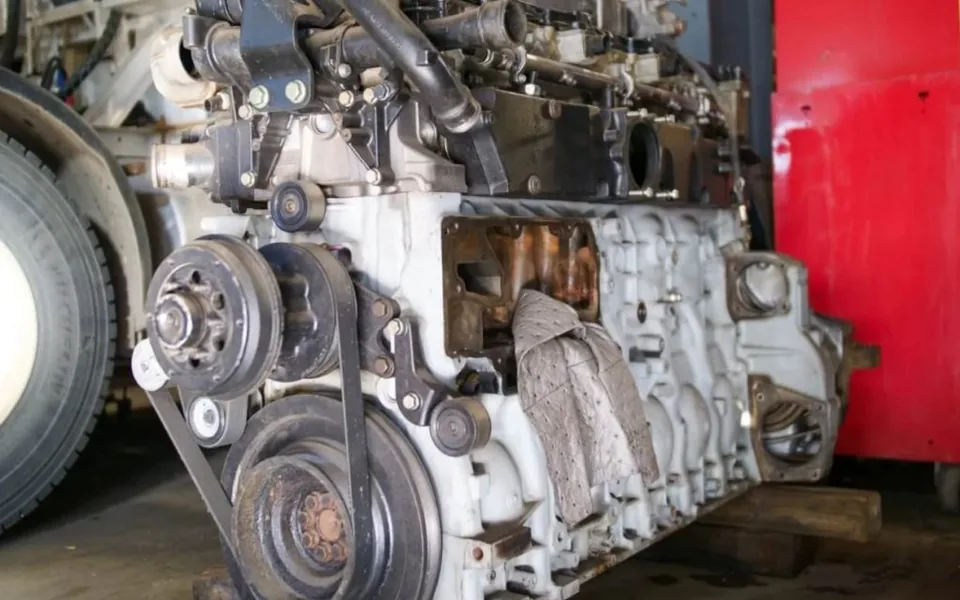
Your semi-truck has a silent enemy that can cause damage to its engine – soot accumulation. The black powdery material is created when diesel fuel fails to burn fully, and it can quietly harm your truck’s performance.
Not only does soot reduce your engine horsepower, but it also creates a ripple effect of issues by concealing the critical sensors within your system. The sensors need to be kept clean in order to provide the correct reading to the computer in your truck, which then delivers the correct blend of fuel and air to burn correctly.
The good news is that you have a say in soot accumulation. Through regular maintenance of your sensors, safe driving habits, and preventive maintenance, you can defeat this common arch-nemesis of diesel engines. Continue reading to delve into the realm of soot and provide you with tips on how to protect your semi truck’s performance and lifespan.
Understanding Soot Buildup in Diesel Engines
Soot in your diesel engine occurs as a consequence of incomplete combustion during the operation of the engine. When fuel particles fail to burn fully in the combustion chamber, they create these small carbon particles we call soot.
The air-fuel ratio plays a critical role in soot formation:
- Rich fuel mixtures (too much fuel, not enough air) create excessive soot
- Poor atomization prevents proper fuel-air mixing
- Improper fuel spray patterns from injectors lead to uneven combustion
Your engine’s injector spray patterns significantly impact soot production. These patterns determine how well fuel:
- Disperses throughout the combustion chamber
- Mixes with available air
- Burns during the combustion process
Today’s fuel systems under high pressure assist in soot reduction through improved atomization. Cold starts, low engine loads, and poor tuning still cause conditions that produce excessive soot. Low-quality diesel fuel with elevated sulfur levels and emissions also allows for soot to form in your engine.
Effect of Soot Accumulation on Semi Truck Performance
Filthy sensors can ruin your semi truck’s performance. When soot builds up on crucial sensors, your engine computer gets incorrect data, causing:
Reduced Power Output: Your truck struggles to maintain speed, especially during uphill climbs
Erratic Throttle Response: Unexpected acceleration or deceleration when you least need it
Poor Fuel Economy: A noticeable drop in MPG – some drivers report losing up to 1 mile per gallon
Trying to make up for power loss by fuel dumping excessive quantities creates a vicious loop. Fuel dumping raises exhaust temperatures to potentially dangerous levels, causes additional soot to deposit on your engine, drives engine components to wear faster, and produces more toxic emissions.
Your truck’s sensors are programmed in real-time at high speed, and computers anticipate instant, accurate measurements. When sensors clog or fluctuate, your engine performance is affected. A simple indicator of sensor-related issues is declining MPG – a clear signal it’s time to inspect your sensors and address potential soot buildup.
Preventing Excessive Soot Formation in Your Semi Truck
Your truck’s after-treatment systems and EGR valves play a crucial role in minimizing soot production. Resist the temptation to modify these components – they’re engineered specifically to maintain optimal engine temperatures and longevity.
Special Considerations for High-Mileage Engines
High-mileage engines require special attention when it comes to soot prevention:
- Cold starts
- Low engine loads
- Improper tuning
- Poor combustion conditions
These factors contribute significantly to soot formation, especially in older engines lacking advanced emissions controls.
Key Maintenance Practices for High-Mileage Engines
A well-maintained engine at 600,000 miles with 12,000 hours can still perform excellently. Key maintenance practices include:
- Regular valve adjustments
- DPF filter replacement at 400,000 miles
- EGR cooler inspections
- Maintaining optimal duty cycles (80% highway driving)
Pro tip: Load your truck properly during highway runs. This ensures complete combustion and reduces soot formation. Your EGR system needs consistent care – clean components regularly and monitor your DPF health to prevent excessive buildup.
The Role of Sensor Maintenance in Tackling Soot Buildup
Your semi truck’s sensors act as vital health monitors, but soot accumulation can blind these essential components. Key sensors requiring regular inspection include:
- Delta pressure sensors (DPF and EGR valve monitoring)
- Exhaust gas pressure sensor
- EGR differential pressure sensor
- Temperature sensors
- Intake manifold pressure sensor
- Boost sensors
- Crankcase pressure sensor
These sensors operate in parallel real-time at high speeds, computing critical measurements such as fuel-air ratios that directly affect your truck’s MPG. A plugged-up sensor can result in erratic readings, creating performance problems and increased soot emission.
Cleaning Your Sensors
You should generally be able to clean most sensors with brake cleaner or carburetor cleaner. Just be careful doing this so you do not damage these delicate pieces of equipment. On the X15 engine, the exhaust pressure sensor will be located in front of the exhaust manifold.
Maintenance Schedule
We recommend annual inspection and cleaning of sensor ports and components. This preventive measure helps maintain accurate readings and optimal engine performance. A handheld monitor can help you check pressure readings – any irregularities typically indicate a clogged sensor that needs attention.
Additional Strategies for Maintaining a Clean Diesel Engine
Your diesel engine’s health depends on a proactive maintenance approach beyond sensor care. Here’s what you need to focus on:
Regular Oil Changes
- Use manufacturer-recommended oil grades
- Replace oil at scheduled intervals
- Consider oil analysis to detect early wear patterns
- Maintain proper lubrication to reduce friction and wear
Quality Fuel Practices
- Choose high-quality diesel fuel with low sulfur content
- Avoid fuel stations with questionable fuel quality
- Fill up at high-volume truck stops for fresher fuel
- Keep fuel tanks full to minimize condensation
Optimal Operating Conditions
- Load your truck at least 80% of the time on highways
- Complete all regeneration cycles as scheduled
- Avoid extended idling periods
- Maintain consistent driving patterns for complete combustion
Preventive Maintenance Schedule
- Replace filters according to manufacturer specifications
- Perform valve adjustments at 500,000 miles
- Monitor DPF health regularly
- Schedule EGR cooler inspections after 400,000 miles
They complement each other to reduce soot formation and provide maximum engine output. Regular maintenance causes parts to last longer and avoid expensive repairs later on.
Case Study: Realizing the Benefits of Tackling Soot Buildup in a Semi Truck
Observe Barry’s success with his semi-truck. Observing his performance decline, Barry took affirmative action to cure potential soot issues:
Initial Situation:
- MPG performance: 6.2 miles per gallon
- Signs of soot buildup affecting sensor readings
- Regular maintenance schedule needed adjustment
Actions Taken:
- Performed comprehensive overhead valve adjustment
- Implemented regular sensor cleaning routine
- Monitored MPG consistently to track improvements
Results:
The improvements were significant. Barry’s fuel economy rose from 6.2 to 7.2 miles per gallon – a whole mile per gallon. As this on-road illustration shows, soot-related problems and upkeep can conserve a lot of fuel.
Key Takeaway: Regular valve adjustments and proactive maintenance of sensors can keep your truck running at optimum. The recommended schedule is to get your valves adjusted annually, particularly beyond 500,000 miles, to prevent MPG loss and battle soot effect.
Choose Superior Truck and Trailer Repair
Need professional help with soot-related problems? Our experienced technicians specialize in diesel repair and semi-truck maintenance. Call us at (502) 789-6644 for expert assistance.