
Top Maintenance Tips For Peterbilt 567 Owners & Drivers
The Peterbilt 567 is designed to handle tough work tasks while carrying heavy loads throughout extended work periods which require constant equipment maintenance. The actual business…

The Peterbilt 567 is designed to handle tough work tasks while carrying heavy loads throughout extended work periods which require constant equipment maintenance. The actual business objective remains the same for both truck owners and fleet operators because they need to maintain 567 vehicles as safe and dependable machines which generate revenue. At Superior Truck and Trailer Repair, we work with working trucks every day, and we see a clear pattern.
Drivers and vehicle owners who maintain their equipment according to an established maintenance plan experience fewer breakdowns, lower unexpected repair costs, and higher resale prices for their vehicles at upgrade time. Peterbilt 567 drivers and owners should follow these maintenance recommendations because they will minimize equipment failures while maintaining steady operational expenses.
Build A Routine Around Your Real Duty Cycle
A Peterbilt 567 can live very different lives. Some trucks spend their days in stop-and-go construction zones, others pull heavy loads on highways, and some do a mix of both. That matters because “severe duty” service intervals often apply to vocational work, frequent idling, dusty job sites, short trips, heavy PTO use, or consistent heavy loads.
Your 567 requires service based on its operating environment because you should use service intervals as your initial point of reference. The environment you operate in requires you to decrease time intervals for parts that experience rapid wear especially filters fluids brakes and cooling system components. When you match maintenance to how the truck is actually used, you stop chasing problems and start preventing them.
Keep Your Pre-Trip And Post-Trip Inspections Consistent
Most people who need to repair equipment choose to fix major problems which existed before they started their repair work. A consistent inspection routine is still one of the highest return habits in trucking. You should prioritize testing these common equipment failure points: tires lights air leaks fluid levels wheel ends suspension and any part which appears to be malfunctioning. If you notice a tiny coolant leak or see a tire developing uneven wear or hear a new air leak sound, you should fix it because it will cost you a tow bill and lost cargo if you wait.
Here is a simple inspection pattern many drivers stick to: start at the driver side steer, walk the truck in one direction, and finish at the same point every time. The goal is not perfection, it is consistency.
Stay Ahead Of Engine Oil And Filter Service
Oil is cheap compared to engines. That is not a sales line, it is reality. Oil breaks down faster under heavy load, high heat, frequent idle time, and dusty conditions. The Peterbilt 567 often sees exactly those conditions.
Make sure oil changes are done on schedule, and pay attention to the oil quality you are using. If you are running extended intervals, oil analysis is worth it because it shows fuel dilution, soot loading, and early signs of internal wear before you feel a performance drop. If you are managing multiple trucks, oil analysis also helps you spot a unit that is trending worse than the rest, which is often your early warning for an injector issue, a DPF-related problem, or excessive idle time.
Do Not Ignore Small Coolant System Issues
Cooling system problems are one of the fastest ways to turn a good day into a shutdown. The 567’s cooling system works hard, especially in vocational setups where the truck is loaded, slow-moving, and operating in hot environments.
Check coolant level regularly, but also pay attention to what is happening around the level. A small drop that repeats is not “normal,” it is a leak or a pressure issue. Look for damp spots around hoses, the radiator, coolant connections, and the water pump area. Also check for soft hoses, bulging hoses, or clamps that are starting to cut into rubber. Replacing a hose and clamps early is a lot easier than dealing with an overheat event that warps components or causes head gasket trouble.
Keep Air Filters And Intake Plumbing Clean And Sealed
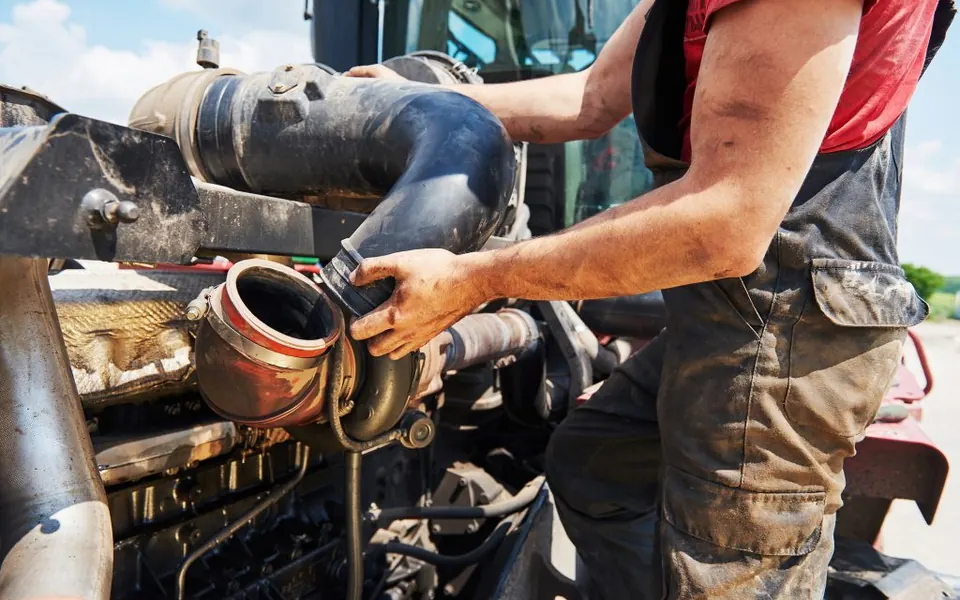
Peterbilt 567 trucks that work around dust, gravel, demolition, or agriculture can load air filters quickly. A restricted air filter can hurt performance and fuel economy, and it can add stress to turbocharger components over time.
The air filters must be replaced according to their scheduled maintenance and the air intake piping together with its boots needs to be inspected for any cracks or loose clamps. The intake leak allows unfiltered air to enter the engine which results in accelerated engine wear at a silent pace. You should inspect the intake system for problems when you observe unusual turbo sounds together with decreased power and increased exhaust temperatures.
Make PM Service Include Belts, Hoses, And Tensioners
People tend to disregard both belts and tensioners because these parts lack visual appeal while their failure occurs without obvious signs. A worn belt or weak tensioner can create charging problems, overheating, and accessory failures.
Technicians need to check belts during PM service for any signs of cracking, glazing, fraying, and uneven wear. Technicians need to verify the tensioner systems by examining both their movement patterns and their proper alignment. Your truck produces belt dust near its engine front area which indicates that the drive system needs to be fixed because it does not function properly. The system needs a 10-minute inspection to identify issues which require immediate repair to stop future roadside failures.
Take Brake Wear And Air System Health Seriously
Brakes serve as vital safety equipment, but they also create substantial operational expenses. Brake wear in construction or heavy hauling operations is, developing at a fast pace. You need to identify the problem at an early stage while maintaining a uniform distribution of weight across all axles. The brake inspection process must check the lining thickness and both the rotor and drum condition plus hardware wear and air system operational efficiency.
The presence of air leaks together with slow build times and weak air dryer performance leads to brake lag and ABS faults and air line moisture contamination issues. Moisture serves as a concealed threat which leads to corrosion and valve sticking and winter freeze-ups.
Protect Your DPF And After treatment With Better Habits
A lot of drivers only think about the aftertreatment system when a warning light shows up. By then, you are already behind. The 567’s aftertreatment system depends on proper exhaust temps and good engine health to regenerate correctly.
A few habits go a long way. Avoid excessive idle time when you can. Make sure the truck gets enough hot run time, especially if it does short routes or job-site work. Address check engine lights early because many of them are tied to sensors and conditions that can quickly lead to derates or forced regens. Also be careful about ignoring recurring regen issues, because that is often a clue there is an underlying problem like a failed sensor, an exhaust leak, injector issues, or a developing turbo problem.
If a truck starts needing parked regens more often, do not wait for it to get worse. That pattern usually gets expensive if you let it ride.
Watch For Uneven Tire Wear And Fix The Cause, Not Just The Tire
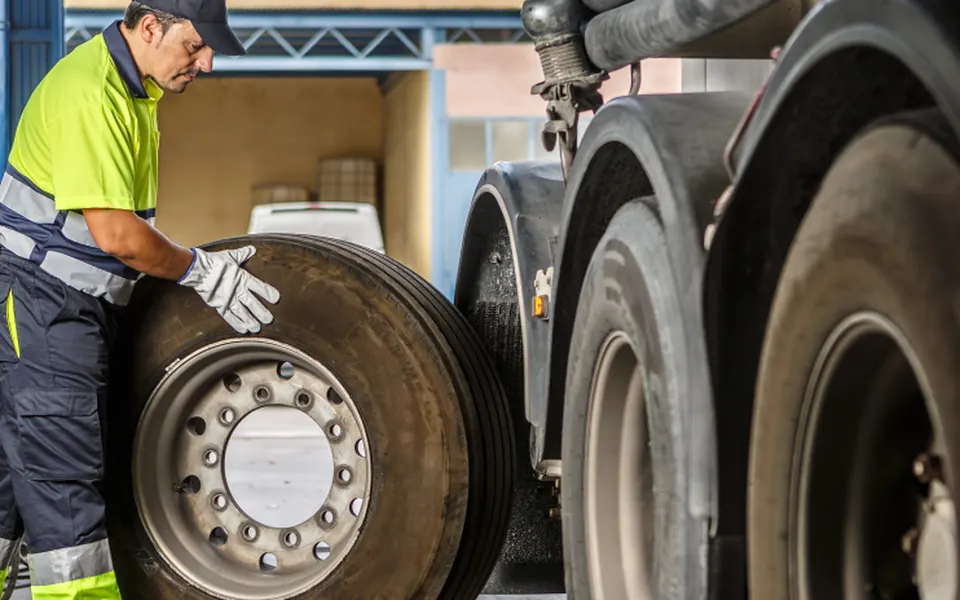
Tires provide accurate information about vehicle alignment and suspension systems and road conditions. Drivers who observe uneven wear on their steer tires should inspect their vehicle for alignment defects and kingpin wear and loose steering components and faulty tire pressure management. Drivers can determine suspension bushing wear and axle alignment problems and torque issues from examining drive tire wear patterns.
Keep tire pressures consistent and check them when tires are cold if possible. A good habit is to record pressures and tread depth during scheduled inspections. When you see a change, you can correct it early rather than replacing tires early and hoping the next set lasts longer.
Keep Grease Points And Chassis Lubrication On Schedule
The Peterbilt 567 often operates in conditions that punish joints and bushings. Regular maintenance of chassis lubrication protects essential components which include kingpins and steering parts and driveline U-joints and suspension points. People tend to ignore missed grease intervals until they experience steering problems that require repairs or they attempt to eliminate vibrations.
The truck should not exceed normal lube intervals when it operates in water and mud and dust and heavy loads. The small maintenance task leads to prevention of expensive costs which come from major component failures.
Make Transmission And Driveline Service Predictable
The truck can still operate properly through its transmission system when drivers choose to delay transmission service. The health of transmission fluids becomes critical in heavy-duty operations which involve continuous high-temperature and high-load conditions.
Establish a maintenance schedule to perform fluid and filter replacements based on your equipment usage. The symptoms of shifting difficulties and delayed driveline engagement and new vibration patterns should be monitored.
The symptoms begin as minor issues but they become more costly to fix when they reach advanced stages.
Keep Batteries, Cables, And Charging System Clean And Tested
Electrical problems can look random, but they are often caused by battery health, corrosion, loose connections, or weak charging. A vocational 567 with added equipment, PTO loads, lighting, and frequent starts needs strong electrical health.
Have batteries load tested regularly, not just voltage checked. Inspect cables for corrosion and rubbing, and make sure grounds are secure. If you have recurring electrical faults, slow cranking, or flickering lights, address it early because low voltage can also cause sensor faults that look like engine problems.
Use Maintenance Records To Make Smarter Decisions
A simple maintenance log helps you stop guessing. Track services, repairs, tire replacements, alignments, regens, fault codes, and anything that feels “off.” Over time, patterns show up.
For example, if one unit is going through brakes faster than others, it might be a driver habit issue, a load issue, or a mechanical issue like dragging brakes. If one unit keeps having aftertreatment warnings, it may have a duty cycle mismatch or a sensor trend you can handle before it derates. When you use records like a tool, you spend money where it matters and avoid repeat failures.
Two Quick Habits That Save The Most Money
Most maintenance advice gets too complicated. In our experience, two habits consistently save owners and fleet managers the most money over time:
- Catch small problems early by sticking to a consistent inspection routine and taking new noises, smells, leaks, and warning lights seriously.
- Service based on real use by adjusting intervals for heavy loads, dust, idling, and job-site conditions instead of relying on a generic schedule.
Schedule Service Before It Becomes An Emergency
The Peterbilt 567 is a tough truck, but it is still a machine that rewards attention. The best maintenance plan is the one you can actually follow, week after week, with clear intervals and quick inspections that prevent surprises. If you want help building a practical maintenance schedule for your specific 567 setup, or you need an issue diagnosed before it turns into downtime, call Superior Truck and Trailer Repair at (502) 789-6644 We will help you keep your truck on the road, earning, and ready for the next job.