






Understanding the Hazards of Transmission Fluid: Is It Flammable?
It is crucial for truck owners or operators to know the risk factors attached to a component in their vehicle, the very important vehicle transmission fluid. This fluid is extremely…

It is crucial for truck owners or operators to know the risk factors attached to a component in their vehicle, the very important vehicle transmission fluid. This fluid is extremely important in performing vital functions in the vehicle. It plays a very significant role in minimizing friction between moving parts and regulating the heat, thus ensuring the smooth functioning of the transmission system. Therefore, it facilitates and even sustains high levels of performance for the vehicle.
While it makes the entire system work as smoothly as liquid silk, there are questions concerning how actual transmission fluid is related to safety and flammability. Is transmission fluid a fire hazard? What happens when it overheats? How do you ensure that you and your vehicle are safe from possible threats?
Continue reading for more info on safety-related aspects of this material, possible risks involved, and safety measures that must be undertaken in order to operate your truck efficiently and safely. The composition and properties of transmission fluid Your transmission fluid is a precision cocktail of its components designed to shield your vehicle and improve its quality.
Let’s break down what makes this essential fluid work:
1. Base Oils
- Synthetic or mineral-based oils form the foundation
- Provides basic lubrication properties
- Creates stable liquid base resistant to temperature changes
- Maintains viscosity under varying conditions
2. Performance-Enhancing Additives
- Anti-wear agents to protect metal surfaces
- Oxidation inhibitors for extended fluid life
- Friction modifiers for smooth gear shifts
- Dispersants to keep contaminants in suspension
- Corrosion inhibitors to protect metal components
3. Fire Resistance Properties
The combination of base oils and additives creates a fluid that’s remarkably stable under normal operating conditions. Your transmission fluid isn’t highly flammable during regular use – it’s specifically engineered to handle the heat generated by your transmission system.
4. Flash Point Temperature
The flash point of transmission fluid typically ranges between 350°F to 450°F (177°C to 232°C). This high flash point means:
- Significant heat is required to produce ignitable vapors
- The fluid remains stable at normal operating temperatures
- Risk of auto-ignition is minimal under standard conditions
- Built-in safety margin for typical driving conditions
This chemical composition gives your transmission fluid good thermal stability so that it can maintain the required protective characteristics even when subjected to demanding situations. Such stability ensures that the fluid does not break down, thus protecting the working integrity of the transmission system during use.
The special composition of your transmission fluid matches safety concerns to performance needs and provides maximum protection with minimum risk during normal vehicle operation.
When it comes to making an assessment on the safety of transmission fluid for your vehicle, it’s important to have some perspective on how it compares in its flammability to other common automotive fluids. From the standpoint of flammability risk rather than the risk of being ignited within the specific engine component itself, it must be stated that under easily imagined circumstances of operational temperature or even an anticipated degree of leakage, the transmission fluid is on the whole far dimmer a sort of risk than that of gasoline or diesel fuel.
Here’s a quick comparison of flash points:
- Transmission Fluid: 350-450°F
- Diesel Fuel: 125-180°F
- Gasoline: -45°F
These temperature differences highlight why transmission fluid is considered a safer substance to handle in your daily operations. When gasoline might ignite at temperatures below freezing and diesel at somewhat lower, transmission fluid requires far greater temperatures before posing any fire hazard.
This added measure of stability is what makes the working fluid really good for your car’s transmission. The higher flash point serves as a safety margin during normal operation of the vehicle, but keep in mind that any automotive fluid may become a fire risk under extreme circumstances.
Risks Associated with Transmission Fluid Heating, Leaks, or Spills
Certain conditions can add to the hazards that the transmission fluid in your truck faces, leading to performance deficiencies and being dangerous to use. Here are a few pertinent ones that need your due attention:
Overheating Causes and Consequences
Some causes leading to a rise in temperature of transmission fluids include excessive load on a vehicle, low transmission fluid level, old or contaminated fluid, faulty cooling systems, and extreme driving conditions.
Overheating transmission fluid not only affects the working fluid of a truck but also creates a fire hazard. At extreme temperatures, certain properties of the transmission fluid start to break down, making the fluid less effective and opening it up to even more potential danger of ignition.
Leak and Spill Dangers
Your transmission system contains multiple connection points where leaks can develop:
- Transmission pan gaskets
- Input/output shaft seals
- Fluid lines
- Cooler connections
These leaks become particularly dangerous when the fluid makes contact with:
- Hot engine components
- Exhaust systems
- Electrical components
- Other potential ignition sources
The risk intensifies in heavy-duty trucks due to:
- Higher operating temperatures
- More complex transmission systems
- Greater fluid volumes
- Extended operating hours
In the beginning, a small leak may seem unimportant, but slowly it can reach heights to become a safety inferno. Transmission fluid can drip onto hot surfaces, above temperatures of 350°F. Now, there are conditions in which ignition will occur.
Performance Impact
Beyond the fire risks, these issues can lead to:
- Reduced transmission efficiency
- Increased wear on components
- System failure
- Costly repairs
- Extended downtime
Burning smells, leaking fluid under the truck, or erratic gear function may provide hints as to what is happening with your transmission system.
Preventive Measures for Safe Handling and Maintenance of Transmission Fluid
The safe, clean condition of your transmission fluid requires active care and handling. The following can be listed among the important points in handling and maintenance:
Routine Maintenance
Check fluid level regularly during inspections. Change it up in case it’s found to be dirty or contaminated according to the instructions of the manufacturer so that you do not only lie down. Also, injectable oil to avoid such risks within the set time frame, check for possible leaks during pre-trip inspections. A well-maintained logbook should be kept for the vehicle where all dates of the fluid changes and inspections are recorded.
Safe Storage
All the transmission fluid must be stored in approved containers to avoid leaks or contamination. Safe locations need to be chosen for these containers, as much as possible in well-ventilated spaces where there are little chances for accumulation of potentially harmful vapors. Such storage places should not be subjected to direct sunlight and heat sources, as too high a temperature can be detrimental to the fluid and can increase the probability of fire. The quality of transmission fluid will remain intact, and accident safety will improve, provided that the temperature at the storage is maintained below 120°F.
Safe Handling
Whenever dealing with transmission fluids, it is important to have the right personal protective equipment and measures to avoid exposure to skin or eyes. Spills should be cleaned with suitable absorbent immediately to minimize possible slips and fire hazards. Proper funnels and equipment should be used during fluid transfer to minimize leaks and exposure; use all closed containers when not in use to minimize contamination and prevent evaporation of contaminants.
Property Protection at Work
Open a section to handle fluids within the maintenance area to control its environment and minimize risks of accidents. Install fire extinguishers and an emergency first aid kit to be readily accessible for immediate use in case of an incident. Install clear safety signs in the workplace as reminders regarding handling procedures and protocols for the employees. Maintenance of readily available safety data sheets giving relevant information on transmission fluid properties, hazards, and safe handling and emergency procedures.
Fluid management is vital to the safe functioning of your transmission system. This regular inspection and maintenance curtail potential hazards and hence enhance the life of the vehicle’s transmission. This proactive maintenance schedule will help to prevent some of the potential minor problems before they turn into serious safety hazards.
Emergency Preparedness for Transmission Fluid Incidents
Safety preparedness goes beyond prevention – you need a solid action plan for emergencies. A well-equipped truck should always have fire extinguishers readily accessible in case transmission fluid leaks occur.
Essential Emergency Equipment:
- Class B fire extinguishers (designed for flammable liquid fires)
- Spill containment materials
- Emergency contact numbers
- First aid supplies
Strategic Extinguisher Placement:
- Driver’s cabin
- Engine compartment
- Maintenance areas
- Storage facilities
Your emergency protocols should include clear steps for:
- Immediate evacuation procedures
- Fire extinguisher operation
- Spill containment methods
- Emergency services notification
Remember to inspect your fire extinguishers regularly and ensure they haven’t expired. Train your staff on proper emergency response techniques and conduct periodic safety drills. These preparations create a safer working environment and minimize potential damage if transmission fluid incidents occur.
Choose Superior Truck and Trailer Repair
The proper operation of your truck requires knowledge and respect for the properties of transmission fluid. Good being under normal conditions in themselves, they are flammable, maintenance in that respect would highly discourage any hazard; for example, it would involve regular checking for fluids, repairing leaks, and keeping the leveled amount of fluids at all times to minimize risks and safety while driving.
We recommend that you take these crucial safety measures: always check and maintain the proper levels of transmission fluid, attend to leaks immediately, only store fluids in open, ventilated areas, and keep on carrying out regular maintenance checks on the trucks. Also, replace dirty fluid on an immediate basis.
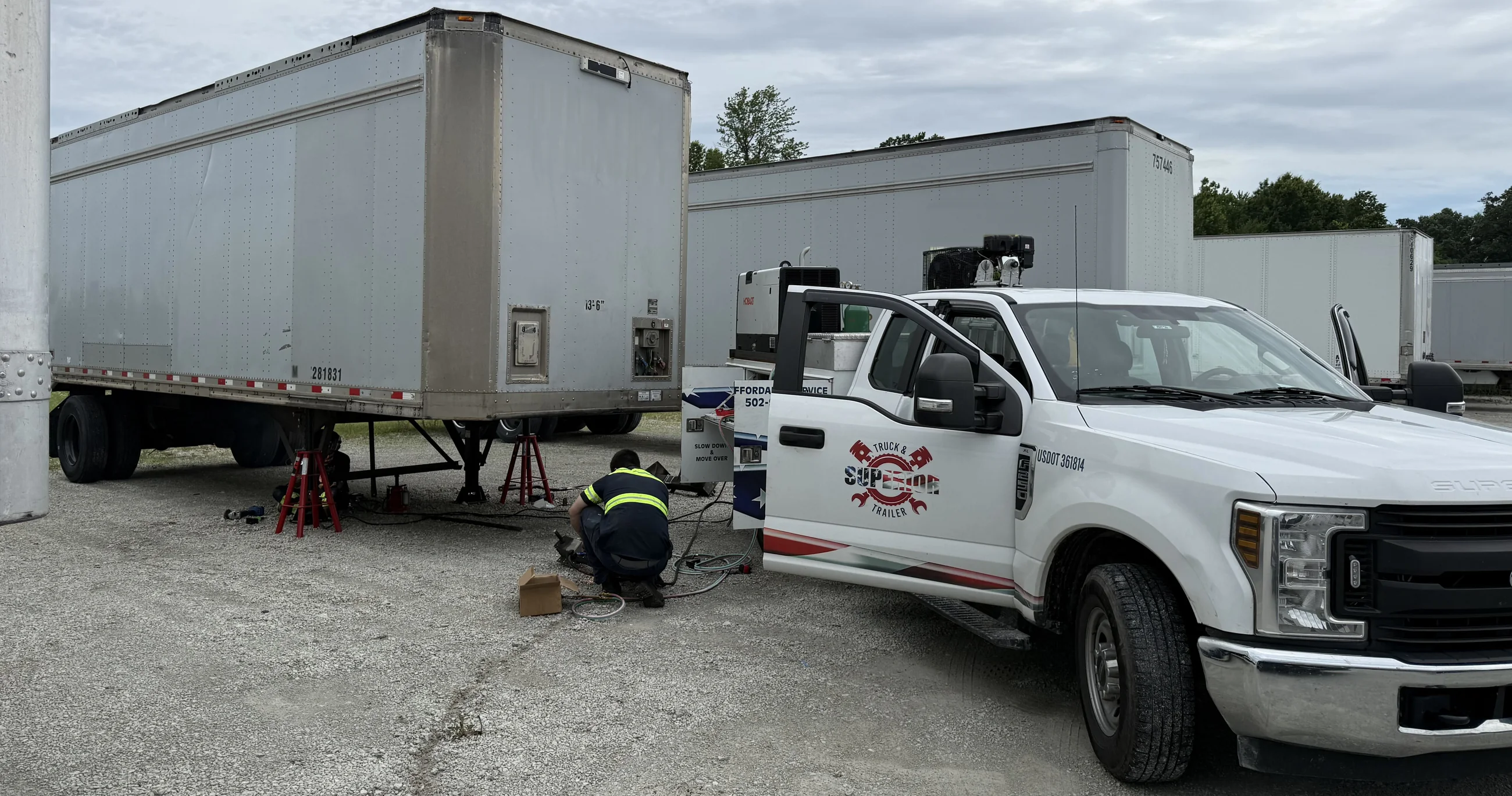
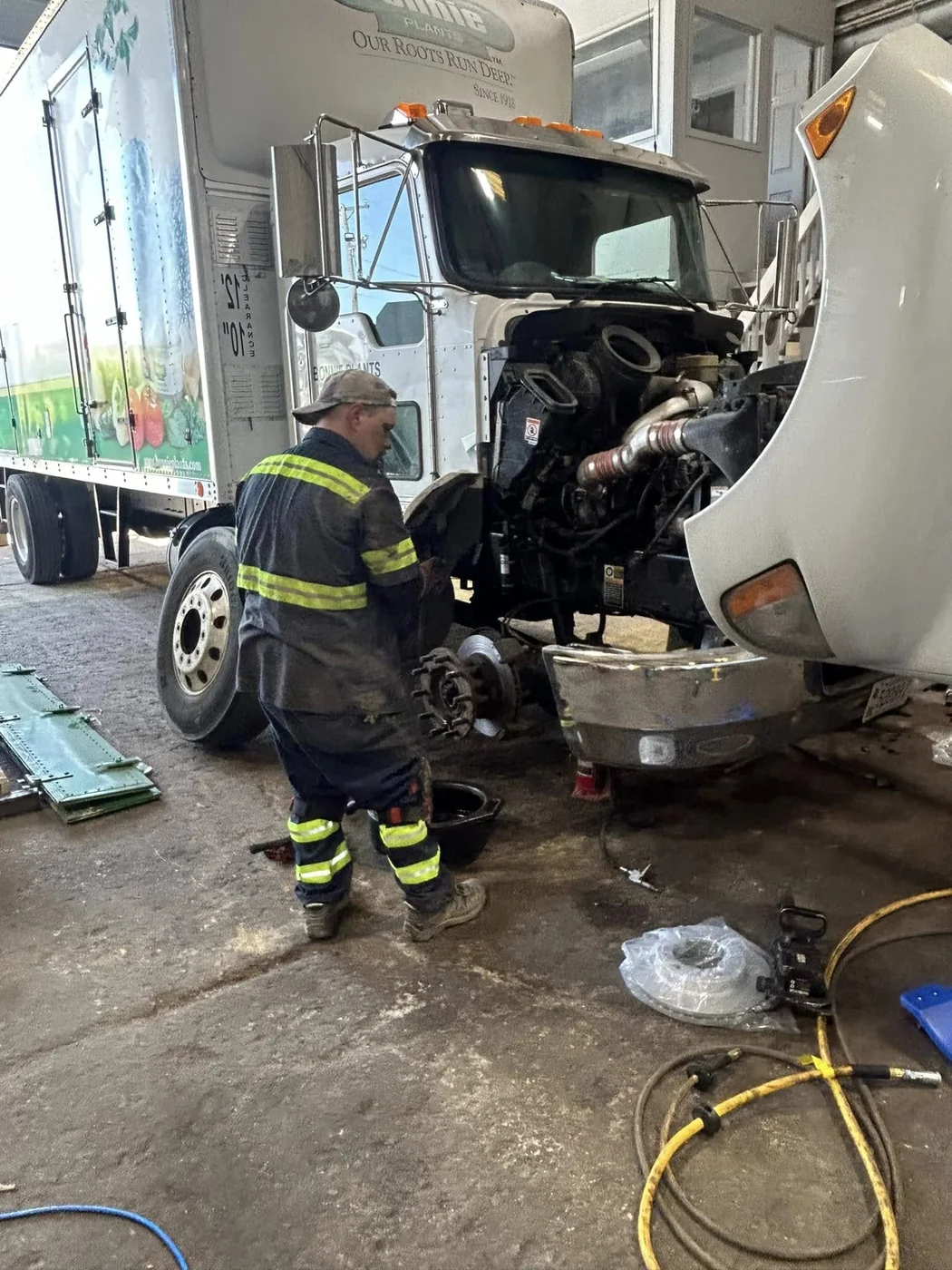
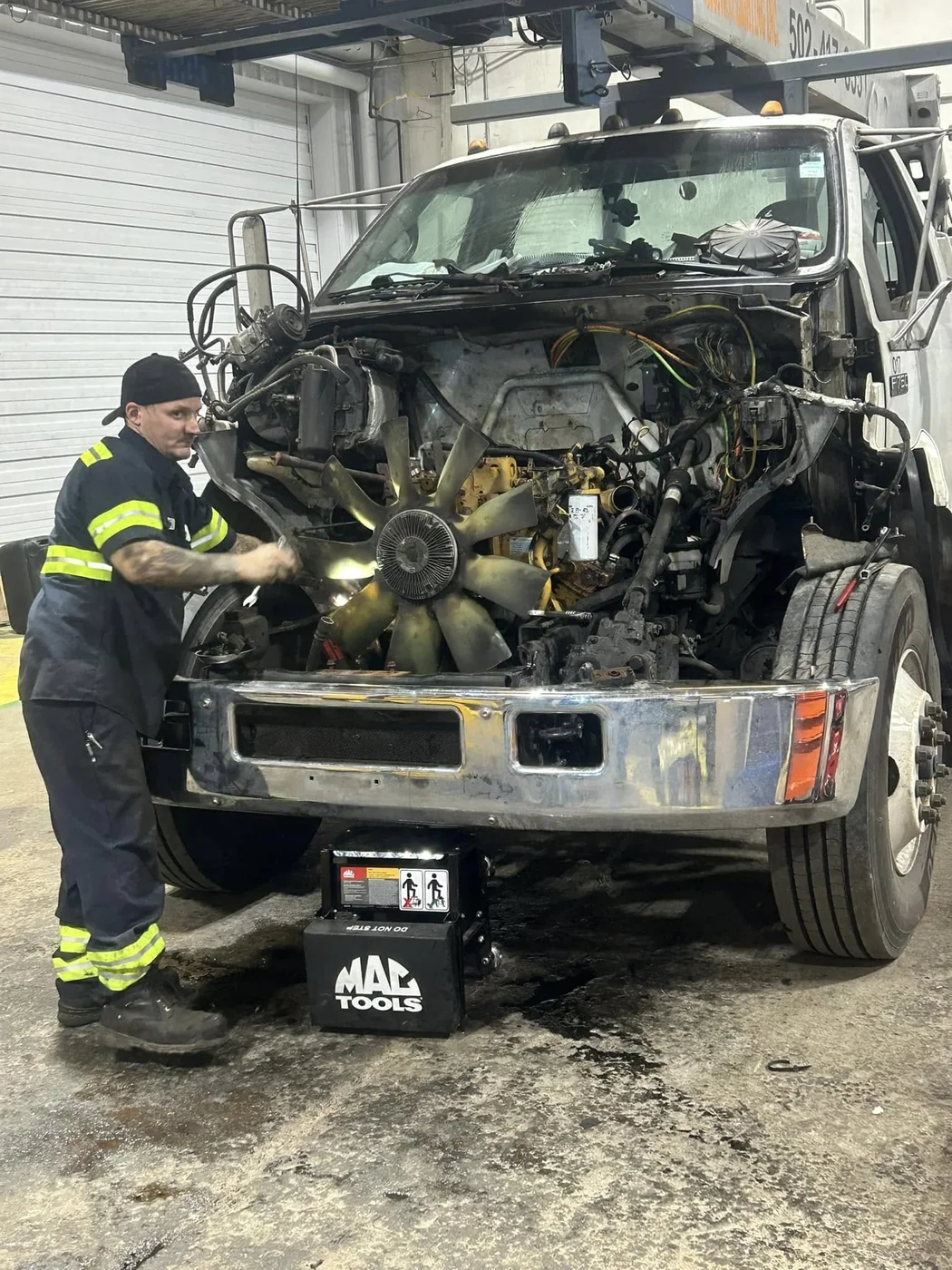
At Superior Truck and Trailer Repair, truck safety is our priority. Our expert technicians are proficient in diesel repair and semi-trailer repair, completing the obligations for maximum efficient operation of your transmission system.
Need professional assistance with your transmission fluid maintenance? Contact Superior Truck and Trailer Repair at (502) 789-6644. We’re here to keep your truck running safely and efficiently on the road.