What Diesel Truck Repair Shops Wish Drivers Checked More Often
Ask any shop that works on road trucks long enough, and you will hear the same thing: plenty of breakdowns had a warning sign. Not always a loud one. Sometimes it was a slow hiss, a little…

Ask any shop that works on road trucks long enough, and you will hear the same thing: plenty of breakdowns had a warning sign. Not always a loud one. Sometimes it was a slow hiss, a little wet spot on a hose, or a tire wearing funny on the inside edge.
At Superior Truck and Trailer Repair in Louisville, KY, we are not expecting every driver to crawl under the truck like a full-time mechanic. That is not the point. The point is catching the obvious stuff before it turns into a missed load, a tow bill, and one of those afternoons everybody would rather forget.
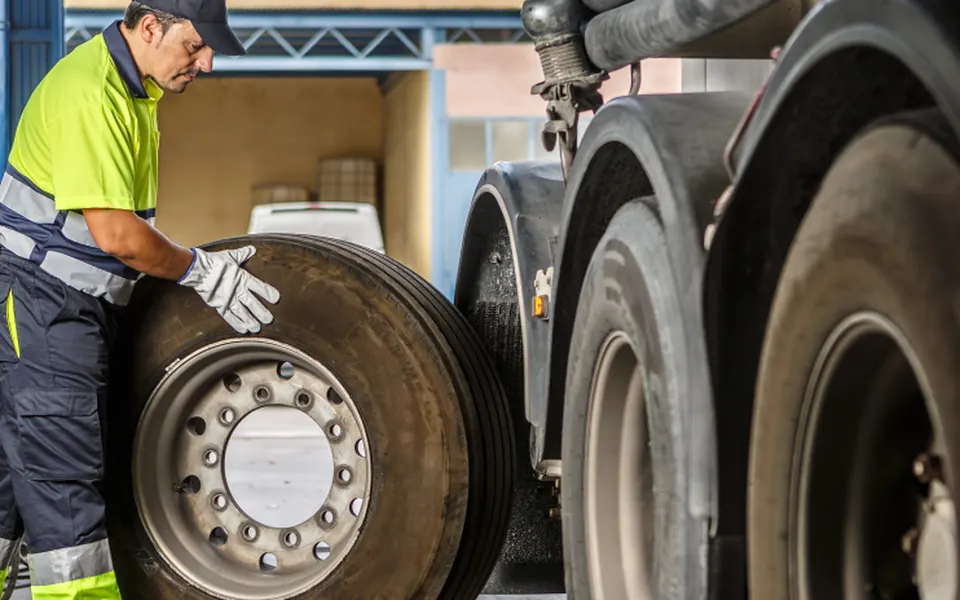
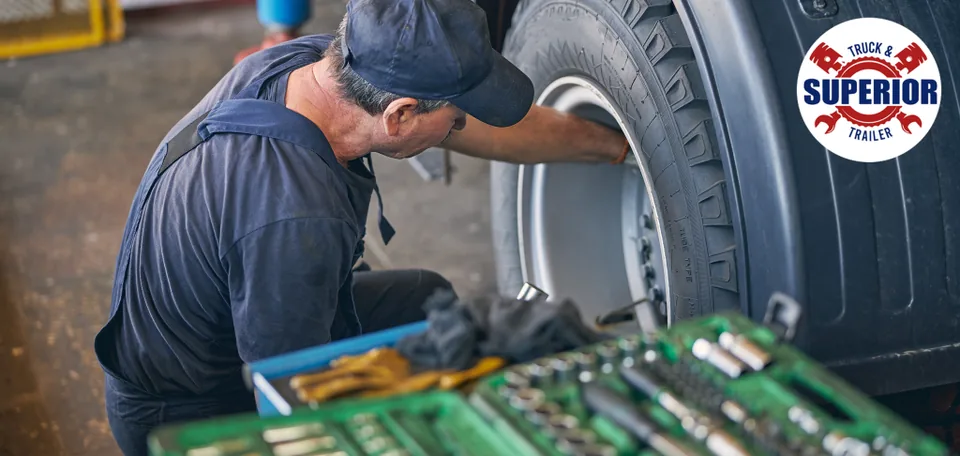
Tire And Wheel Checks That Save Loads
Tires are boring right up until they are not. Then they become the whole problem.
Before a run, look closer than a quick glance from the fuel island. Low pressure can hide pretty well, especially on a tire that still looks round. Once it runs hot on the highway, shoulder damage, irregular wear, and blowouts are not far behind.
Cuts, cords showing, sidewall bubbles, and odd wear patterns all deserve attention. Inside edge wear can point to alignment trouble. Cupping can point toward shocks or suspension. If the truck keeps eating the same tire position, the tire may be the victim, not the cause.
Wheel hardware matters too. Rust streaks around lugs, shiny metal dust, or one wheel sitting a little differently should get a second look. A loose wheel usually leaves breadcrumbs before it becomes dangerous.
Fluids And Leaks Drivers Often Miss
Not every leak makes a puddle. Some of the ones we worry about start as dampness, fresh grime, or that wet shine that keeps coming back in the same place.
Engine oil, coolant, power steering fluid, transmission fluid, and fuel all create different headaches. Coolant loss can turn into overheating in a hurry. Fuel leaks bring safety concerns. Oil leaks can get worse once the truck is hot and loaded.
A quick look around hoses, fittings, the radiator area, tanks, and under the engine can tell you a lot. And yes, actually checking levels still matters. Warning lights are useful, but they are not magic. Sometimes the dash speaks up after the problem has already had a head start.
Air System Habits That Prevent Brake Trouble
Air leaks are easy to get used to. That is what makes them sneaky.
Listen during pre-trip and after shutdown. Notice whether the system builds pressure like it normally does. Pay attention if it bleeds down faster than it used to. If you are draining more moisture than normal, that may be the air dryer trying to tell on itself.
Brake problems do not need to be dramatic to be serious. A slightly different pedal feel, slower air recovery, or a hiss that was not there last month is enough reason to have it checked.
Cooling System Red Flags That Turn Into Overheating
Overheating can get expensive before a driver has time to bargain with it. The cooling system is one place where little problems love becoming big ones.
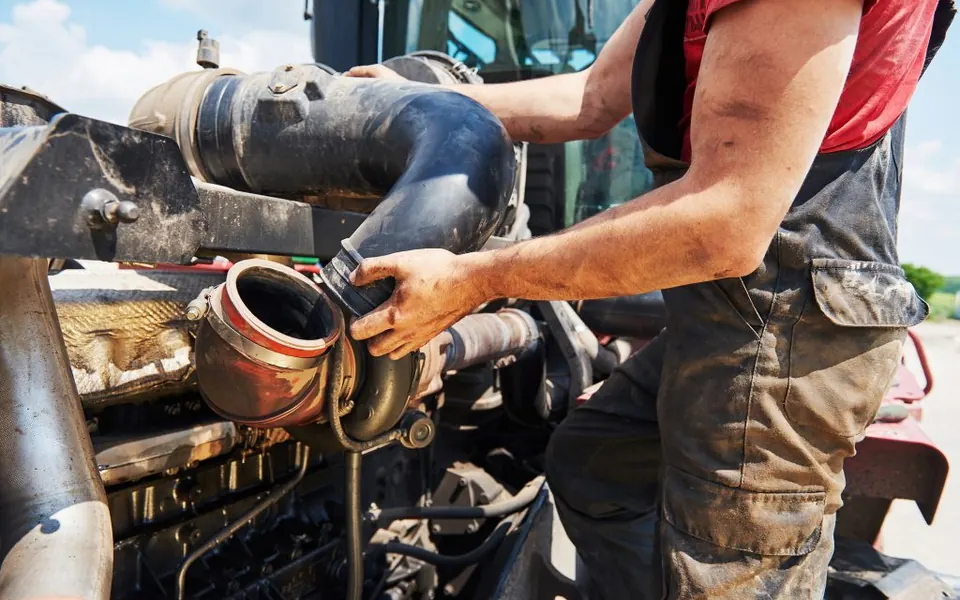
Look at coolant level, hoses, clamps, the radiator, and the charge air cooler area. A clamp can seep for days before it finally lets go under pressure. A hose can look decent until heat finds the weak spot. Dirt and debris packed in the cooling stack can raise temps, especially on hot days or long pulls.
If the truck is running warmer than it usually does on the same routes, do not shrug it off. Trucks have routines. When the routine changes, there is usually a reason.
Batteries And Cables That Cause No Start Calls
A no-start call is not always a bad battery. Plenty of times, the real problem is a cable, a connection, or corrosion that has been sitting there getting worse.
Look for white or green buildup around terminals, loose clamps, rubbed cables, or anything that looks cooked or cracked. Slow cranking is a clue. So are odd electrical glitches when you turn the key.
Connections are not glamorous. Nobody brags about clean battery cables. But they can save you from being stuck in a parking lot with a truck that suddenly wants to act difficult.
Lights, Reflectors, And Simple Electrical Issues
Lights are simple until they are intermittent. Then everybody gets annoyed.
Do a quick check before leaving, especially trailer lights. Watch for marker lights that flicker, fuses that keep blowing, or plugs and sockets that only work after somebody wiggles them just right. That is not fixed. That is a problem waiting for the worst possible timing.
Small lighting issues can lead to tickets, inspection trouble, and unsafe night driving. They are usually cheaper to fix before wiring gets worse or corrosion spreads.
DPF And Regen Signs Drivers Should Not Ignore
Aftertreatment trouble is one of those areas where hoping it clears can get expensive.
If regens are happening more often, taking longer, failing, or showing up with power loss and worse fuel mileage, pay attention. The root cause might be a sensor, dosing issue, exhaust leak, wiring fault, or something upstream making more soot than it should.
The truck may still run. That is the trap. By the time it derates, the repair usually costs more, and the schedule is already wrecked.
The Quick Walkaround We Recommend Before Every Run
A good walkaround does not need to be a production. It just needs to be consistent.
- Check tires, lights, visible leaks, wet fittings, loose hardware, and anything that looks different from yesterday
- Listen for air leaks, glance at gauges, and notice changes in voltage, temps, braking feel, vibration, or regen behavior
That little routine catches a surprising amount. It is not fancy, and it will not make anybody look like a hero. It just keeps preventable problems from sneaking up.
When To Call A Shop Instead Of Waiting
If a leak is spreading, warnings repeat, smells change, temperatures creep up, vibration shows up, or regens keep acting strange, that is the time to schedule service. Not after the truck forces the decision for you.
Waiting can turn a manageable repair into a major one. It can also turn a simple shop visit into a roadside call, and nobody needs that kind of character building.
Final Thoughts And Next Step
At Superior Truck and Trailer Repair in Louisville, KY, we help drivers and fleets stay ahead of problems because uptime matters. So does safety, and so does not burning money on repairs that could have been caught earlier.
If something feels off and you cannot pin it down, call (502) 789-6644 today. We can take a closer look and help you get back on the road with more confidence.