
Driving a Semi Truck Bobtail In The Snow: What You Should Know
Driving a semi through the snow is a challenge in and of itself, but add in some bobtailing, that’s driving without a trailer, for the layperson, and things become even more difficult. No…

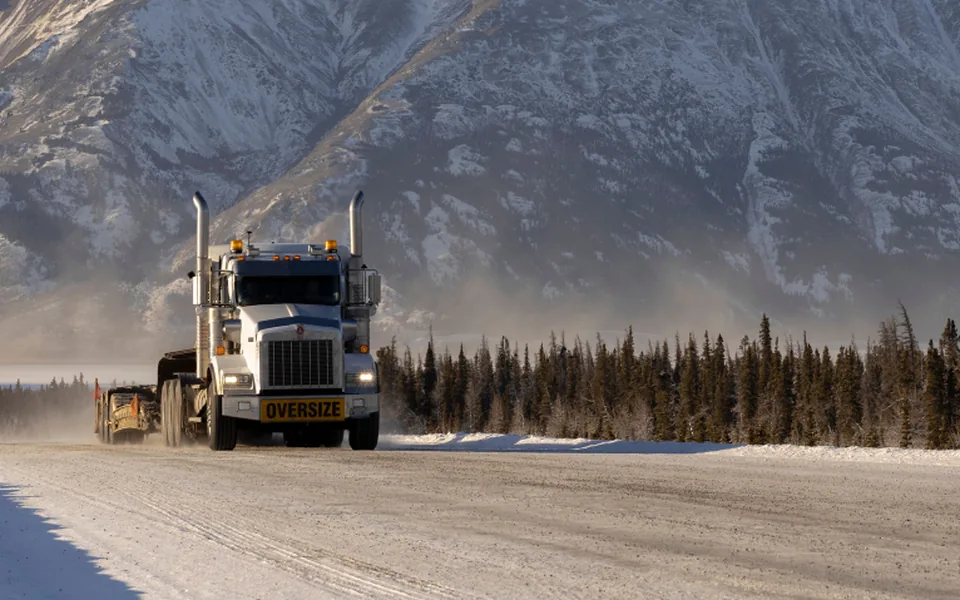
Driving a semi through the snow is a challenge in and of itself, but add in some bobtailing, that’s driving without a trailer, for the layperson, and things become even more difficult. No trailer dramatically alters the weight distribution of your truck, so the snow really becomes treacherous to drive on. Your semi is designed to operate most efficiently with a balanced load.
While you are bobtailing in snow, much of your truck’s weight rests forward over the engine, cab, and fuel tanks. This can easily cause poor traction on drive axles, increased risk of fishtailing, poor control on slippery surfaces, and unpredictable handling responses.
Snowy roads and an unbalanced truck are a combination that requires specific driving techniques and safety measures. We take you through the necessary strategies that will keep your rig in control on such roads. Whether you’re a seasoned driver or new to winter trucking, learning how to operate a bobtailing semi-truck in the snow may make all the difference between a safe drive and an unsafe one.
Why Bobtailing in Snow is Dangerous
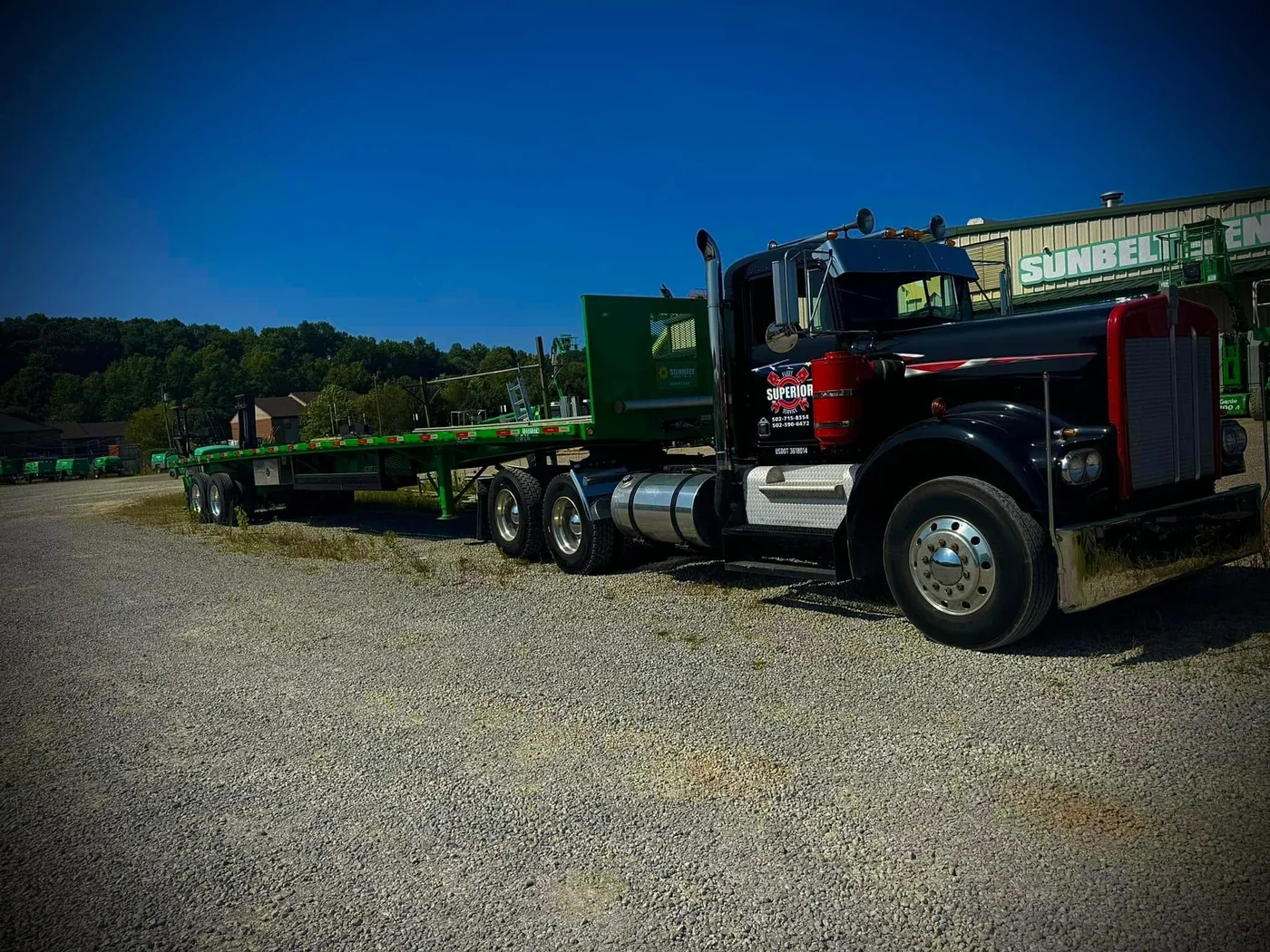
Driving a semi without a trailer in snowy conditions creates some unique challenges because of the dramatic shift in weight distribution. When you’re bobtailing, the majority of the weight concentrates forward of the tractor in the engine, cab, sleeper, and fuel tanks. The drive axles at the rear carry very little weight, which is quite the opposite of normal operations with a loaded trailer.
This uneven weight distribution becomes particularly hazardous on slippery winter roads. The lighter rear end can easily swing out during turns or sudden movements. Your drive tires lose crucial traction without the trailer’s downward force. The back of your truck becomes prone to fishtailing, a dangerous side-to-side swaying motion.
Semi trucks are designed to run with the trailers on. The trailer’s weight provides valuable stability and traction to the drive axles. Without this counterweight, your tractor is more susceptible to loss of steering control, unpredictable slides, inability to drive in a straight line, and spinning out.
The physics of bobtailing makes your truck handle differently than you might expect. A simple brake application or slight steering adjustment can trigger the back end to kick out, especially when traveling downhill on snow-covered roads. These handling characteristics demand heightened awareness and specific driving techniques to maintain control of your vehicle.
Key Strategies for Safe Bobtailing in Snow
Driving safely in snowy conditions requires specific strategies to keep your truck in control. Never drive faster than speed limits indicate in snowy weather conditions. Operate your truck 10-20 mph below the limit, as road conditions dictate. Modify your speed as visibility or road surface changes.
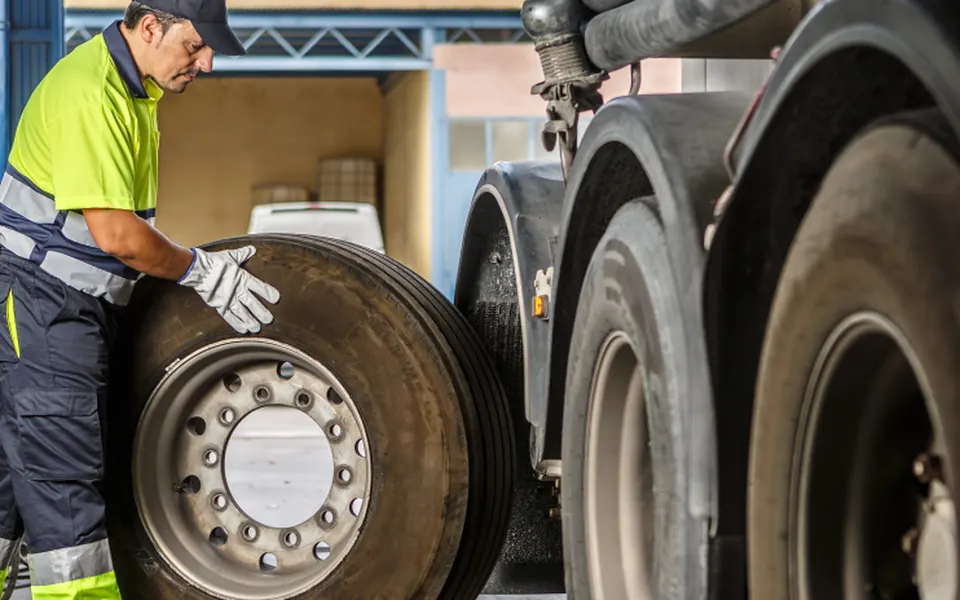
Your steering axle tires are your first line of defense against loss of control. Installing high-quality tires with deep tread patterns, regular tire inspections before the winter season, replacing worn steering axle tires immediately, and avoiding budget options on this very critical safety component are essential practices.
Strategic Fuel Management
Your fuel tanks can be a great stability tool. Keep tanks full to rated capacity to leverage that additional 2,000 pounds of fuel weight. This means better weight distribution on your tractor and increased ground pressure, which leads to increased traction. Topping off before hitting snowy roads and planning fuel stops around weather forecasts will keep things on the up and up. Additionally, maintaining a steady speed can help avoid sudden weight transfer.
All these, put together, make for safer driving on highways in bad winter conditions, from speed control to the distribution of weight. It is vital to be able to bobtail the snow with stability and full control. Remember, your truck is engineered to believe there’s a weight distributed from its trailer. The key idea to help offset that kind of missing weight is to balance out your vehicle to handle the snow this season.
Engine Braking Techniques and Keeping Your Eyes on the Road
When driving on snow without a trailer, how you brake makes all the difference between safety and disaster. Avoiding using your brake pedal is the cardinal rule that will keep your tractor’s rear from sliding out unexpectedly. Instead, use safer alternatives like your Jake brake or engine brake for your main source of slowing. Shift gears to maintain your speed and use the natural resistance of the engine to help control your speed.
Take extra care when driving downhill. Using the brake pedal on a slope makes your tractor more unstable than driving on flat ground. You are more likely to have the back end kick out when driving on a slope than on flat ground.
Operating Safely While Bobtail Driving in Snow
Equally important is being focused while driving bobtail in the snow. Keep both hands firmly on the steering wheel at all times. Always keep your eyes on the road conditions ahead. Stay attuned to how the truck feels. Slight side-to-side movement could mean a slide is starting. Be prepared to make quick corrections if the wheels begin to kick out.
Remember, driving bobtail in snow is not like regular trailer trucking, where you can relax and enjoy the view. It’s a serious drive that requires all of your attention. Just a moment is enough for the steering axle to grab a track and pull you off course or for the back wheels to lose their grip.
Addressing Visibility Concerns While Driving at Night
Bobtailing through snowy conditions at night creates some special visibility problems. Snow has a tendency to pack into your tractor’s tail lights while traveling, making it dangerous for traffic following you. A simple solution is to turn on your back bunk’s red lights – these auxiliary lights are higher up on your truck and generally stay snow-free, providing added visibility to oncoming traffic.
Prepare Your Truck Before Winter
Pre-winter preparation is key to safe bobtailing. Autumn is the best time to replace all worn rubber in order to have the deepest tread possible when the snow falls. Your steering axle tires are very special in that they are your first line of defense in case you lose control on slippery conditions. When replacement tires for the steering axle are to be fitted, do not compromise on the quality of the tires. Fresh rubber with deep treads offers superior grip and handling characteristics exactly when you need them.
Partnering with Reliable Trucking Companies and Ensuring Diesel Repair Services
2023 is a year full of challenges for truckers. It is very important to choose a good carrier that can provide stable income and professional support in extreme weather conditions. GP Transco is one of the good carriers providing first-year driver earnings between $80,000-$90,000, a comprehensive benefits package, 401(k) with matching contributions, and top-tier equipment maintenance, along with owner-operator opportunities.
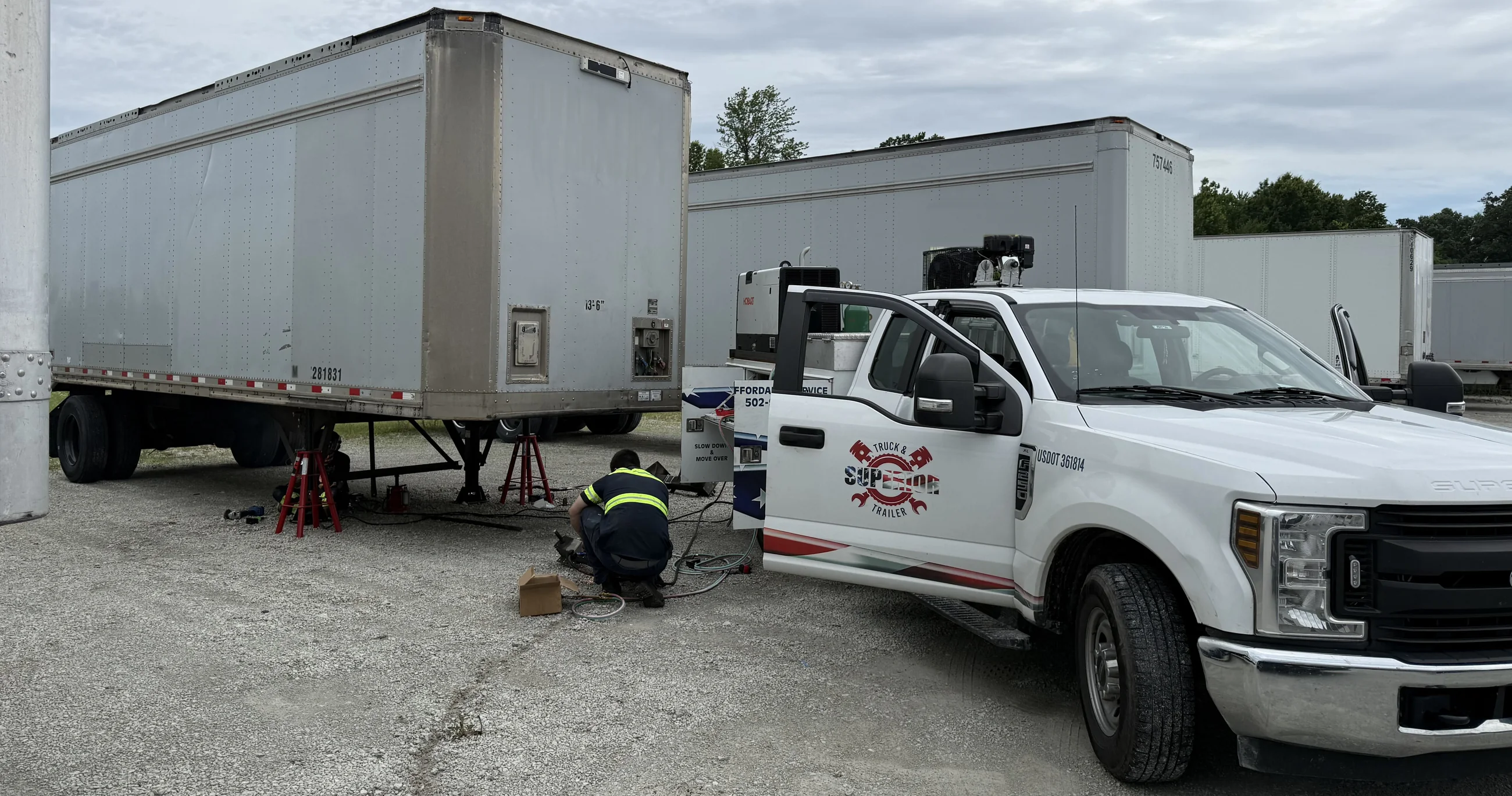
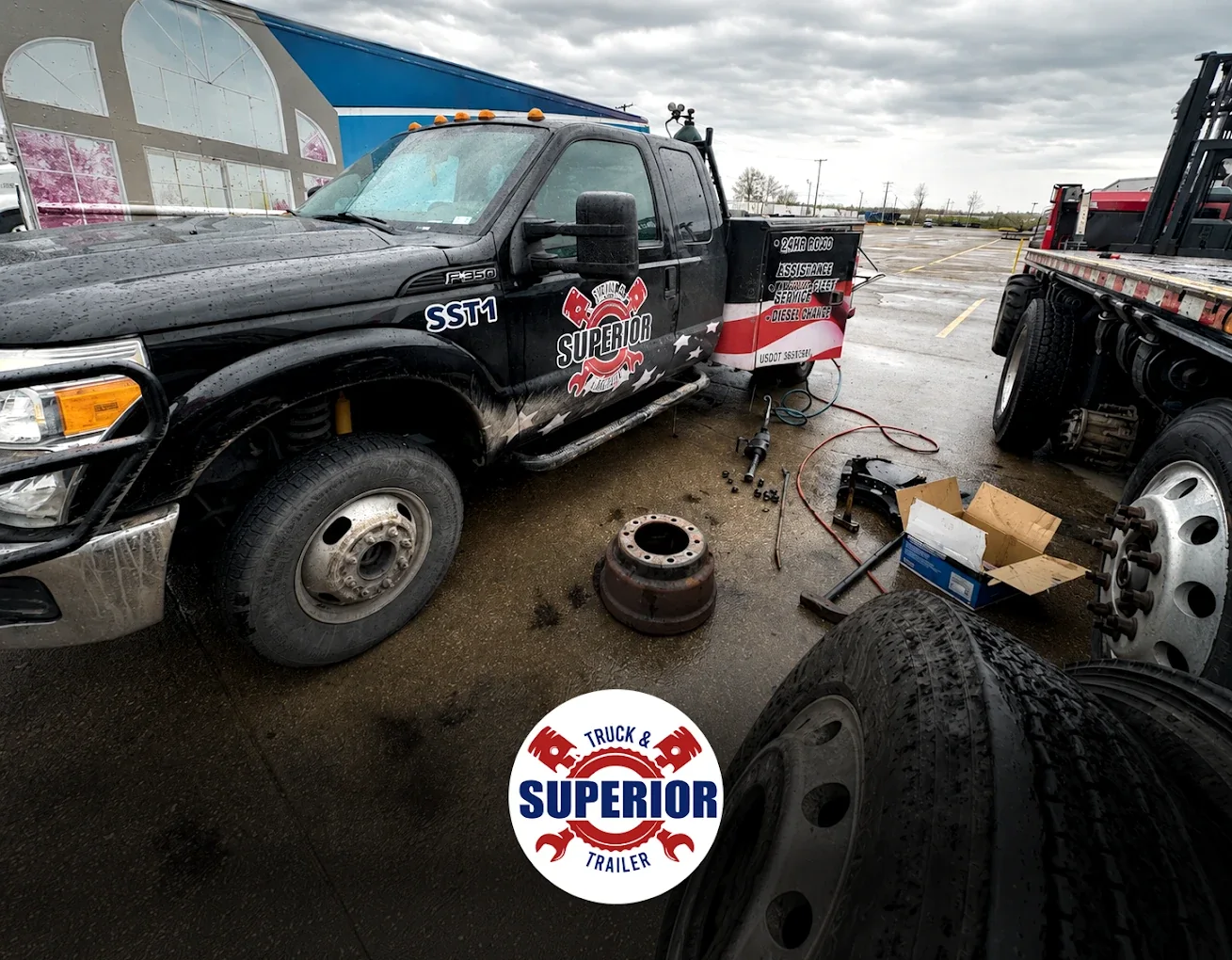
Your success on snowy roads also depends on having reliable repair services at your fingertips. Professional diesel repair services offer essential support through 24/7 towing assistance, mobile repair units, roadside emergency response, and unlimited service range coverage. These services help make sure that you are never stranded in bad weather conditions. Some towing services work on light and medium-duty trucks, but in partnership with industry specialists, heavy-duty towing can also be done.
A good carrier with a reliable repair service forms your security blanket against winter driving operations. Such a combination makes you prepared both for economic uncertainties and adverse weather with equal confidence.
Choose Superior Truck and Trailer
Bobtailing safety in snowy conditions requires your complete attention and preparation. Different driving challenges during winter weather for a semi without a trailer can be successfully navigated by smart driving habits and keeping your equipment in good repair.
Your checklist for safe winter bobtailing includes:
- Driving 10-20 mph below the posted limit
- Keeping fuel tanks full for added traction and weight distribution
- Fitting high-quality steering axle tires before winter weather
- Engine braking instead of using brake pedals
- Running red bunk lights for better visibility
- Stay laser-focused on road conditions
Remember, your tractor is designed to pull trailers. That means it will naturally be more difficult to drive without one. If you can, consider postponing a trip if you know winter weather is in the forecast. If you must drive, trust your instincts and don’t drive if you don’t feel safe.
Follow these known safety practices, take good care of your equipment, and you will be much better off to deal with the specific challenges of bobtailing through snow. Safety will be yours and that of others on the road; make smart choices behind the wheel. Choose Superior Truck and Trailer Repair to be your #1 diesel repairs provider in times of trouble, when even your safety measures cannot prevent an accident. Give us a call today at (502) 789-6644.