
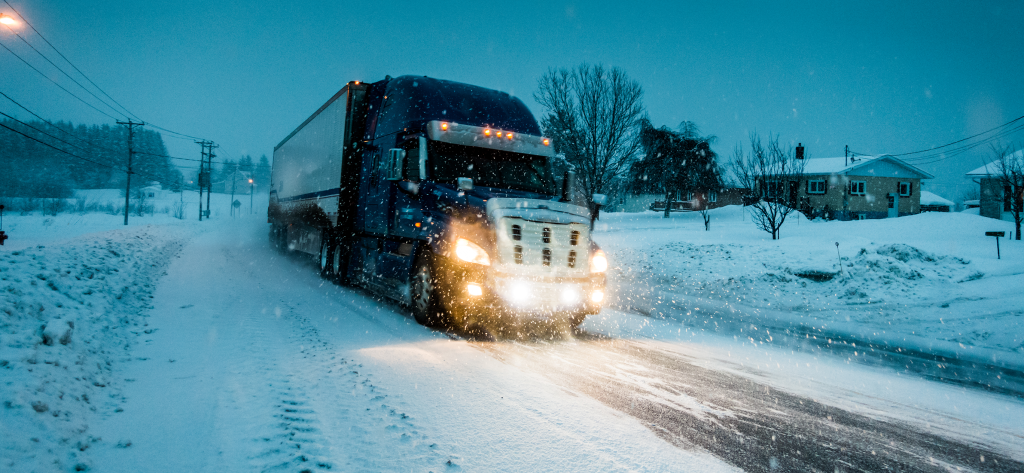
The winter season brings a lot of difficulties to a semi-truck that go beyond driving on icy roads and little to no visibility. The freezing point also gives an unseen threat, which is not fully grasped by many truck drivers until they are marooned on the highway- the impact on the coolant system.
The coolant system of your truck is not only working to keep the engine from overheating in the summertime. In winter, this vital system faces certain strains that might cause sudden breakdowns, very costly repairs, and even dangerous situations. The liquid coolant that you rely on behaves differently under extremely low temperatures, and the parts that hold the coolant are compromised in ways you might not foresee.
Being aware of the cooling system changes due to freezing across your semi-truck not only makes one well-informed, but it also saves one from trouble during the coldest months of the year. The bright side is that, through the practice of preventive care and giving quick responses to the indicators, you would be able to keep the coolant system running properly, no matter how low the temperature is.
The Usefulness of Understanding Cold Weather Effects on Semi-Truck Coolant Systems
When it gets really cold, it is not only the experienced drivers who might be caught off guard; the challenges that the coolant system of your semi-truck faces are also a surprise to them. The scientific explanation for these problems traces back to a fundamental law of nature: Cold makes liquids shrink, and coolant is no exception to this law.
When winter arrives and the outside temperatures go down, the coolant that is part of your system is going to shrink naturally and occupy less space. This shrinking of the coolant will lead to a drop in the fluid level inside the reservoir, sometimes quite a lot. The reservoir that seemed full during the hot weather may now all of a sudden look low due to the drop in temperature.
This is when the problem starts. The sensors of your truck are programmed to give you an alert when the coolant levels fall too low. But here, the gradual shrinkage could result in the levels dropping at such a slow rate that the sensors might not give an instant warning. So, if you realize that something is not right, the chances are that you have already got a serious problem.
The risks of running with insufficient coolant are severe:
Engine overheating – even in cold weather, your engine generates tremendous heat that needs proper cooling
Warped cylinder heads from uneven temperature distribution
Cracked engine blocks when metal components expand and contract without adequate coolant protection
Complete engine failure requiring costly replacement
A coolant leak in the winter becomes a huge problem because the leaking fluid can freeze instantly on the engine parts, taking away the visibility of the issue and making diagnosis and repair harder.
The Coolant Reservoir’s Susceptibility to Extremely Cold Conditions
Your coolant reservoir is more than just a storage container-it plays an important role as an expansion tank that helps the cooling system cope with the volume changes that the coolant undergoes every time it is heated and cooled. This plastic part keeps the cooling system under the right pressure and also offers a visible checkpoint for checking the coolant levels.
Challenges Posed by Extreme Cold
Freezing temperatures come, and the plastic material of the reservoir struggles. The extreme cold causes the plastic to undergo a radical change in its molecular structure, thereby losing its flexibility and becoming very fragile simultaneously. What was a powerful container may now turn into a soft part that is prone to breaking. Even the little bumps or shakes that your truck normally tolerates without any problem may suddenly result in a major failure if the reservoir is in this weakened condition.
The Effect of Temperature Changes
The freeze-thaw cycle puts more stress on these parts. With the temperature fluctuating between night and day, your reservoir experiences continuous stretching and shrinking, which is bound to eventually lead to the weakening of the plastic structure. The microscopic stress cracks may develop into major cracks that will allow the coolant to escape.
Warning Signs to Watch For
You need to watch for these warning signs:
Puddles or stains beneath your truck, particularly near the front of the engine compartment
Green, orange, or pink fluid residue around the reservoir mounting area
Visible cracks or white stress marks on the reservoir surface
Sweet smell near the engine bay, which indicates coolant leakage
Regular visual inspections can catch these issues before they leave you stranded on a frozen highway.
Preventative Maintenance Strategies for Winterizing Semi-Truck Coolant Systems
The wintertime presents some specific difficulties that require changes to be made to your maintenance schedule. The cold weather automatically gives rise to the winter maintenance tasks that are intended to prevent your semi-truck from freeze-related failure, being the first in the order of the repair schedule.
Essential Pre-Winter Inspection Checklist:
Coolant concentration test – A refractometer should be used to confirm that your antifreeze mixture offers sufficient protection for the lowest temperatures you will be experiencing. According to most diesel repair professionals, a 50/50 mix that protects down to -34°F is the safest bet.
Check coolant condition – New coolant should be bright and transparent. If you see rust-colored or cloudy fluid, it is time for the whole system to be flushed.
Study hoses and clamps – Winter showcases old rubber’s shortcomings. Check for fractures, places that are too soft, or swellings in hoses, and see that all the clamps are tight.
Examine the reservoir for leaks – Look at your coolant reservoir in the light before the first major freeze. Run your fingers over the seams and connection points and see if you can feel very small cracks that aren’t visible to the naked eye.
Coolant levels check when the engine is cold – Always measure the levels when the engine is cold to get an accurate measure. Heated coolant expands, making you think that the level is adequate when, in fact, it is not.
Winter inspections should be done at the beginning of the period and then repeated every month during the cold season. The effect of freezing conditions on semi-truck coolant systems becomes ten times worse when minor problems are not detected.
Getting Professional Help: Emergency Support Services During Winter
Season Unexpected challenges can still occur with proper maintenance during the winter season. In case of coolant system failures in freezing weather, you would want a reliable backup that recognizes the importance of quickly getting your truck back on the road.
The Importance of 24/7 Mobile Service and Roadside Assistance
24/7 mobile service and roadside assistance make all the difference when you’re dealing with cold-weather emergencies. These specialized services bring diesel repair expertise directly to your location, whether you’re stuck on the highway or parked at a rest stop.
How Technicians Can Help in Cold Weather Emergencies
Technicians equipped to handle winter-specific problems can:
- Diagnose and repair coolant leaks on-site
- Address frozen or low coolant levels before engine damage occurs
- Replace damaged reservoirs and components in the field
- Perform emergency repairs that get you moving safely
The Benefits of Round-the-Clock Availability
The fact that the service is available all the time means that you are not left alone during the times of cold weather and problems. The professional mobile technicians have the tools and parts that are needed in order to perform the common cold-weather coolant.
When repairs can’t be done on the road, towing service plays a major role. A comprehensive towing service is a must when repairs are not completed at the roadside. Some providers directly handle light and medium-duty trucks while keeping heavy-duty specialists as their partners who can transport your semi-truck securely.
The entire process of the towing service is well organized, and this guarantees that your vehicle will be handled properly, no matter what size it is. It means that your vehicle will be taken to a place where complete repair can be done without risking further damage by trying to drive with a broken coolant system.
Choose Superior Truck and Trailer
The semi-truck coolant systems freezing due to low temperature is a phenomenon that you should consider and be prepared for before the harsh winter conditions catch up with you. If you decide to wait until you are stranded on the road due to frozen or damaged cooling systems, it will cost you much more than preventive maintenance ever would.
The coolant system in your car is a real hero that can keep your engine in good condition without having to ask for anything in return. It should be treated with the same care as the other major parts of your car. The truck will run even when the temperature is down if you regularly check, use the right antifreeze mixtures, and are quick to respond to warnings as part of your plan.
Get ready for winter ahead of time. What is the effect of freezing weather on a semi-truck’s coolant system? The right support team will make it much easier to manage.
Is your coolant system in need of expert help, or are you having cold-weather problems? If so, please contact Superior Truck and Trailer Repair at (502) 963-5710 for professional diesel repair and 24/7 roadside assistance. We will make sure that your truck keeps on working hard regardless of how cold it is outside.