










How to Stop Coolant Pressure Problems Before They Cause Major Damage
The coolant system of your diesel or semi truck works much harder than you may think. When everything is in order, it regulates the temperature of your engine perfectly, avoiding a…

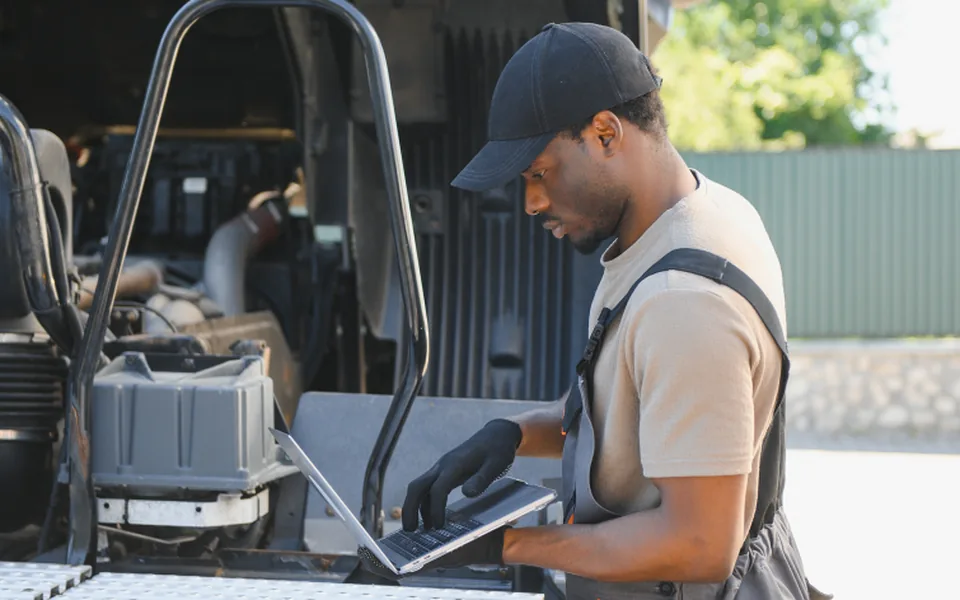
The coolant system of your diesel or semi truck works much harder than you may think. When everything is in order, it regulates the temperature of your engine perfectly, avoiding a situation where your engine could fail catastrophically, and you would have to deal with huge repair bills, or even worse, being left stranded on the road!
Here’s what happens when coolant pressure problems go unchecked:
Combustion gases infiltrate the cooling system, even when standard tests come back clean
Micro-fractures develop in cylinder heads, invisible to conventional diagnostic methods
Localized heating creates weak points in critical engine components
Complete engine failure becomes inevitable without intervention
The DD-15 in the modern engines list is one of the models that has to cope with specific issues, unlike the older types. The combination of high fuel pressures, EGR systems that recycle exhaust gases, and higher cylinder temperatures is the cause of a cooling system that has to work very hard. The difference between a small maintenance problem and substantial engine damage is often detected through the warning signs recognized in time. It is no longer about saving costs, but rather maintaining your truck on the road where it belongs if you learn how to stop coolant pressure problems before they escalate into serious ones.
Learning and Knowing More about Coolant Pressure Issues in New Engines
Your diesel technician may have you puzzled when he or she tells you that all the tests went through successfully, the cold pressure test, combustion test, even the combustion-in-coolant test, but still, your engine is showing signs of gas from combustion entering the coolant system. This annoying scenario is increasingly being associated with modern semi-truck repair cases, and especially with engines like the DD-15 Pack R.
Let me break it down for you: the combustion gases are entering your cooling system through pathways that are not detectable by normal testing methods. In the case of a healthy engine, the compression is 95% or better on each cylinder, which means these gases should remain confined to their designated area, that is, the combustion chamber.
The transition was pretty drastic between the old and new engines:
Fuel Pressure: Modern engines like the DD-15 are able to produce such high pressure, 32,000-38,000 PSI, whereas the older series 60 engines produced much less at 17,000-21,000 PSI; the pressure has almost doubled.
EGR Effect: The present-day engines are re-circulating 30-40% of the exhaust gases back to the intake, and they are experiencing the hard process with the temperatures of 250-400°F, whereas older engines with no EGR had a cool intake temperature of 90-160°F.
Cylinder Temperatures: New power plants are working at 15-25% hotter levels, reaching 3,000-4,300°F in their cylinders.
This conjunction of high coolant pressure, high temperature, and strong EGR flow creates stress levels that older engines never experienced. So, engine damage can occur through pathways that won’t be detected using conventional tests, making the early detection critical for your fleet’s health.
Material Challenges in Cylinder Heads of Modern Engines
The extreme operating conditions in modern diesel engines demanded a complete rethinking of cylinder head construction. The classic gray iron certainly did not endure the combination of increased fuel pressures, EGR-heated intake temperatures, and very high cylinder temperatures. The manufacturers of engines were looking for a material that would be able to cope with the increased stresses without being subject to constant failures.
Eventually, the engineers found the answer in compact graphite iron (CGI). The microscopic structure of CGI is completely different from that of traditional gray iron; the difference is revealed during examination. Gray iron contains flakes, while CGI consists of worm-like, compacted graphite. Such a minor structural variation has already brought about considerable performance improvements:
- 75% higher tensile strength than gray iron
- 40% higher fatigue resistance to withstand repeated stress cycles
- Better ability to handle extreme temperature fluctuations
These benefits allowed manufacturers to keep modern engines together under conditions that would have destroyed older cylinder heads. The transition to CGI was essential for meeting emissions standards while maintaining reliability.
The trade-off comes in how CGI behaves when problems do occur. Microcracks develop within the casting in ways that are nearly impossible to detect. These hairline fractures form in narrow areas between valve bridges and cooling ports, often remaining invisible during standard pressure tests. They only reveal themselves at operating temperature when the metal expands. Most machine shops don’t even have the specialized equipment needed to identify these cylinder head failures, making diagnosis frustrating for technicians accustomed to working with gray iron. The material that saves modern engines from immediate failure also makes engine damage harder to catch before it becomes serious.
How Cooling System Design Affects Pressure Problems
Understanding your truck’s cooling system design is critical when learning how to stop coolant pressure problems before they cause major damage. Modern engines like the DD-15 use a water manifold that bolts directly onto the side of the cylinder head. This manifold serves a specific purpose: cooling the exhaust side of your cylinders where temperatures run hottest.
The Challenge of Uneven Cooling Distribution
Here’s where the design creates challenges. The coolant flow pattern feeds through the front of the head, moving from upper to lower sections. Since the manifold opening sits partway along the head rather than extending the full length, you’re dealing with uneven cooling distribution.
A worst-case scenario in that regard is created for the fifth and sixth cylinders, which are the cylinders with the worst position in this design. They are located at the end of the coolant circuit, and that means they are the last ones to be cooled. After passing through the first four cylinders, the coolant is already hot when the fifth and sixth cylinders get to it. Consequently, localized heating occurs, which is manifested in specific spots that are hotter than the rest and may not be detectable by the normal temperature gauges.
The Limitations of Temperature Monitoring
The temperature monitoring system only reads coolant temperature at the outlet side of the cylinder head. You’re not getting readings from inside the head where the real heat buildup occurs. Those rear cylinders can run significantly hotter than what your gauge displays, creating the perfect conditions for microfractures to develop in the CGI material.
The Consequences of Reduced Coolant Flow
The combination of the already lower flow of coolant and the less efficient rear cylinders is leading to a failure condition that is hard to detect until it is too late.
Preventive Maintenance Strategies to Avoid Coolant Pressure Failures
The truth is that preventive maintenance is the best protection you can get against catastrophic failures of cylinder heads in modern diesel engines. Although you can’t get rid of the design drawbacks discussed previously, nevertheless, by such consistent service of the cooling system, you can reduce the risk immensely.
Maintain Your Cooling System Like the Best
Flushing the coolant regularly is not just an option but rather a necessity to ensure the reduction of localized heating, which is the primary cause of microfractures. The cooling system requires cleaning, a proper mixture of the coolant, and efficient flow through the small passages of the cylinder head. It is very important to flush the cooling system strictly according to the manufacturer’s recommendations and not whenever you happen to be free.
Cooling System Components Should Not Be Ignored
Cooling fans, belts, and tensioners are your important allies in keeping the correct temperature in the engine. Incorrect fan engagement or belt slippage will mean that the last two cylinders (5 and 6) will be even more affected by the already reduced flow of coolant. Periodically check these parts, and as soon as you notice any signs of wear, replace them.
Take EGR Issues Seriously
EGR codes aren’t something to clear and forget about. A sticking EGR valve or any EGR-related malfunction can spike your cylinder temperatures dramatically, pushing those already-stressed areas closer to failure. Address these issues immediately, the cost of fixing an EGR problem is nothing compared to a cylinder head replacement.
Watch for Leaks and Thermostat Problems
Any coolant leak, no matter how small, reduces flow to those critical rear cylinders. The same goes for thermostat malfunctions. These issues create the perfect storm for localized heating and microcrack development. Catch them early through regular inspections of your entire cooling system.
Best Practices for Semi Truck Owners and Operators
For Western Star Trucks, when talking about diesel repair and semi truck repair, your preventive maintenance approach will determine whether it will be a minor service visit or even an engine failure accident. You need to have a forward-looking attitude that treats your cooling system as the vital part that it is.
1. Routine Comprehensive Cooling System Checks.
Your cooling system is an equally important part of the vehicle and should be given the same kind of attention as the oil changes and tire rotations. At every inspection, it is important that you verify whether your cooling fans are working at the correct temperature limit. In addition, you should also make sure that the sounds you hear are not unusual ones that might indicate a problem with the bearings.
2. Timely Response to Warning Signs
EGR codes aren’t just annoyances to clear from your dashboard, they’re early warnings that your engine is running hotter than designed. When you see these codes, you’re looking at potential temperature spikes that stress your cylinder head in exactly the areas where microcracks form. The same urgency applies to any overheating symptoms, no matter how brief. That momentary temperature spike you ignored last week could be creating invisible damage in cylinders five and six right now. You can’t see microfractures developing, but you can prevent them by addressing warning signs immediately.
Superior Truck and Trailer Repair Services for Coolant System Issues
When you’re facing coolant pressure problems, you need a diesel repair shop that understands the complexities of modern engine systems. At Superior Truck and Trailer Repair, we specialize in diagnosing those tricky coolant system issues that other shops might miss, especially the micro-fractures in compact graphite iron cylinder heads that pass standard tests but still cause problems at operating temperatures.
Our team has the expertise to identify coolant pressure issues before they escalate into catastrophic engine failures. We understand how combustion gases can infiltrate your cooling system even when cold pressure tests and compression tests come back clean. This specialized knowledge allows us to catch problems early and save you from expensive engine rebuilds.
Our comprehensive service options include:
24/7 Mobile & Roadside Assistance – Breakdowns don’t follow a schedule, and neither do we
Mobile Service – We’ll come to your location, no matter how far you are from our shop
Light and Medium-Duty Towing – Direct transport to our facility for repairs
Heavy-Duty Towing Coordination – Through our trusted industry partners, we can handle your largest rigs
The beauty of our mobile service is simple: we bring the shop to you. This means less downtime for your operation and faster resolution of coolant system problems. Whether you’re dealing with EGR-related temperature spikes, cooling fan failures, or suspected head gasket issues, our technicians arrive equipped to diagnose and repair your semi truck repair needs on-site whenever possible.
Choose Superior Truck and Trailer
Your cooling system deserves the same attention you give to oil changes and tire rotations. The interaction between high fuel pressures, EGR systems, and modern CGI cylinder heads is quite complex; engine damage prevention starts with preventive maintenance done consistently and proactively. Micro-fractures do not show up until it is too late, and by then, you are facing thousands in repair costs and prolonged downtime.
The dying process shouldn’t be accompanied by the appearance of coolant leaks, warnings about pressure, or symptoms of overheating. The superior team of diesel repair technicians at Superior Truck and Trailer Repair is fully aware of the ways to prevent the occurrence of coolant pressure problems and the consequent major damage. We ourselves have witnessed the drastic effects of allowing minor problems to develop unchecked, which is why we are constantly committed to keeping your truck on the road instead of in the garage.
Do not hesitate to contact us as soon as you notice any warning signs: EGR codes, unusual pressure readings, or temperature variations. Just pick up the phone and call us at (502) 789-6644 immediately. We are always available 24/7, whether you require a detailed inspection of your cooling system or roadside assistance in case of an emergency. The health of your engine is certainly not worth taking such a risk.



