










Semi Truck Diesel Engine Cylinder Failure Explained & What To Do
Your diesel semi truck engine is the lifeblood of your business. When it’s humming along, you’re making money. When it fails, however? You’re hemorrhaging cash in no time. Durations of semi…

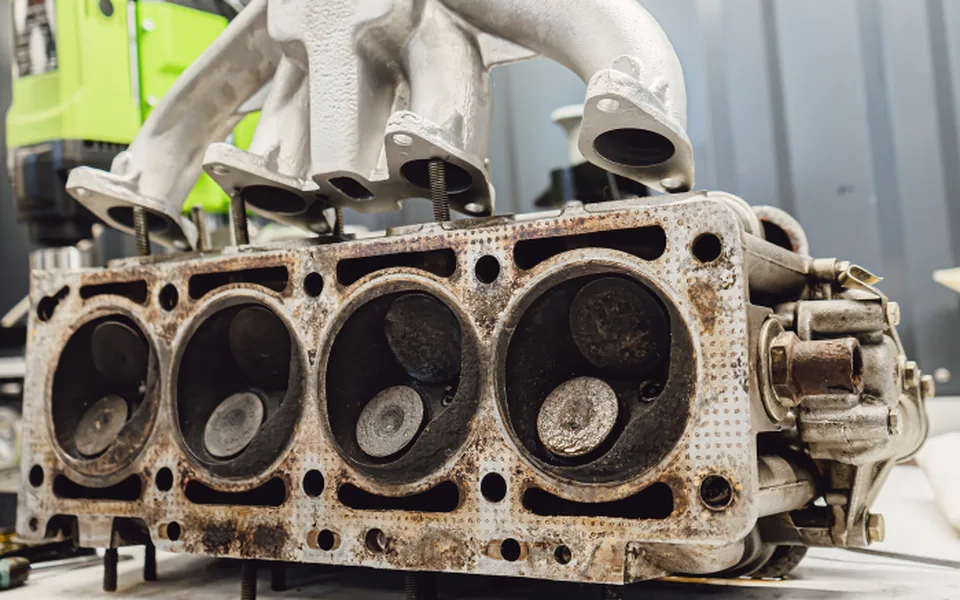
Your diesel semi truck engine is the lifeblood of your business. When it’s humming along, you’re making money. When it fails, however? You’re hemorrhaging cash in no time.
Durations of semi truck cylinder engine failure can bring your business to a standstill. These issues accrue over time, starting with a slow deterioration in performance before escalating into full-blown crises that leave you stranded.
The DD15 engine, a heavy-duty engine used by the trucking firms, is also not immune to such problems. We’ve encountered numerous cases where drivers observe:
- Decreased power output
- Poor fuel economy
- Rough running conditions
- Unusual engine noises
- Low compression in specific cylinders
Don’t be blindsided by engine cylinder failure. Knowing the signs and when to call in the professionals will save you thousands of dollars in repairs and lost time.
Understanding Diesel Engine Cylinder Failure in Semi Trucks
Semi truck engine cylinder failure can be catastrophic to the reliability and performance of your truck. Cylinder failure is a situation where one or more parts in the cylinder assembly are not functioning as they ought to. They may be valve seats that are worn out to cause loss of compression, cylinder walls that are damaged, piston rings that are faulty, and cracked cylinder heads. Inefficient valve seals can also be a major part of the failure.
A deceased cylinder has a direct influence on your truck’s power and fuel efficiency. Your engine depends on proper compression per cylinder to produce the power required to propel your heavy payloads. When you lose a cylinder, you’re really half-steaming it, like trying to sprint with a sprained ankle.
Key Signs of Cylinder Failure:
- Significant power loss, especially when climbing hills
- Increased fuel consumption
- Rough idling or misfiring
- Excessive exhaust smoke
- Engine knock or unusual noises
- Poor acceleration response
- Failed compression tests
These symptoms begin innocently but soon develop into serious performance problems. In DD15 engines, cylinder failures tend to manifest themselves as compression issues, which take extensive diagnostic testing to determine the root cause.
Your truck’s engine condition hinges on all cylinders performing at peak levels. When a cylinder does fail, it loads the other cylinders with extra stress that can start a chain reaction of problems throughout your engine system.
Case Study: DD15 Low Compression on Cylinder 6
Let’s consider a live case example with a DD15 engine that we had in-house. We got one of our own trucks brought in with evident power problems, which pointed towards potential cylinder problems. Through our diagnostic procedure, we identified the causative problem: cylinder 6 had much lower compression than all the other cylinders.
This is what we discovered in our initial investigation:
- Compression Testing: We conducted thorough compression tests on all cylinders
- Isolated Problem: Cylinder 6 showed compression values far below acceptable ranges
- Initial Attempt: Standard valve adjustment procedures were carried out
All mechanics will suggest valve lash adjustment to fix low compression problems. In these specific situations, however, the adjustment did not work, which meant there was a more underlying issue in progress.
The continuing low compression after initial adjustments call for performing a more detailed examination. Looking back, initial repairs will not solve the underlying problem. Sometimes a proper diagnosis entails looking beyond surface fixes, especially when dealing with complex engines like the DD15.
A nominally minor compression problem might actually be indicative of greater internal engine damage. Temporary repairs can mask larger issues, setting the stage for expensive repairs in the future.
Root Causes of Cylinder 6 Failure in the DD15 Engine
After a thorough teardown inspection of the DD15 engine, our technicians uncovered several critical issues causing the low compression in cylinder 6:
Excessive Valve Seat Recess: Valve seats can show significant wear beyond manufacturer specifications. This excessive wear creates improper sealing during engine operation, directly leading to the compression loss we detected during initial testing.
Cylinder Head Condition: The extent of valve seat wear necessitated a complete cylinder head replacement – partial repairs wouldn’t suffice for long-term reliability.
Component Assessment Results:
- Liners: Passed inspection with minimal wear – cleared for reuse
- Fuel Injectors: Maintained good condition – suitable for continued service
- Exhaust Camshaft: Deep scratches discovered on the surface
- Cam Housing: Significant damage to both cam caps and housing bores
A damaged exhaust camshaft and compromised cam housing components poses additional risks to engine performance. These worn components could lead to improper valve timing and potential engine failure if left unaddressed. The combination of valve seat recess wear and camshaft system damage create a compound issue requiring comprehensive repair solutions.
The severity of these findings reinforces why simple valve adjustments often fail to resolve DD15 low compression issues – the root causes typically lie deeper within the engine’s mechanical systems.
Repair Process for Cylinder Failure in Semi Truck Diesel Engines
When your DD15 engine needs cylinder repair, our expert technicians follow a precise repair sequence to restore optimal performance. Here’s what the repair process looks like:
1. Complete Cylinder Head Replacement
- Remove the damaged cylinder head
- Install a new cylinder head assembly
- Apply fresh gaskets throughout the system
- Ensure proper seating and alignment
2. Component Evaluation
- Thorough inspection of existing liners
- Testing of fuel injectors for reusability
- Assessment of the surrounding parts for wear
- Salvage of components that meet specifications
3. Critical System Updates
- Installation of new camshafts
- Replacement of the damaged cam housing
- Integration of updated components
- Verification of proper clearances
4. Precision Assembly
- Application of manufacturer-specified torque settings
- Sequential tightening patterns for even pressure
- Multiple-stage torque verification
- Calibration of all moving parts
This repair approach addresses both immediate issues and potential future problems. Each step requires specialized tools and expertise to ensure your engine’s longevity. The attention to torque specifications is particularly crucial – incorrect torque can lead to premature wear or catastrophic failure.
The reuse of quality components like serviceable liners and injectors helps manage repair costs while maintaining reliability. This balanced approach delivers both performance and value for your semi-truck repair investment.
Preventive Maintenance Recommendations for Semi Truck Engines
Smart truck owners know the value of preventive maintenance, it’s your best defense against costly breakdowns and extended downtime. When your truck is already in the shop for major repairs, it’s the perfect time to address other potential issues.
Take our DD15 case study as an example. The customer made a wise decision to replace the fuel pump during the cylinder repair. This proactive approach saves both time and money by:
- Reducing future shop visits
- Minimizing labor costs
- Preventing unexpected failures
- Maximizing uptime on the road
Essential Preventive Maintenance Checklist
Regular compression testing is vital to ensure your engine maintains optimal performance. Valve seat inspections help prevent issues that can lead to significant engine damage if left unchecked. Monitoring camshaft wear is crucial for maintaining the integrity of your engine’s timing and overall function. Fuel system component checks are essential to avoid potential failures that could disrupt your vehicle’s operation. Complete engine diagnostics provide a comprehensive overview, helping identify any underlying issues before they become major problems.
A full check with an overhaul will uncover hidden signs of wear not seen during a standard maintenance check. This closer examination of your engine components allows for the identification of issues before roadside breakdowns.
Keep in mind – each hour of preventive service saves days of unscheduled downtime. Your semi tractor is a good investment, and investing in the care of that investment is the secret to ultimate reliability.
Available Repair Services for Semi Truck Diesel Engines
In-Shop Diesel Engine Repairs
- Complete cylinder failure diagnosis
- Head gasket replacements
- Camshaft repairs and replacements
- Full engine overhauls
24/7 Mobile Solutions
- Emergency roadside assistance
- On-site diagnostics
- Field repairs at your location
- No distance limitations – we’ll travel wherever needed
Towing Services
- Dedicated light and medium-duty truck towing
- Heavy-duty towing through trusted partners
- Fast response times
- Safe, professional handling
Your semi truck deserves the expertise of skilled technicians who know how to navigate the intricacies of diesel engines. Our technicians have factory-level diagnostic tools and repair expertise that are directly to you, reducing downtime and keeping your truck running at optimal levels. When you require trusted repair options, our seasoned technicians are here to help you with any engine cylinder problem, from compression to total system failure.
Signs You Should Get Your Semi Truck’s Engine Checked Immediately
Your truck’s engine communicates with you through various warning signs. In our example, we’ve seen many cases like the DD-15 engine where early detection could have avoided major repairs.
Watch out for these red flags:
Significant power loss – Your truck struggles to maintain speed or feels sluggish during acceleration
Unusual engine sounds – New knocking, tapping, or rattling noises from specific cylinders
Increased fuel consumption – You’re filling up more frequently without changes in your route
White or blue exhaust smoke – Especially noticeable during startup or acceleration
Check Engine Light – Particularly when accompanied by cylinder-specific trouble codes
Rough idle – Engine is running unevenly or shaking when stationary
Failed compression tests – Regular maintenance reveals lower-than-normal compression readings
A compression test will readily disclose problems such as the ones we discovered in cylinder 6 of the DD-15. Such problems do not correct themselves; they grow worse over time until repair costs are greater, downtime is longer, and there may even be the possibility of a surprise roadside failure. Aside from those immediate needs, make-and-break cylinder problems damage other engine parts, making repairs even more complicated and more expensive.
Scheduling a professional diagnostic check, like with our professionals here at Superior Truck and Trailer Repair when you notice these symptoms helps protect your investment and keeps your truck running reliably. A thorough inspection by experienced technicians can spot valve seat recession, camshaft wear, and other internal issues before they cause complete engine failure.
Choose Superior Truck and Trailer Repair
Semi truck diesel engine cylinder failures require professional expertise, not quick fixes. The DD15 case study shows how seemingly simple compression issues can hide complex underlying problems that need extensive repairs.
Don’t risk the performance of your truck with DIY repairs. Leave it to our diesel repair experts at Superior Truck and Trailer Repair with accurate diagnostics and reliable repairs. We understand the need to have your semi truck on the road and up and running.
In need of expert maintenance for your semi truck? Reach out to us at (502) 789-6644. Our team is prepared to tackle intricate engine repairs and guarantee your truck operates optimally, mile after mile.



