

My Diesel’s Fuel Tank Is Rusty, Can It Be Repaired?
Does the fuel tank on your diesel look rusty? Maybe you’re not alone after all – rust is an ongoing problem that many truckers have to contend with, particularly those who drive 18-wheelers…

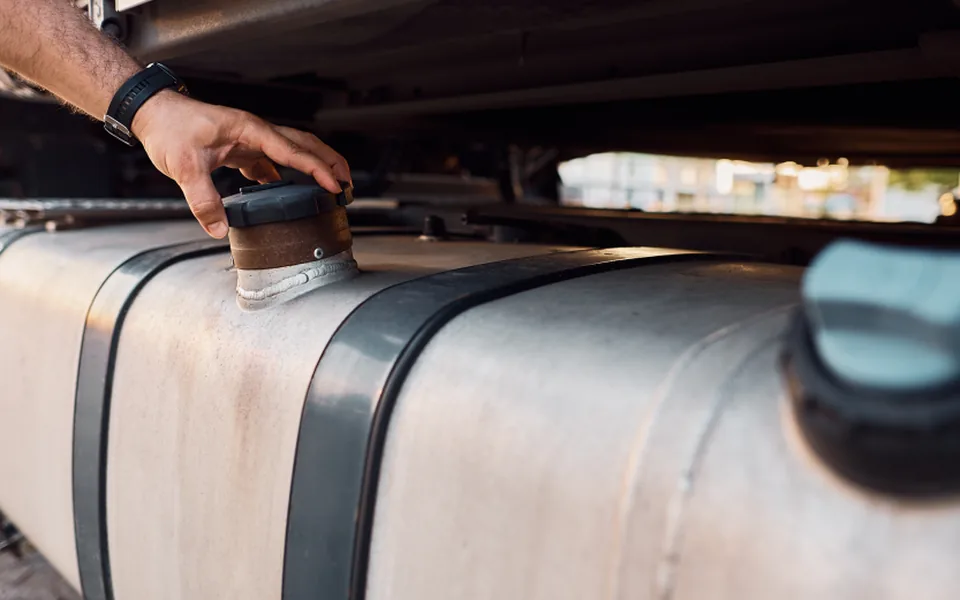
Does the fuel tank on your diesel look rusty? Maybe you’re not alone after all – rust is an ongoing problem that many truckers have to contend with, particularly those who drive 18-wheelers and commercial trucks. The good news? Many rusty fuel tanks can be repaired.
Rust in your fuel tank isn’t just an aesthetic issue – it’s a serious problem that demands immediate attention. When left unchecked, rust can:
- Contaminate your fuel system
- Clog vital filters
- Damage expensive fuel injectors
- Decrease your truck’s fuel efficiency
- This leads to costly repairs
The secret is to capture and restore rust problems early. But how do you know if your tank is fixable or if it must be replaced? What are you supposed to do when rust shows up? We’re going to walk you through everything you’ll need to understand about rusty gas tanks, diagnosis, and repair options.
Whether it’s minor surface rust or heavy corrosion, understanding your repair options is the key to getting your truck back on the road and minimizing downtime.
Understanding Rust in Diesel Fuel Tanks
Rust formation in diesel fuel tanks is an easy but damaging process. Water through condensation, mixed with fuel in your tank, creates a perfect condition for rust growth. This moisture typically comes from:
- Temperature changes cause air to condense inside the tank
- Contaminated fuel containing water particles
- Environmental humidity entering through vents
The resulting rust doesn’t stay put – it breaks off into small flakes that wreak havoc on your fuel system. These rust particles can:
- Clog fuel filters prematurely
- Damage-sensitive fuel injectors
- Reduce engine performance
- Create blockages in fuel lines
Semi-trucks and heavy trucks are usually affected by this issue because they have big tank capacities for fuel and high exposure on the road. The bigger your tank, the more surface area there will be for rust growth. These vehicles are also subject to large temperature fluctuations with long hauls, meaning increased possibilities of condensation.
The ongoing vibration of driving on roads tends to speed up the rust flaking, worsening the issue. As the rust particles move around in your fuel system, they function similarly to sandpaper, grinding out parts and potentially causing system failure.
Condition Diagnosis of Your Fuel Tank
A good examination of your fuel tank determines the optimal repair procedure. Examine the following:
1. Conduct a Visual Inspection
Look for the following signs during your visual inspection:
- Rust flakes floating in the fuel
- Surface pitting on tank walls
- Visible holes or weak spots
- Discoloration or rust stains
- Sediment buildup at tank bottom
The severity of rust damage directly impacts your repair options. Minor surface rust might only need cleaning and sealing, while deep pitting or holes require more extensive repairs or complete tank replacement.
2. Seek Professional Assessment
Consider getting a professional assessment for a more accurate diagnosis. Here are the benefits:
- Advanced diagnostic equipment detects hidden damage
- Expert evaluation of structural integrity
- Accurate repair cost estimation
- Safety compliance verification
- Prevention of future fuel system issues
A skilled diesel technician can spot issues you will miss during a simple inspection. Their experience prevents the expensive repair cuts that can result in expensive breakdowns down the line. An expert evaluation saves you time and guarantees your fuel tank repair is done to commercial fleet safety standards.
Methods to Remove Rust from Fuel Tanks
Getting rid of rust from your diesel fuel tank requires a systematic approach. Here’s what you need to do:
1. Complete Tank Drainage
- Remove all fuel from the tank
- Disconnect fuel lines and electrical connections
- Remove the tank from the vehicle if possible
2. Cleaning Solutions
- Muriatic acid is a powerful rust dissolver
- Commercial rust removers designed for fuel tanks
- Solvents that break down rust deposits
3. Mechanical Cleaning Methods
- Add nuts, bolts, or gravel inside the tank
- Shake or agitate to help loosen rust flakes
- This method works well for stubborn rust deposits
The cleaning process requires patience and attention to detail. Pour your chosen cleaning solution into the tank, ensuring it reaches all surfaces. Let it work according to the product instructions – some solutions need several hours to dissolve rust effectively.
Safety Note: Always wear protective gear when handling cleaning chemicals. Work in a well-ventilated area and follow proper disposal guidelines for used cleaning solutions.
After the rust removal process, thorough rinsing is critical. Use clean water to flush out all chemical residue and loose rust particles. The tank must be completely dry before reinstallation – any remaining moisture could restart the rust cycle.
Repair Options for Rust-Damaged Fuel Tanks
Small holes in your gas tank can be repaired with specialized epoxy material or tank repair kits. They are stopgap measures to allow the truck to continue running, but they are not quite permanent repairs.
Greater holes or structural damage need a stronger solution. Welding becomes necessary when:
- The damage extends beyond surface-level rust
- Multiple holes are present
- The tank shows signs of metal fatigue
- High-stress areas are compromised
Safety Warning: Welding gas tanks are highly hazardous. Trapped explosive gases inside the tank, even when drained, can be dangerous during the process of repair for new handlers.
For 18-wheelers and trucks, professional welding services are your best bet. The size and complexity of commercial truck tanks demand specialized equipment and expertise. Professional welders:
- Use proper safety protocols
- Have experience with different tank materials
- Understand fuel system requirements
- Can assess structural integrity
- Provide warranty-backed repairs
Applying Protective Coatings After Repair
Once you’ve cleaned and repaired your diesel fuel tank, applying a protective coating creates a vital barrier against future rust formation. A fuel tank sealer serves as your tank’s new defensive shield.
The application process requires precision and attention to detail:
1. Pre-Application Prep
- Ensure the tank is completely dry
- Remove all repair residue
- Check temperature conditions match sealer requirements
2. Coating Application
- Pour the liquid sealer into your tank
- Rotate the tank in a swirling motion
- This movement helps the coating reach every surface
- Pay special attention to corners and seams
The coating needs proper curing time to form an effective protective layer. All sealer products also have their curing needs – 24 hours, some have, and some have a few days. Keep your tank in a controlled environment with the correct temperature and humidity levels for this period.
A properly applied protective coating is also a preventative action and a performance enhancement. It prevents moisture from entering the metal surface of your tank, thereby cutting off the rust-developing cycle before it begins.
Preventive Maintenance Tips for Diesel Fuel Tanks
Normal fuel tank maintenance is needed for the dependability and performance of your truck. Here’s what you need to know about keeping your diesel fuel tank rust-free:
Daily Inspections:
- Check for water accumulation at the bottom of your tank
- Look for signs of rust flakes in your fuel filter
- Watch for changes in fuel color or consistency
Best Practices:
- Keep your tank filled when possible to minimize condensation space
- Park in covered areas to reduce exposure to moisture
- Clean fuel caps and surrounding areas to prevent dirt infiltration
Professional Maintenance Schedule:
- Schedule quarterly inspections with qualified technicians
- Replace fuel filters at recommended intervals
- Have fuel samples tested for contamination
A proactive maintenance policy helps you diagnose impending problems before they arise as major issues. Professional service keeps your fuel system in excellent condition, preventing sudden breakdowns and costly repairs. Your truck’s performance depends in large measure on clean, contaminant-free fuel – making periodic tank maintenance an important investment in your truck’s longevity.
When Replacement Is the Best Option
While most rusty fuel tanks are repairable, there are times when replacement is necessary for safety and dependability. These are when you must replace your fuel tank:
Extreme Damage: Major holes or severe rust damage that compromises the integrity of the tank makes repairs unsafe and not worth it
Multi-Point Repairs: If your tank has multiple small holes or extensive rust damage, repairs are not an option and are not worth it in the long run
Cost Analysis: The expense of extensive repairs might exceed the cost of a new tank installation – especially considering labor hours and materials needed
For commercial trucking operations, reliability is paramount. A compromised fuel tank can lead to:
- Unexpected breakdowns
- Lost revenue from downtime
- Potential safety hazards
- Failed DOT inspections
A professional inspection can determine if your tank needs replacement. Signs that indicate replacement as the best option include:
- Rust covering more than 30% of the tank’s surface
- Visible holes larger than a quarter-inch
- Structural weakness around mounting points
- Previous repairs that have failed
Remember that fuel tank integrity will have both performance and safety implications for your truck. Buying a new tank generally is the better option than repeated repair efforts on a severely compromised unit.
Choose Superior Truck and Trailer Repair
Should you be having problems with a rusted fuel tank or other semi-truck repair service, don’t hesitate to contact Superior Truck and Trailer Repair. We’re only a call away to help you get back on the road in the shortest possible time and safely. You can call us at any time at (502) 789-6644 for expert assistance.
From rust stripping and repairs to even replacement, our diesel repair specialists are always ready to provide the most appropriate solutions for your truck.