










Why Do Semi Trucks Not Use Gasoline Engines?
Generally speaking, the trucking industry lies at the core of global trade. Most of its large fleets are run on diesel engines, while most passenger vehicles run in gasoline engines. So…

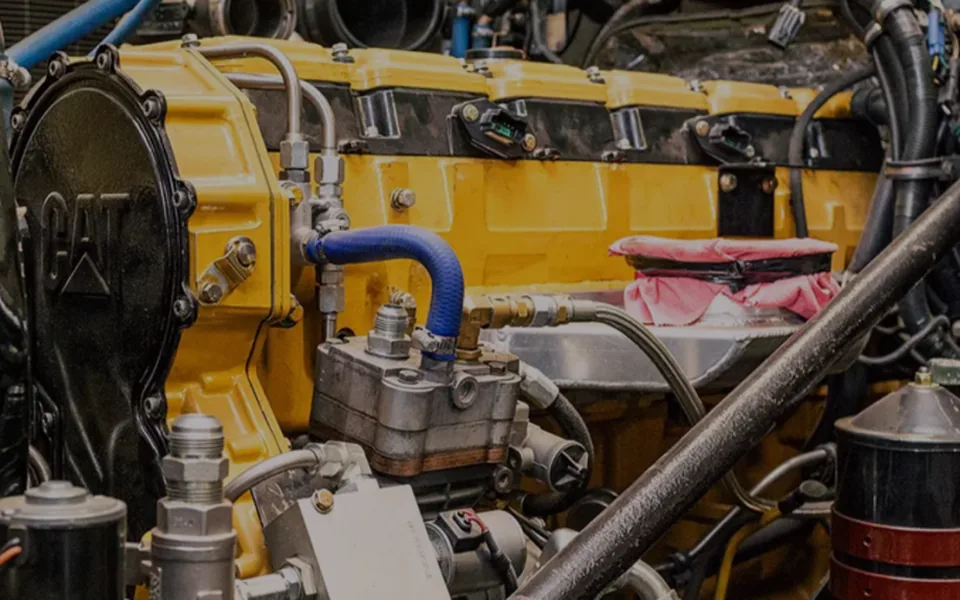
Generally speaking, the trucking industry lies at the core of global trade. Most of its large fleets are run on diesel engines, while most passenger vehicles run in gasoline engines. So, here comes the question: Why do trucks not take a gasoline engine?
Continue reading to learn more about the reasons why diesel is used instead of gasoline in heavy-duty vehicles. Of these, the essentials are torque, fuel efficiency, durability, emission control, and many others. We also take a look at new technologies that will change the face of the industry, being a leader in diesel repairs here at Superior Truck and Trailer Repair.
Diesel vs. Gasoline: Chemistry
In chemical terms, diesel and gasoline fuels exhibit different properties that affect their application in vehicles. Diesel fuel has larger hydrocarbon molecules than gasoline on a molecular level. Rich in carbon atoms, these molecules make diesel much more energy-dense. That means diesel contains more energy in a given volume than does gasoline.
Diesel’s High Energy Density
Think of diesel as the marathon runner of energy sources-its energy comes out steadily over long periods of time, which is ideal for heavy-duty vehicles such as trucks that require this power over a long haul.
Gasoline’s Quick Energy Burst
Gasoline is like a sprinter, in that it provides an immediate burst of energy. This is helpful for lighter vehicles that demand quick acceleration, but it simply does not work for the slow-and-steady needs of semi-trucks.
With diesel, the inherently high energy density naturally gives better performance in vehicles and improved fuel efficiency-essential factors that determine the choice for diesel engines in trucking.
Importance of Torque in Trucks
When hauling heavy weights efficiently, torque is key. Torque refers to a twisting force that enables those massive loads to get into motion. That means it is crucial for any truck’s performance. It allows trucks to start from a standstill, accelerate uphill or on rough surfaces with heavy cargo, and sustain the speed.
Why Diesel Engines Are Preferred
Diesel engines are in a league of their own and develop more torque than gasoline engines. Their design features higher compression ratios, which translate into massive torque at rule engine speeds. This means that diesel engines provide the power needed for heavy-duty applications right when it’s required most: at the start.
Real-World Benefits of High Torque
High torque capability is very useful in real-life trucking situations. Whether it is the transportation of goods across states or through difficult routes, diesel engines ensure that the trucks operate efficiently and safely under demanding circumstances. The ability to produce substantial torque makes diesel engines an apt choice for the trucking industry.
Fuel Efficiency: The Reason
Diesel engines are the obvious choice when it comes to fuel efficiency. Diesel fuel contains more energy per gallon than gasoline. That means it takes fewer gallons of diesel fuel to travel a given distance. Here, the diesel-powered trucks become more attractive, especially for long hauls where refueling stops are very few and far between.
Financial Impact on Trucking Companies
The financial implications of this for trucking companies are huge. On average, diesel engines are 20 to 35% more fuel-efficient than gasoline ones. With the average over-the-road semi-truck driver averaging 100,000 miles per year, this efficiency pays great dividends.
For example, with diesel fuel, a company might spend roughly $70,000 on fuel annually per truck, compared to $84,000 if using gasoline. This can be a difference-maker for a fleet of ten trucks. It’s affecting not only the bottom line of profit but also logistical considerations of tank size and refueling frequency.
Beyond Mileage: The Broader Implications of Fuel Efficiency
So, fuel efficiency isn’t about how far a vehicle can travel on a certain amount of fuel; it’s about making sure cost-effectiveness and operational efficiency occur in all aspects of the operation.
Durability: Reasons Diesel Engines Last Longer
Diesel engines are more durable and maintain their performance over a long time, and they are applied in most heavy-duty machinery like semi-trucks.
Structural Changes
The diesel engines were stronger and built with a bigger crankshaft, connecting rods, pistons, and cylinder heads. This strength enables it to withstand the high compression of the combustion of diesel.
Friction
Since diesel engines run on a lower RPM than gasoline engines, the stress on the engine is not as great. That will result in fewer breakdowns, fewer parts replaced over time, and less frequent maintenance service. Putting these all together means that diesel engines have a longer life and often can operate well past one million miles if maintained correctly. The reduced need for maintenance cuts costs, too, allowing trucking firms to generate revenue from rigs that can keep working with minimal downtime and lost time.
Emission Control and Ecological Footprint
The degree to which the Diesel Engine has cleaned up its emissions over the years places it far in advance of most of its gasoline-powered cousins concerning environmental friendliness.
Diesel’s Carbon Emission Advantage
Compared with gasoline engines, diesel trucks generally produce less carbon dioxide (CO2) per unit of energy produced. That is because diesel has higher energy density and therefore gives more thermal efficiency.
Overcoming Historical Challenges
Traditionally, diesel engines were plagued with higher emissions of pollutants such as nitrogen oxides (NOx) and particulate matter. These newer ones have much-improved environmental performance because of the developments of recent emission control technologies:
- SCR technology reduces nitrogen oxides to nitrogen and water, thus considerably lowering NOx emissions.
- DPF catches and stores soot in the exhaust gases; hence, a decrease in particulate matter emissions is achieved.
Meeting Environmental Regulations
These are innovations that will allow diesel trucks to pass under strict environmental policies and pave the way for much cleaner alternatives on today’s highways without compromising fuel efficiency.
Future Trends in Trucking Technology
The trucking industry stands at a threshold where new technologies that promise a clean and more sustainable alternative will initiate a sea change.
Electric Trucks
Electric trucks find favor on several counts. They offer zero emissions, low operating costs, and high torque from a standstill. However, there are a few challenges yet to be overcome before the electric truck becomes commonplace, including limited driving range, insufficient charging infrastructure, and higher upfront costs.
Hydrogen Fuel Cells
Hydrogen fuel cells present a promising alternative. These fuel cells produce only water vapors from their exhausts and offer quicker recharging than electric batteries. However, the technology related to hydrogen fuel cells is still under development and faces two main hurdles: infrastructure establishment and manufacturing cost.
Role of Diesel Engines
Currently, diesel engines remain the most common power source utilized in the trucking industry due to their efficiency and durability.
A Varied Future Landscape
With the electrification of vehicles and the development of alternative fuels, varied options may emerge in the future. Several factors, including technology development, infrastructure growth, regulatory incentives, and market demand, will determine the pace of that change. This evolution shows that the trucking industry will ensure a reduction in environmental impact while maintaining performance standards.
Choose Superior Truck and Trailer
Diesel engines are often used in semi-trucks because they provide strong power, use fuel efficiently, and last a long time. These benefits, along with better control of emissions, make diesel a popular choice for heavy-duty trucking. Even as the industry looks for more sustainable options, diesel still remains important today.
Choose our professional technicians here at Superior Truck and Trailer today for all your diesel repair needs! Simply give us a call at (502) 789-6644 to schedule services that will keep your diesel engine running right.



