










How You Can DIY Test Your Radiator Cap – Pro Tips
It may only look like a small part of the entire cooling system, but the radiator cap is very important in a truck! This tiny apparatus serves to maintain balanced pressure in the cooling…

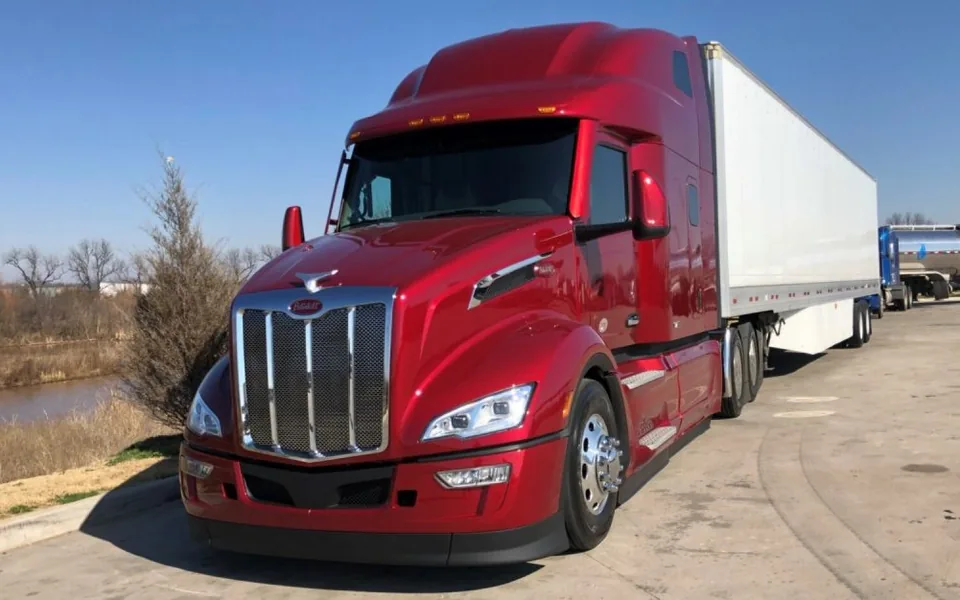
It may only look like a small part of the entire cooling system, but the radiator cap is very important in a truck! This tiny apparatus serves to maintain balanced pressure in the cooling system, which will prevent the coolant from boiling and therefore keep the engine temperature within reach.
The engine’s radiator cap acts as a lid on a pressure cooker; it seals everything, raises the boiling point of the coolant, and keeps pressure steady in the cooling system. It is also responsible for maintaining the circulation of coolant between the radiator and overflow tank.
Imagine if something were to go wrong with your radiator cap so that it would not support perfect pressure; do you know what would happen well enough to identify how bad the problem would be?
- Coolant Boiling: Lower pressure reduces the coolant’s boiling point
- Engine Overheating: Boiling coolant can’t effectively cool your engine
- System Damage: Continuous overheating can crack engine components
- Costly Repairs: What starts as a simple cap issue can end in major repairs
Regular testing of your radiator cap is the fastest, simplest way to prevent these problems. By inspecting the cap for its condition and performance, you save your truck from potential cooling system disasters and ultimately have an engine running at optimum conditions.
A Stepwise Guide If You Want to Test Your Radiator Cap Yourself
Testing a radiator cap doesn’t necessarily require any advanced mechanical skills; in fact, this important maintenance can be done right in your garage. So let’s walk through the procedure of inspecting a radiator cap to ensure it is working correctly.
1. Visual Inspection of the Radiator Cap
Safety First:
- Allow your engine to cool completely
- Never attempt to remove a radiator cap from a hot engine
- Wear protective gloves for added safety
Key Areas to Check:
- External surface for visible damage
- Spring mechanism inside the cap
- Metal components for signs of rust or corrosion
- Buildup of debris or residue around edges
Rubber Seal Inspection:
- Look for cracks in the rubber material
- Check for any deformation or warping
- Inspect for missing pieces or tears
- Examine seal flexibility – it should be pliable, not brittle
- Note any discoloration or deterioration
Signs of a Compromised Seal:
- Hardened or dried-out rubber
- Uneven wear patterns
- Visible gaps when cap is seated
- White or crusty mineral deposits
- Rubber pieces flaking off
If a visual inspection is done carefully, it can reveal early signals of malfunction rather than failure. Most importantly, the rubber seal on the radiator cap assists in maintaining adequate pressure. This means any compromise in its integrity will have damaging effects on engine cooling performance for your truck.
2. Pressure Testing Your Radiator Cap
A pressure test is the most reliable method to verify your radiator cap’s functionality. This critical test reveals whether your cap can maintain the correct pressure levels essential for your truck’s cooling system performance.
What You’ll Need
To perform a pressure test, you’ll need:
- A cooling system pressure tester
- Clean workspace
- Safety gloves
Testing Process
Follow these steps to conduct a proper pressure test. Attach your radiator cap securely to the pressure tester. Pump the tester gradually to match your cap’s specified pressure rating. Watch the pressure gauge carefully for any changes.
Heavy-duty truck caps typically operate between 13 to 16 PSI (pounds per square inch). Your cap should hold steady at its rated pressure without dropping. A properly functioning cap maintains this pressure consistently – any immediate pressure loss indicates a failing cap.
The pressure rating serves an important purpose – it effectively raises the boiling point of your coolant to prevent it from overheating when the operation becomes extremely laborious. A 15 PSI cap, therefore, raises its boiling point by about 45°F above normal and provides your engine with thermal protection under heavy loads.
Tip: Before testing, check the pressure rating for your cap; it is usually stamped on the cap itself. Using the correct pressure in a test will give meaningful results and avoid obtaining false readings that might suggest unnecessary replacements.
3. Checking If the Pressure Release Valve Works
A spring-loaded valve at the center of your radiator cap is the most effective safety feature in every engine. This specialized valve acts to relieve excess pressure into the overflow tank when pressure levels become dangerously high, thereby averting engine damage.
Here’s how to test your radiator cap’s pressure release valve:
1. Set Up Your Pressure Tester
- Connect your radiator cap to the pressure tester
- Make sure the connection is secure and properly sealed
2. Test the Release Function
- Pump the tester beyond the cap’s rated pressure limit
- Watch for the moment when pressure begins to release
- A properly functioning valve will open precisely at its rated limit
- The pressure gauge should show a steady decrease as excess pressure releases
3. Check Release Pattern
- The pressure should release smoothly
- Listen for any unusual sounds or sporadic pressure drops
- The valve should maintain consistent pressure after release
Red Flags to Watch For:
A few red flags to watch for include the valve opening before reaching its rated pressure, pressure releasing in sudden bursts, and the valve failing to open at maximum pressure. In addition, erratic pressure readings during release could specify failure of the pressure release valve in your radiator cap.
The pressure relief valve prevents the engine components from extra pressure strain and stress; It is a very tiny part but plays a major role in the cooling. Essentially, it directs all the excess pressure and the coolants into the overflow tank where it is required.
Recognizing Symptoms of a Faulty Radiator Cap and Knowing When to Replace It
A failing radiator cap sends clear warning signals you shouldn’t ignore. Here’s what to watch for:
Key Warning Signs:
- Visible coolant leaks around your radiator or overflow tank
- Unexplained coolant loss requiring frequent top-ups
- Engine overheating during normal operation
- White steam escaping from under your hood
- Swollen radiator hoses
If the pressure testing shows readings less than specified, then the radiator cap needs to be replaced immediately, as it can no longer hold proper system pressure. Moreover, if the rubber seal under the cap is worn out, cracked, or deformed, it cannot make a proper seal to that component and needs to be replaced. Even rust or residue on the surface of the cap signifies need for replacement since it can compromise function as well as safety.
Finally, any sticking or rough operation while checking the spring-loaded valve would indicate malfunction, which would prevent proper pressure regulation in your cooling system and make a new radiator cap necessary to ensure reliable performance.
Choosing the Right Replacement Cap
With the right pressure rating, the cooling system would really be effective. Heavy-duty trucks will usually have rated caps within 13-16 PSI range. For example, too many premature coolant boil- overs could expose the system to severe risks. As supplements to adding more pressure to the entire engine cooling system, these premature boil-overs create over-pressuring conditions for which car engines were not engineered. Eventually, using the wrong radiator cap increases the chances for overheating, placing your engine at risk for premature failure and the future integrity of continues running.
Pro Tip: You’ll find the required pressure rating stamped directly on your existing cap. Match this specification exactly when purchasing a replacement. A properly working radiator cap should keep pressure inside your cooling system at an optimum level so that the engine does not boil and the engine efficiently transfers heat.
Professional Services from Superior Truck and Trailer Repair
That’s why we’ve built a massive support network to keep you moving, inside and out, when your truck cools at the oddest times.
Emergency Response 24×7
A comprehensive range of emergency towing services is available to you around the clock and in every weather condition. Our mobile units are composed of the good mechanics that will jump on repairs with little or no notice. We can respond at the exact moment that you need us for anything pertaining to cooling systems with a quick response from our team. Even if your truck is stuck in the most remote part of the world, there are no distance limits-we’re going to be there with you as quickly as possible and as safely as possible.
Towing Services That Are Not Only Specialized
Our specialized towing really addresses light and medium duty trucks-never will your vehicle be neglected for that immediate professional attention it requires at that time. For all heavy towing needs, we’re going to make use of our trusted partner network in the seamless service of even the largest rigs. For each and every one of the impaired vehicles, we safely transport them with certified equipment supervised by experienced technicians.
Benefits of Mobile Service
Our Mobile Service provides onsite diagnostic and repair services for the modern technicians, bringing them to the customer’s location. With these features, our Mobile Service is certainly the most time-efficient option for busy fleet owners who require a speedy response. Whether it is an emergency cap change or repair on the cooling system, we assure quality service to keep your truck up and running without stepping foot in any repair shops.
We understand how vital it is to keep your truck running. Our mobile units carry essential parts and diagnostic equipment to fix “non-starter” cooling problems like radiator cap failure right where you’re stuck. The same high-quality service as our in-shop repairs, minus the requirement to move your disabled vehicle.
Choose Superior Truck and Trailer Repair
It seems like such an insignificant task to you: checking on the radiator cap. Yet, it’s one of those tasks that ought to be accommodated in the truck maintenance schedule. Some basic concepts of this DIY testing could either save the trouble of expensive repair jobs or keep the fleet right on schedule.
We strongly urge you to incorporate radiator cap testing into your preventive maintenance program. Whenever you need professional assistance with your cooling system or other truck repairs, our superior team at Superior Truck and Trailer Repair will be more than happy to oblige.
Need Professional Support for Your Semi Repair Needs?
For any semi-truck repair needs, rest assured you can count on our reliable and professional support. Call us today at (502) 789-6644: our response teams are available 24-7 for emergency repairs to get you back on the road quicker! Our experienced diesel repair techs have the training and experience to deal with whatever your truck may have wrong with it.
Truck Maintenance Services
We provide a whole range of deep truck maintenance services to ensure that your fleet runs effectively and smoothly. From scheduled preventive maintenance to diagnostic and emergency mechanical repairs, trust our dependable crew to give you excellent service every time.
Your truck’s performance matters to us, let us keep it running together!



