










Understanding the Water Pump’s Impact on Engine Cooling
Ever wonder how your truck remains cool in demanding work? The solution is in a little but tough piece of hardware: the water pump. One of the elements of your truck engine cooling system…

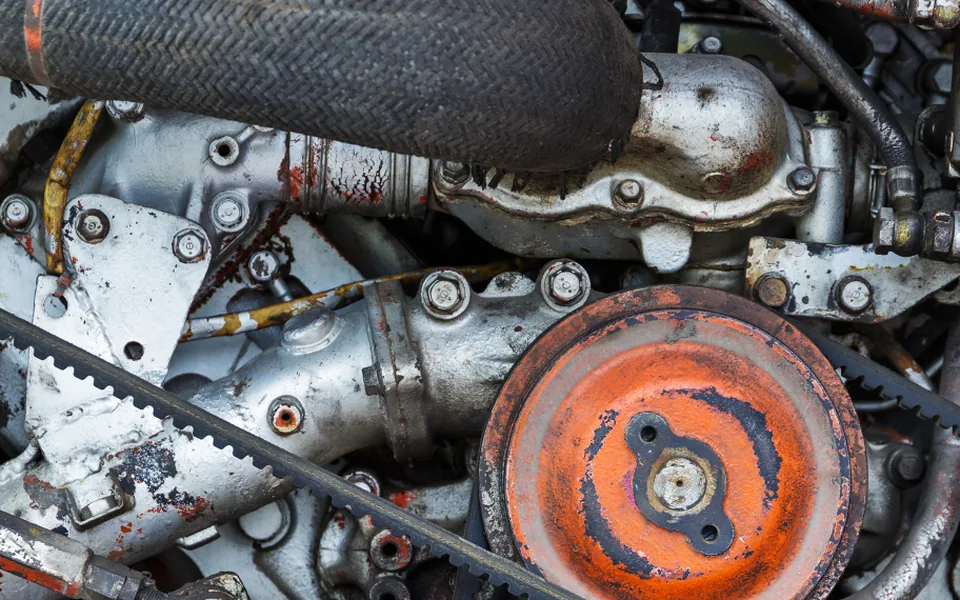
Ever wonder how your truck remains cool in demanding work? The solution is in a little but tough piece of hardware: the water pump. One of the elements of your truck engine cooling system, it works hardest to keep your truck from overheating and ruining your engine.
Your truck cooling system is actually a really sophisticated collection of elements working together:
Radiator: Serves as a heat exchanger, cooling hot coolant through thin tubes
Thermostat: Controls coolant flow depending on engine temperature
Cooling Fans: Draw air through the radiator in order to improve cooling capacity
Hoses: Carry coolant among components
Coolant: The fluid used for absorbing and transferring heat from the engine
Make your water pump the hub of this cooling system. It drives the coolant through these components, maintaining all at their respective operating temperatures, even on hot hauls. Your engine would be running in a hot rush otherwise, which translates to expensive damage or complete failure.
Knowing how your water pump works with these components of the cooling system makes you more capable of taking care of your investment and keeping your truck in showroom shape.
How the Water Pump Works in the Cooling System
Your truck’s water pump serves to pump the coolant around the various parts of the engine, controlling the heat effectively. Let us explore a bit more on how the system operates to keep your engine at its optimal temperature.
1. Heat Absorption
The water pump also has an important role in the heat transfer of the engine. Here’s how it does so:
The pump sends the coolant around the engine block.
It takes more heat away from the engine parts.
The rate of coolant flow is kept constant, thus allowing efficient absorption of heat.
2. Heat Transfer
After the coolant has picked up the heat from the engine, it must shed that heat somewhere in an effort to cool. This is where the radiator is utilized:
The hot coolant is routed to the radiator.
Coolant passes through thin tubes within the radiator.
Heat is dissipated into surrounding air as air moves around the tubes.
3. Temperature Regulation
After flowing through the radiator and letting off its heat, the coolant should get back to the engine in its optimal shape:
The cooled liquid returns to the engine.
It is in proper operating condition.
By preventing the engine from overheating, it keeps it running efficiently.
The Role of Other Components
Aside from the water pump, quite a number of components are responsible for the general operation of the cooling system:
- Radiator: Acts as a heat exchanger, expelling warm coolant through its extremely thin tubes.
- Thermostat: Controls coolant flow according to engine temperature; optimum efficiency ensured.
- Cooling fans: Augment heat exchange by circulating air around the radiator as required.
- Hoses: Enable safe flow of coolant amongst various components of the system.
- This synchronized action from all these components keeps your engine in the proper operating temperatures under any driving conditions. The steady flow engineered by the water pump ensures that hot spots in the engine block never happen so that the heat can be evenly distributed throughout.
Importance of Maintenance
Keep in mind that proper maintenance for this involved process has to be done for it to work as efficiently as possible. Proper checks and maintenance of parts like hoses, thermostats, and radiators will have them operate at their optimum to keep the temperatures constant.
The Role of a Healthy Water Pump in Sustaining Trucks
Your water pump is an essential piece of equipment for maintaining the health of your engine, and its periodic inspection will guarantee your heavy-duty trucks operate without unnecessary downtime.
Why You Require Water Pump Maintenance
Immediate water pump maintenance is required because it avoids sudden failure at crucial hauls, protecting your business from unwarranted interruptions that may interfere with your routine. It also protects the engine of your truck from catastrophic failure by keeping the cooling system in good working condition and withstanding severe utilization.
Regular maintenance on your water pump will keep your engine humming smoothly at consistent levels, and your truck will be optimally configured to drive and tow heavy loads. Maintenance, in the long term, will make the operation of your truck run smoothly, keeping repair costs low and downtime low as well.
A bad water pump destroys the entire cooling system and sets off a chain reaction of issues throughout your engine. When coolant flow becomes ineffective, engine components are left under extreme heat stress. That type of stress can warp metal components, destroy gaskets, and break engine blocks – all repairs that can run into thousands of dollars.
Heavy vehicles like 18-wheelers also have unusual issues. They must make their engines work harder, produce more heat, and be equipped with strong cooling systems to haul heavier loads. A weak water pump will not provide a sufficient flow of coolant to fight the intensive heat production.
The impact of neglecting water pump maintenance can be severe:
- Warped cylinder heads
- Blown head gaskets
- Cracked engine blocks
- Complete engine seizure
Regular checks on your truck’s water pump each day will identify issues in time enough before these can be full-blown problems. This maintenance ensures your truck keeps running smoothly and stays away from the subpar life brought about by ongoing overheating issues.
Indicators That Your Water Pump Requires Replacement
Your truck water pump provides a definite indication that it’s working under stress. Here are the critical signs you need to watch for:
1. Coolant Leaks
Check for puddles or drips around the pump area. Fresh coolant typically appears green, orange, or pink and has a sweet smell.
2. Unusual Engine Noises
Listen for:
- Whining sounds
- Grinding noises
- High-pitched squealing
These sounds often indicate worn-out bearings or a loose pulley in the water pump.
3. Temperature Spikes
Watch your temperature gauge closely. A failing water pump can cause sudden temperature increases, particularly during:
- Heavy loads
- Long-distance drives
- Stop-and-go traffic
Quick action when you notice these signs prevents major engine damage. One tiny seepage today will mean a total engine failure tomorrow. Replacing a water pump is much cheaper than an engine overhaul due to overheating.
Don’t let your truck disappoint you on the road. Regular checks pick up such giveaways in time so that your truck continues to run smoothly and saves you money on maintenance.
Keeping Your Truck’s Cooling System Reliable and Long-Lasting
The efficiency of your truck is a direct indicator of its performance and lifespan, and you cannot ignore the contribution of the water pump in facilitating this. Once you understand how crucial the contribution of the water pump is, you can make rational maintenance decisions in trying to keep your truck at its optimum.
Practices That Are Necessary to Maintain
Periodic fresh coolant flushes are a necessity to clear out debris and contaminants that will wreck your truck’s water pump. Clearing these destructive particles keeps the whole cooling system in working order. Regular checking of everything that makes up the cooling system, hoses, belts, radiator, and the water pump itself, is required not to be taken by surprise by a breakdown and to determine any problems before they develop into something worse. Correct levels of coolant are also important because this allows a steady coolness of the whole engine and the avoidance of overheating without putting too much pressure on the water pump. Also, use always factory-recommended coolant fluids; they are designed specifically to protect against corrosion and wear on internal components and give your truck’s cooling system an even longer lifespan.
A well-maintained cooling system enables your truck to carry heavy loads without straining. This systematic care translates into:
- Extended engine life
- Improved fuel efficiency
- Reduced repair costs
- Enhanced vehicle reliability
- Consistent performance under heavy loads
Your truck’s optimal working temperature relies on preventive maintenance. Regular servicing searches for potential problems before they become runaway problems. This prevention strategy keeps your cooling system in top operating order, safeguarding your engine against heat stress and damage.
Professional inspections should include thorough evaluations of the following:
- Coolant quality and concentration
- Hose conditions
- Belt tension
- Radiator efficiency
- Water pump operation
- Thermostat function
These maintenance practices protect your truck’s cooling system, providing consistent performance mile after mile.
Choose Superior Truck and Trailer Repair
Your truck’s water pump also works to maintain engine health, controlling coolant flow to maintain the proper operating temperature for your diesel engine. A working cooling system not only avoids breakdowns but also protects your investment and provides reliable performance on every trip.
Don’t wait when you already have problems. Do it ahead of time to keep the cooling system of your truck working today. At Superior Truck and Trailer Repair, we respect your time and offer complete maintenance work to ensure that your truck runs smoothly.
We’re here to assist you with:
- 24/7 towing support
- Roadside assistance
- Mobile service solutions
- Expert cooling system maintenance
- Professional water pump diagnostics and replacement
Want to make sure your truck’s cooling system is working optimally? Contact us at (502) 789-6644. Our skilled technicians are ready to help safeguard your engine and keep your truck on the road.



