

Maximize Your Truck’s Performance This Summer with These Maintenance Tips
The summer heat can put extraordinary pressure on the critical elements of your truck. From coolants to tires, everything in your truck is subjected to added stresses under hot conditions…


The summer heat can put extraordinary pressure on the critical elements of your truck. From coolants to tires, everything in your truck is subjected to added stresses under hot conditions. Your truck must be given special care when temperatures soar to operate at optimum levels and avert early breakdowns.
Your truck’s components work harder in extreme temperatures:
- Engine cooling systems struggle to maintain optimal temperatures
- AC systems face maximum load for driver comfort
- Tires experience accelerated wear on hot pavement
- Transmission and differential systems require proper fluid levels
- After-treatment systems need special attention in high-heat
We realize the critical need to have your truck in perfect operating condition during summer. In response, we’ve put together critical maintenance tips on priority items that are given special concern in summer weather. By doing so, you’ll be protecting your investment, avoiding expensive repairs, and having good performance in hot weather.
As we navigate through the scorching summer months, it’s vital to keep these tips in mind to ensure smooth operations and maintain the longevity of your truck.
1. Cooling System Maintenance: Avoiding Your Truck from Overheating in Hot Weather
Your truck cooling system is a vital component of your truck engine that ensures your engine performs well, especially during summer. By giving it some maintenance every now and then, you avoid expensive repairs and shock roadside breakdowns.
Essential Cooling System Checks:
- Check coolant levels every 15-20k miles
- Inspect hoses and clamps for wear
- Clean radiator surfaces regularly
- Test fan clutch operation
- Look for coolant discoloration
DD15 Engine Coolant Drain Procedure:
- Locate the drain plug under the fuel filter housing
- Place a suitable container beneath the drain point
- Remove the plug carefully to release the coolant
- Purge air pockets after refilling the system
Warning Signs of Cooling System Issues:
- High coolant temperature readings
- The coolant being pushed out of the system
- Radiator discoloration
- Irregular fan clutch operation
Fan Clutch Function Test:
- Start your engine from the cold
- Listen for fan engagement at normal operating temperature
- Check for smooth operation without unusual noises
- Verify proper disengagement when cooling isn’t needed
It’s important to note that you should not use stop-leak products in DD15 engines – they are known to clog small passageways and do more harm than good. Proper coolant flush cleans out impurities and keeps your cooling system operating at peak conditions under hot summer weather.
2. Air Conditioning System Care for Summer Comfort and Reliability
Your truck’s AC system needs special attention after sitting idle through the winter months. Moisture buildup during inactive periods can severely damage your AC compressor – a costly component to replace.
Critical AC System Maintenance Tips:
- Check and replace clogged cabin air filters to maintain proper airflow
- Service your AC system after long periods of inactivity
- Inspect delicate aluminum lines for potential damage
- Ensure proper system evacuation and recharge procedures
Warning Signs of AC System Issues:
- Reduced cooling efficiency
- Unusual noises from the compressor
- Weak airflow from vents
- Moisture or water spots inside the cabin
A common mistake we see is replacing AC lines without properly flushing the system. This oversight often leads to compressor failure due to contamination. When a compressor locks up, simply replacing it won’t solve the underlying issue. The entire system requires:
- Complete system flush
- Expansion valve replacement
- Thorough evacuation
- Professional recharge with the correct refrigerant amount
Cabin Air Filter Maintenance
Clean cabin air filters play a crucial role in your comfort and health during summer drives. A clogged filter:
- Reduces AC efficiency
- Restricts fresh air circulation
- Creates unpleasant odors
- Allows dust and allergens into your cabin
We recommend checking your cabin air filter monthly during the peak summer season. This easy maintenance procedure greatly enhances your driving comfort and AC system performance.
3. Tire Inspection and Replacement: Improve Road Safety on Hot Roads
Summer heat imposes a greater load on your truck’s tires, and therefore, regular checks are necessary for your safety. Let us discuss important tire maintenance practices to avoid dangerous road conditions on hot roads.
Steer Tire Safety Checks
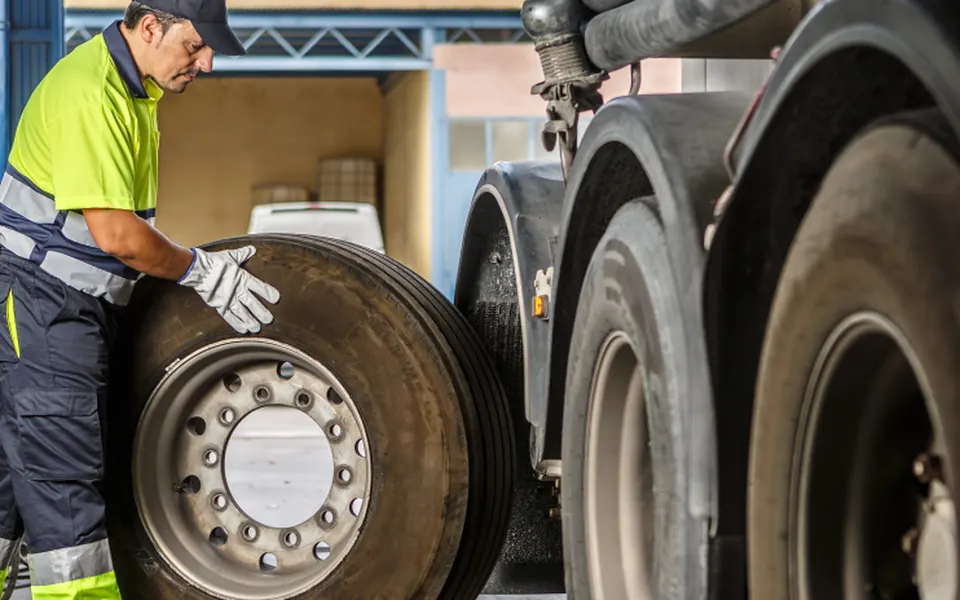
Regular tire inspection of your steer tires is crucial for safety, especially during summer when heat causes more wear and tear. It’s important to carefully inspect the tread wear pattern on your tires; uneven wear may indicate alignment problems that need immediate correction. This underscores the importance of regular semi-trailer alignment checks. Look for signs of distress such as cracks on the sidewall, blisters or bulges, and uneven tread wear. If you notice any of these warning signs or damages, you must replace your steer tires immediately to avoid potential blowouts or accidents on the hot highways.
The Truth About Recap Tires
Although recap tires appear affordable at first, they are very dangerous. Never install recaps on front wheels because there is a higher risk of separation with heat. This could result in a loss on your truck when it collapses, which will also involve extra repair money from accidents or breakage.
Heat Impact on Tire Life
Hot summer roads increase tire wear by higher friction between the tire and the road and higher breakdown of rubber chemicals. Higher internal tire pressure due to expansion caused by heat can also increase this wear and tear.
Recommended Summer Tire Practices
For optimal safety and performance during the summer months, it’s essential to replace your tires before they reach the minimum tread depth. Worn-out tires increase the risk of blowouts, especially when roads are hot and more likely to accelerate tire wear.
Always ensure that your tires are properly inflated. For instance, measuring tire pressure when tires are cold is crucial because driving heat warms air in tires and gives inaccurate readings if measured after driving. Regular tire rotation, as advised by manufacturers, promotes equal wear and extends tire life.
For individuals using tires under extreme temperature conditions, it might be necessary to replace tire compounds with heat-resistant materials that maintain structural integrity at high temperatures.
It’s a small price to pay compared to the potential cost of a blowout on the highway. Well-maintained tires not only enhance safety but also lead to improved smoothness and more predictable ride conditions this summer. If you’re managing a fleet of vehicles, remember that semi-truck tire maintenance is more important than you might think.
4. Engine and Fuel System Checks to Maintain Power Under Hot Stress
Your engine is most strained on hot summer days. Let’s dive into important maintenance to get your engine purring. For those considering a more robust solution, a diesel engine conversion might be worth exploring as it can significantly improve performance under stress.
DD15 Injector Maintenance
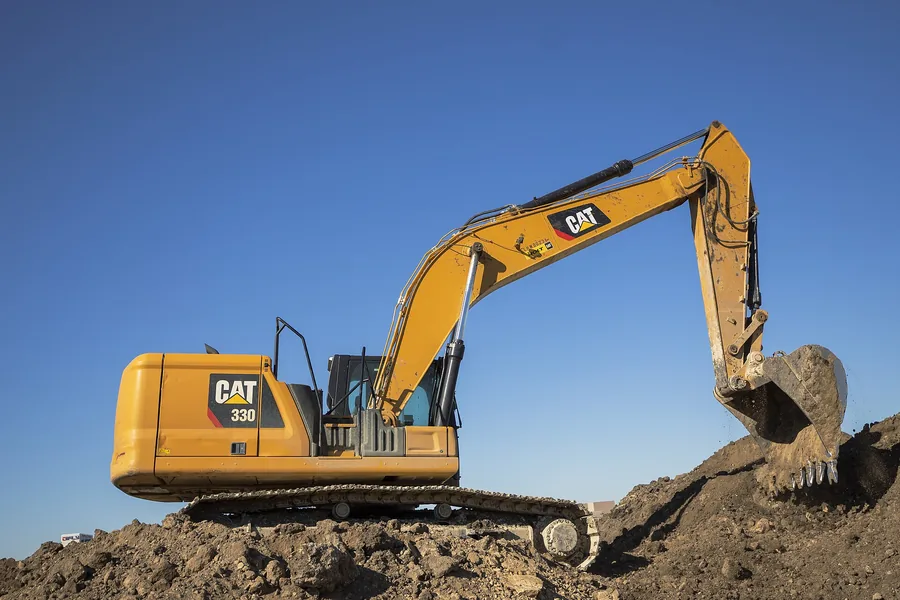
Faulty injectors can significantly impact the performance of your engine. Replacing DD15 injector lines should be done with caution. Our experts, including Adam and Francisco, handle these delicate parts with the right equipment to prevent harm when replacing them. It’s similar to how construction equipment is handled on-site; they are treated with care and precision, often using specialized machinery that is typically yellow in color.
Critical Fuel System Care
To keep your fuel system in top shape, it’s essential to follow some key suggestions. For instance, fuel filters should be replaced every 15,000-20,000 miles. However, if you notice low power indications, it may be time to replace the filters earlier than scheduled.
Common Engine Warning Signs
Your engine might need immediate attention if you experience:
- Cylinder misfires (particularly in cylinders 1 or 6)
- Irregular engine sounds
- Valve adjustment issues
- After-treatment codes 13 or 23
- Power loss in DD15 engines
Diagnostic Support
When experiencing issues with your DD15 truck, we recommend seeking professional diagnostics. Our shop specializes in power loss diagnosis for these trucks, ensuring proper code writing for new injector programming and comprehensive system checks.
It’s crucial to maintain detailed service records of all engine work. These records prove invaluable for tracking maintenance intervals and identifying recurring issues before they escalate in the summer heat.
In addition to traditional diesel-powered transport solutions, it’s worth considering the emerging trend of hydrogen semi-trucks, which are shaping up to be a very worthy alternative. These vehicles offer a greener future in transportation, and understanding their mechanics could also be beneficial for your truck’s overall performance and longevity.
5. Transmission and Differential Maintenance for Longevity in Summer Use
Proper transmission maintenance becomes critical during hot summer months, particularly for older truck models lacking built-in oil level sensors. A well-sealed transmission system prevents fluid loss – a common issue that can lead to severe damage when temperatures rise.
Critical Transmission Care Tips:
Check your transmission seals regularly for leaks to keep your car’s transmission life in good condition, especially when it is hot in the summer. It’s crucial to check transmission fluid levels before taking long road trips since low transmission fluid will make your car overheat and cause severe damage inside. As soon as you notice any leak, repair it right away, driving with no oil in a transmission can lead to complete failure, even if your gears otherwise are in excellent condition.
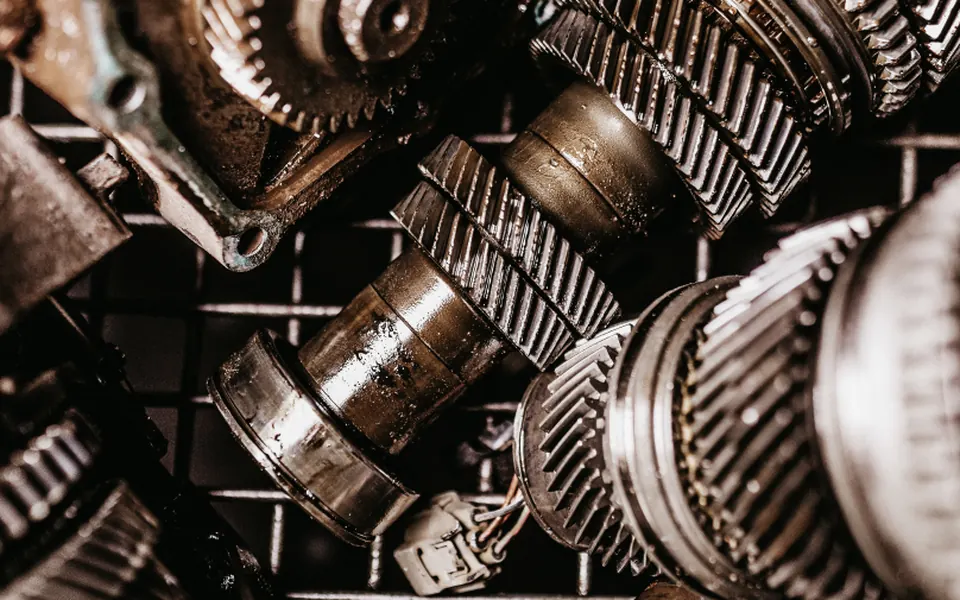
A further important maintenance technique is searching for metal shavings in magnets or on the bottom of the transmission. Their presence is a definite sign of inside damage and should be inspected just before further issues arise. If you’re dealing with an automatic transmission, be aware of some common issues that may arise, such as shift problems.
Warning Signs of Transmission Issues:
- Unusual noises during gear changes
- Delayed or rough shifting
- Fluid puddles under your parked truck
- Burning smell from the transmission area
Your differential requires less frequent attention but demands equal care. We recommend changing differential oil every 500,000 miles to maintain optimal performance. This interval helps protect your drivetrain components from excessive wear and prevents heat-related breakdown of lubricating properties.
Pro Tip: During hot weather operations, pay extra attention to your transmission temperature gauge. Elevated readings might indicate low fluid levels or developing seal issues that need immediate attention.
After-Treatment System Awareness During Hot Seasons
Your truck’s after-treatment system needs extra attention during hot weather. Here’s what you need to watch for:
DPF Filter Maintenance:
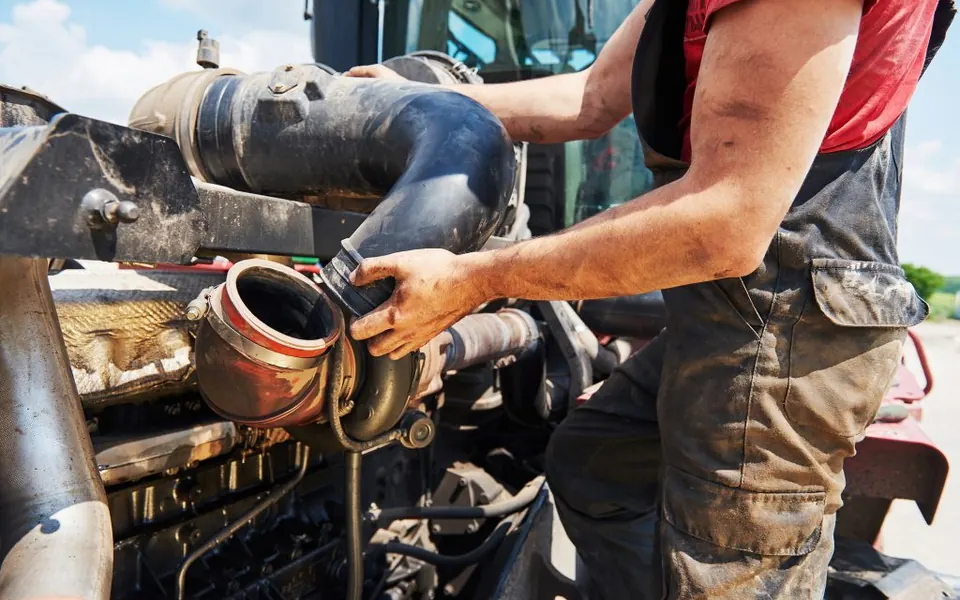
Inspect your DPF filter size occasionally, if it is over 4 inches, replace it for proper filtering and system function. Also, examine the filter for any signs of oil contamination, as this might indicate a hidden engine or after-treatment issue that must be resolved immediately. Running your truck in temperatures without the use of an Auxiliary Power Unit (APU) might also put excessive stress on your after-treatment system, which is not desirable.
Keeping an eye on and fixing any live diagnostic codes the minute they come up will prevent minor problems from snowballing into an expensive repair bill. It’s important to check your after-treatment system year-round and perform maintenance in a timely manner to ensure its health during the dog days of summer. This includes regular checks on your EGR & DPF systems, both of which are crucial for protecting our natural environment from your engine’s emissions.
DEF Fluid Management
Avoid using bulk truck stop DEF containers, as these can often introduce contaminants into your system. Instead, always use clean, sealed containers to ensure the integrity of your DEF fluid. For optimal performance and to prevent after-treatment system issues, replace DEF pump filters every 100,000 miles or annually if you’re an over-the-road (OTR) driver. This routine maintenance step will help protect your emission system and keep your truck running efficiently during the summer months.
DEF Fluid Management:
Avoid using bulk truck stop DEF containers, as these can often introduce contaminants into your system. Choosing clean, sealed containers to ensure the integrity of your DEF fluid is best. For optimal performance and to prevent after-treatment system issues, replace DEF pump filters every 100,000 miles or annually if you’re an over-the-road (OTR) driver.
Pro Tip: Regular DPF and DEF filter cleaning becomes crucial when your truck hits the 500k mile mark. Check for codes 13 and 23 after treatment – these may be indicators of system issues that need immediate repair, particularly during hot weather conditions. It’s essential to address these most common semi-truck aftertreatment system DPF issues promptly to ensure your vehicle’s optimal performance.
Choosing the Right Maintenance Services This Summer
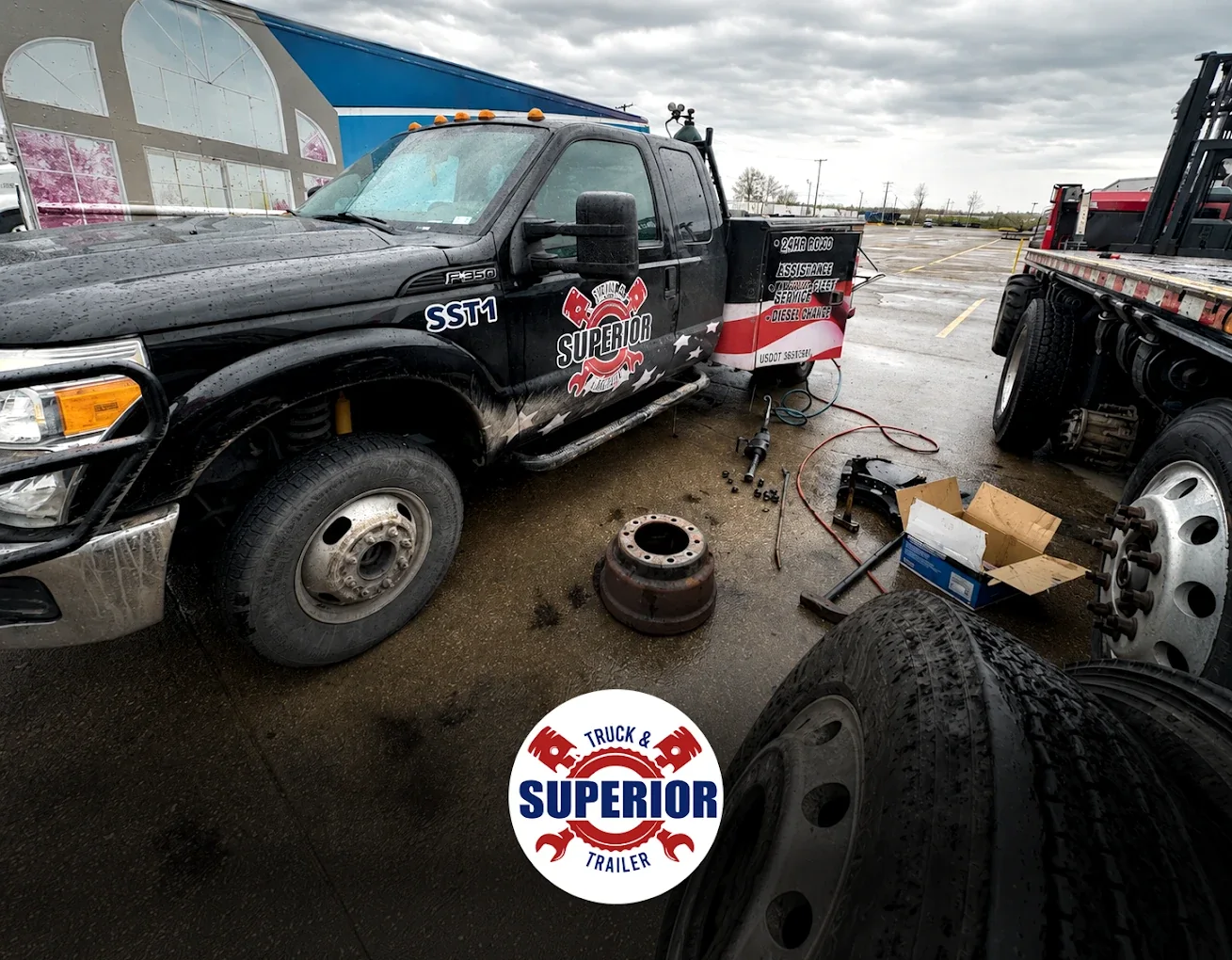
At Superior Truck and Trailer Repair, we understand your truck needs don’t follow a schedule. That’s why we offer 24/7 mobile service and towing support – bringing expert repairs directly to your location, any time, anywhere.
Our experienced technicians, Adam and Francisco, specialize in:
- Complex diagnostics
- Emergency repairs
- Preventive maintenance
- Heavy-duty towing through our trusted industry partners
We urge you to make us a routine maintenance stop so that you can catch issues before they become expensive roadside breakdowns. Regular engine maintenance is crucial for preventing costly repairs in the future. Explore the critical importance of regular engine maintenance and how it serves as a powerful tool in avoiding expensive fixes.
In case of emergencies, remember that we offer 24/7 heavy-duty roadside assistance service. Our mobile service is also available round the clock, meaning we can come to you instead of you having to drive to our shop. If you’re facing complex issues like diesel repair, it’s essential to avoid common mistakes that can escalate the problem. Learn about these common mistakes that diesel repair mechanics often make.
To ensure your vehicle is always in top shape, we recommend regular preventive maintenance visits. This not only helps in identifying potential issues early but also saves you from expensive roadside breakdowns.
Common Summer Truck Issues and How To Address Them
Hot weather brings specific challenges for truck maintenance. Here’s what you need to watch for:
AC Compressor System Issues
- Moisture accumulation during inactive periods damages components, similar to how moisture can affect diesel systems in single axle semis.
- Replacing single components without system flush leads to repeat failures, much like the need for a complete system flush and expansion valve replacement when servicing an AC compressor.
Solution: Complete system flush + expansion valve replacement when servicing.
Engine Cooling Problems
- A discolored radiator indicates internal contamination
- Coolant pushing out signals potential system failure
Solution: Regular radiator cleaning, fan clutch inspection
Tire Safety Concerns
- Heat accelerates wear on recap tires
- Front-wheel recaps create dangerous blowout risks
Solution: Replace worn steer tires immediately, avoid recap use on front axles
DPF System Complications
- Hot climate operation increases contamination risk
- Filter size exceeding 4 inches signals replacement need
- Running without APU in heat damages after-treatment components
Solution: Regular DPF monitoring, timely filter replacement
Choose Superior Truck and Trailer Repair
Don’t let the summer heat catch your truck unprepared. At Superior Truck and Trailer Repair, we’re ready to help you maintain peak performance through the hottest months.
Our experienced technicians provide comprehensive maintenance services to keep your truck running smoothly:
24/7 Mobile Service – We come to you, anywhere, anytime
Emergency Towing – Heavy-duty towing through our trusted network
Expert Diagnostics – Thorough inspections and precise repairs
Preventive Maintenance – Regular service to avoid costly breakdowns
Your truck’s reliability is our priority. We handle everything from AC system flushes to DPF filter replacements, ensuring your vehicle stays on the road when temperatures rise.
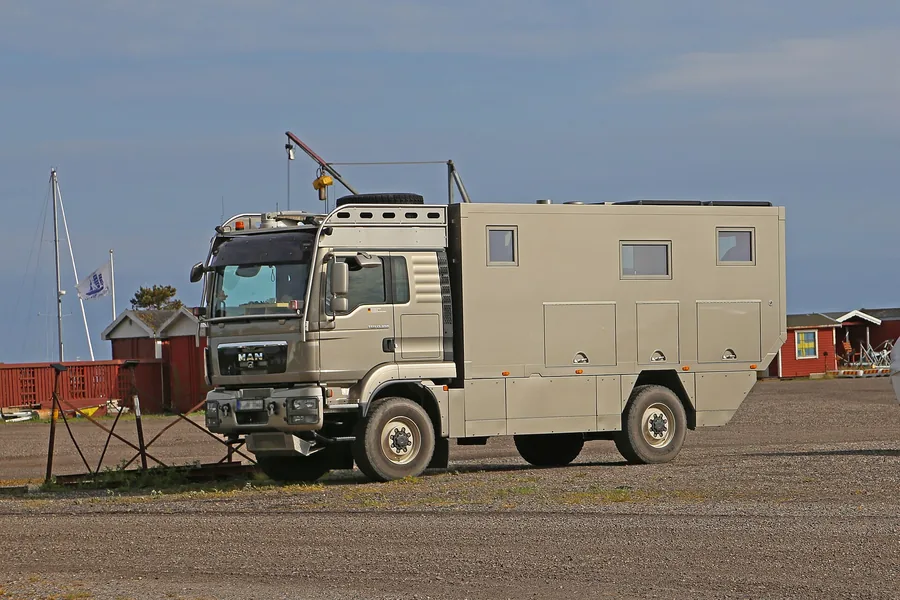
We understand that American and European trucks are very different, which can be key knowledge for anyone in the trucking industry. Our services also extend to RV repair, as RVs typically incorporate heavy-duty diesel engines and transmissions similar to powerful trucks.
In addition to trucks, we also offer heavy equipment repair for various types of heavy machinery. Our professional oil and fluid services ensure your heavy-duty truck runs smoothly with top-notch oil changes and fluid maintenance.
If you’re facing issues with your inverter shutting off, we provide solutions on how to change the low voltage cut-off. For those dealing with winter challenges, we have a guide on installing snow chains on your semi-truck.
To maximize your truck’s summer performance, consider our preventative maintenance services. These regular checks can prolong your vehicle’s lifespan and save you money in the long run.
Whether it’s a simple tire repair or a complex engine rebuild, our team at Superior Truck and Trailer Repair is dedicated to keeping Louisville’s fleet moving. With advanced diagnostic tools and a fleet of mobile service trucks, we can tackle any repair job efficiently.
Call us today at (502) 789-6644 for expert diesel repair and maintenance services. Schedule your preventive maintenance visit today and drive with confidence through the summer season.