
Check Tire Pressure Efficiently and Inflating Tires on Your Semi Truck
Your semi truck tires are the most important components for both performance and safety while on the road. Regular tire pressure maintenance is not just a normal routine, but an investment…

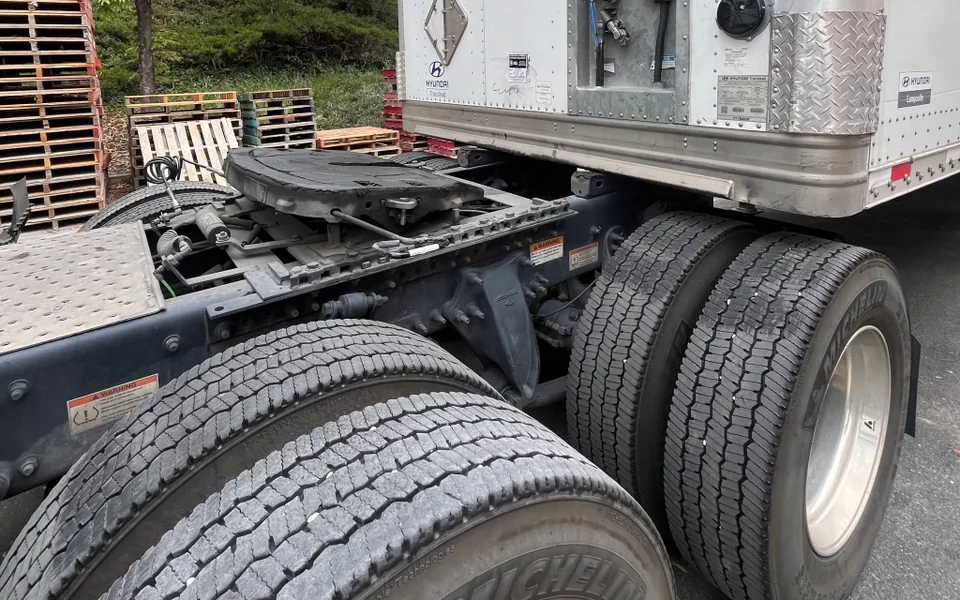
Your semi truck tires are the most important components for both performance and safety while on the road. Regular tire pressure maintenance is not just a normal routine, but an investment in the efficiency and length of your truck.
Tire Wear and Pattern
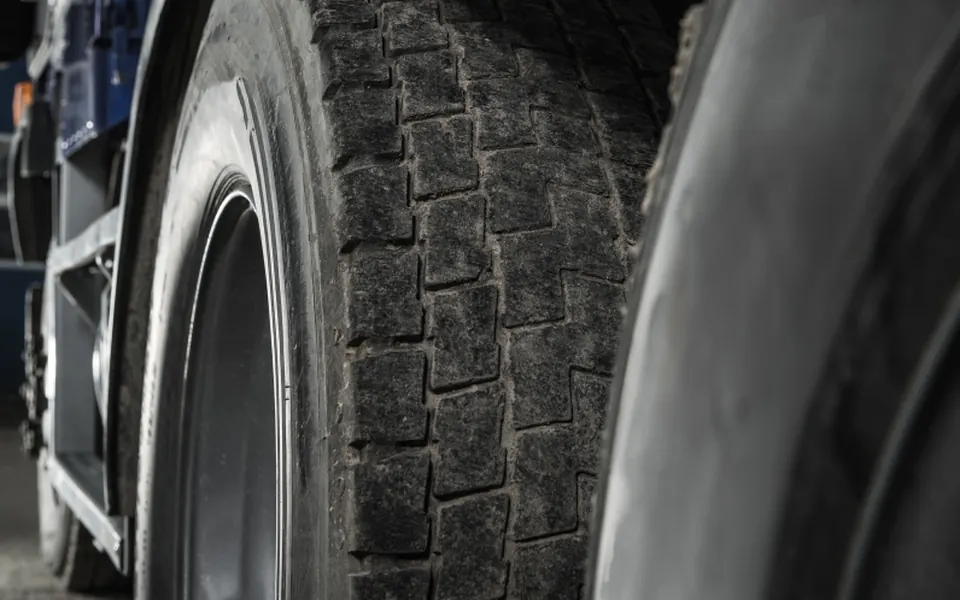
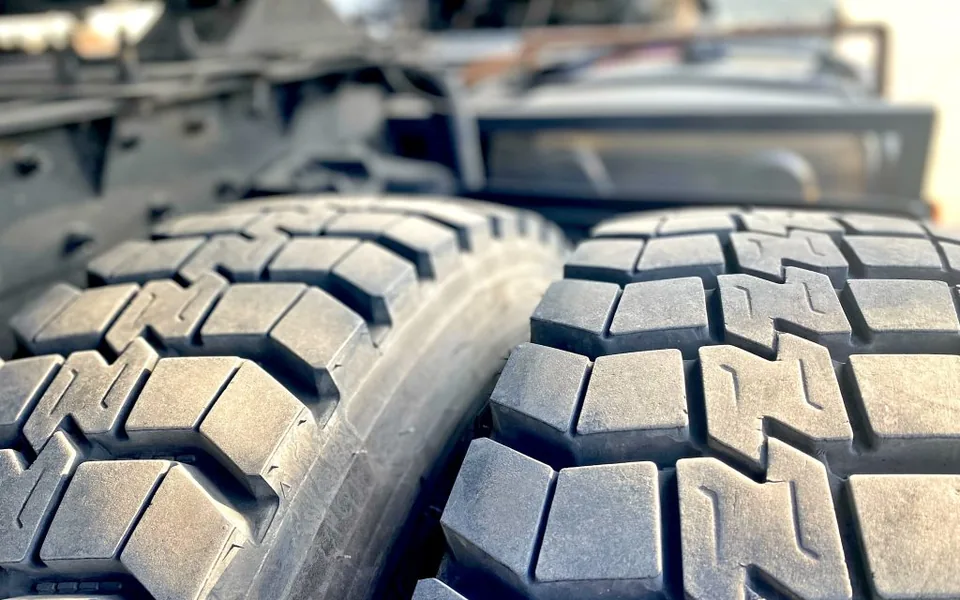
Proper tire pressure has a direct relation to both your tread pattern and tire wear. It maintains even tread patterns, reduces cupping issues, prevents sidewall cracking, and extends the life of your expensive tires.
Fuel Efficiency Benefits
Properly inflated tires make your truck run more efficiently. Think of it this way: with under-inflated tires, you get more rolling resistance, so the engine has to work harder and burn more fuel. Maintaining the right tire pressure will show you a pretty noticeable difference in your fuel mileage.
Safety Considerations
It’s not just maintenance, it’s safety on the road. Running on the wrong tire pressure can cause uneven wear patterns, decreasing traction and increasing the potential for a blowout. It may bring better handling, and this only requires an easy 15-minute check every 3 to 4 weeks to make all the difference in your truck’s performance. With tires being such a huge investment, that little bit of time saves real money in terms of gas economy and tire life.
Recommended Tire Pressure Levels
Your semi truck has different tire pressure requirements depending on axle position. Steer tires, located at the front of your truck, require 105 PSI for precise steering control and maintaining directional stability. Drive tires, found on the rear axles, need 100 PSI for improved traction and help distribute weight across the tire surface.
These are suggested pressures, but several variables can influence your ideal tire pressure settings: payload weight distribution, road surface and terrain, weather and temperature considerations, and tire size and type of construction. These numbers will do for most common applications, but it’s always a good idea to check your specific truck’s recommendations. Different manufacturers might recommend varying degrees of inflation depending on vehicle make and model/year, axle weight ratings, tire manufacturer recommendations, and application, whether long-haul or regional hauling.
Basic Tools for Tire Maintenance
Your semi truck’s tire maintenance requires just a few basic, affordable, and accessible tools to get started.
Essential Equipment
A high-quality tire gauge is crucial for accurate pressure readings and should be durable enough for long-term use. An air chuck that attaches to your truck’s red line enables fast and easy tire inflation and pressure adjustments. The glad hand coupling system creates a secure connection between your truck’s air system and inflation equipment, stabilizing air supply, ensuring constant pressure flow, and preventing air leakage during the process.
Most truck stops stock these essential tools, making it simple to assemble your maintenance kit. Drivers typically prefer purchasing from name-brand truck supply stores or established online retailers to ensure tool reliability and quality. Investing in good-quality tools proves beneficial in the long run for maintaining a consistent and precise tire maintenance routine.
Step-by-Step Guide to Tire Checking and Inflation
Maintaining optimal tire pressure is a straightforward process that takes approximately 15 minutes for the entire tractor. Here’s a comprehensive guide:
Recommended Inspection Schedule
Regular checks should be scheduled every 3 to 4 weeks during routine maintenance. It’s advisable to inspect before long hauls or following significant weather changes.
Pre-Inspection Safety Steps
Position your truck on level ground, secure wheels against movement, ensure the engine is running, and verify the air system is fully operational.
Tire Pressure Check Procedure
Remove valve stem caps, firmly press the tire gauge against the valve stem, take readings for each tire, and compare with recommended pressures (Steer tires: 105 lbs, Drive tires: 100 lbs).
Inflation Procedure
Connect the glad hand coupling to the truck air system, verify system pressure, attach the air chuck to the tire valve, add air gradually to reach the set pressure, verify with your gauge, and securely replace valve stem caps.
Top Tips for Smart Inflation
Keep the truck running during inflation, listen for air leaks, check every tire thoroughly, consider tire temperature when checking, and maintain records to track usage patterns.
This routine maintenance helps prevent uneven tread wear, reduces sidewall cracking risk, and improves fuel efficiency. The small time investment in regular pressure checks yields significant benefits in tire longevity and vehicle performance.
Cost Savings of Regular Tire Maintenance: Your Semi-Truck
Let us look at some numbers. The tires of a semi-truck are one heck of an investment in your business. A single tire can literally cost hundreds of dollars, and your rig needs quite a number of them to keep rolling. That is why smart tire maintenance is not merely about safety; it’s about saving your bottom line.
Here’s what proper tire maintenance saves you:
- Extended Tire Life: Regular pressure checks prevent uneven wear patterns and premature tire replacement
- Fuel Economy Boost: Correctly inflated tires reduce rolling resistance, cutting down your fuel costs
- Reduced Risk of Blowouts: Preventing expensive roadside repairs and costly downtime
A set of 18 semi-truck tires can be up to $6,000. Properly maintained, those tires will go 20-30% farther. That puts $1,200-$1,800 on your bottom line, per set. Under-inflated tires can decrease fuel efficiency by up to 3%. For a truck that uses $50,000 in fuel yearly, having regularly maintained tires can save up to $1,500 yearly from the fuel you don’t buy alone. The 15 minutes you spend every couple of weeks checking tire pressure is a small price to pay for the big dividends it pays out.
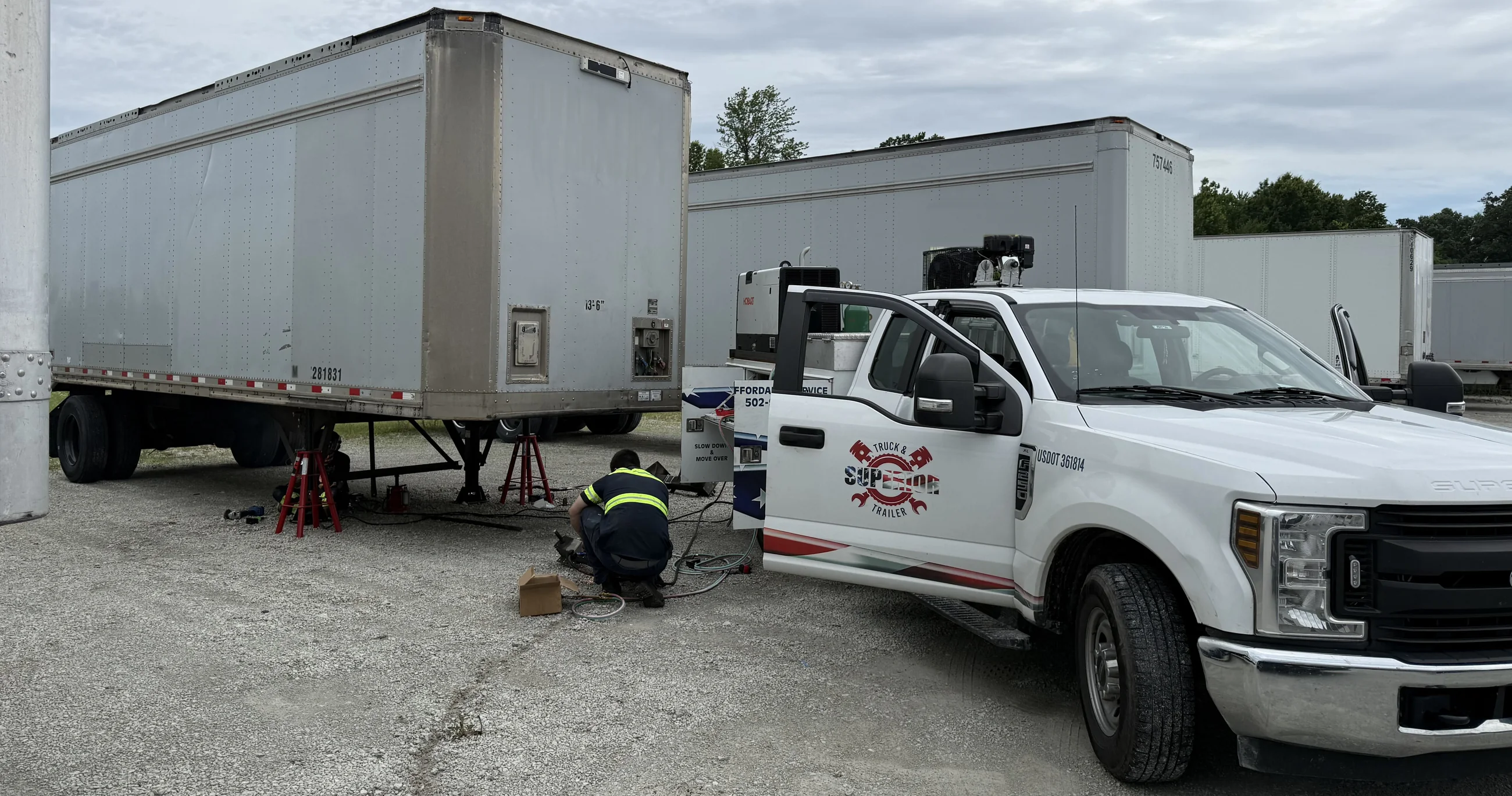
Your tires will last longer, your gas mileage will improve, and expensive roadside emergencies won’t be lurking in your future. The tool you need to do these checks is relatively inexpensive and easy to come by at most truck stops, so this is certainly one of the most cost-efficient maintenance habits you can adopt. Your semi-truck needs more than just a tire service. Built on a reputation for offering a complete range of services, we at Superior Truck and Trailer Repair work hard to keep your truck running at its optimum.
24/7 Emergency Support Services:
- Roadside assistance
- Mobile repair service
- Emergency repairs
- Diesel repair solutions
Towing Services:
- Light-duty truck towing
- Medium-duty truck towing
- Heavy-duty towing through trusted industry partnerships
We understand that breakdowns don’t follow a schedule. That’s why our team stays ready to respond to your needs around the clock. When you’re stranded on the road, our mobile service units bring the repair shop to you, minimizing your downtime and getting you back on schedule.
Service Coverage Area
We do not limit our service area, we will go as far as necessary to serve you. Our commitment to keeping your truck on the road spans the region, ensuring you are never more than a stone’s throw from professional help. Quality and reliability are in each of our services. We have trained technicians with the right equipment and knowledge on hand, ready to come out directly to you for the needed repairs. From minor fixes to major repairs, we are there for your trucking operations with as little intrusion into your schedule as possible.
Contact Superior Truck and Trailer Repair for All Your Semi Truck Maintenance Needs!
Proper tire maintenance is a small investment that pays big dividends for your semi truck in performance and longevity. A simple 15-minute routine can transform your truck’s efficiency, safety, and operational costs.
Ready to service your semi truck’s tires or need professional help? Our team at Superior Truck and Trailer Repair is ready to assist. We strive to keep your truck in top form with our professional tire maintenance services.
Call us today at (502) 789-6644 to schedule a tire inspection, get professional maintenance advice, get 24/7 emergency assistance, or learn more about our complete truck services. Your truck’s performance is our concern, let’s keep those wheels rolling efficiently together.