Semi Truck Tire Repair: What to Check Before You Hit the Road
Every lost hour on the shoulder costs money, momentum, and sometimes a load. The majority of tire blowouts or “mystery” flats are preventable by catching telltale signs before they happen…

Every lost hour on the shoulder costs money, momentum, and sometimes a load. The majority of tire blowouts or “mystery” flats are preventable by catching telltale signs before they happen. At Superior Truck and Trailer Repair, we’ve seen too many times how small leaks develop into shredded tire sides, how underinflation wears out a casing, and how potential damage can be avoided through a routine pre-trip inspection.
This article explains what you should be looking out for prior to starting your trip, which problem requires repairs rather than replacement, and when it makes sense to get a professional opinion.
Pre-Trip Tire Walkaround That Actually Works
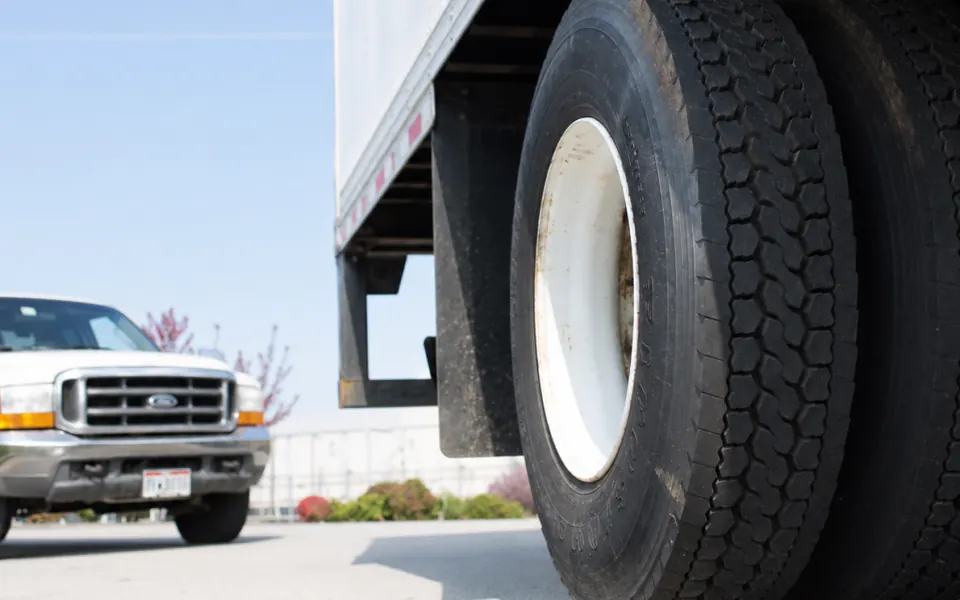
The proper pre-trip tire inspection isn’t a cursory one. We advise doing the same walk around each time you perform an inspection. Start at the driver’s side steer tire and continue around until you return to where you started.
Check for obvious problems first – such as a tire that appears low, a bubble on the tire’s side, cords exposed, or a gash that recently appeared. If something appears “odd” to you, investigate further before proceeding. A few minutes here can save you a roadside service call later.
Air Pressure And Inflation: The #1 Blowout Trigger
Underinflation is the biggest tire killer we deal with. It builds heat, flexes the sidewall, and can destroy a casing fast, especially at highway speeds and heavy weights. Don’t rely on a tire that “looks fine.” Duals can hide low pressure, and a slightly low steer can still look normal.
If you have a TPMS, use it, but still verify with a gauge during your routine checks. Temperature changes overnight can swing PSI more than drivers expect, and a slow leak can go unnoticed until it becomes a real problem.
Sidewall And Tread Inspection: What Damage Means Trouble
Sidewalls tell the truth. Check both the inside and outside sidewalls when you can, especially on steers. Watch for cuts, bubbles, deep cracking, or scuffing from curb hits. A sidewall bubble usually means internal damage, and that tire is living on borrowed time.
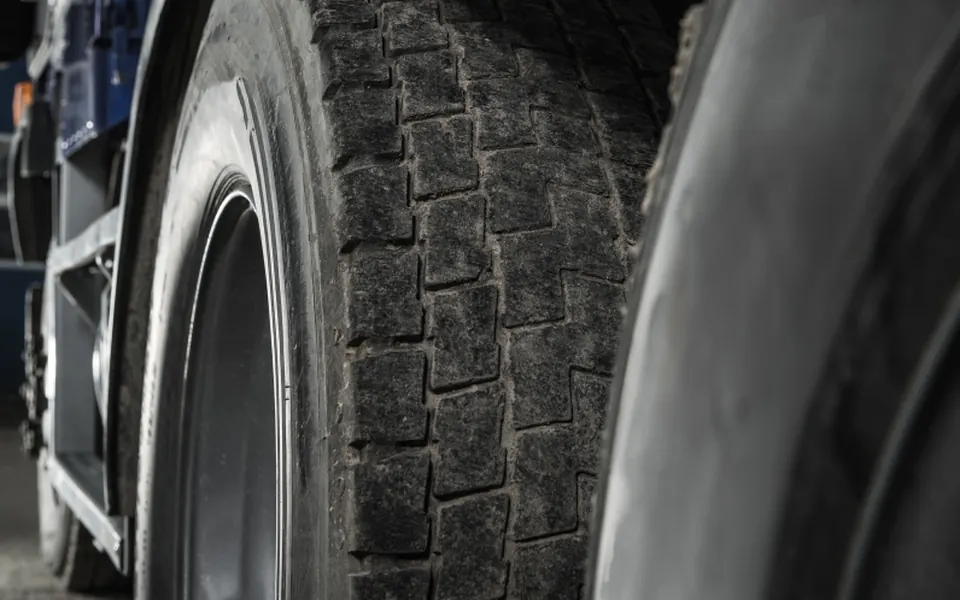
On the tread, check for uneven wear patterns. Cupped, feathered, or single-shoulder tires signal misalignment, problems with the suspension system, or constant underinflation of tires. In addition, always pay attention to any embedded objects in tires – a screw, a nail, or other types of metal debris. It might not cause a problem immediately, but sooner or later, this item may shift its position and start leaking.

Dual Tires: Don’t Ignore Mismatched Or Low Mates
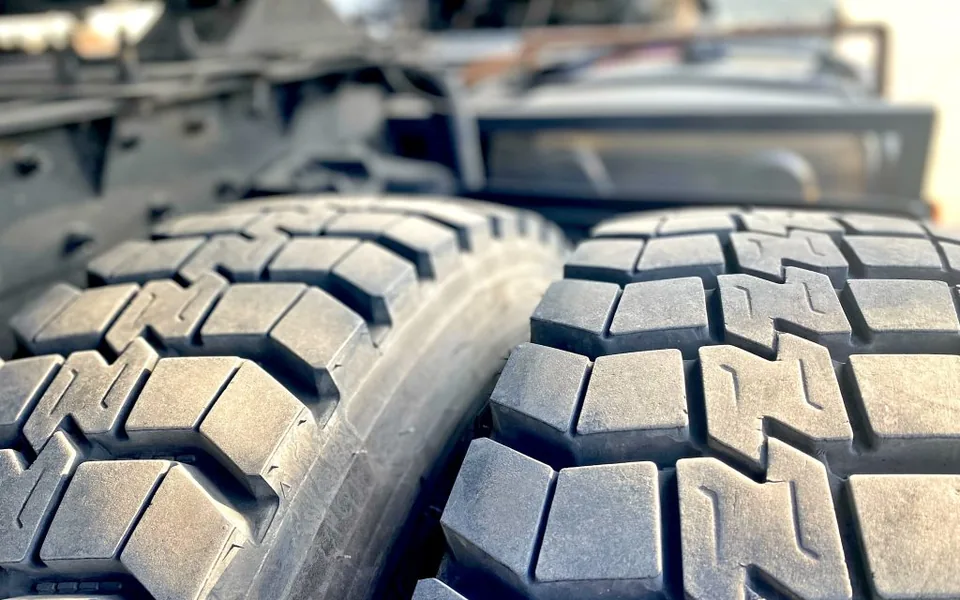
Duals are where a lot of preventable failures start. If one tire in a set is low, the other carries extra load and heats up. That’s when you get rapid wear, belt separation, or a blowout that takes out a mudflap or airline.
Check the gap between duals. If you see rocks lodged between them, remove them before they drill into the rubber. Also watch for duals that look “closer” than normal; that can signal a low tire or a sizing mismatch.
Valve Stems, Caps, And Slow Leaks
More leaks than most realize occur at the valve assembly. Check the rubber stem for cracks or bends. Also, inspect the metal portion of the stem for damage and ensure there are no signs of rust. The valve cover must remain on – it protects the rubber seal from outside contamination and keeps moisture away.
If there’s any question about a leak, listen for an audible hiss and try spraying some soapy water around the valve core. In real-world fleet scenarios, we often see drivers top off air repeatedly without addressing the cause, and that usually ends in a roadside failure.
Wheel Ends And Hardware: The “Not A Tire” Problems That Kill Tires
Sometimes the tire looks fine, but the wheel end is the real issue. During your walkaround, look for:
- Rust trails or wetness that could indicate a hub seal leak
- Missing lug nuts, loose-looking hardware, or shiny wear marks around studs
- Heat signs like discoloration on the wheel, especially after a short run
If a wheel end is running hot, the tire is taking the heat too. That can cook the casing and create a failure that looks like a tire problem when it started at the hub.
Repair Or Replace: What’s Safe And What’s Not
Not every puncture can be repaired, and not every “repairable” tire is worth saving if the casing is compromised. In general, tread-area punctures are more likely to be repairable than shoulder or sidewall damage. Sidewall punctures, bulges, and significant zipper-risk damage from running flat are typically replacement territory.
A good repair is more than plugging a hole. Tire repairs for commercial vehicles require proper inspections and patches/patch plugs, depending on the extent of the injury. In the case of an under-inflated tire, the damage inside the tire will likely exceed the external injuries.
When To Pull Over and Make The Call
If there is rapid deflation, swelling of the sidewalls, cords are visible, and signs of running the tire while flat, do NOT try to “just make it to the next stop.” In this case, your situation will escalate into additional wheel damage, possibly body damage as well, and the associated costs.
Just give us a call to make sure everything is all right. We would prefer helping you ahead of time rather than meeting you on the roadside with shredded tires and missed deadlines.
Let’s Get You Back On The Road Safely
Pre-trip inspection can be the determining factor in a problem-free or costly journey. If you require tire inspection services, tire repair solutions, or just need assistance in reducing downtime associated with tire-related problems in your fleet, feel free to contact our pros here at Superior Truck and Trailer Repair in Louisville, KY, at (502) 789-6644 today!