










Most Common Semi Truck Aftertreatment System DPF Issues
The aftertreatment system in your semi-truck minimizes harmful emissions and ensures proper engine performance. When DPF problems arise, they can quickly become serious problems if not…

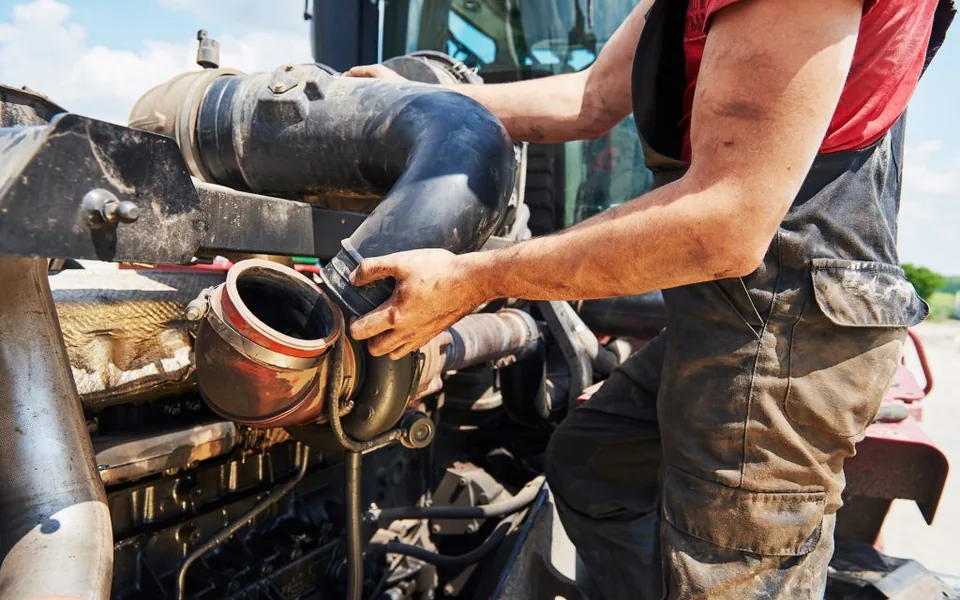
The aftertreatment system in your semi-truck minimizes harmful emissions and ensures proper engine performance. When DPF problems arise, they can quickly become serious problems if not treated.
Prompt attention to DPF problems is essential! Repairing DPF problems early on is important because it prevents costly repeat failures, improves engine performance, reduces downtime, and maintains compliance with emissions standards.
Identifying the underlying cause of aftertreatment breakdowns is what it takes for effective repair. A misattributed diagnosis for DPF troubles often leads to recurring breakdowns, creating vicious cycles of high-priced, undue repairs.
The key to a headache-free escape? Regular care for your DPF and proper professional help when you notice that first warning sign. With concerted proactive maintenance, you’ll keep your truck well-tuned and avoid those sickening roadside collapses.
Want to protect your investment and get your semi truck humming along like a champion? Let’s learn more about getting to know your aftertreatment system and the most common DPF issues you can have.
Your semi truck’s aftertreatment system plays a key role in keeping your truck clean, environmentally friendly, and performing at its best. This advanced system is working hard, turning unwanted emissions from your diesel engine into a more positive form by a series of special parts.
How the Aftertreatment System Operates
The hub of the aftertreatment system is the Diesel Particulate Filter (DPF), which traps and burns soot particles from your engine’s exhaust. The system operates through a complex process:
- Soot Collection: The DPF traps particulate matter as exhaust gases flow through
- Heat Generation: The system creates high temperatures to burn off collected soot
- Regeneration Process: This burning process, known as regeneration, can happen while driving (active) or while parked
Key Components of the Aftertreatment System
The after treatment system includes several key components working together:
- DPF filter unit
- EGR (Exhaust Gas Recirculation) cooler
- DEF (Diesel Exhaust Fluid) system
- Various sensors monitoring performance
Conditions for Proper Functioning
For your after-treatment system to work, you must make sure that certain conditions are fulfilled. The engine must get hot enough to burn soot, and you must conduct regular active regeneration cycles. Maintenance must be done occasionally, and idle time must be kept at a minimum so as not to accumulate too much soot.
If you maintain your aftertreatment system well, it will efficiently lower emissions and ensure your engine performance. You can identify potential issues before they cause expensive repairs once you learn what these parts do.
Common DPF Problems and How to Fix Them
Proper diagnosis of DPF problems begins with a close inspection of your engine codes. These codes are critical indicators of possible problems in your semi truck’s aftertreatment system.
Active vs. Inactive Codes
- Active codes signal current issues requiring immediate attention
- Inactive codes show historical problems that might still affect system performance
Your truck’s diagnostic system captures both types of codes with specific timestamps and occurrence frequencies. This data helps pinpoint when failures occurred and their relationship to other system events.
Key Diagnostic Steps
To ensure your aftertreatment system works efficiently, it is crucial to maintain certain conditions: the engine needs to achieve sufficiently high temperatures to burn off soot, regular active regeneration cycles must be conducted, maintenance should adhere to set intervals, and idle time should be minimized to reduce excessive soot buildup.
A single ignored code can trigger a chain reaction of issues. For example, an unaddressed intake fault might create an improper air-fuel mixture, leading to excessive soot production and subsequent DPF problems.
Manufacturer diagnostic tools provide extensive data access, making them essential for newer truck models. These tools generate detailed log files with timestamps and occurrence numbers, helping technicians trace the root cause of DPF failures.
Analyzing Duty Cycle Reports for Aftertreatment Performance Assessment
Your truck’s duty cycle directly impacts the effectiveness of its aftertreatment system. A DDAC report provides crucial insights into your vehicle’s performance metrics, helping identify potential DPF issues before they become major problems.
What Makes an Optimal Duty Cycle?
- Average speed: 40-65 miles per hour
- Engine load: Above 30% (loaded operation)
- Idle time: Less than 40%
- Drive time above 30 mph: Minimum 50% of operation
- Engine speed: 50% or more between 1200-1600 RPMs
- Engine load history: Above 20% for at least 50% of operation time
- Regen success rate: 75% or higher active regens
Understanding Active vs. Parked Regens
Active regens occur while driving, allowing the engine to maintain proper temperature through forced air cooling. These are preferred over parked regens as they’re more effective at burning off excess soot and maintaining optimal DPF performance.
Key Performance Indicators
A less-than-optimal duty cycle shows up in your DDAC report through:
- High idle percentages
- Low average speeds
- Insufficient engine load
- Poor regen completion rates
By monitoring these metrics in your DDAC report, you can adjust your driving patterns to maximize after treatment system efficiency and reduce the risk of DPF-related issues. Regular analysis helps identify potential problems early, allowing for preventive measures rather than costly repairs.
Keeping a Detailed Vehicle Maintenance Record for Better DPF Management
A comprehensive vehicle maintenance history is like a health diary for your truck. It records every service, replacement, and inspection, helping you avoid expensive DPF problems. Here’s what you need to include in your maintenance records:
Important Service Intervals
- DPF Filter Replacement: Every 300,000 miles
- DEF Filter Replacement: Every 150,000 miles
- EGR Cooler Inspection/Replacement: At 300,000 miles
- Regular Oil Changes: As per manufacturer specifications
- Overhead Valve Adjustments: According to service schedule
Key Maintenance Checkpoints
The most important maintenance milestones are checking the outside hardware of the after-treatment system, checking the health of the DPF filter, checking the performance of the EGR cooler, checking valve adjustments, and performing full diagnostic scans of the whole system.
Keeping proper records helps technicians discover system failure trends, foresee upcoming faults before they happen, give proper repair instructions, prevent repeat faults, and track components’ behavior with time.
A properly documented maintenance history, along with routine inspections, is an active maintenance measure for DPFs. This periodic monitoring enables you to catch early warning signs and repair possible issues before they become costly fixes.
Preventive Strategies to Reduce Soot Deposition in Semi Truck Aftertreatment Systems
Your driving habits actually affect soot accumulation in your truck’s aftertreatment system. Here are key practices to reduce soot build-up:
- Maintain Optimal Speed Range: Keep your truck running between 40-65 mph when possible
- Monitor Engine Load: Run your engine at 30% load or higher during operation
- Limit Idle Time: Keep idling under 40% of total operation time
- Proper RPM Management: Maintain engine speed between 1200-1600 RPMs
- Prioritize Active Regens: Aim for 75% or more active regens vs. parked regens
These driving practices help your engine generate sufficient heat to burn off excess soot naturally. Active regens during driving are particularly effective as they combine heat generation with forced air cooling, creating ideal conditions for soot removal.
Seeking Professional Help for Semi Truck Aftertreatment System Concerns
DPF problems are difficult and involve factory-specific diagnostic tools and technical expertise. Factory-trained mechanics employ factory-specific diagnostic tools to pull extensive information, such as timestamped log files, frequency occurrence reports, full fault code analysis, and DDAC performance reports.
Keeping meticulous records helps technicians to see patterns in failure, foresee coming faults prior to their occurrence, provide exact fix recommendations, skip repeated breakdowns, and watch for parts long-term reliability.
If you see fault codes popping up en masse, are plagued by frequent after treatment issues since your engine is struggling, notice unexplained exhaust tendencies, or notice warning lights glowing on your dash, the time may come when you will want to call upon a pro.
Expert technicians employ advanced diagnostic tools with no data point limit to precisely identify the root cause of after-treatment system failures. Accurate diagnostic analysis prevents incorrect diagnosis and subsequent failure, wasting your money and time in the long term.
Remember: DIY repairs without the right diagnostic equipment can cause faulty repairs or further damage to your semi truck’s aftertreatment system. Professional mechanics will be able to detect underlying issues that are not visible under straightforward diagnostics.
Expert Assistance for Your Semi Truck Aftertreatment Needs
Ready to tackle your semi truck’s DPF issues? Our team at Superior Truck and Trailer Repair stands ready to help you maintain the optimal performance of your after-treatment system.
Our Service Options:
- In-shop repairs and maintenance
- 24/7 towing service
- Mobile repair solutions
- Roadside assistance
We understand the critical nature of keeping your truck on the road. That’s why we offer comprehensive support, no matter where you are or when you need help. Distance isn’t a barrier – we’ll travel as far as needed to get your truck back in operation.
Get in touch with us at (972) 225-3017 today!
Don’t let DPF problems close your business. For regular maintenance or emergency repairs, our skilled technicians are available to diagnose and fix your aftertreatment system problems efficiently and effectively.
Contact us today to schedule an appointment or request immediate assistance with your semi-truck’s aftertreatment system needs.



