
The Rise of Autonomous Truck Tech in the Industry
Self-driving trucks are taking to the highways in a big way, having developed from an abstract idea to a stark reality! Using complex, software and cutting-edge sensor systems, not to…

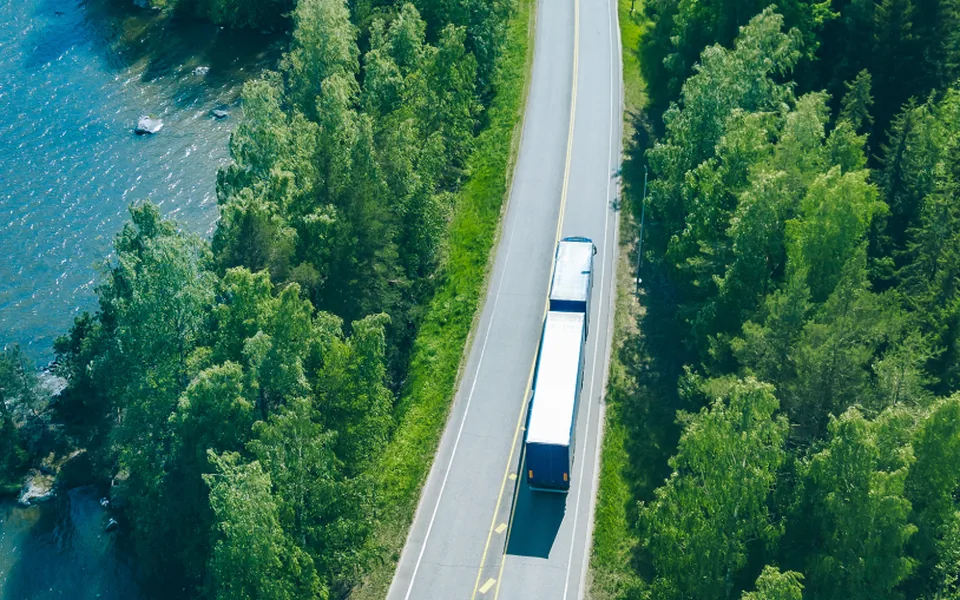
Self-driving trucks are taking to the highways in a big way, having developed from an abstract idea to a stark reality! Using complex, software and cutting-edge sensor systems, not to mention AI, these independent trucks are beginning to drive through roads without traditional human intervention.
How Driverless Trucks Will Impact the Industry
The impact? A complete reimagining of logistics and transportation. Driverless trucks can change the way goods are moved across countries. With 24/7 operation capabilities, unlike traditional trucks that depend on drivers who need rest breaks, autonomous trucks can run around the clock, increasing efficiency and productivity. Optimized routing also benefits from both AI algorithms and real-time analysis of data. Self-driving trucks could easily find the route most efficient at a particular point in time, considering traffic bottlenecks.
Labor cost reduction becomes significant as human driver requirements lessen. This means companies can reduce labor costs immensely, which might reflect lesser shipping prices. Improved delivery times are achieved as driverless trucks can travel long distances without breaks, delivering goods faster than ever.
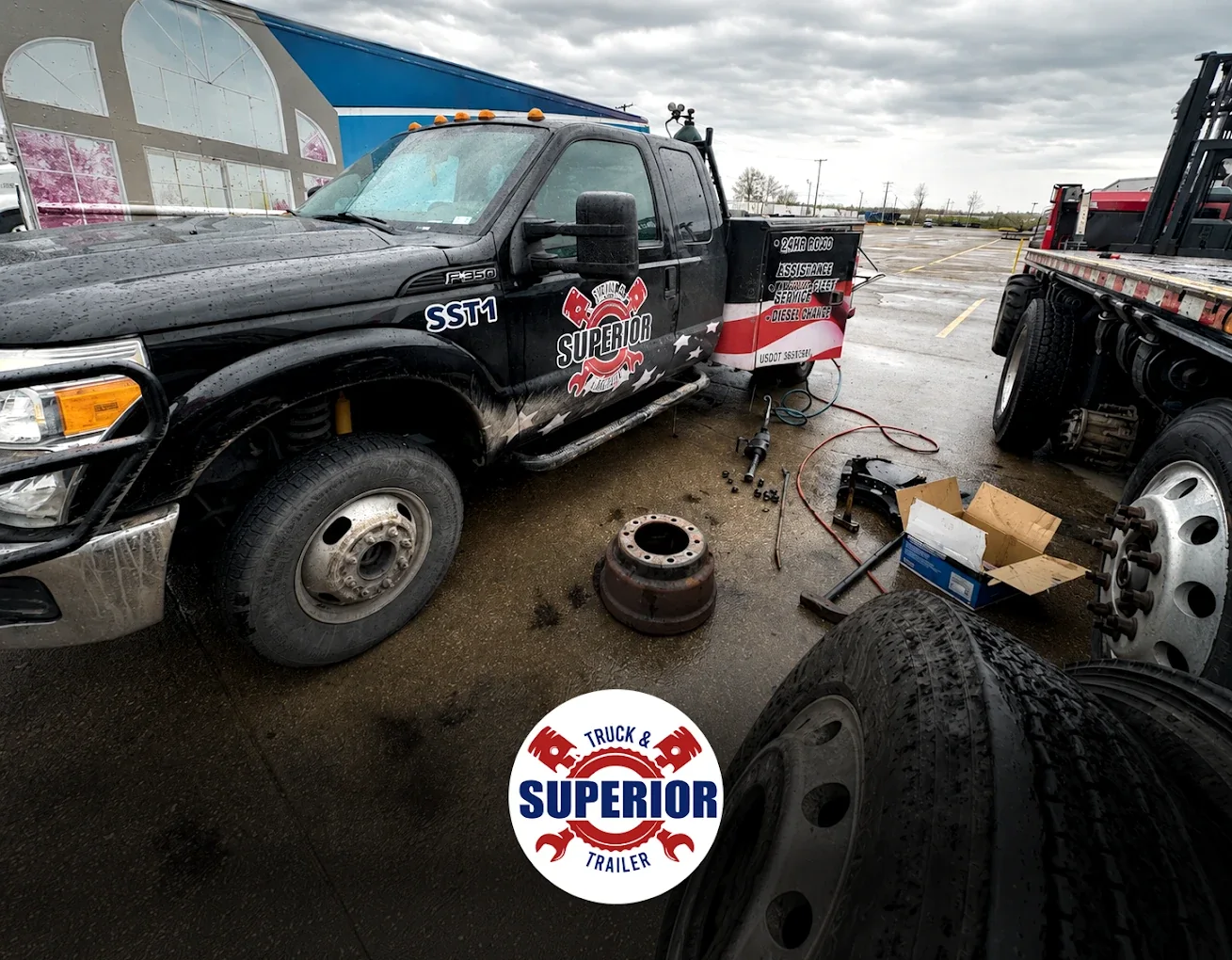
As your go-to partner in truck maintenance and repair, we keep a close eye on this evolution of technology. The future of trucking is in flux, and we’re here to guide you through every step of this exciting change.
Autonomous Truck Technology: The Current Landscape
The autonomous truck market has grown very fast and has been pioneered by some huge players moving toward a future without drivers. Waymo, a self-driving technology company from Google, has made huge strides with its “Waymo Via” program. Its autonomous trucks have already completed thousands of successful test miles across multiple states, showing the viability of the technology in different weather and traffic conditions.
TuSimple became the first to achieve a fully autonomous truck that runs on public roads without a human in the vehicle. Their December 2021 milestone saw an 80-mile nighttime journey from Tucson to Phoenix, marking a historic moment in autonomous trucking history.
Plus has taken a different approach and collaborated with major manufacturers to integrate PlusDrive technology into existing truck models. The company’s supervised autonomous driving system has already been applied in commercial operations, and this will be extended throughout the U.S. and China.
The capability of these systems is proven through recent highway demonstrations: lane changes at highway speeds, precise docking at distribution centers, navigation through intricate traffic patterns, execution of emergency maneuvers, and fuel efficiency improvements of up to 10%.
These companies keep pushing technological boundaries regarding efficient energy performance and strict adherence to safety measures. Their achievement has attracted enormous investments, with the majority establishing partnerships with conventional trucking firms seeking fleet modernization.
Driving Change: The Technologies
Self-driving trucks are being developed with AI at the core of the technology and advanced decision-making systems that rule over complicated driving scenarios. These AI systems run vast quantities of data originating from various sensors, cameras, and radar systems to ensure safe and efficient movement on the roads.
Virtual testing environments for autonomous trucks utilize advanced simulation platforms to simulate real-world test environments for training autonomous trucks through millions of drive scenarios, unexposed to the risk of physical damage. The benefits of these virtual proving grounds allow developers to test reactions to rare road events, optimize navigation in poor weather conditions, optimize drive algorithms under various cargo loads, and validate safety scenarios in varied traffic schemes.
Companies like Wabi are implementing state-of-the-art AI learning methodologies, changing the industry with their fresh approach to AI learning. Predictive analytics allows their trucks to identify and prevent breakdowns, plan the most efficient route in real-time, adapt driving to reduce fuel consumption and learn from all the fleet’s driving experiences.
Edge computing for real-time decisions has been integrated into these trucks, so processing of important data is done locally, reducing response times and enhancing safety features. This breakthrough now allows an autonomous truck to make split-second decisions without reliance on cloud connectivity.
All-Encompassing View of the Environment
Recent developments in sensor fusion technology collate information from a multitude of sources, thereby creating an all-encompassing view of the environment around a truck. This multi-layered approach builds redundancy into safety systems and guarantees reliable functionality across a wide range of driving scenarios.
Impact on Safety, Efficiency, and Employment Concerns
Autonomous truck adoption will bring substantial safety benefits to our roads. Human error is responsible for 94% of serious crashes, and self-driving technology can significantly reduce this number by providing constant vigilance without fatigue, following traffic rules precisely, reacting quickly in emergency situations, maintaining consistent speed, and adapting in real-time to weather and road conditions.
Those safety features mean significant savings for trucking companies. Autonomous trucks lower insurance premiums, decrease the cost of accidents and decrease vehicle repair and maintenance costs. The technology also lowers fuel costs by optimizing routing and keeping speeds constant, decreasing operating expenses by 10-15%.
Operational efficiency reaches a new level with autonomous trucks operating 24/7. These vehicles can efficiently navigate through traffic patterns, maintain optimal speeds, lower instances of idle time, coordinate with other autonomous vehicles and operate off-peak hours.
The driver shortage emergency – now standing at 80,000 unfilled jobs – might find some relief with the help of autonomous technology.
However, this solution raises a firestorm of controversy within the industry. The Teamsters Union voices valid concerns over job displacement as 1.4 million workers may be placed in positions that need career changes.
The reality is more nuanced. While full autonomy may affect long-haul routes, local deliveries, and specialized transport still require human skills. Many companies foresee a hybrid model in which drivers become “autonomous system operators” who monitor multiple vehicles from a remote location. This change brings new jobs, such as remote fleet managers, autonomous systems technicians, data analysts, safety supervisors, and loading/unloading specialists.
This transition period will give the existing drivers time to upskill and adapt to new roles in the evolving industry landscape. Companies that are investing in autonomous technology can also provide training programs to support their workforce as they transition into emerging positions within the industry.
Legal Framework, Challenges Ahead, and Strategic Partnerships Shaping the Future of Autonomous Trucks
Autonomous truck regulation is a complex puzzle: in the U.S., states have taken different paths to legislation for self-driving vehicles, creating a patchwork of regulations. While California has been ahead with comprehensive frameworks, other states are still working on preliminary guidelines. This creates a regulatory variation that poses challenges to companies operating across state lines.
Liability questions remain concerning who is liable in accidents involving autonomous trucks, how insurance policies adjust to driverless scenarios, and what role manufacturers play in accident liability. These questions demand clear answers as autonomous trucks hit the road. Current legal frameworks struggle to address these new scenarios, leaving stakeholders in uncertain territory.
Cybersecurity has become a critical priority as autonomous trucks will need very strong security to protect them from cyber threats. One breach could mean the compromise of whole fleets, with many repercussions on supply chains and safety. Companies should address real-time threat detection systems, secure over-the-air updates, multi-layer authentication protocols, and regular security audits.
The autonomous truck industry thrives on collaboration. The FAW partnership with Plus AI exemplifies how the marriage between traditional manufacturers and tech companies could create powerful synergies. Full Truck Alliance’s digital freight platform shows what can be done by integrating autonomous capabilities with existing logistics networks.
Collaborations like this bring together manufacturing expertise with the latest technology to fast-track the development and deployment of autonomous solutions. The tech firms are bringing in AI capabilities, while the traditional manufacturers contribute vehicle engineering knowledge and production infrastructure.
These legal, security, and partnership dynamics are the way forward in the widespread adoption of autonomous trucks. As regulations evolve and security measures strengthen, strategic collaborations will continue to shape the future of autonomous trucking.
Embracing the Future of Trucking with Superior Truck and Trailer Repair’s Support Services
The rise of the autonomous truck will change our industry, but some things will always remain constant: a need for reliable maintenance and repair services. That’s why we’re geared up to handle this new challenge with our specialized services at Superior Truck and Trailer Repair.
We provide 24/7 mobile service, towing, and roadside assistance, so your fleet of autonomous trucks keeps moving forward, whether you’re running traditional or self-driving trucks. We understand how complicated modern trucking technology can become. Our team constantly updates their skills in the servicing of both conventional and autonomous systems.
When you need us, we’ll be there, anywhere, anytime; give us a call at (502) 789-6644! The future of trucking is here, and we’re ready to keep your fleet moving forward with our complete repair solutions and round-the-clock support.