
Top Tips For Driving An A-Train Configuration (Truck Train)
Driving an A-Train configuration is a unique challenge in the trucking industry. This specialized setup, connecting two trailers through an A-frame pintle hitch and converter axle…

Driving an A-Train configuration is a unique challenge in the trucking industry. This specialized setup, connecting two trailers through an A-frame pintle hitch and converter axle, revolutionized freight transportation by allowing drivers to haul multiple trailers simultaneously.
Continue reading to discover the essential components of an A-Train configuration that form the foundation of this unique trucking setup.
Understanding these elements is crucial for both new and experienced drivers alike. Key advantages for carriers and shippers demonstrate why this configuration has become increasingly popular in the freight industry, offering solutions to modern logistics challenges.
Critical safety considerations must be thoroughly understood and implemented to ensure successful operations, while real challenges faced by drivers provide practical insights into daily operations. Vital maintenance requirements round out the comprehensive knowledge needed to operate these specialized rigs effectively and safely.
Whether you’re a seasoned driver curious about A-Trains or a carrier considering this setup, we’ll share expert insights to help you understand these “wiggle wagons” – a nickname earned from their distinctive movement patterns. Let’s dive into the world of A-Train configurations and explore what makes them both fascinating and challenging to operate.
Understanding the A-Train Configuration
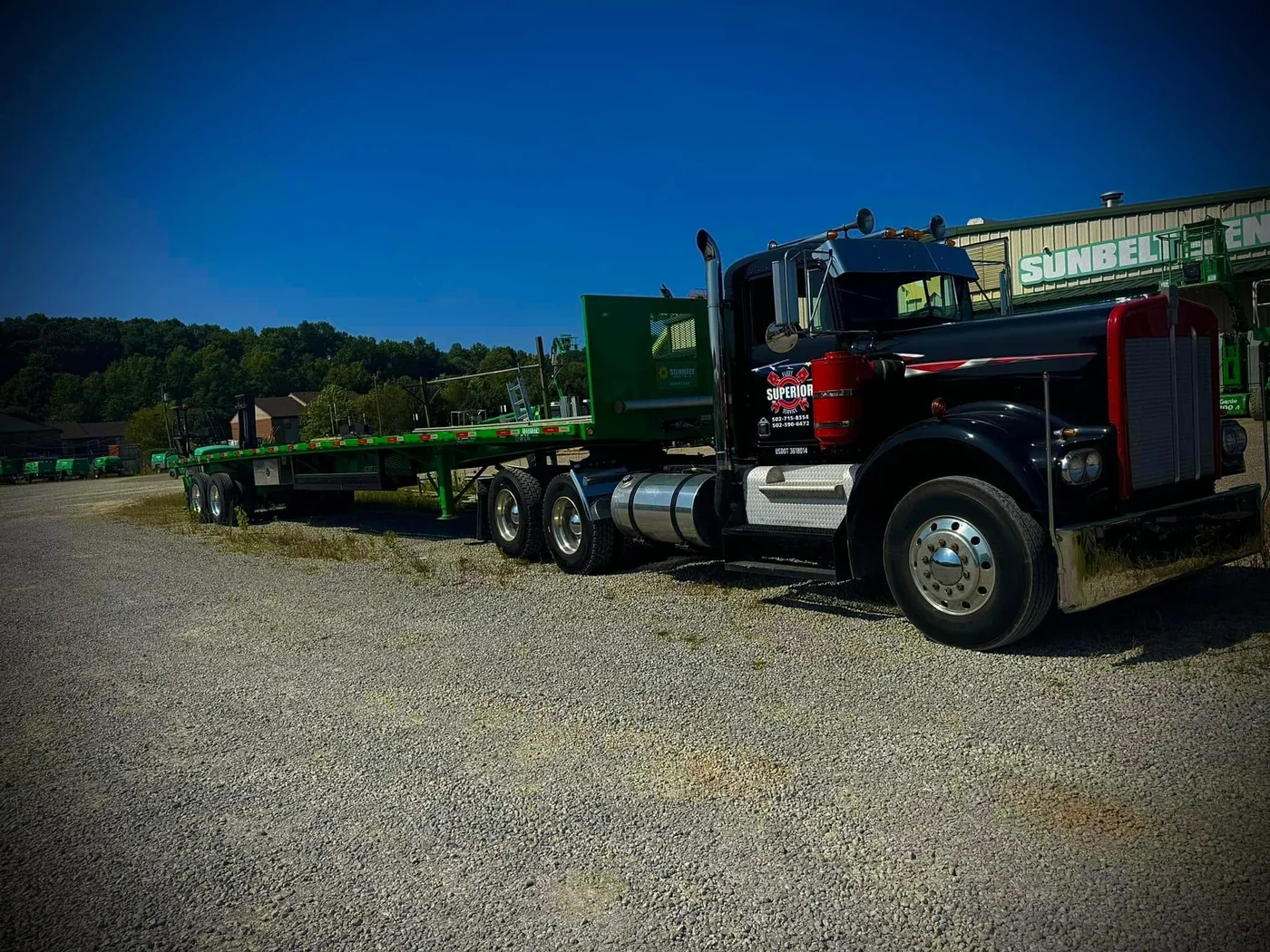
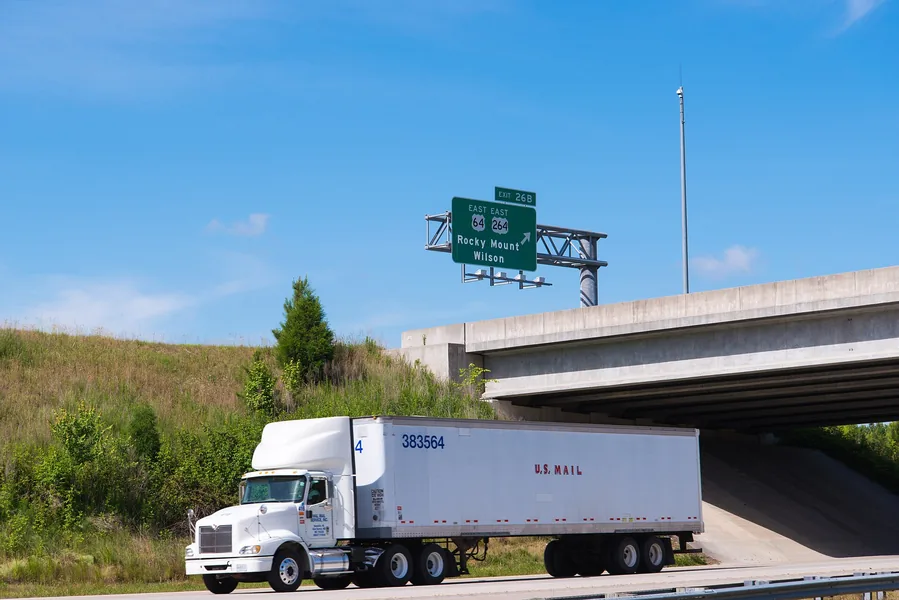
The A-train setup is the first innovative solution for connecting two trailers in trucking history. This setup comprises three key elements that function in unison. At the front is a lead trailer, followed by an A-frame converter dolly in the center. Finally, at the back, there is a second trailer.
Key Features of the A-Frame Converter Dolly
The A-frame converter dolly features a distinctive design with a pindle hitch, which is an eye-shaped connector that fits over a pin on the lead trailer. It also incorporates a support leg system that provides stability when used independently. Additionally, it includes a fifth wheel that allows for connection to the second trailer.
How the A-Train Configuration Works
The configuration involves a unique triple-pivot system. One pivot is located at the junction between the tractor and the lead trailer. Another pivot is positioned at the pindle hitch that connects the trailers. Lastly, the third pivot is found at the fifth wheel of the converter dolly.
This configuration allows for greater cargo capacity and operational flexibility. The A-frame converter dolly acts as a bridge between the two trailers, enabling the entire unit to move as one connected system while maintaining individual trailer mobility when needed.
Advantages of Driving an A-Train
The A-train configuration changed the game for freight transportation, bringing significant benefits to everyone involved in the shipping process. Here’s why A-trains became a game-changer in the trucking industry:
1. Enhanced Shipping Capacity
- Ability to pull two trailers simultaneously
- Increased product delivery volume per trip
- Greater efficiency for time-sensitive deliveries
2. Financial Benefits
- Higher earnings potential for drivers
- Improved revenue streams for carriers
- Cost-effective transportation solution for shippers
3. LTL Operations Excellence
A prime example of A-train’s versatility in Less Than Truckload operations:
- Load distribution flexibility between trailers
- Strategic route optimization
- Multi-stop delivery efficiency
Picture this scenario: A driver departing Detroit could load the lead trailer with Omaha-bound freight while filling the secondary trailer (pup) with Chicago-destined cargo. The route along I-94 allows for:
- Dropping the Chicago pup trailer
- Picking up a new pre-loaded pup for Omaha
- Continuing the journey with minimal downtime
This setup created a streamlined approach to freight movement, particularly beneficial for regional distribution networks. The A-train’s ability to handle split loads made it an invaluable asset for companies managing complex delivery schedules across multiple cities.
Disadvantages and Challenges of Driving an A-Train
The A-train configuration presents significant challenges that can test even experienced drivers’ skills. One of the most notable difficulties lies in backing up these configurations due to their three distinct pivot points. The fifth wheel connection to the second trailer, the pindle hitch between the trailers, and the tractor-to-lead trailer connection.
These multiple pivot points create a “snake-like” movement during backing maneuvers, often causing the trailers to fold like an accordion. This makes precise positioning in tight spaces particularly demanding.
Weight distribution emerges as another critical challenge, especially for freight box setups.
The common loading pattern at freight docks, which is characterized by heavy loads at the front and a tapering weight towards the back, results in a number of issues. These include excessive weight on the converter axle, a lighter rear end where the brakes are situated, and an unstable “wiggle wagon” effect during transport.
The situation becomes particularly hazardous for freight boxes equipped with single axles front and back. Many converter axles lack proper braking systems, compromising control and safety. This configuration earned these setups the nickname “wiggle wagons” due to their tendency to walk nose-heavy on the converter while the back end shifts side to side.
A real-world example from the trucking community illustrates these challenges: One driver attempted a U-turn in a cornfield when faced with a dead-end road, resulting in the entire unit sinking up to its axles. With 110,000 pounds of weight, the recovery required specialized heavy wrecker service – a costly reminder of the A-train’s maneuvering limitations.
Safety Considerations When Driving an A-Train
Safe operation of A-train configurations demands careful attention to specific safety protocols. Weight distribution plays a critical role in maintaining control and preventing accidents.
Weight Distribution Safety Guidelines:
When loading trailers, it’s important to place heavier freight toward the rear and ensure that weight is balanced between the front and back axles. Additionally, monitor the weight limits of the converter axle and check the overall weight distribution before setting off on your journey.
Weather Impact on A-Train Safety:
Canadian winters present unique challenges for A-train operations. The combination of limited braking power on converter axles, “wiggle wagon” effect in slippery conditions, increased risk of trailer walk in snow and ice.
Additional Safety Tips:
To enhance safety while driving, it’s important to slow down in poor weather conditions, keep a larger distance from the vehicle ahead, and refrain from making abrupt changes in speed or direction. Planning your route can help reduce the likelihood of encountering dangerous situations, and it’s wise to check weather updates before you set off.
Your awareness of these safety considerations can mean the difference between a successful haul and a dangerous situation on the road.
Maintenance Tips for Your A-Trains
Regular maintenance is crucial for A-train configurations due to their complex setup and multiple connection points. Here’s what you need to focus on:
Critical Components to Check
- Pindle hitch connections between trailers
- A-frame converter axle integrity
- Fifth wheel attachment points
- Support leg mechanisms
- Brake systems on all units
Weight-Related Inspections
- Check for signs of stress on converter axles
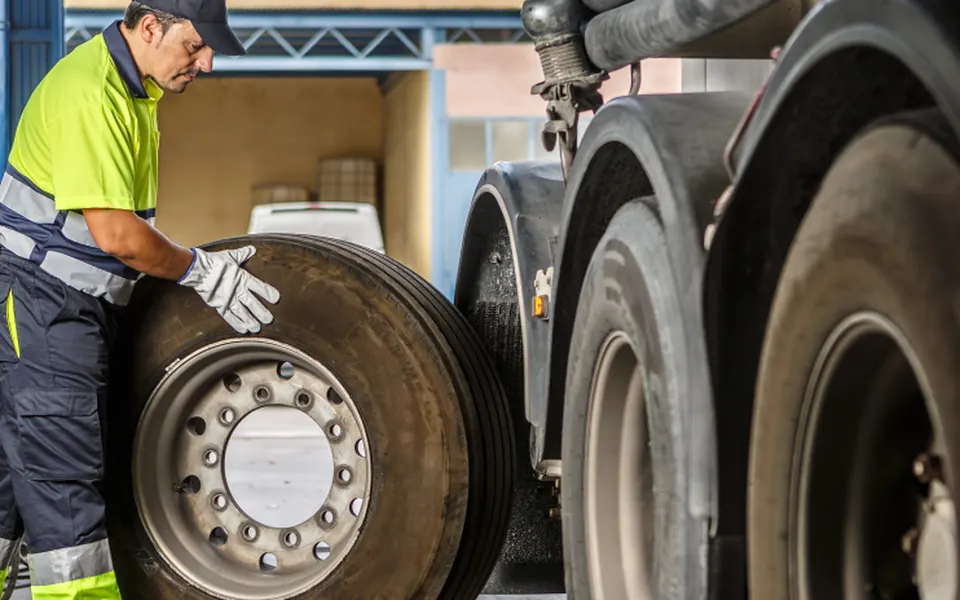
- Monitor tire wear patterns
- Inspect suspension components
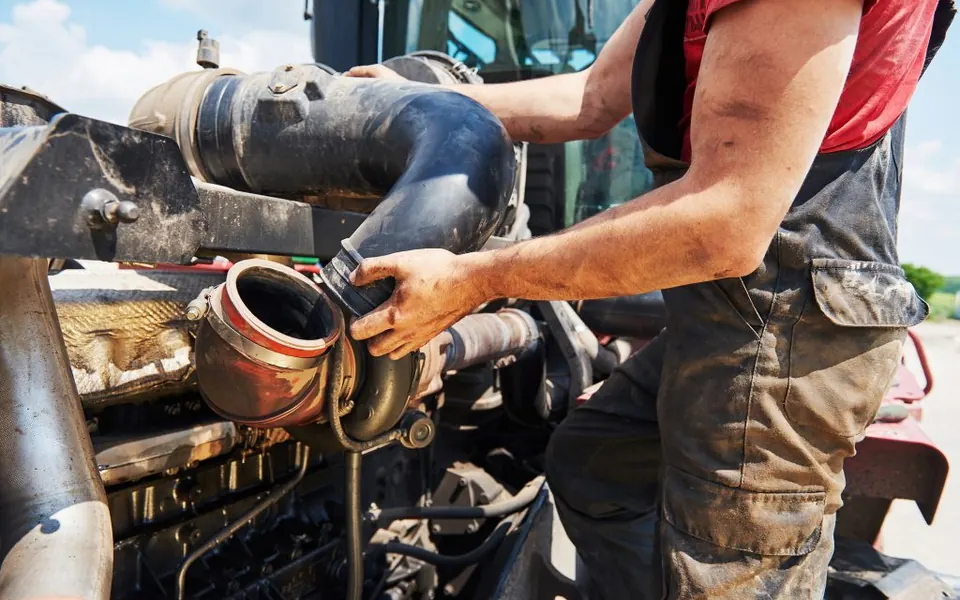
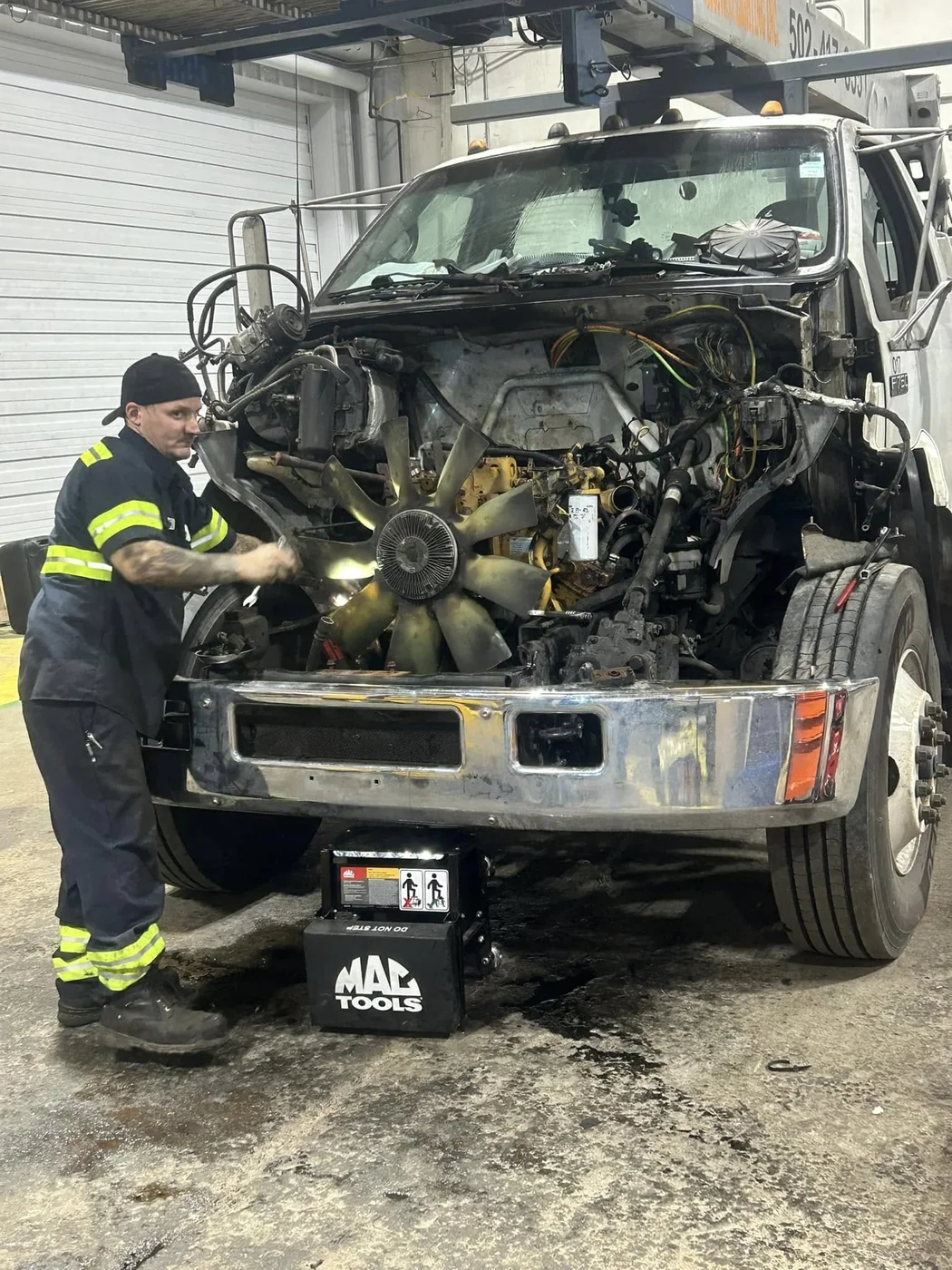
A well-maintained A-train configuration helps prevent the “wiggle wagon” effect and ensures safer operation. Your maintenance plan should incorporate routine checks for diesel repairs that emphasize the following areas: the effectiveness of the brake system in all units, the alignment of axles and the condition of bearings, lubrication of connection points, monitoring of tire pressure and wear, and the integrity of the suspension system.
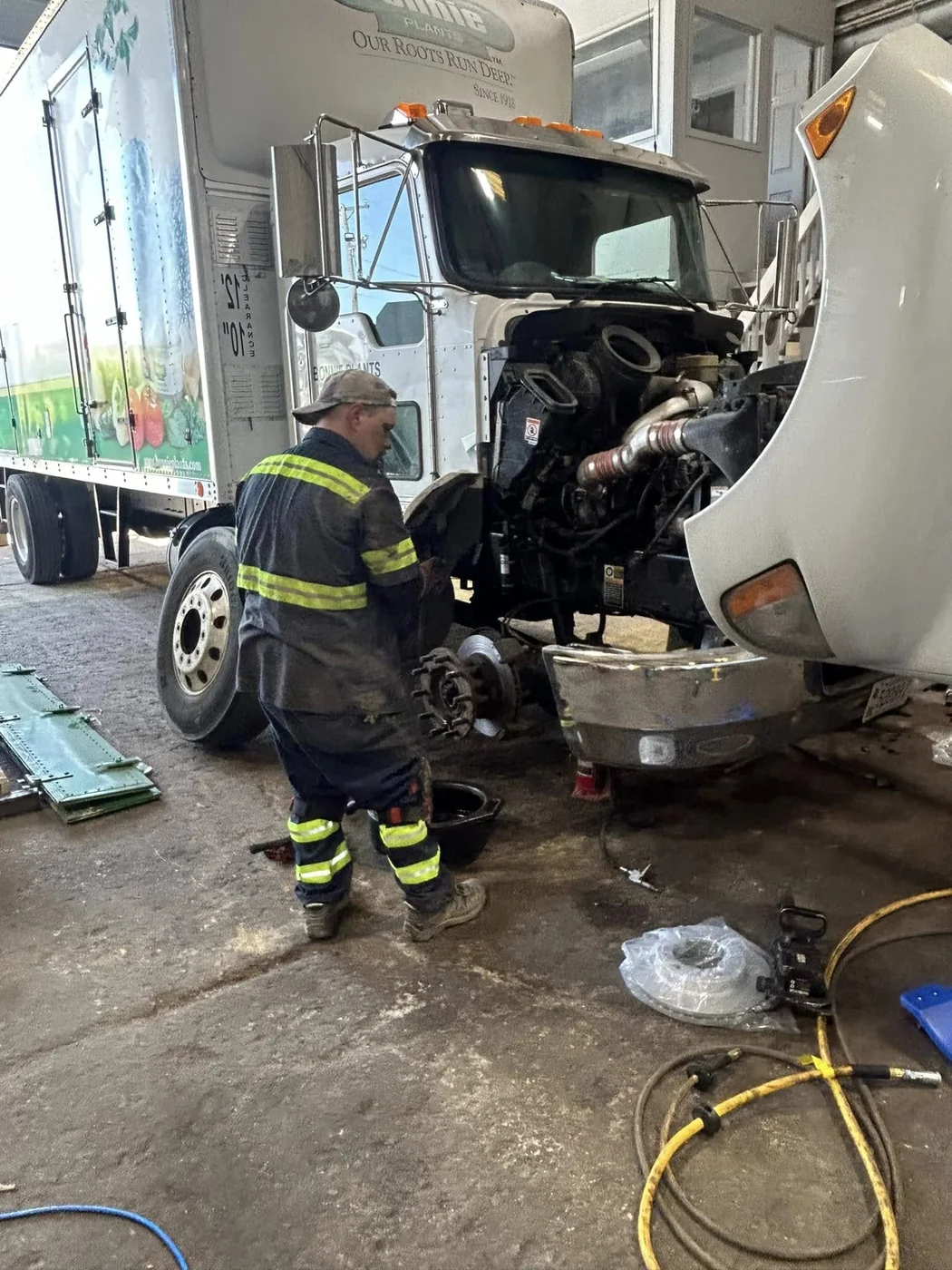
Remember to document all maintenance activities and address any unusual sounds or handling characteristics immediately. Professional diesel repair services can help identify potential issues before they become major problems on the road.
Choose Superior Truck and Trailer Repair
Driving an A-train configuration requires skill, attention, and a commitment to safety. These complex truck combinations need careful handling and regular maintenance to ensure safe operation on the roads.
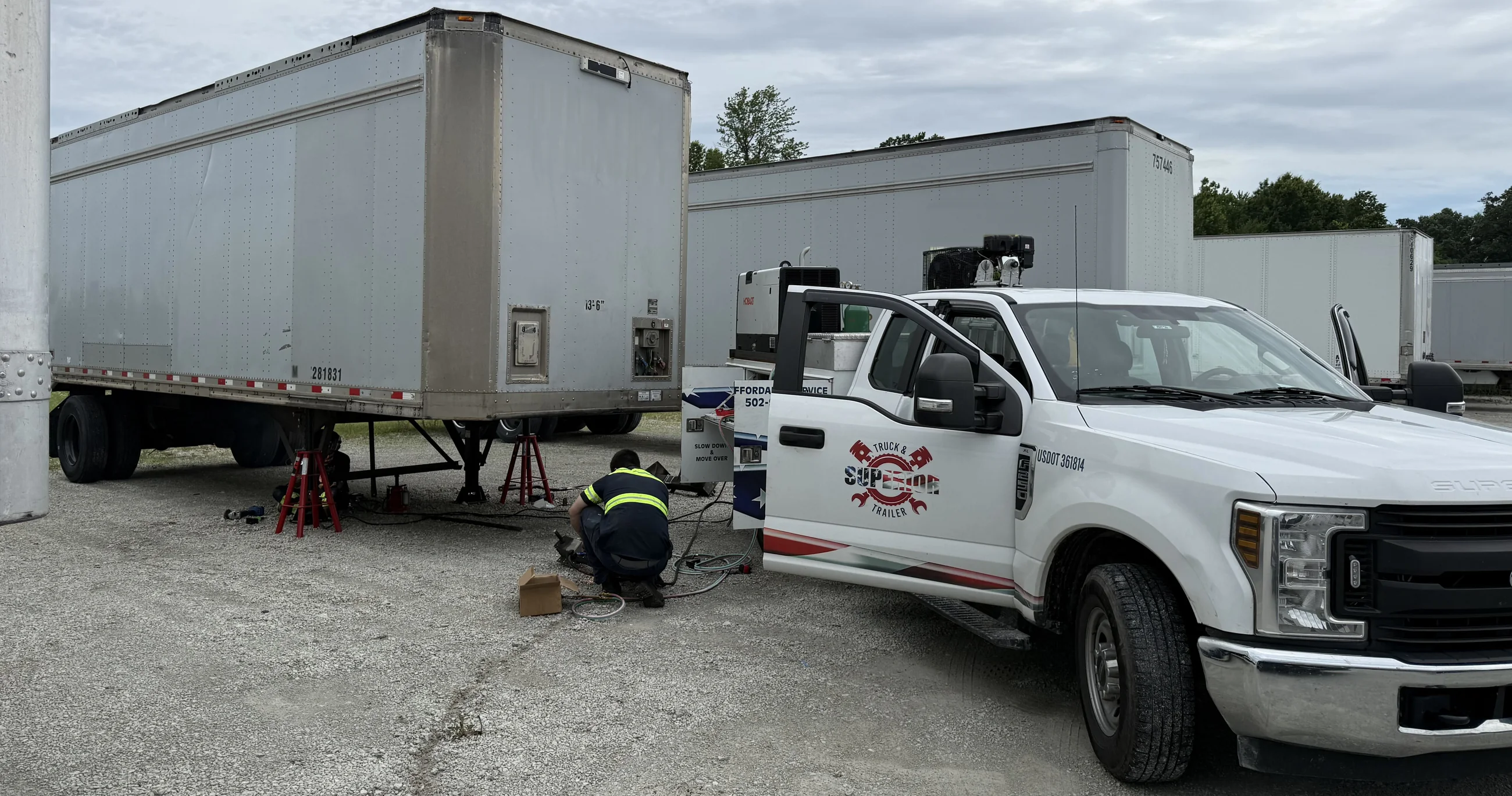
We’re here to support your trucking journey. Whether you need emergency repairs, roadside assistance, or regular maintenance for your A-train setup, our team at Superior Truck and Trailer Repair has you covered. We offer 24/7 towing services, mobile repairs, roadside assistance, and expert maintenance.
Your safety is our priority. Call us anytime at (502) 789-6644 – we’ll travel any distance to get you back on the road safely.
Remember: A well-maintained A-train is a safer A-train. Make safety your top priority every time you get behind the wheel.