










4 Steps and Skills for Developing Your Own Small Fleet
Running a small truck fleet is both rewarding and challenging in the trucking business. Whether you are an owner-operator wanting to grow or are just entering the truck business, building…

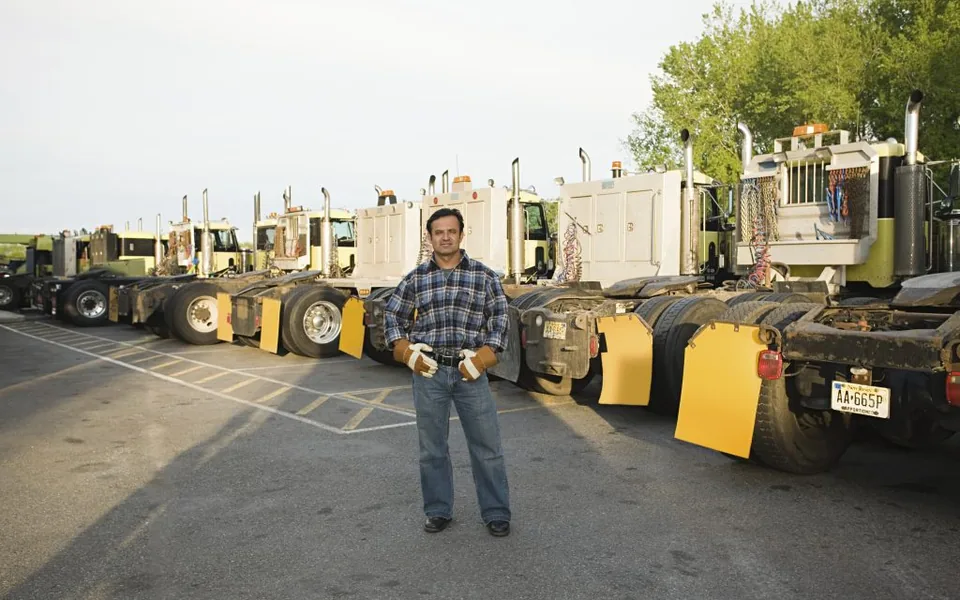
Running a small truck fleet is both rewarding and challenging in the trucking business. Whether you are an owner-operator wanting to grow or are just entering the truck business, building your own fleet takes more than purchasing additional trucks and then sitting down and waiting for things to get rolling.
Trucking is something that requires planning and commitment from the very beginning. Most potential fleet owners have no concept of the issues, including dealing with brokers and learning how to keep trucks running. Without planning, what initially appears to be a means of making more money will quickly become a money-sucker.
This article outlines the 4 steps and skills for developing your own small fleet based on real-world experience from professionals who have successfully grown from operating one truck to managing 55-60 trucks. You’ll learn about:
- The essential foundation of owner-operator experience
- The critical importance of industry relationships
- Why technical knowledge can make or break your fleet
- How to secure consistent freight for true scalability
Are you ready to turn your trucking business dreams into reality? Let’s explore these proven strategies.
Step 1: Commitment and Experience as an Owner-Operator
The foundation of any successful fleet begins with your personal driving commitment and hands-on trucking experience as an owner-operator. You need to spend significant time behind the wheel to truly understand what this industry demands from both you and your future drivers.
Building Capital Through Experience
Driving extensively serves a dual purpose: generating the capital needed for fleet expansion while providing invaluable real-world education. Every mile you drive teaches you about:
- Route optimization and fuel efficiency
- Customer service expectations
- Equipment performance under various conditions
- Market fluctuations and seasonal patterns
The Reality of Owner-Operator Challenges
Being an owner-operator does not mean complete freedom, it’s means having complete accountability for the success of your business. You’ll encounter tough schedules, equipment failure, volatile fuel prices, and the perpetual pressure to secure profitable loads. Too many owners fail because they don’t properly estimate these pressures, too commonly getting “in over their heads with costs” that won’t yield the anticipated dividends.
Your Authority = Your Independence
Operating under your own authority rather than leasing to a carrier provides crucial advantages for fleet development:
- Complete load selection control – Choose the most profitable freight
- Direct broker relationships – Build connections that benefit your entire fleet
- Maximum profit retention – Keep more of what you earn instead of paying carrier fees
- Operational flexibility – Adapt quickly to market opportunities
This commitment to driving and understanding the business from ground level creates the knowledge base you’ll need when hiring drivers and making strategic decisions for your growing fleet.
Step 2: Building Strong Industry Relationships
Trucking relationships are the foundation of a successful fleet operation. As highlighted in the industry experience, you can’t build a fleet on your own – it’s the people and partnerships around you that determine your success. The connections you establish with brokers, contractors, and leasing companies directly impact your ability to secure consistent freight and maintain profitable operations.
Your relationship network starts with understanding who you’re working with and why those connections matter:
Broker relationships – These partnerships determine your access to quality loads and competitive rates
Contractor connections – Fellow owner-operators and fleet owners can provide valuable insights and potential collaboration opportunities
Leasing company partnerships – Equipment financing relationships that can support your expansion plans
The key is to create win-win situations that provide genuine value to everyone involved. When you consistently deliver reliable service to brokers, they’ll prioritize you for premium loads. When you maintain professional relationships with other contractors, you gain access to industry knowledge and potential freight sharing opportunities.
Building these trucking relationships requires intentional networking within the industry. Attend trucking events, join professional associations, and maintain regular communication with your existing contacts. Each relationship you cultivate becomes a potential pathway to consistent freight sources that can support your fleet’s growth and provide the stability needed to attract quality drivers to your operation.
Step 3: Technical Knowledge and Truck Maintenance Skills
A knowledge of the mechanical aspects of your equipment is also important so that you can make informed buying decisions when you buy fleet trucks. When you know how trucks work, you can recognize a loyal workhorse from a money pit that will erode your profits.
The Real Cost of Ignorance
Consider this scenario from the video transcript: a driver brought in a 2013 D13 Volvo 670 – a beautiful truck on the surface, but plagued with DPF issues and other costly problems. Without technical knowledge, you might see an attractive truck and miss the warning signs that signal expensive diesel repair bills ahead.
Key Technical Areas to Master:
- Engine specifications – Know which engines have proven reliability records
- Maintenance intervals – Understand when major services are due
- Common failure points – Recognize red flags during truck inspections
- Repair cost estimates – Budget accurately for semi truck repair expenses
Reducing Downtime Through Knowledge
Your technical skills directly impact your bottom line. When you can identify potential issues before they become major breakdowns, you keep your trucks rolling and earning revenue. This knowledge helps you:
- Make informed purchasing decisions based on maintenance history
- Negotiate better prices when you spot potential problems
- Schedule preventive maintenance to avoid costly roadside failures
- Choose trucks with lower long-term operating costs
Smart fleet owners treat mechanical knowledge as their competitive advantage, turning what others see as complex machinery into profitable business assets.
Step 4: Securing Consistent Freight for Scalability
The foundation of any successful fleet expansion lies in securing reliable freight sourcing opportunities that can support multiple trucks. You have several strategic options to build this consistency, each with distinct advantages for your growing operation.
1. Load Boards: The Traditional Route
Load boards remain the traditional route for independent operators seeking maximum profit margins. This approach gives you complete control over freight selection and rate negotiation, allowing you to build valuable broker relationships that can scale with your fleet. The key is developing a network of trusted brokers who consistently offer quality loads at competitive rates.
2. Power Programs: An Alternative Path
Power programs present an alternative path that prioritizes scalability over premium rates. Companies like FedEx Ground, Amazon, and JB Hunt offer independent contractor opportunities designed specifically for fleet growth:
- Consistent daily routes that attract quality drivers
- Predictable revenue streams for better financial planning
- Home daily schedules that improve driver retention
- Built-in scaling support with established hiring guidelines
The Appeal of Specialized Contracts
The beauty of specialized contracts lies in their driver appeal. Routes that offer predictability and regular home time become powerful recruitment tools. When drivers know they’ll service similar areas consistently rather than running unpredictable over-the-road routes, you create a competitive advantage in attracting and retaining talent.
Aligning Freight Strategy with Growth Timeline
Your freight strategy should align with your growth timeline. Quick scaling often favors power programs, while maximum profitability typically comes from cultivating diverse broker relationships through load boards.
Supporting Services to Keep Your Fleet Running Smoothly
The trucking business never sleeps, and neither should your support team! 24/7 roadside assistance means that when mechanical problems occur at 2AM on a lonely highway, assistance is only a phone call away. This instant response capability prevents minor problems from escalating into major delays that can derail delivery times and damage customer relationships.
Mobile service takes it a step higher in support by sending qualified technicians directly to your stranded truck. Rather than sitting around waiting for the tow truck and paying the additional cost of towing to the repair shop, mobile technicians are often able to make the repairs at the site. This process significantly reduces downtime, keeping your drivers on the road and your customers satisfied.
The peace of mind from complete support services makes it possible for you to concentrate on expanding your fleet without constantly fearing breakdowns will steal from your operations.
Choose Superior Truck and Trailer Repair
Creating a successful small fleet requires hard work, meticulous planning, and effective support mechanisms. Decent partners like us make the difference between survival and thriving.
Professional roadside and repair services keep your trucks on the road, earning as much money as possible. When something does fail, and it will, having specialists who are attuned to the nuance of your circumstance is invaluable for the reliability of operation.
Ready to elevate your small fleet growth assistance to new heights? Contact us at Superior Truck and Trailer Repair at (502) 789-6644 for reliable semi truck repair and service designed specifically for expanding fleets. Our complete complement of services, from in-shop repair to 24/7 roadside service, keeps your business rolling without a hitch as you expand your business.



