










7 Warning Signs to Consider Before Buying a Semi Truck
The largest investment a trucking company will ever make is when they purchase a semi truck. If you are a newcomer or an owner-operator looking to grow your fleet, buying should be…

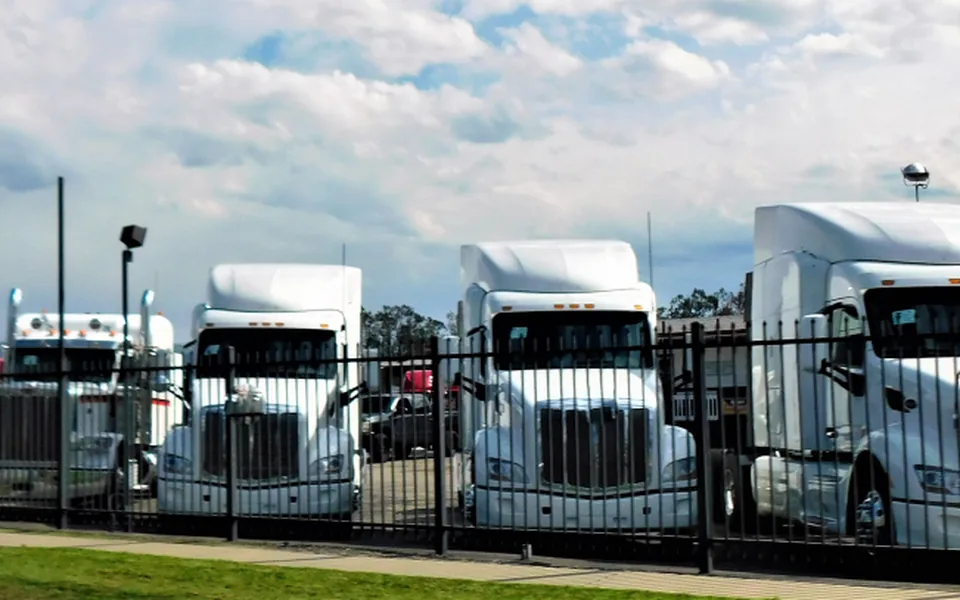
The largest investment a trucking company will ever make is when they purchase a semi truck. If you are a newcomer or an owner-operator looking to grow your fleet, buying should be approached with caution and rigorous examination.
The used truck market is full of hidden pitfalls that can turn your dream investment into a financial disaster. From unrevealed engine issues to expensive electrical malfunctions, unsuspecting purchasers are frequently greeted with unexpected repairs in the first months of their purchase. There are several truckers who have learned the hard way that this can happen, finding some serious mechanical defects that weren’t easily detectable at first glance.
A good pre-purchase inspection and knowledge of the most important warning signs can save you from these expensive mistakes. Knowing what to examine and where the issues often go undetected can help you make a knowledgeable decision that safeguards your investment. These 7 warning signs to remember before you buy a semi truck will provide you with the information necessary to identify future red flags before they develop into ruinous issues.
1. Engine Condition Check
Your first priority when assessing any semi truck is engine health. Begin by listening carefully to the engine upon startup and at idle. Any abnormal, loud knocking or ticking sounds are instant signs of possible serious internal damage needing costly diesel repair in the future.
Pay special attention to the engine idle behavior, particularly during cold start conditions. While some engines like the ISX naturally have a rough idle when cold, you should watch for:
- Fluctuating RPMs that indicate potential oil pump issues
- Excessively rough idle that doesn’t smooth out as the engine warms
- Hard starting or extended cranking times
Blow-by inspection is crucial for assessing engine health. Remove the oil cap and look for:
- White condensation buildup under the cap
- Excessive vapor or smoke escaping from the oil filler
- Milky or contaminated oil appearance
These signs often indicate worn cylinder rings, damaged pistons, or other internal engine problems. Don’t let a seller rush you through this inspection – a healthy engine should demonstrate smooth operation and minimal blow by, especially once it reaches operating temperature.
2. Evaluating Oil Quality and Leaks
Oil condition indicates the whole history of the internal health of an engine. When removing the dipstick, check the color and feel of the oil. Amber or black is clean oil, and milky, filled with metal shavings, or gritty in your hand is dirty oil. These are definite signs of severe internal wear that might result in costly diesel repair in the future.
Oil leaks plague specific areas on semi trucks, creating predictable patterns you can spot during inspection:
Cylinder head leaks – Particularly common on D13 engines, appearing on the right-hand side
Timing covers – Check the rear section where seals frequently fail
Injector harnesses – Oil seepage here causes electrical resistance and dashboard warning lights
The oil sample analysis provides the most accurate assessment of engine condition. If a seller refuses this simple test, consider it a major red flag. Laboratory analysis reveals metal contamination, coolant intrusion, and fuel dilution that visual inspection cannot detect. This $50 investment can save you thousands in unexpected engine rebuilds.
Pay special attention to oil pooling around electrical components, as contamination creates resistance issues affecting injector performance and triggering multiple dashboard codes.
3. Assessing Exhaust System Health
Your exhaust inspection reveals critical information about engine health that many buyers overlook. When you start the truck, watch the exhaust pipe carefully for any signs of trouble.
What to look for during startup:
- Excessive smoke or oil residue coming from the exhaust
- Fuel dripping or excessive liquid discharge
- Unusual coloration in emissions
Some moisture during cold starts is normal – engines naturally produce condensation when warming up. However, if you notice oil coming out of the exhaust or fuel dripping excessively, you’re likely dealing with fuel injector issues that can cost thousands to repair.
Pay special attention to the warm-up phase. A healthy engine should gradually reduce emissions as it reaches operating temperature. If the truck continues producing heavy smoke or oil residue after warming up, this indicates worn cylinders or failing injectors.
Red flag alert: If oil is visibly pushing out of the exhaust manifold, you’re looking at serious internal engine wear. This is one of the most expensive problems you can encounter and should immediately eliminate the truck from consideration.
4. Checking Electrical System and Wiring Integrity
Electrical problems can turn your semi truck repair bills into a nightmare, especially when they stem from improper modifications or shoddy workmanship. One major red flag involves transmission swaps from automatic to manual systems. When this conversion isn’t executed properly, you’ll face ongoing electrical complications that affect everything from your speedometer to dashboard gauges.
Watch out for these electrical warning signs:
- Poorly executed wire splices without proper heat shrink protection
- Exposed wiring that creates resistance and corrosion issues
- Dashboard malfunctions or intermittent gauge problems
- Speed sensor irregularities affecting your speedometer
The injector harness is also a serious issue with engines such as the D13 and Series 60. The harnesses leak and introduce electrical problems that activate the dashboard warning lights and injector misfires. When oil enters the electrical connections, it builds resistance, which causes the intermittent problems that are costly to diagnose and correct.
Self-maintenance by former drivers will typically worsen these issues. Tightfist motives aside, sloppy splicing and weak wire contacts can involve a frustrating issue of electrical faults requiring conscientious debugging.
5. Optical Inspection of Structural Components and Rust Damage
Rust damage represents one of the biggest threats to structural integrity and the eventual use of a semi truck. When looking at a possible purchase, you must look over areas where corrosion often occurs even more thoroughly.
1. Look Under the Cab Floor
The space beneath the cab floor is where rusting would thrive best. Water seeps in through door seals, window gaskets, or ventilation systems and leaves the ideal conditions for metal decay. What begins as surface rust can easily penetrate deeper, which could compromise the structural integrity of the cab and pose safety risks.
2. Check Frame Rails in Depth
Frame rails are components of the structure that support the weight of the entire vehicle and load. These components need to be thoroughly inspected because rust on frame rails may cause a failure of catastrophic proportions. Any truck with significant corrosion in these areas becomes a dangerous investment.
3. Observe Cab Alignment Issues Carefully
When you notice the cab leaning or sitting unevenly, it’s important to distinguish between different causes of these alignment problems:
Worn suspension components: Check for issues with airbags, shocks, or cab mounts.
Structural frame damage: Look for signs of rust or impact on the frame.
Foundation settling: Deteriorated mounting points may cause settling issues.
Frame-related problems often indicate more serious underlying issues that go beyond simple component replacement. Extensive and costly structural repairs may be necessary in such cases.
6. Reviewing Tires and Suspension Components
Your tires also tell a great deal about the mechanical well-being of the truck, so they are important to consider when accounting for kingpin health and suspension intactness. Tire tread patterns can indicate costly issues lurking beneath the surface that won’t be apparent immediately.
Key tire inspection points include:
Uneven wear patterns – Look for irregular tread wear that suggests alignment issues or worn suspension components
Edge wear – Often indicates kingpin problems or steering component failure
Cupping or scalloping – May signal shock absorber or suspension issues
The challenge with the kingpin condition lies in the limitations of visual inspection. As experienced mechanics note, “you can’t really check kingpins visually at a parking lot without lifting them.” The wear could stem from either hub issues or kingpin problems, requiring proper equipment to diagnose accurately.
If you spot new tires on a truck, pay extra attention. Fresh rubber might be hiding existing kingpin or suspension problems that caused the previous tire damage. Look for signs of recent kingpin work like new cotter pins, fresh gaskets, or clean bearing assemblies – these indicate proper maintenance rather than cosmetic cover-ups.
7. Considering Vehicle History and Maintenance Records
Maintenance history of fleets is also essential in determining the reliability and performance of a truck. Trucks owned by fleets generally have service records, scheduled maintenance, and regular repair procedures. The vehicles are given proper care on a routine basis since fleet owners understand that preventive maintenance minimizes downtime and operational expenses.
Private sellers present a different scenario entirely. You might encounter trucks with unclear maintenance histories, incomplete records, or questionable repair practices. Some drivers prefer working on their own trucks, which can lead to improper splicing and electrical modifications that create costly problems down the road.
Warranty status significantly impacts your risk assessment when purchasing used semi trucks. Fleet operators often dump trucks once warranties expire, particularly around the 400,000 to 450,000-mile mark. Different-sized fleets handle this transition differently:
- Larger fleets may continue maintaining trucks beyond warranty periods
- Medium-sized fleets often sell trucks immediately after warranty expiration
- Smaller operations might cut corners on maintenance when planning to sell
Truck makers like Schneider have come a long way in refining gas efficiency and fleet management strategies, so their used trucks may be an even safer bet. When you are checking any used semi truck, ask for maintenance history in detail and confirm warranty status to know what repairs and maintenance expenses you’re taking on.
Choose Superior Truck and Trailer
Purchasing a semi truck represents a significant investment that demands careful attention to these 7 warning signs to consider before buying a semi truck. Each red flag we’ve discussed can save you thousands in unexpected repairs and downtime costs. What typically distinguishes a smart buy from an expensive error is having the proper expertise present in your inspection process.
Our pros here at Superior Truck and Trailer Repair are masters of pre-purchase inspections. More than cosmetic inspections, our certified mechanics know what to check for when analyzing engine condition, electrical systems, frame elements, and all the important elements that go into making your truck reliable and long-lasting.
Don’t let hidden problems turn your new truck investment into a financial nightmare. We offer:
- Expert pre-purchase inspections to identify potential issues before you buy
- 24/7 towing and roadside assistance when you need emergency support
- Mobile service capabilities that reach you wherever you are
Distance isn’t a barrier – we’ll travel as far as necessary to ensure your truck receives proper attention. Contact (502) 789-6644 today to schedule your pre-purchase evaluation and make a confident, informed decision on your next semi truck purchase.



