










Breaking In New Semi Truck Brakes To Prevent Overheating
The braking system on your semi-truck is what keeps you safe while driving. We at Superior Truck and Trailer Repair think brake maintenance is not every so often looking–it’s doin’ it right…

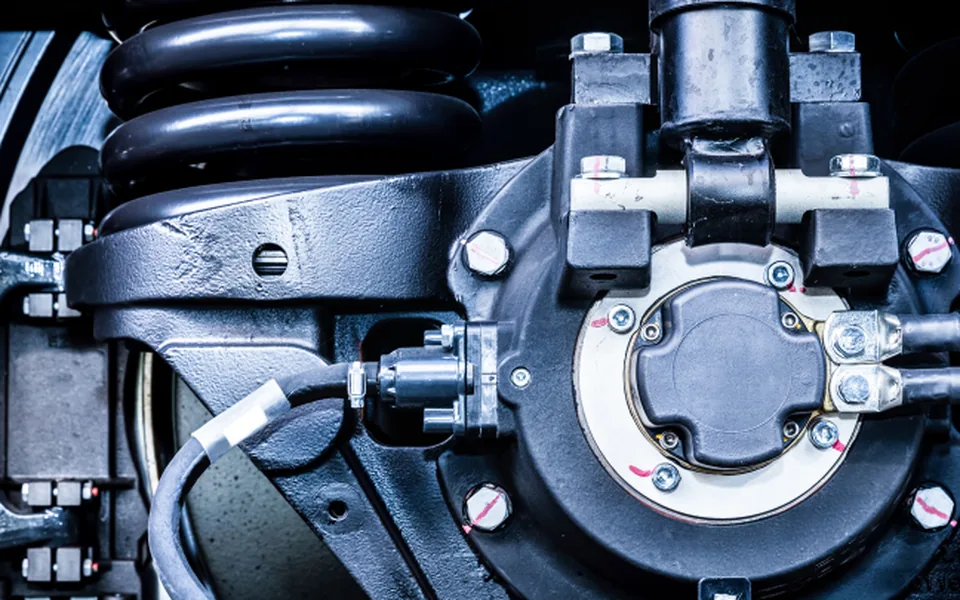
The braking system on your semi-truck is what keeps you safe while driving. We at Superior Truck and Trailer Repair think brake maintenance is not every so often looking–it’s doin’ it right the first time.
With your truck brake replacement, there is an important step that generally gets omitted: the break-in, or bedding process. That all-important process uses a silky friction material coating to be laid down on your brake rotors to provide you with a foundation of maximum brake performance and life.
The break-in process serves three key purposes:
- Establishes proper contact between brake pads and rotors
- Creates uniform friction material distribution
- Reduces the risk of hot spots and premature wear
Think of brake bedding to be a handshake between your rotors and brake pads, it makes them mix together ideally. This first meeting is critical in avoiding future overheating, which may result in brake failure in heavy-duty trucks.
Your brakes are a tremendous responsibility. They have to slow down thousands of pounds of weight, frequently under less-than-ideal conditions. By letting new brakes break in, you’re not only keeping a piece in good working condition, you’re investing in your own safety and the safety of everyone else on the road that you care about.
Understanding Brake Overheating in Semi Trucks
Semi truck brakes overheating happens when excessive heat accumulates due to repeated or hard braking. Excessive heat buildup produces hot spots – localized areas of excessive heat on your brake rotors. Hot spots can cause an unsafe pattern of uneven wear and poor brake performance.
There are several reasons for brake overheating in heavy-duty trucks:
Heavy Load Stress: The extreme weight of the load puts added stress on your brake system, which needs more friction to decelerate or stop
Constant Braking: Stop-and-go driving or descending roads compel your brakes to be used more vigorously
Irregular Friction Distribution: Brake pads, when they’re new and not worn in, tend to make irregular contact patterns with rotors
The risks of overheated brakes include:
- Brake fade – reduced stopping power
- Warped rotors
- Premature brake pad wear
- Complete brake system failure
Heavy loads amplify these risks significantly. A heavy load semi truck needs a great deal of braking force, producing much heat with each stop. Heat accumulation contributes to the danger when braking over a long distance, like a long incline downhill.
Preventative maintenance, such as proper brake break-in, puts an even coating of friction material on your rotors. Distributing friction material evenly distributes heat, eliminating the chance for possibly hazardous hot spots when in standard use. Brake maintenance, along with proper brake-in protocols, is your first line of defense against brake overheating conditions.
The Break-In Process for New Semi Truck Brakes
The breaking in of new semi-truck brakes has to be done slowly and specifically to gain maximum efficiency. Following is what you need to know to break in your new brakes:
Step 1: Initial Heating Phase
- Start with a series of moderate to aggressive stops
- Maintain speeds between 40-60 mph
- Brake down to 5-15 mph during each stop
- Keep the brakes warm between stops – don’t allow complete cooling
Step 2: Material Transfer
- The heating process promotes friction material transfer
- Brake pad material gradually deposits onto the rotors
- This creates an even protective layer across the rotor surface
Step 3: Controlled Cooling
- Drive at moderate speeds after completing the heating phase
- Avoid excessive braking during this period
- Let the brakes gradually return to normal operating temperature
This methodical break-in process creates a strong foundation for your brake system’s performance. The bedding process ensures that your brake components operate harmoniously, laying a groundwork for strong stopping power throughout their lifespan.
Correct break-in, too, helps to avert any future brake problems. When you spend time bedding-in your brakes correctly, you’re making an investment in semi truck long-term reliability and safety.
How Proper Brake Break-In Avoids Overheating
Knowledge of brake break-in science is key to brake safety and performance maintenance in your truck. Here’s what happens:
The Friction Material Transfer Process
During break-in, friction material is transferred from your brake pads to the rotors. The transfer produces a protective layer that has a number of purposes:
Even Heat Distribution: Properly transferred friction distributes heat evenly over the whole rotor surface and avoids localized heat in particular spots.
Hot Spot Prevention: Without a sufficient break-in, some parts of your rotors will form hot spots – spots of excessive heat accumulation.
Reduced Risk of Failure: Localized overheating from hot spots can lead to brake fade or complete brake failure.
Benefits Beyond Temperature Management
The advantages of proper brake break-in go beyond just controlling temperature:
- Extended component lifespan
- Improved braking efficiency
- Reduced maintenance costs
- Enhanced safety during heavy loads
- Better brake pedal feel
- Consistent stopping power
Importance for Heavy-Duty Trucks
The performance of your brake system heavily relies on this initial friction material transfer. When properly performed, the process forms a level, flat area between the rotor and pad. This flatness is essential for heavy-duty trucks hauling heavy loads and subject to high-frequency brake cycle usage.
The Protective Layer’s Role
The brake-in layer functions as a thermal barrier, which assists in regulating heat flow by way of your brake components. This heat management system becomes particularly important during long hauls or when navigating challenging terrain where your brakes face constant stress.
Best Practices for Breaking In New Semi Truck Brakes
Want to properly break in your new semi truck brakes? Here’s your step-by-step guide to successful brake bedding:
- Initial Speed Range: Start your brake bedding process at 40-60 mph
- Target Slowdown: Reduce speed to 5-15 mph during each braking cycle
- Braking Intensity: Apply moderate to aggressive pressure during stops
- Heat Management: Keep brakes warm between stops – don’t allow complete cooling
Cooling Phase: After completing all stops, drive at moderate speeds without heavy braking
Pro Tip: The key to successful brake bedding is to maintain even heat levels during the process. This induces maximum friction material transfer between your rotors and brake pads.
Take the time to perform this process in a controlled, safe environment with light traffic. Your attention to these details while breaking in will pay off in terms of reliable brake performance throughout the life of your truck.
Regular Maintenance to Maintain Brake Condition and Avoid Overheating
Regular brake checks are your greatest protection against imminent brake issues. A proper check can detect uneven wear patterns, signs of overheating, damaged parts, friction material thickness, and rotor condition. Your braking system must be maintained regularly with preventive diesel maintenance. Professional semi-truck maintenance can detect an early indication that inexperienced drivers cannot see.
These regular inspections are more than a mere glance over the brakes – they consist of measurement of brake components, hydraulic system inspection, and general brake performance examination. Regular maintenance visits keep your brakes in the finest working condition possible and avoid expensive repairs in the future. Trained diesel technicians employ advanced diagnostic equipment to check brake condition and identify potential issues before they become serious concerns.
Additional Support Services for Semi Truck Brake Issues
Your brake problem with your truck doesn’t have office hours – neither ours. Our 24/7 roadside assistance program is there to cover you with unexpected brake failure or other troubles day or night, 24/7.
Light-duty truck towing, medium-duty truck towing, and heavy-duty towing are available through our industry affiliates that you can count on.
We think distance shouldn’t stand in the way of you and good service. That’s why we’ll go out of our way to get your truck back on the road. You can trust our experienced team to coordinate the proper towing solution for your specific requirement, whether your truck is large or small, or wherever it is.
Choose Superior Truck and Trailer Repair
The reliability of your truck influences your safety firsthand on the highway. Correct break-in procedures on brakes lay the ground for a repeatable and reliable braking, avoiding overheating and brake failure that may follow.
We realize how important your braking system is. Our highly trained brake repair service technicians have extensive experience in brake repair and can walk you through every step of the brake-in the process. Don’t wait until there are brake issues, let us help you realize optimum brake performance.
Need professional brake service or are experiencing brake-related issues? Call us at (502) 789-6644. Our team is ready to provide expert diesel repair and semi-truck brake services to keep you safe on the road.



