










Ever Heard of the Infamous “Chicken Trucks” In Trucking? Here’s The Scoop
During the 1970s, the freeways were lined with gleaming trucks, their headlights burning bright at night. These were not your average trucks, they were the legendary “Chicken Trucks,” the…

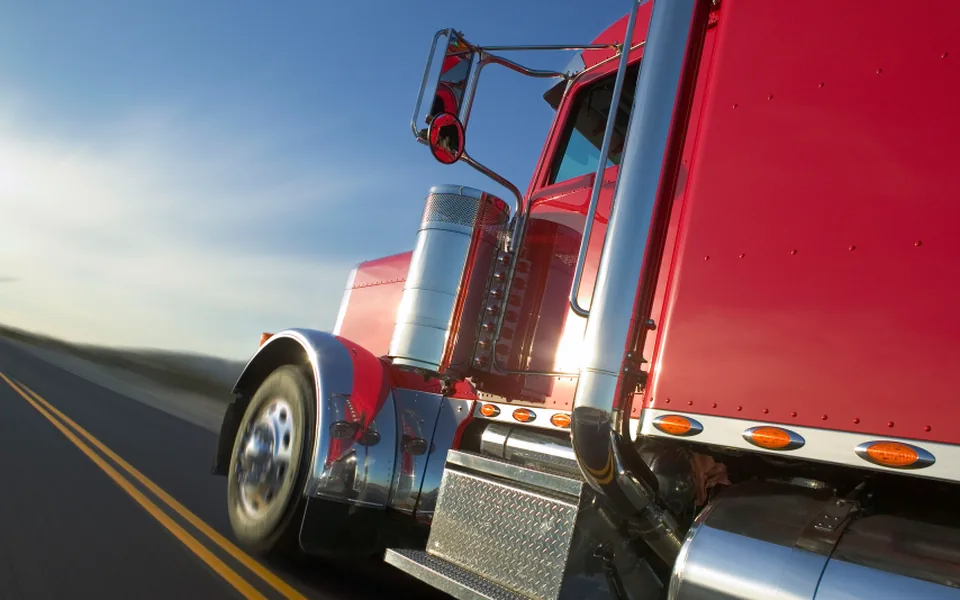
During the 1970s, the freeways were lined with gleaming trucks, their headlights burning bright at night. These were not your average trucks, they were the legendary “Chicken Trucks,” the pinnacle of the trucking business.
These tough trucks were so-called because they originally hauled fresh chicken from Alabama to Los Angeles. The term, however, later acquired a wider meaning. A “Chicken Truck” represented any refrigerated truck with chrome and lights on it, operated by truckers who possessed a speed-of-life.
Trucking was not merely a profession then; it was a lifestyle of its own with chrome shops, thrilling truck exhibitions, and the sweet scent of success. Here, we shall explore the fascinating world of chicken haulers, their unique culture, and the challenges that marked this unique era in trucking history.
The Origins and Evolution of Chicken Trucks
Chicken Trucks” is where this term began in the 1970s as frozen reefer trucks hauled fresh chicken from Alabama to Los Angeles meat markets. These specialized haulers learned special ways of keeping freight fresh over long hauls.
The Logistics Behind Chicken Hauling
The logistics of chicken hauling required precise timing and innovative solutions. Drivers would begin their journey by loading fresh chickens in Alabama on Friday nights. As a result of the abilities of early refrigeration equipment, cargoes were covered with shaved ice carefully to offer appropriate temperatures during the long haul. The deliveries worked on a tightly compressed schedule, with the trucks needing to arrive at Los Angeles meat markets by no later than 4:00 AM Monday morning. The main routes passed along Interstate 10 and Interstate 20, where the drivers needed to travel through hot conditions without exposing their valuable cargo to warming.
These chicken haulers were masters of efficiency, knowing every scale point and side road to keep their tight delivery schedules. After unloading their chicken cargo, they’d reload with produce for the return trip, maximizing their earning potential.
The Golden Era of Chicken Trucks
The golden era of chicken trucks brought unprecedented prosperity:
- Low fuel costs
- High-paying freight rates
- Abundant Chrome shops
- Strong relationships with produce houses
- Quick payment upon delivery
The Challenges Faced by Modern Truckers
The landscape of chicken hauling has dramatically shifted from these glory days. Modern truckers face mounting challenges:
Rising Operational Costs
The trucking sector has been severely affected by record fuel prices, with it becoming more and more challenging and difficult for operators to keep routes profitable. Maintenance cost continues to rise as parts and labor costs increase, with regulatory fees piling on another burden to already strained budgets.
Regulatory Restrictions
Regulations by the Environmental Protection Agency have turned the tide against truckers. CARB compliance regulations have been especially hard, with operators struggling to maintain stringent emission levels. Regulations have essentially kept non-compliant trucks out of California markets.
Market Changes
The industry has seen a troubling trend of decreased freight rates, which has severely impacted truckers’ bottom lines. Profit margins have tightened significantly over the past few decades, with increasing competition rising exponentially. More carriers are vying on fewer profitable lanes, and it’s a tough playing ground for independent carriers as well as big fleets.
The original chicken trucks were a combination of function and form – work trucks with chrome, lights, and attitude. While the early trucks did contribute to the development of trucking culture, the industry’s needs today have had operators favor efficiency over appearance.
Life on the Road as a Chicken Hauler
Being a chicken hauler meant pushing both the truck and the driver to their limits. These hardworking truckers drove their trucks day and night, only stopping when absolutely necessary for quick fuel stops and short naps.
The Need for Multiple Log Books
To stay efficient and profitable in the business, it was common practice to run three separate log books. The plan was straightforward: get a few hours of sleep when needed, then hit the road again.
Little America Truck Stop: A Favorite Pit Stop
Little America truck stop became a favorite spot for many haulers. Its strategic setup included a deli right at the fuel islands, allowing drivers to grab a roast beef sandwich while fueling up – no wasted time, just grab and go.
The Relentless Work Ethic of Legendary Drivers
The work ethic was unyielding. Drivers like Eddie Gant and Charlie Bates became legends, and their fancy rigs were rarely seen parked. These weren’t show trucks gathering dust – they were working machines that earned their shiny chrome through countless miles of dedicated service.
The Role of Produce Houses in Chicken Trucking
Produce houses played a crucial role in the success of chicken haulers. These facilities prioritized speed and efficiency – the quicker the produce arrived, the fresher it stayed, leading to higher market prices.
Benefits for Truckers
The relationship between truckers and produce houses was built on mutual benefits. Drivers valued the quick turnaround:
- Immediate load inspection upon arrival
- Swift payment processing
- Fast dock unloading
- Quick reload opportunities
This efficient system allowed truckers to maximize their earning potential. As soon as they’d bump the dock, produce houses would:
- Check the load quality
- Process payment on the spot
- Get trucks back on the road
The instant cash flow meant drivers could immediately cover essential expenses like fuel and food, maintaining continuous operations without delays. This effective partnership created a thriving ecosystem where both parties benefited from the rapid delivery system.
Nostalgia and Humor in Chicken Hauling Culture
The trucking community recalls Ray Carlile’s original cassette tape selling thousands of copies. His humorous introduction of the chicken hauling lifestyle resonated with truckers in his popular “You Might Be a Chicken Hauler If.” series that contained 101 situations truckers would easily relate to.
Trucking culture relied on this type of humor, building a close society in which the drivers could joke about their experiences. These cassette recordings were more than mere entertainment – they symbolize the peak period when trucking was a career, but also a lifestyle full of pride, camaraderie, and doses of humor.
The essence of these times lives on in anecdotes shared by old-time drivers who recall the time when each interstate journey was an on-the-move truck show, with chrome-equipped trucks illuminating the highways.
Current Challenges Facing Truckers Today
The golden era of chicken hauling has given way to a stark reality in modern trucking. The industry landscape has shifted dramatically from the days when “the harder you ran, the more money you made.” Today’s truckers face a different equation: the harder you work, the more taxes you pay.
Rising Operational Costs
Rising operational costs have hit the industry hard. Soaring fuel prices, higher regulatory compliance charges, and added maintenance fees are now huge headaches for truckers. Enormous tax costs still eat into profits, making it tougher for owner-operators to sustain viable businesses.
Impact of Environmental Regulations
Environmental regulations have particularly impacted traditional chicken haulers. The EPA and CARB restrictions now prevent many classic big rigs from even entering California – a stark contrast to the freedom truckers once enjoyed.
Squeezed Profit Margins
The freight rates haven’t kept pace with these rising costs, squeezing profit margins tighter than ever. This financial pressure has transformed trucking from a lifestyle where drivers could afford “Chrome and lights and big radios” into a constant battle to maintain profitability while meeting mounting operational expenses.
The Future of Trucking Industry: A Legacy Worth Preserving?
The golden era of chicken trucks offers valuable lessons for today’s trucking industry. The dedication, work ethic, and community spirit of these truckers created a rich heritage worth preserving. New generations can learn from the resourcefulness and determination that defined the chicken hauler era. While modern regulations and environmental concerns have reshaped the landscape, the spirit of innovation endures.
Companies need fresh perspectives to tackle contemporary challenges while honoring their heritage. Ray Carlile’s irreverent commentary on trucking culture reminds us that even in tough times, camaraderie and humor are essential in the business. This blend of tradition and innovation is crucial for shaping tomorrow’s trucking companies. The future lies in embracing new technologies while maintaining the solid work ethic and civic values that made chicken haulers legendary.
Select Superior Truck and Trailer Repair
The golden age of chicken trucks highlights the trucking industry’s unique place in American folklore. Although those days of chrome-studded rigs and ice-cooled chicken loads are gone, the grit and hard work ethic persist among today’s truckers. At Superior Truck and Trailer Repair, we understand the special concerns of truckers. Our team has decades of experience in diesel repair and semi-truck maintenance, including refrigerated transportation.
We’re proud to offer:
- 24/7 towing and roadside assistance
- Mobile service that comes to you
- Comprehensive in-shop repairs
- Unlimited service range – we’ll travel wherever you need us
Your rig is your livelihood, and we treat it with the same respect that chicken haulers showed their trucks decades ago. Whether you operate a fleet of new equipment or an old workhorse, our trained professionals are ready to get your truck up and running. Need reliable diesel repair services? Give us a call today at (502) 789-6644. We’re here to support the next generation of truckers with the dedication that made the chicken truck era legendary.



