










Fleet Vehicle Maintenance That Keeps Your Entire Operation Running Smoothly
The maintenance work requires immediate attention because fleet operators understand its importance as an essential task which needs to be completed urgently. The maintenance work…

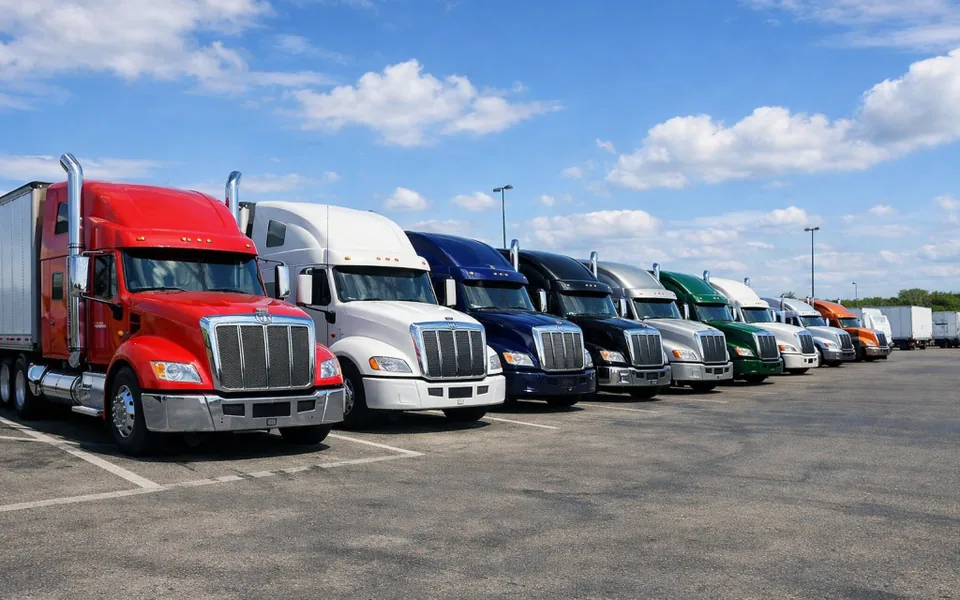
The maintenance work requires immediate attention because fleet operators understand its importance as an essential task which needs to be completed urgently. The maintenance work determines whether business operations will progress according to their planned schedule or whether they will face interruptions caused by equipment failures and service delays and customer dissatisfaction and drivers who need to wait for assistance.
We assist fleet operators and semi truck drivers who require their vehicles to operate continuously without unexpected service interruptions. Our objective aims to maintain all units in safe and compliant condition while staying within budgetary limits and operating without creating complex procedures. This article presents a fleet maintenance method which maintains operational stability while decreasing roadside service needs and enabling advance planning for necessary repairs.
Why Fleet Maintenance Is Really an Operations Strategy
Most people think maintenance is a shop problem. In real life, it is an operations strategy.
When a truck goes down, dispatch scrambles while routes get reshuffled and customer ETAs slip and drivers lose hours and your team spends time putting out fires instead of moving freight. The total cost of an unplanned repair exceeds the invoice amount because towing and lost revenue and missed commitments need to be considered.
The flipside is just as real. A consistent maintenance rhythm helps you:
- Keep trucks earning instead of waiting
- Protect drivers by reducing preventable failures
- Catch small issues early, when the fix is cheaper
- Build a reputation for reliability with shippers and brokers
- Support compliance and inspection readiness
Maintenance is not only about parts. It is about keeping your entire business predictable.
Building a Maintenance Program That Actually Works
A fleet maintenance program should be easy to follow on your busiest week. If it only works when everything is calm, it will fail the first time the schedule tightens.
At Superior Truck and Trailer Repair, we focus on a straightforward structure with clear triggers for service, consistent documentation, and quick communication with dispatch and drivers.
Start With Preventive Maintenance Intervals You Can Track
Most fleets use a mix of mileage, engine hours, and calendar time. That is the right idea. The key is consistency and tracking.
For example, if you service one truck every 15,000 miles but another gets pushed to 22,000 because it is “too busy to bring in,” you are quietly increasing risk. Oil and filters are not the expensive part. The expensive part is what happens when lubrication, heat, and contamination win over time.
A dependable schedule should include routine inspections and service intervals that match your equipment, duty cycle, and loads. Long idle time, short routes with frequent stops, heavy loads, and harsh weather all change what “normal” looks like.
Make Driver Inspections Part of the Maintenance System
Drivers are your early warning system. A pre-trip and post-trip inspection is not just a compliance requirement. It is your best chance to catch a problem when it is still small.
What we see in the field is simple: fleets with strong driver reporting have fewer roadside calls. Fleets with weak driver reporting end up paying for last-minute repairs and towing.
The most effective setup is when drivers know exactly what to report, how to report it, and they feel confident the issue will be handled. If reports disappear into a black hole, drivers stop reporting the little stuff, and the little stuff becomes big stuff.
Use Standardized Checklists, Not Memory
The experienced teams make mistakes whenever they work during hectic days. A standardized inspection and service checklist protects the truck, the driver, and your business.
The system establishes a documentation process which assists in audits and inspections and warranty discussions. Maintenance records should be documented clearly to demonstrate proper fleet management practices.
The High-Impact Areas That Cause the Most Downtime
Not every repair hits your operation the same way. Some issues are annoying but manageable. Others stop the truck right now. If you want to keep your entire operation running smoothly, focus on the systems that tend to create expensive downtime when ignored.
Tires And Alignment
Tires are a daily cost that can quietly turn into a major expense. Irregular wear, low pressure, alignment drift, and suspension issues show up first in your tires. If you are seeing rapid shoulder wear, cupping, or constant pressure loss, it is usually a bigger story than “bad tires.”
A good fleet plan keeps tire pressure checks consistent, watches tread depth, and addresses alignment and suspension issues early. This also improves fuel economy, reduces blowouts, and keeps drivers safer.
Brakes
Brake problems can take a truck out of service fast. They also create major safety exposure. Routine inspections help you catch uneven wear, air system leaks, worn components, and hardware issues before they become an out-of-service situation.
Brake performance issues often show up gradually, which is why regular checks matter. Waiting until you “hear something” is usually too late.
Cooling System And Overheating Prevention
Overheating can ruin a day quickly, and it can damage an engine just as fast. The cooling system is one of those areas that gets ignored until the temperature needle climbs.
A strong preventive approach checks coolant condition, hoses, clamps, fan operation, radiator condition, and leak points. It also includes pressure testing when needed. Catching a weak hose or seep early is far cheaper than dealing with a roadside overheat event.
Electrical And Charging Problems
The reason electrical problems create such high levels of frustration is their ability to occur unexpectedly at any time. The combination of weak batteries and corroded connections and worn alternators and wiring problems creates no-start situations which result in lighting failures and sensor faults that derail a route.
The practice of conducting regular battery and charging system assessments eliminates unexpected issues. The system provides enhanced cold-weather reliability because it shows weak electrical systems during testing.
Aftertreatment And Emissions-Related Downtime
Modern trucks rely on aftertreatment systems, and when they act up, your truck can derate or shut down. Many fleets learn this the hard way.
The best defense is consistent maintenance, quality parts and fluids, and early diagnosis when warning signs show up. If drivers are reporting frequent regens, loss of power, or dash warnings, it is worth taking seriously right away. Quick action can prevent an on-road derate and a missed delivery.
Preventive Vs. Predictive: What Fleets Should Aim For
Preventive maintenance is the foundation, but many fleets can take a step further with predictive habits. You do not need a fancy system to start. The idea is to use real signals to plan service before failure.
Common predictive signals include fluid analysis trends, repeating fault codes, tire wear patterns, brake wear rates, and driver feedback. When the same issue shows up twice, it is not “bad luck.” It is a pattern worth fixing.
We like to help fleets build a simple rhythm: service regularly, track what you find, and act on patterns. Over time, you will see fewer surprises and more planned shop visits, which is exactly what you want.
How We Keep Fleet Maintenance Simple For Dispatch And Drivers
Maintenance fails when it creates friction. If dispatch feels like maintenance is always pulling trucks at the worst time, they will resist scheduling service. If drivers feel like reporting issues creates hassle, they will stop reporting.
The best fleet maintenance approach supports the real world. Here are the habits we recommend and use with our customers:
- Schedule service around routes, not against them. If a truck will be near the shop or home terminal, plan service then.
- Keep communication tight. When a driver reports an issue, confirm it, schedule it, and close the loop so the driver knows it was handled.
- Prioritize by risk. Not every issue is urgent, but safety and out-of-service risks should always come first.
- Maintain consistent records. When your history is clean, decisions get easier, and recurring problems stand out fast.
And to keep things manageable, we recommend limiting your process to no more than a few clear service triggers. Too many categories and exceptions slow everyone down.
The Hidden Cost Of “Just One More Trip”
A common fleet mistake is stretching service because the truck “seems fine” and the load needs to move. We get it. Freight does not wait.
But “one more trip” is where small issues turn into big ones. A small coolant leak becomes an overheat event. A worn tire becomes a blowout. A brake problem becomes an out-of-service. The repair cost goes up, and the downtime is worse.
When fleets commit to a consistent service schedule, they usually see fewer emergency repairs within a few months. That improves uptime and makes budgeting more predictable.
Choosing a Shop Partner You Can Rely On
Fleet maintenance works best when your shop partner understands that uptime matters. You want more than a repair. You want a plan.
When you are choosing who to trust with your fleet, look for a team that communicates clearly, documents work properly, and helps you prioritize repairs based on safety, compliance, and operating cost. The company needs to provide you with accurate time estimates which will enable you to schedule dispatch operations without requiring ongoing estimation.
We assist fleets in decreasing their service interruptions through our regular service offerings and our realistic vehicle inspections and our repair suggestions which match your trucks’ typical operational needs.
Final Thoughts And Next Step
Smooth fleet operations do not happen by accident. The system’s reliability comes from regular maintenance, quick response to driver reports, and proactive detection of issues that lead to system failures. We can assist you with managing your roadside incidents, improving your scheduling system, and achieving cost estimation accuracy.
Call (502) 789-6644 today to talk with us at Superior Truck and Trailer Repair about setting up a fleet maintenance plan that keeps your trucks safe, compliant, and moving when it matters most.



