










Semi Truck Check Valves – What Are They And What Do They Do
Your air suspension system on your semitruck is dependent upon a tiny but highly effective unit, the check valve. Those convenient units go quietly about their duties in the background to…

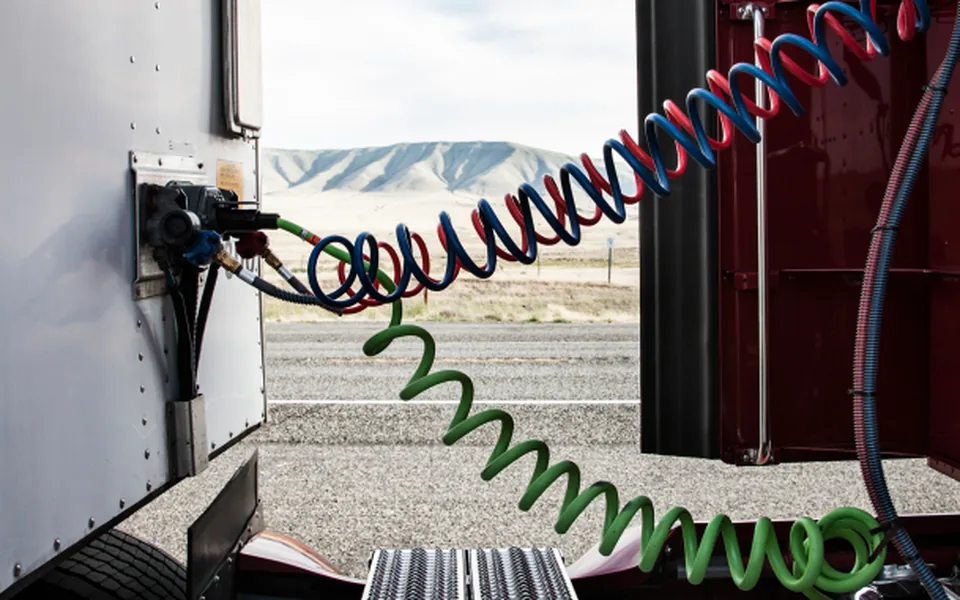
Your air suspension system on your semitruck is dependent upon a tiny but highly effective unit, the check valve. Those convenient units go quietly about their duties in the background to keep the air pressure in equilibrium, keeping your truck stable and operating at peak efficiency on the highway.
Use check valves as sentinels of your truck air suspension. Check valves control the flow direction of air, seal pressure leaks, and safeguard sensitive parts from damage. Without working, check valves, your truck suspension droops, causing uneven ride height and potential safety issues.
Why should you care about check valves?
- They maintain consistent air pressure in your suspension system
- They protect your air compressor from damage
- They ensure stable ride height and load leveling
- They’re crucial for your truck’s overall safety and performance
Let’s dive deeper into these vital components and discover why they’re so important for your semi truck’s operation.
What is a Check Valve?
Your air suspension system for your semi truck is dependent on a small yet sturdy component, the check valve. These crucial components operate in the background to deliver optimal air pressure, stability, and performance for your truck on the road.
Consider check valves as guardians of your truck’s air suspension system. They regulate airflow direction, avoid pressure loss, and guard critical parts from damage. Without functioning check valves, your truck suspension may sag due to uneven ride height, and a potential check valve is a one-way valve specifically designed to regulate the flow of air or fluid in a particular direction. It operates similarly to a traffic cop sending cars down a one-way street – air can only go in the specified direction.
These valves have an integrated spring mechanism that acts like a gatekeeper. In case air tries to flow in the opposite direction, the spring automatically closes the valve, and this gives a tight seal against any resultant unwanted backflow.l safety risks.
In semi trucks, check valves are typically:
- Made from durable die-cast aluminum
- Rated to handle pressures of 200+ PSI
- Located at the end of compressor leader lines
- Installed just before the air tanks
This small yet critical part keeps your truck’s air system functional by preventing air from passing back through the compressor or into the rest of the system.
The Function of Check Valves in Semi Truck Air Suspensions
Semi truck and 18-wheeler air suspension systems utilize a network of components that function together to maintain the vehicle at proper ride height and level. At the center of this is a sophisticated network of air tanks and airbags that support the weight of the suspension of the vehicle.
Check valves are critical points of control in this system that exert compressed air from the compressor to storage tanks and control airflow distribution to suspension airbags. Check valves to prevent cross-contamination and air leakage and ensure each component of the air suspension system gets the right amount of pressure by having isolated pressure spaces between parts. Having such precise control is necessary to provide consistent performance, ride quality, and vehicle safety for semi trucks.
The proper regulation of airflow through check valves directly impacts your truck’s:
Ride Quality: Consistent air pressure ensures smooth operation
Load Leveling: Even distribution of air maintains a balanced suspension
Vehicle Stability: Proper pressure prevents sagging and uneven ride height
Special pressure areas are created by check valves by isolating airbags from air tanks and compressor lines. This isolation maintains the suspension of your truck at the proper inflation, even when the system is off or pressure changes. A working check valve keeps the air suspension system of your semi truck in its optimal condition, providing heavy loads with consistent support and maintaining ride characteristics.
How Check Valves Work Mechanically
The internal process of a check valve operation centers on its internal spring device, an ingeniously uncomplicated but extremely effective design to control airflow direction. The process is made up of a spring-loaded unit serving as a one-way gate inside the valve body.
This is how the internal parts work together:
There is a spring-loaded device within the valve body. When all is okay and the air is passing in the right direction, it compresses the spring, and the spring opens the valve to enable air passage. When air is attempting to pass in the opposite direction, the spring instantly shuts the valve. The temporary movement plays a great function of not permitting the backflow to occur whatsoever. Therefore, the air simply moves in the right direction within the system.
Semi-truck heavy-duty check valves are typically die-cast aluminum so that they can withstand high-pressure applications. They are designed to hold pressures of over 200 pounds per square inch, which makes them suitable for heavy-duty diesel applications.
The mechanical design allows the valve to auto-control itself without an external source of power or control devices. The self-control function makes check valves extremely dependable components of your truck’s air system, involving little maintenance with regular performance.
The Importance of Maintaining Check Valves in Semi Trucks
A faulty check valve will wreak havoc on your semi truck air suspension system. Once your check valves fail, you will notice the difference immediately in your truck’s performance and safety:
Air Leaks: Faulty check valves allow compressed air to leak out, causing your air tanks to lose pressure too soon
Suspension Sagging: Without regular maintenance of air pressure in your truck’s suspension system, the suspension of the truck will sag ununiformly
Uneven Weight Distribution: A blown air suspension impacts how your truck distributes its weight on its axles
Poorer Stability: Your truck is more difficult to handle, particularly cornering or under heavy load
The ripple effects of a check valve burst are widespread beyond basic air pressure problems. Your ride quality is severely impaired with your truck, and long hauls are more challenging, possibly hurting your freight. The ongoing frustration of your air compressor – having to provide more effort to keep system pressure – can result in premature component failure.
Semi-truck repair maintenance and regular check valve checks eliminate such problems. Diesel repair mechanics are able to detect warning signs in the beginning stages before they become expensive repairs that will put your truck out of service.
How Check Valves Save Your Air Compressor
Your air compressor labors hard to keep systems at their intended air pressure. Check valves play a vital role as a protection mechanism, preventing backflow from occurring that would damage this critical device.
Why check valves guard your compressor:
Prevents Overworking: By preventing air from reversing direction, check valves prevent your compressor from working harder than it needs to keep system pressure.
Moisture Protection: Direction of flow, one-way, prevents moisture and contaminants from entering the compressor and decreases the chance of internal damage
Cold Weather Defense: During freezing conditions, check valves to prevent moisture buildup that freezes within the compressor
Pressure Management: Check valves control ideal pressure levels, avoiding compressor stress that causes overheating
An operational check valve prolongs the life of your compressor by providing a safeguard against most malfunctions that will need early diesel repair service.
Signs that Your Semi Truck’s Check Valve Needs Attention
Your truck’s check valve issues can manifest through several distinct warning signs. Watch for these significant signs:
Uneven Ride Height: When your truck’s suspension starts sagging or shows uneven height distribution, it’s often a direct result of air pressure loss through a faulty check valve.
Air Loss in Tanks: A leaky check valve lets pressurized air escape back into the system, and your air tanks lose pressure even when parked.
Suspension Performance Problems: You may experience a more jarring ride quality, compromised load leveling, unequal vehicle stability, and improper ride height maintenance.
Hissing Noises: Detect hissing noises near your air tanks or compressor stations – hissing noises mean possible check valve failure.
Quick diagnosis and repair of these symptoms is essential. Left unchecked, a faulty valve can lead to:
- System-wide air pressure loss
- Increased strain on your air compressor
- Potential suspension system damage
- Risk of your truck settling on its frame
These issues can rapidly escalate, turning what was a simple valve replacement into a complex repair effort requiring a far-reaching system overhaul.
Practical Tips for Semi Truck Drivers and Fleet Managers
Maintaining your truck’s check valves in good working condition involves proactivity on the maintenance side. Here is what you should know:
Regular Inspection Checklist:
- Listen for unusual hissing sounds around air tanks during your pre-trip inspection
- Check suspension height consistency across all airbags
- Monitor air pressure gauge readings for unexpected drops
- Inspect air compressor performance during system buildup
- Look for signs of moisture or contamination near valve connections
Professional Service Indicators:
- Air pressure drops faster than normal when the engine is off
- Compressor runs more frequently than usual
- Uneven tire wear due to suspension irregularities
- Multiple airbags showing inconsistent inflation
Your maintenance schedule should include professional check valve inspections every 50,000 miles. This preventive measure helps identify potential issues before they lead to system failures. Professional diesel technicians have specialized tools to test check valve functionality and can determine if cleaning, repair, or replacement is necessary.
Remember: A small investment in regular maintenance prevents costly repairs and unexpected downtime for your fleet.
Superior Truck and Trailer Repair Services for Check Valves
Do your truck’s check valves require professional attention? Look no further. At Superior Truck and Trailer Repair, our experienced technicians are experts in diagnosing and repairing all aspects of diesel engines, including check valve maintenance and replacement.
We understand that truck problems can occur at any time. That’s why we offer:
- 24/7 Emergency Services
- Mobile Repair Units – We come to you, wherever you are
- Professional Towing Service – Light and medium-duty trucks
- Heavy-duty Towing – Through our trusted industry partners
- Unlimited Range – Distance is never an obstacle
Don’t let check valve issues disrupt your fleet operations. Reach out to us now for prompt assistance and discover our dedication to keeping your trucks running smoothly. Give us a call today at (502) 789-6644!



