










Semi Truck Repair Shop: Why Maintenance History Matters More Than Where You Buy
When you buy a semi truck, it’s natural to concentrate on the brand, the dealer, or the deal you cut. However, based on our experience repairing hundreds of trucks from owners who have been…

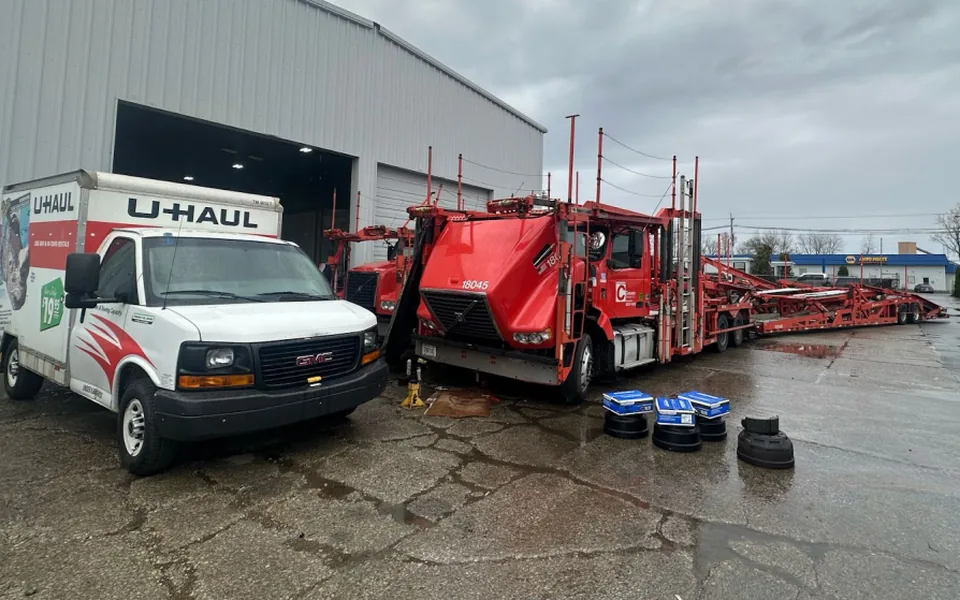
When you buy a semi truck, it’s natural to concentrate on the brand, the dealer, or the deal you cut. However, based on our experience repairing hundreds of trucks from owners who have been in your shoes many times over, there is one thing that determines the truck’s future downtime and repair costs better than almost everything else: its maintenance history.
The seller cannot be responsible for the condition of the truck at 300K if the truck had been running too hot for three weeks, whether the previous owner has been pushing the oil change limits, or preventive maintenance was forgotten because of seasonal busyness.
A clean, consistent service record often beats a “good deal” from the perfect place. And when maintenance history is missing, vague, or inconsistent, you’re usually buying surprises.
Why Maintenance History Predicts Reliability Better Than The Seller
Where you buy can affect the paperwork, financing, and maybe the initial condition. The seller cannot be responsible for the condition of the truck at 300K if the truck had been running too hot for three weeks, whether the previous owner has been pushing the oil change limits, or preventive maintenance was forgotten because of seasonal busyness.
Maintenance history reveals facts about the condition of the vehicle and how much work has already been done or not done.
Even if the truck looks shiny on the lot, it might be carrying hidden engine, after treatment, driveling, cooling, and brake system wear inside. Service records don’t guarantee perfection, but they make problems easier to predict and prevent.
The Difference Between “Repaired” And “Maintained”
Repairs are reactive. Maintenance is planned.
A truck with a stack of invoices for breakdowns may have “spent money,” but that’s not the same as being maintained. What you want to see is routine service being done on schedule and documented clearly.
Maintenance history gives us evidence of routine inspections of the engine’s oil and filters according to the duty cycle, cooling system fluid and thermostat checks, air system service, brakes, and alignment. The maintenance record indicates how regularly preventive actions were taken to avoid failures or breakdowns.
On the contrary, the maintenance records that show only large-scale repairs indicate that the truck was pushed too far until something needed immediate attention.
What A Good Service Record Should Include
You don’t need a perfect binder with every receipt since day one, but you do want enough detail to understand the truck’s story. A solid maintenance history typically includes:
- Dates and mileage for oil changes, filters, coolant service, brake work, and tires
- Notes on recurring issues, check engine events, and any aftertreatment work
- Major repairs with clear documentation of what failed and what was replaced
- Consistent intervals that match the miles the truck was actually running
If the mileage jumps around or the records disappear for long stretches, treat that as a warning sign. Trucks don’t stop aging just because paperwork stopped.

The Expensive Problems That Maintenance History Helps You Avoid
Most catastrophic failures don’t come out of nowhere. They build slowly, and good maintenance either prevents them or flags them early.
Engine And Cooling System Failures
Cooling system neglect is one of the fastest ways to shorten engine life. Old coolant, ignored leaks, clogged radiators, weak fan clutches, and worn thermostats all add up. If the history shows regular coolant service and cooling system inspections, you’re less likely to inherit an overheating issue that turns into a head gasket, EGR cooler, or worse.
Aftertreatment Headaches
DPF and SCR systems are expensive when they’re neglected. A truck that has proper records for regens, sensor replacements, cleanings, and related diagnostics is usually a safer bet than one that “never had a problem” but can’t prove it.
We also see trucks where someone cleared codes repeatedly instead of fixing the cause. That’s not maintenance; it’s delaying the bill for the next owner.
Driveline Wear And “Mystery Vibrations”
U-joints, carrier bearings, and driveline angles don’t always fail dramatically at first. They start with vibration, noise, and uneven wear. If inspection notes show those items were checked and serviced, that reduces your risk of chasing a vibration that turns into downtime.
Brakes, Tires, And Alignment Costs
A truck that was maintained well typically shows even tire wear and a consistent brake service rhythm. When the history is missing, you may end up buying uneven wear, overheated components, or neglected air system issues that create brake problems.
How Buyers Can Verify Maintenance History Before They Commit
If you’re shopping for a truck, ask for maintenance records early, not after you’ve fallen in love with it. If you’re buying for a fleet, make maintenance documentation part of your standard purchase checklist.
A few practical steps that help:
- Ask for service invoices with mileage and dates, not just verbal claims.
- Look for regular intervals and proof of preventive work, not only breakdown repairs.
- Request documentation for major components, especially engine work and aftertreatment service.
- Bring the truck to a semi truck repair shop you trust for a pre-purchase inspection.
A proper inspection paired with real maintenance history is one of the best ways to avoid buying someone else’s deferred maintenance.
Why A Semi Truck Repair Shop Cares About This More Than Anyone
We’re the ones who see what happens after the sale, when the excitement wears off, and the truck needs to run. The owner who bought based on “where it came from” often walks in frustrated. The owner who bought based on “how it was cared for” usually comes in for scheduled maintenance and stays ahead of problems.
If you’re managing a fleet, maintenance history also helps you plan. It gives you confidence in service intervals, helps you budget, and reduces those surprise breakdowns that wreck a week of dispatching.
Let’s Keep Your Truck Reliable And Your Downtime Low
If you’re buying a truck, running a fleet, or trying to get more life out of what you already own, maintenance history is your best friend. If no maintenance record is available, you can end up dealing with uneven wear, overheating of components, or brake malfunction caused by neglect of the air system service.
If you’d like to analyze the truck’s maintenance history, implement a preventive maintenance program, or conduct a thorough pre-purchase inspection, give our professionals at Superior Truck and Trailer Repair a call at (502) 789-6644.



