










The Hidden Cost of the Road: Why Truckers Are Speaking Up About Loneliness
Behind every mile marker along America’s highways is an untold tale, not one of engine power or delivery speed, but of human hearts that ache to connect. A truck driver’s existence is more…

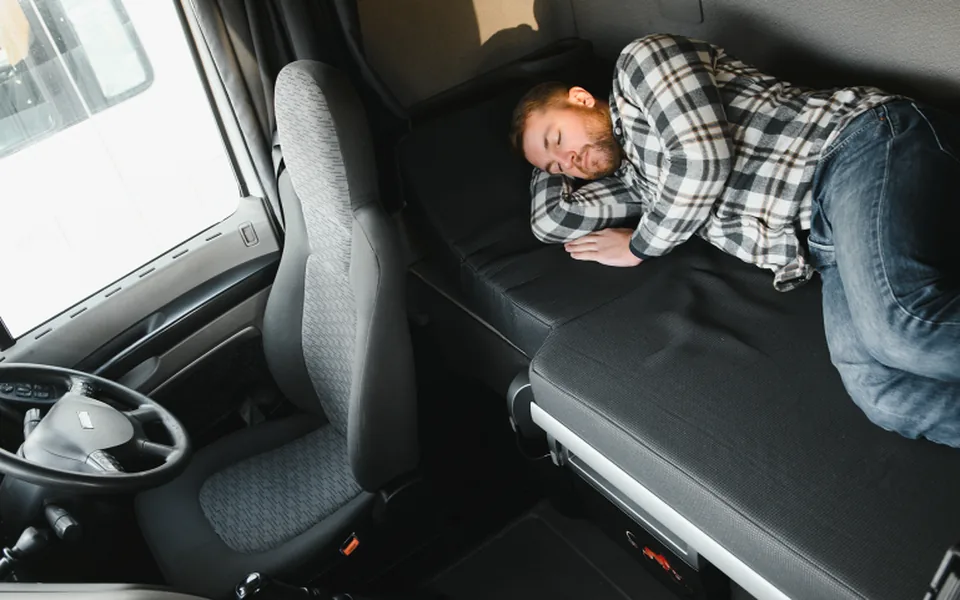
Behind every mile marker along America’s highways is an untold tale, not one of engine power or delivery speed, but of human hearts that ache to connect. A truck driver’s existence is more than the metal clanking engines and endless stretches of asphalt.
Picture this: 11 hours of driving, day in and day out, with the radio and your own thoughts as your only friends. As trucking is structured around keeping equipment rolling and being safe on the road, a silent crisis silently festers behind cab walls across the country.
The facts paint a grim picture:
- 300+ days away from home annually
- 70+ hours spent on the road weekly
- Scored birthdays, anniversaries, and family moments that could have been
Behind every mile marker along America’s highways is an untold tale – not one of engine power or delivery speed, but of human hearts that ache to connect. A truck driver’s existence is more than the metal clanking engines and endless stretches of asphalt.
We’re seeing an industry shift. Drivers are speaking out about their struggles with Isolation, and it’s time for us to hear them. Their stories remind us that attending to mental health is just as vital as attending to the trucks they drive.
The Reality of Life on the Road
The day of a truck driver begins early. He is on the road at 4 AM, seeing the sun rise through his windshield. The next 11 hours come and go in Isolation, mile after mile of highway, punctuated only by sporadic stops at truck stops.
Your only companions? The idle rumble of the engine, the sporadic crackle of the CB radio, and your own thoughts. Lunches are fast foods consumed in the cab or solitary meals at truck stops. Human interaction is limited to occasional conversations with dockworkers, fellow truckers at truck stops, or brief calls home when service permits.
The physical demands are relentless:
- Sitting for extended periods
- Irregular sleep patterns
- Limited access to healthy food options
- Minimal exercise opportunities
The emotional weight hits harder. You miss your child’s first soccer game, your partner’s birthday party, or family reunions. Life-altering moments become pixelated memories with video calls. Weekend barbecues, neighborhood block parties, and impromptu friends’ gatherings become memories afar.
Within the cab of the truck, time slips by at different rates. Hours take forever on desolate roads. The isolating nature of work provides an odd psychic setting – one where you’re linked to the world by the cargo but cut off from significant human connection. Your truck is an office and mobile home, a place where duty work and individual Isolation blend, a place that is as much a sanctuary as it is a location of obligation.
Mental Health Challenges Faced by Truckers
Recent research documents the bleak mental health status of truckers. Fully 27.9% of truckers indicate being severely isolated, and 26.9% struggle with depression. Sleep disorders beset 20.6% of the drivers, and 14.5% struggle with anxiety – all significantly higher rates than in the general population.
Causes of Mental Health Issues
The daily circumstances of trucking provide a perfect setting for mental health issues:
Traumatic Episodes: Being a witness or a participant in car accidents
Physical Pressure: Irregular sleep patterns and scant opportunity for exercise
Economic Pressure: Unpredictable earnings and a high cost of operations
Restricted Access to Healthcare: No access to mental health care on the road
The rate of suicides among truck drivers is especially alarming – research estimates it can be as high as 1.5 times the national average. All drivers are caught between making a living and going crazy.
Common Triggers for Mental Health Issues
Common factors that trigger mental health problems include:
- Incidents of road rage
- Hazardous weather conditions
- Tight deadlines for deliveries
- Long periods of social Isolation
- Challenges in maintaining a work-life balance
These problems go undetected because the majority of truckers do not want to approach an individual and seek help because they are afraid of being judged or penalized on their commercial driving license. Trucking’s historically tough and isolated nature complicates the drivers’ ability to admit their challenges and access help.
Impact of COVID-19 on Truckers’ Emotional Well-being
The pandemic produced a perfect storm of truck driver isolation. As the world went home, truckers were stuck with abandoned truck stops, shuttered restaurants, and less ability to access basic services. Most drivers couldn’t even get a spot to wash their hands or use a restroom along their routes.
Social Distancing Measures and Their Effects on Truckers
Social distancing measures affected truckers the most:
Limited Contact with Family: Border closures and quarantine isolated drivers from returning home between hauls
Restricted Rest Areas: Most stops are cut back or closed altogether
Reduced Human Contact: Loading and unloading became contact-free, removing even brief human interaction
More Pressure from Demand for Necessities
Demand for Essential Items doubled the pressure. Drivers faced:
- Extended working hours
- Tight delivery deadlines
- Increased route complexity
- Supply chain disruptions
These hardships intensified existing mental illness. A Kentucky truck driver explained: “During COVID, my cab was my cell. I couldn’t stop at my regular places, chat with the other drivers, or hug my children between runs. The silence became deafening.”
Long-term Effects of the Pandemic on Truck Drivers
The ripple effect of the pandemic is still being felt in the trucking world. Drivers point to greater concern for looming health crises and workplace safety. Isolation under lockdown has left psychological scars in the form of isolation and loneliness that pushed drivers to reach out and speak candidly about what they went through.
Why Truckers Are Speaking Up Now
There’s a powerful movement afoot throughout the world of trucking. Drivers are finally discussing mental health issues, causing a ripple effect that’s changing the business’s culture.
Social Media as a Catalyst
Social networking sites have become important arenas where truckers chronicle their existences. Facebook forums focused on the mental welfare of truckers have experienced their membership explode, with some boasting tens of thousands of members. These cyber-gathering places provide drivers with a place to express themselves freely without fear of discrimination.
Breaking Down Barriers
- Younger drivers lead the charge in normalizing mental health discussions
- Industry veterans share wisdom and experiences openly
- Companies implement mental wellness programs and counseling services
The rise of trucker-specific support networks marks a significant change. Organizations like Truckers for Causes and Driver’s Health Network now provide:
- 24/7 confidential helplines
- Peer counseling services
- Mental health resources tailored to life on the road
- Virtual support group meetings
Many drivers credit these support systems with saving their lives. One trucker who testified anonymously states: “I felt alone until I found my trucking family online. Now I am comfortable enough to seek help.”
The stigma around mental illness is fading as truckers increasingly realize that speaking about what they’re going through is not evidence of weakness, it’s a call to strength that prompts others to do the same.
Trucking Firms and Others Battle Isolation and Worry
Off the road doesn’t have to mean alone to survive alone. There are more than enough truckers who have managed to develop some of their own unique ways of being in contact and remaining sane on long hauls.
Digital Connection Solutions
- Schedule daily video calls with family during breaks
- Join virtual game nights with friends
- Use social media to share your journey and connect with other drivers
- Create group chats with fellow truckers for real-time support
Furry Co-Pilots
Many drivers find comfort in traveling with pets. A four-legged companion can:
- Provide unconditional love and emotional support
- Create structure through regular care routines
- Encourage physical activity during stops
- Offer a sense of home while on the road
Entertainment and Personal Growth
Intelligent entertainment options can turn isolating hours into enriching ones:
- Listen to educational audiobooks and podcasts
- Learn a new language with audio courses
- Participate in online trucker forums and communities
- Meditate or practice mindfulness while overnighting
- Passenger Programs
Ride-along programs are being offered by some carriers where:
- Spouses can accompany them for extended hauls
- Mentorship is offered by other drivers
- Team driving opportunities provide instant companionship
These answers permit a more secure existence without precluding the freedom of living independently that initially enticed so many into trucking.
The Connection Between Road Safety and Mental Health
Mental illness weakens a truck driver’s ability to remain vigilant and react in time on the road. Deteriorated and distressed drivers are 3 times more likely to have an accident, according to studies, because:
- Slower reaction times
- Impaired decision-making abilities
- Increased risk of microsleep episodes
- Difficulty maintaining lane position
Poor mental health will more than likely result in poor coping behaviors – erratic eating habits, fitful sleep patterns, and lessened exercise. These habits of living set up a vicious cycle wherein physical exhaustion adds to emotional pain.
The American Transportation Research Institute reports that fatigued drivers are:
- 75% more likely to make critical driving errors
- 2.5 times more likely to perform unsafe lane changes
- 3.5 times more likely to rear-end another vehicle
A truck driver’s attitude signifies all that is good or bad about his driving history. When there is an impact on mental health, risk is shared by all motorists and not individual health alone. Well-maintained mental health among professional motorists is indicated by higher alertness, improved decision-making, and higher overall safety precautions.
Choose Superior Truck and Trailer Repair
The trucking industry’s future lies in addressing both mechanical and emotional well-being requirements. Just as a properly maintained vehicle creates smooth drives, taking care of drivers’ mental health creates safer roads and healthier supply chains.
We at Superior Truck and Trailer Repair understand the rough road things are out there. Let us assist you with your:
- 24/7 roadside assistance
- Mobile repair services
- Towing solutions for light and medium-duty trucks
- Heavy-duty towing through trusted partners
- A commitment to your well-being
You’re not alone in this ride. Regardless of whether you just need to talk or need emergency service, assistance is only a phone call away. Our folks at Superior Truck and Trailer Repair are there to help you anywhere, anytime.
Need support on the road? Call us today at (502) 789-6644!
Your mental health matters as much as your truck’s maintenance. Let’s work together to create a stronger, healthier trucking community – one mile at a time.



