
Top 5 Signs Your Truck Needs Immediate Repair
As a truck owner in Louisville, Kentucky, you know that your vehicle is more than just a means of transportation, it’s your livelihood. The bustling logistics industry in our city, with its…

As a truck owner in Louisville, Kentucky, you know that your vehicle is more than just a means of transportation, it’s your livelihood. The bustling logistics industry in our city, with its proximity to major highways and the UPS Worldport, means that keeping your truck in top condition is crucial. However, even the most well-maintained trucks can develop issues that require immediate attention. Recognizing these problems early can save you time, and money, and potentially prevent dangerous situations on the road.
In this comprehensive guide, we’ll explore the top five signs that indicate your truck needs immediate repair. We’ll also provide insights into local resources for emergency truck service in Louisville and tips on maintaining your vehicle to avoid these issues in the first place.
1. Unusual Noises: The Soundtrack of Trouble
One of the most telltale signs that your truck needs immediate attention is the presence of unusual noises. These sonic warnings can indicate a variety of issues, from minor annoyances to major mechanical failures. Let’s break down some of the most common troublesome sounds and what they might mean for your truck:
Squealing or Screeching
If you hear a high-pitched squealing or screeching sound, especially when applying the brakes, your brake pads are likely worn down. This noise is intentional, many brake pads are designed with a small metal tab that creates this sound when the pad material has worn thin. It’s essentially your truck’s way of crying out for new brake pads.
In Louisville, where we often encounter heavy traffic on I-65 or I-64, having fully functional brakes is non-negotiable. Don’t ignore this sound, as failing to replace worn brake pads can lead to more expensive repairs down the line or, worse, a dangerous failure of your braking system.
Knocking or Ticking from the Engine
A knocking or ticking sound coming from your engine is often a sign of serious trouble. This noise could indicate several issues:
- Low oil level or poor oil pressure
- Worn rod bearings
- Problems with the valve train
If you’re hearing these sounds while driving through Louisville’s hilly eastern suburbs or hauling a heavy load across the Sherman Minton Bridge, pull over as soon as it’s safe to do so. Continuing to drive with these symptoms could result in catastrophic engine failure.
Grinding Gears
For trucks with manual transmissions, a grinding noise when shifting gears is a clear indication that something is amiss. This could be due to:
- A worn clutch
- Low transmission fluid
- Damaged gear synchronizers
Given the stop-and-go nature of city driving in downtown Louisville or the long hauls to neighboring states, a smooth-shifting transmission is essential for both your comfort and your truck’s longevity.
Hissing or Sizzling
A hissing or sizzling sound, particularly after you’ve turned off your engine, could indicate a leak in your cooling system. This is especially concerning during Louisville’s hot and humid summers, where your truck’s cooling system is already working overtime. Ignoring this sound could lead to overheating and severe engine damage.
Remember, unusual noises are your truck’s way of communicating that something is wrong. Don’t turn up the radio to drown out these warning signs, instead, turn to a professional truck repair service in Louisville to diagnose and address the issue promptly.
2. Visual Warning Signs: When Your Truck Shows Its True Colors
While unusual noises can alert you to potential problems, visual cues are equally important in determining whether your truck needs immediate repair. Keep an eye out for these warning signs that you can see:
Dashboard Warning Lights
Modern trucks are equipped with sophisticated onboard diagnostic systems that can detect issues before they become major problems. Pay close attention to your dashboard warning lights, especially these critical indicators:
- Check Engine Light: This catch-all warning can indicate a variety of issues, from minor sensor malfunctions to serious engine problems. Don’t ignore it, especially if it’s flashing.
- Oil Pressure Warning: If this light comes on, it means your engine isn’t getting the lubrication it needs. Pull over immediately to avoid engine damage.
- Temperature Warning: This indicates your engine is overheating, which can cause severe damage if not addressed promptly.
- Brake System Warning: Any light related to your brakes should be taken seriously, as brake failure can be catastrophic.
In Louisville, where you might find yourself navigating busy intersections like Bardstown Road and Baxter Avenue or merging onto I-71, functioning warning systems are crucial for your safety and the safety of others on the road.
Fluid Leaks
Spotting a puddle under your truck after it’s been parked is never a good sign. Different fluids can indicate various problems:
- Engine Oil: Dark brown or black fluid could mean a leak in your oil pan, gaskets, or seals.
- Coolant: A sweet-smelling, green, orange, or pink fluid might indicate a leak in your cooling system.
- Transmission Fluid: Red or brown fluid could point to a transmission leak.
- Brake Fluid: A clear to light brown fluid might suggest a problem with your brake system.
Given Louisville’s variable weather conditions, from summer thunderstorms to winter ice, maintaining proper fluid levels is essential for your truck’s performance and safety.
Exhaust Smoke
The color of your truck’s exhaust can provide valuable clues about its health:
- Blue Smoke: This typically indicates that oil is leaking into the combustion chamber, often due to worn piston rings or valve seals.
- White Smoke: While some white exhaust is normal (especially on cold Louisville mornings), thick white smoke could mean coolant is leaking into the combustion chamber, possibly due to a blown head gasket.
- Black Smoke: This suggests that your engine is burning too much fuel, which could be caused by a clogged air filter, faulty fuel injectors, or other fuel system issues.
Uneven Tire Wear
Regularly inspecting your tires can reveal alignment or suspension issues before they become more serious problems. Look for:
- Wear on the outside edges: This could indicate underinflation or problems with your suspension.
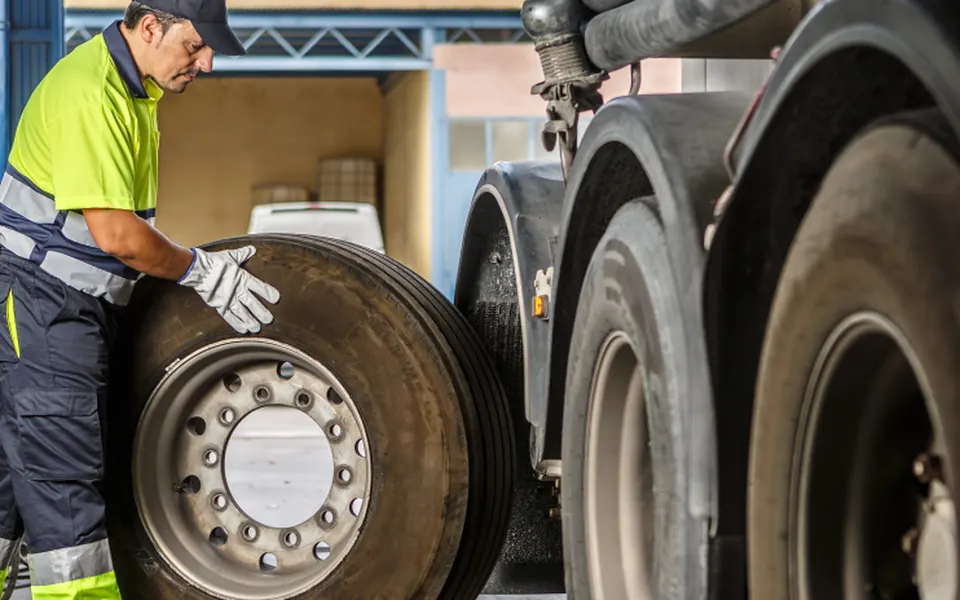
- Wear on the inside edges: This might suggest overinflation or issues with your ball joints or wheel bearings.
- Cupping or scalloped dips: This often points to problems with your shock absorbers or suspension.
With Louisville’s mix of urban and highway driving, maintaining proper tire conditions is crucial for safety and fuel efficiency.
3. Performance Issues: When Your Truck Loses Its Mojo
A truck in peak condition should run smoothly and responsively. When you start noticing changes in how your vehicle performs, it’s often a sign that something is amiss. Here are some performance issues that warrant immediate attention:
Loss of Power
If your truck feels like it’s lost its get-up-and-go, especially when climbing the hills around Cherokee Park or merging onto I-265, it could be due to several factors:
- Clogged Fuel Filter: A dirty fuel filter can restrict fuel flow to the engine, resulting in a noticeable loss of power.
- Faulty Fuel Injectors: If your injectors aren’t delivering fuel efficiently, your engine won’t perform at its best.
- Turbocharger Issues: For trucks with turbochargers, a loss of power could indicate problems with this system.
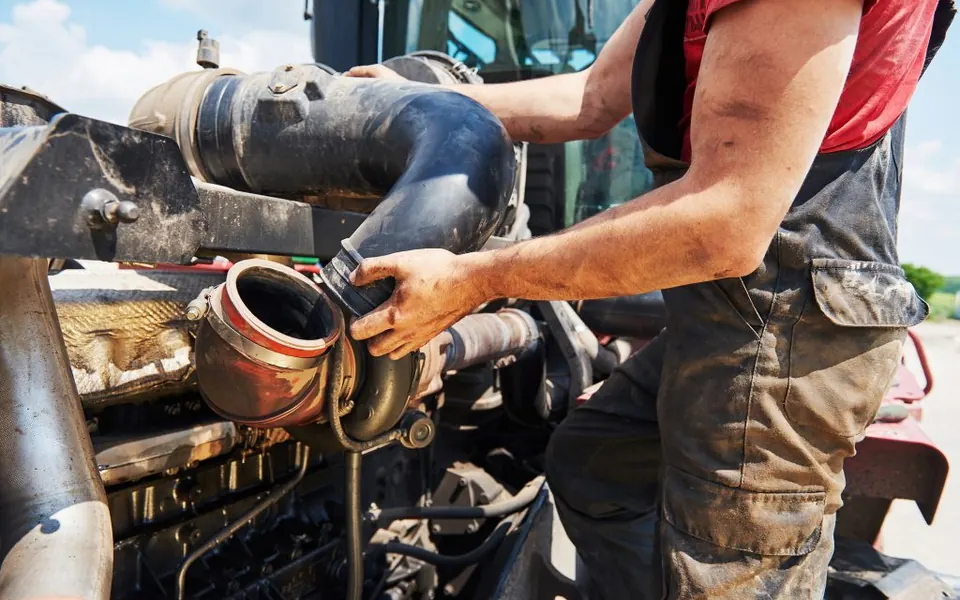
- Exhaust System Restrictions: A clogged catalytic converter or muffler can create back pressure, reducing engine performance.
- Mass Airflow Sensor Malfunction: This sensor helps regulate the air-fuel mixture, and when it fails, it can significantly impact performance.
Remember, in the trucking industry, time is money. A loss of power doesn’t just affect your truck’s performance, it can impact your bottom line by increasing travel times and fuel consumption.
Poor Fuel Economy
If you’re making more frequent stops at Louisville’s truck stops to refuel, it might not just be due to rising fuel prices. A sudden decrease in fuel economy can indicate several issues:
- Oxygen Sensor Failure: A faulty O2 sensor can cause your engine to use more fuel than necessary.
- Tire Pressure: Underinflated tires increase rolling resistance, forcing your engine to work harder and use more fuel.
- Dragging Brakes: If your brakes aren’t fully releasing, they create additional resistance that your engine must overcome.
- Dirty Air Filter: A clogged air filter restricts airflow to the engine, decreasing efficiency.
- Fuel Injector Problems: Faulty injectors can upset the delicate balance of the air-fuel mixture, leading to decreased efficiency.
In a city like Louisville, where you might be making frequent stops for deliveries or navigating through traffic, optimal fuel economy is crucial for maintaining profitability.
Difficulty Starting
If your truck is struggling to start, especially on cold Kentucky mornings, it could be due to:
- Weak Battery: Extreme temperatures can take a toll on batteries, and Louisville’s weather can certainly be extreme at times.
- Faulty Starter Motor: If you hear a clicking sound when you turn the key, your starter motor might be failing.
- Fuel System Issues: Problems with the fuel pump or clogged fuel lines can make it difficult for your engine to get the fuel it needs to start.
- Ignition System Problems: Worn spark plugs or issues with the ignition coil can prevent your engine from starting smoothly.
Don’t let starting issues leave you stranded at a loading dock or truck stop. Address these problems promptly to ensure your truck is ready to go when you are.
Transmission Problems
For both manual and automatic transmissions, smooth operation is crucial. Look out for these signs of transmission trouble:
- Slipping Gears: If your truck seems to change gears for no reason or fails to change gears when it should, you likely have a transmission problem.
- Delayed Engagement: If there’s a pause before your truck moves after shifting into drive or reverse, your transmission may need attention.
- Burning Smell: A burning odor often indicates overheating transmission fluid, which can cause significant damage if not addressed.
- Leaking Fluid: As mentioned earlier, red or brown fluid under your truck often indicates a transmission fluid leak.
Given the heavy loads and frequent gear changes required when driving a truck in and around Louisville, maintaining a healthy transmission is essential for your vehicle’s longevity and safety on the road.
4. Steering and Suspension Issues: When the Rubber Meets the Road
Your truck’s steering and suspension systems are crucial for maintaining control, especially when navigating Louisville’s mix of urban streets, highways, and industrial areas. When these systems start to fail, it can quickly create dangerous driving conditions. Here are some signs that your steering or suspension needs immediate attention:
Steering Wheel Vibration
If your steering wheel shakes or vibrates, especially at certain speeds, it could indicate several problems:
- Unbalanced Tires: This is often the culprit, especially if the vibration occurs at highway speeds.
- Wheel Alignment Issues: Misaligned wheels can cause vibration and uneven tire wear.
- Worn Ball Joints or Tie Rods: These components are crucial for smooth steering, and when they wear out, they can cause vibration.
- Brake Rotor Problems: If the vibration occurs when braking, it could be due to warped brake rotors.
Driving with steering wheel vibration can be fatiguing and potentially dangerous, especially on long hauls from Louisville to neighboring cities like Lexington or Cincinnati.
Pulling to One Side
If your truck consistently drifts to one side of the road, requiring constant correction, you might be dealing with:
- Alignment Problems: Improper wheel alignment is a common cause of pulling.
- Uneven Tire Pressure: If one tire has significantly less air than the others, it can cause your truck to pull to that side.
- Stuck Brake Caliper: If a brake caliper is stuck, it can cause drag on one wheel, pulling your truck to that side.
- Worn Suspension Components: Issues with your ball joints, control arms, or other suspension parts can cause pulling.
This problem is particularly concerning when driving on Louisville’s numerous bridges or navigating the tight turns in the downtown area.
Bouncy or Rough Ride
If your truck feels like it’s bouncing excessively or every bump in the road feels amplified, your suspension might be crying out for help. Look out for:
- Worn Shock Absorbers or Struts: These components are designed to smooth out your ride. When they wear out, you’ll feel every imperfection in the road.
- Broken or Worn Springs: Coil or leaf springs can wear out or break over time, leading to a rougher ride.
- Loose or Worn Bushings: These small components help reduce vibration and noise in your suspension system. When they wear out, your ride quality suffers.
Given the varying road conditions in and around Louisville, from the smooth pavement of I-64 to the potentially rougher surfaces in industrial areas, a well-functioning suspension is crucial for driver comfort and cargo protection.
Difficulty Steering
If you find yourself wrestling with the steering wheel more than usual, especially at low speeds, you might be experiencing:
- Low Power Steering Fluid: This can make steering much more difficult, especially when parking or navigating tight spaces.
- Failing Power Steering Pump: If the pump isn’t working correctly, it can’t provide the assistance you need for easy steering.
- Worn Steering Rack: A failing steering rack can make steering unpredictable and difficult.
- Belt Issues: If the belt that drives the power steering pump is loose or worn, it can affect your steering performance.
In a city like Louisville, where you might need to maneuver in tight spaces at loading docks or navigate narrow streets in older neighborhoods, responsive and reliable steering is essential.
5. Electrical System Problems: When Your Truck Loses Its Spark
In modern trucks, the electrical system is the nervous system of the vehicle, controlling everything from engine management to safety features. When electrical problems arise, they can quickly escalate from minor inconveniences to major safety hazards. Here are some signs that your truck’s electrical system needs immediate attention:
Battery Issues
Your truck’s battery is the heart of its electrical system. Signs of battery problems include:
- Slow Engine Crank: If your engine turns over slowly when starting, especially on cold Louisville mornings, your battery might be losing its charge.
- Dim Headlights: If your headlights seem dimmer than usual, particularly when the engine is idling, it could indicate a weak battery or alternator issues.
- Electrical Systems Behaving Erratically: If your truck’s electrical components (like power windows or radio) work intermittently, it could be due to a failing battery.
- Swollen Battery Case: If your battery case looks bloated or swollen, it’s a sign of a serious problem that needs immediate attention.
- Battery Warning Light: If this light comes on while driving, it means your charging system isn’t working properly.
Remember, Louisville’s hot summers and cold winters can be tough on batteries. Regular battery checks should be part of your maintenance routine.
Alternator Problems
The alternator keeps your battery charged and powers your truck’s electrical systems while the engine is running. Signs of alternator trouble include:
- Battery Warning Light: Yes, this can indicate alternator issues as well as battery problems.
- Dim or Overly Bright Lights: If your headlights or dashboard lights fluctuate in brightness, your alternator might be failing.
- Electrical Failures: If electrical components start to fail while you’re driving, it could mean your alternator isn’t producing enough power.
- Strange Noises: A failing alternator might produce grinding or whining noises.
- Burning Rubber Smell: If a belt is slipping on the alternator pulley, you might smell burning rubber.
Given the importance of your electrical systems, especially for night driving or long hauls, alternator issues should never be ignored.
Starter Motor Failures
The starter motor is responsible for turning over your engine when you start your truck. Signs of starter motor problems include:
- Clicking Sound: If you hear a rapid clicking when you turn the key, but the engine doesn’t turn over, your starter motor might be failing.
- Grinding Noise: If you hear a grinding noise when starting the engine, the starter motor’s gear might not be engaging properly with the flywheel.
- Freewheeling: If you hear a whining noise when you try to start the engine, but it doesn’t turn over, the starter motor might be spinning without engaging the engine.
- Smoke: If you see smoke coming from the starter motor area when trying to start your truck, stop immediately and seek professional help.
Wiring Issues
The complex wiring system in modern trucks can sometimes develop problems. Watch out for:
- Blown Fuses: If you’re frequently replacing fuses, there might be an underlying wiring issue causing short circuits.
- Intermittent Electrical Problems: If certain electrical components work sometimes but not others, it could indicate loose or damaged wiring.
- Burning Smell: The smell of burning plastic could indicate wiring that’s overheating due to a short circuit or excessive current draw.
- Visible Damage: Frayed or exposed wires, especially in areas subject to heat or moisture, can lead to electrical failures.
Given the advanced electronics in modern trucks, from engine management systems to GPS trackers, maintaining the integrity of your wiring is crucial for keeping your rig on the road.
Preventative Maintenance: Keeping Your Truck on Louisville’s Roads
While knowing the signs of needed repairs is crucial, the best strategy is to prevent these issues from occurring in the first place. Regular preventative maintenance can save you time, money, and headaches in the long run. Here are some tips for keeping your truck in top condition:
Regular Inspections
Develop a habit of inspecting your truck before and after each trip. Look for:
- Fluid Leaks: Check under your truck for any signs of leaking fluids.
- Tire Condition: Inspect your tires for wear and proper inflation.
- Lights and Signals: Ensure all your lights and turn signals are functioning correctly.
- Windshield and Wipers: Check for cracks in the windshield and ensure your wipers are in good condition.
Stick to Your Service Schedule
Follow the manufacturer’s recommended service schedule for your truck. This typically includes:
- Oil and Filter Changes: Regular oil changes are crucial for engine longevity.
- Brake Inspections: Have your brakes checked regularly, especially if you frequently drive in Louisville’s stop-and-go traffic.
- Transmission Service: Regular transmission fluid changes can prevent costly repairs down the line.
- Cooling System Maintenance: Flushing and refilling your coolant can prevent overheating issues.
Keep It Clean
Regular washing and detailing aren’t just about looks. It can help you spot potential issues early:
- Undercarriage Cleaning: This is especially important in winter when road salt can accelerate corrosion.
- Engine Bay Cleaning: A clean engine bay makes it easier to spot leaks and other issues.
- Interior Cleaning: This can help you notice any unusual smells that might indicate problems.
Know Your Truck
Every truck has its quirks. Pay attention to how your truck normally sounds, feels, and performs. This will make it easier to notice when something’s not quite right.
Emergency Truck Service in Louisville
Despite your best efforts at maintenance, emergencies can still happen. When they do, it’s important to know where to turn for help. Here are some resources for emergency truck service in Louisville:
- 24/7 Mobile Truck Repair: Many local services offer round-the-clock mobile repair for truckers in distress. Keep their numbers handy.
- Truck-Friendly Towing Services: Not all tow trucks can handle big rigs. Make sure you know which local towing services are equipped to handle your truck.
- Truck Stop Services: Familiarize yourself with the services available at truck stops along your regular routes.
- Local Dealerships: Some truck dealerships offer emergency services for their brands.
- Emergency Roadside Assistance Programs: Consider subscribing to a roadside assistance program specifically for truckers.
Remember, in case of a breakdown on Louisville’s highways, safety should be your priority. Make sure you’re visible to other drivers and, if possible, move your truck to a safe location before attempting repairs or calling for help.
Conclusion: Staying Ahead of Truck Troubles in Louisville
As a truck owner in Louisville, you play a crucial role in keeping the city’s economy moving. From hauling cargo to and from the UPS Worldport to delivering goods to local businesses, your truck is an essential part of the city’s infrastructure.
By staying alert to the top five signs that your truck needs immediate repair, unusual noises, visual warning signs, performance issues, steering and suspension problems, and electrical system failures, you can catch potential issues before they become major problems. This proactive approach not only saves you money in the long run but also ensures your safety and the safety of others on Louisville’s roads.
Remember, regular maintenance is key to preventing many of these issues. Develop a good relationship with a trusted local truck repair service, stick to your maintenance schedule, and don’t hesitate to seek professional help when you notice any of the warning signs we’ve discussed.
Trucking in Louisville comes with its unique challenges, from navigating busy urban streets to dealing with the region’s variable weather. By keeping your truck in top condition, you’ll be better equipped to meet these challenges head-on, ensuring that you, your truck, and your business continue to thrive in Derby City.
Choose Superior Truck and Trailer Repairs for Immediate Repair
For professional assistance with your truck that needs immediate repair, contact Superior Truck & Trailer Repairs today at (502) 789-6644.