










Truck Parking 101: What Every Driver Should Master For The Best Results
Your road safety as a truck driver is not merely a matter of how you drive your rig on the highway – it’s also being smart when you’re parked. The numbers tell us a sobering fact: parked…

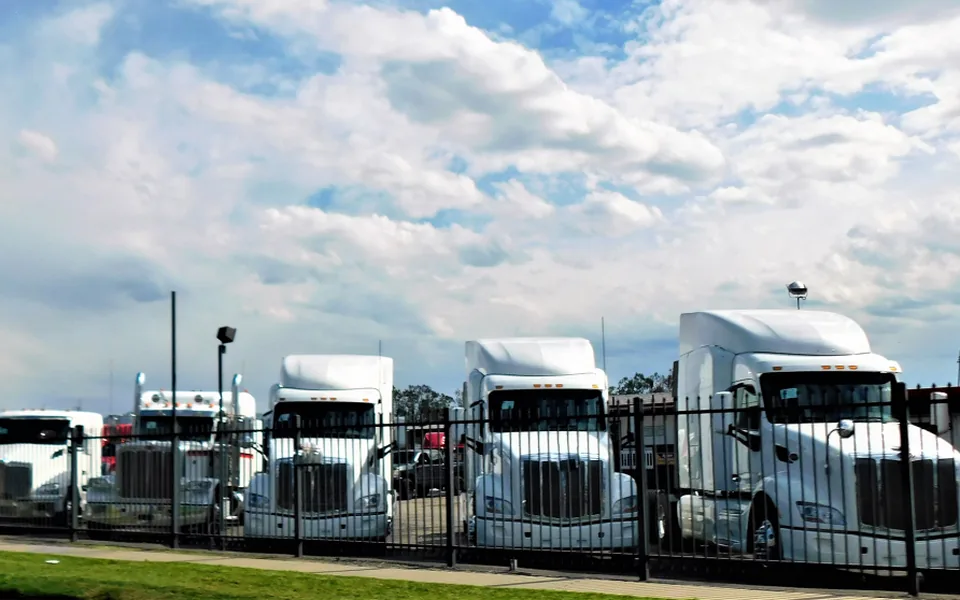
Your road safety as a truck driver is not merely a matter of how you drive your rig on the highway – it’s also being smart when you’re parked. The numbers tell us a sobering fact: parked trucks are easy targets for crime. That exposure makes truck parking one of the most important elements of your day-to-day operations.
Think of this – you’re most at risk when your truck isn’t in motion. Stopping to take your mandatory rest stop, waiting for delivery time, or simply dropping off for the evening, your safety is really a function of where and how you leave your truck.
Hazards when parked reach far beyond personal safety concerns. Cargo theft is always a concern, with thieves targeting stopped trucks with valuable cargo specifically. Damage to the vehicle is also an issue, either from break-in attempts or accidental collisions in close parking spots.
Physical harm to drivers is a disconcerting fact, especially in the dark. Threats in such a situation are more obvious in cases of unforeseen encounters in deserted locations, where assistance would be distant and emergency responders’ response times would be slow.
That is why mastering truck parking is not just an art, it is an art of survival. Your safety, your freight, and your equipment’s health depend on making wise parking decisions. Wise parking decisions begin with smart thinking, and we’re here to assist you in making them.
Knowing The Issues of Truck Parking
The highest incidence of crimes happens under parking conditions – a dark truth that reinforces drivers’ helplessness during break periods. The cars parked provide the favorite victims for criminal groups, endangering drivers and cargoes.
Two tragic cases brought national attention to the severe consequences of inadequate truck parking:
- Eric Boggling’s Case: Turned away from his intended delivery location, Eric was forced to find alternative parking, leading to fatal consequences
- Jason Rivenberg’s Story: Similar circumstances led to Jason’s death when he denied parking at his delivery point, forcing him to seek unsafe alternatives
These tragic events initiated the necessary shift in the industry. Jason’s Law was signed into law in 2012, distributing $6 million of federal money to meet the truck parking crisis. The act was supposed to build new parking centers, upgrade existing rest stops, and improve parking safety features.
Despite these initiatives, the impact remains limited. Many drivers report minimal visible improvements in parking availability or security across regions. The $6 million proved to be too little to alleviate the epidemic parking shortage that plagued America’s trucking industry.
A realistic example from the Hunts Point area of New York City serves to depict such ongoing dangers. One truck driver was brutally killed after the fact that he had to relocate his truck in the evening hours – a fact that wasn’t broadcast to other truck drivers delivering to the same destination. This incident underscores a critical point: no load pays enough to risk your life.
Individual drivers are in the end also responsible for parking safely. Carriers and dispatchers may only be willing to follow schedules in preference to safety, so the individual drivers should be responsible about their parking actions.
Trip Planning for Safe Parking
Your best defense against parking-related risks starts long before you hit the road. Trip planning is your secret weapon for securing safe parking spots and protecting yourself during rest periods.
Why Advance Planning Matters
Advance planning is essential for truck drivers to achieve safe and efficient parking. Drivers can avoid the physical and mental fatigue of looking for parking spaces once fatigue has kicked in through advance planning. Advance planning provides a method of choosing safer places outside large city limits where parking is safer and easily accessible.
Strategic planning eliminates the risk of wasting available drive time desperately searching for a parking spot. Further, diligent planning of routes allows drivers to locate well-lit, safe truck stops along their route, offering peace of mind during required rest stops.
Smart Planning Tips:
- Map out your entire route before departure
- Calculate your available driving hours
- Identify multiple parking options along your route
- Plan to arrive at your chosen spot early enough to secure a good location
- Keep backup locations in mind if your first choice is full
Pro tip: Landing early at a truck stop outside a major city is significantly safer than searching for parking within city limits. Even if this means stopping a bit earlier than planned, the added security is worth adjusting your schedule.
Remember – no load is worth compromising your safety. When you’re planning your trips, give yourself enough time to reach secure parking locations before you’re running low on hours. Your life and cargo are too valuable to leave parking decisions to chance or last-minute choices.
Recommended Parking Strategies
Your choice of parking location directly impacts your safety on the road. Here are proven strategies to secure the safest spots for your truck:
Choose Big Truck Stops
Established, well-commended security truck stops are best when choosing where to park a truck stop. The finest sites like such organizations normally offer the best possible conditions to ensure maximum safety for you and your products. Top-rated truck stops normally conduct normal security sweeps within and around their camps and install best-quality lighting facilities that brighten up each parking site. Though some shudder at the expense, $12-14 for a guaranteed parking place is worth the money in the form of your safety and calm, particularly for late arrivals.
Strategic Parking Position
When you park your truck, always try to park at the rear section of the parking lot so that you are as secure as possible. It is preferable to nose into the parking space where you can so that your radiator is not damaged. Ensure that you park your truck in lit areas that provide you with a good view around you. Do not take isolated areas that will limit your view and expose you.
Rest Area Safety Concerns
Rest areas, often nicknamed “pickle parks,” should be avoided for overnight stays whenever possible. These locations typically lack the proper security measures and infrastructure needed for safe truck parking. Their poor visibility and off-the-beaten-path locations can significantly increase your risk of exposure to theft or other break-in. In addition, these areas normally harbor inexperienced drivers looking for a quicker parking option, increasing the likelihood of accidents.
Smart Location Selection
When selecting your parking location, try to position yourself outside major cities when possible. Steer clear of unmanned gas stops or restricted areas that may jeopardize you. Make sure customer stops permit overnight parking before you leave so you won’t be frantically looking for an alternative at the last minute. Research truck stop safety grades and ratings, along with driver reviews, because their experience will give you great insight into the reliability and safety of various parking locations.
Recall: A safe place at a well-established truck stop is an investment well worth the cost versus compromising your safety at unauthorized or unsafe facilities. Your security should always take precedence over convenience or cost savings.
Best Practices for Truck Parking Etiquette
Courtesy and respect among truckers make for a smoother ride for all at rest stops and truck stops. These are important etiquette guidelines you must abide by:
Bobtailing Procedure
Bobtailing necessitates a special procedure when parking. When not driving a trailer, drivers must never take up parking space reserved for full rigs if there are other parking spaces available since this occupies space utilized by full-load drivers. Most truck stops possess dedicated bobtail parking lots with one specific purpose, that of offering parking for bobtails, and drivers should do their best to utilize them where permitted and sensible; car parking areas can be utilized by bobtail trucks as a reasonable substitute that not take up space from full tractor-trailers.
Fuel Island Rules
The fuel island is used for one purpose at truck stops – it’s only to refuel, not to sleep, eat, or bathe. Refueling drivers need to relocate their trucks out of the way in a timely manner when they’ve finished their refueling process. Don’t forget that no one should leave their vehicle at the pump under any circumstance because this unnecessarily congests traffic and keeps other drivers who need to refuel waiting.
These courtesies might seem small, but they really have a significant effect on the continuity of truck stops. When truckers occupy fuel islands for extended rest stops, they create excessive delays for other truckers who need to refuel and continue on their journeys. Remember: the fuel island is a public facility – clearing it and maintaining it open helps traffic continue and not waste your fellow truckers’ time.
Real-Life Experiences and Lessons Learned from Truck Drivers
A spine-chilling story from Hunts Point, New York City, serves as a horrible reminder of the importance of getting drivers to prioritize safety. The driver of the delivery truck at this point found that just a week prior to his stopover, another truck delivery driver had perished from a senseless accident. The victim had answered a knock at the door while driving at night, stepped out of his truck, and was shot during the course of an attempted robbery.
The most unsettling aspect is that the carrier and dispatcher didn’t inform the next driver about this incident, they were focused solely on moving loads and making money.
Here’s what seasoned drivers have learned through such experiences:
- Trust your instincts – If a location feels unsafe, it probably is
- Avoid opening doors at night – Regardless of who’s knocking
- Stay informed – Research your delivery locations and their safety history
- Don’t rely on others – Companies might not always prioritize your safety over their profits
These hard-learned lessons highlight a crucial truth in trucking: Your safety is in your hands. Carriers and dispatchers might not share critical safety information, making it essential for drivers to be proactive about their security measures.
Many drivers now maintain detailed records of safe parking locations and share this information within their professional networks, creating an informal safety database that helps protect the trucking community.
Additional Resources for Truck Drivers’ Peace of Mind on the Road
Your safety during truck parking extends beyond choosing the right spot. Having reliable support services at your fingertips can make a significant difference when mechanical issues arise during your stops.
24/7 Emergency Services Available:
- Mobile diesel repair units
- Roadside assistance teams
- Professional towing services
- On-site maintenance support
These specialized services understand the unique challenges of commercial trucks and can reach you wherever you’re parked. Many providers offer extensive coverage areas, ensuring you’re never too far from help when needed.
What to Look for in Support Services:
- Quick response times
- Experience with diesel engines
- Flexible service areas
- Clear pricing structures
- Professional certifications
Keep a list of trusted service providers in your regular routes. Having these contacts ready can save precious time during unexpected breakdowns or maintenance needs while parked. Remember to verify if your chosen service provider handles both light and heavy-duty trucks, as capabilities can vary between companies.
Choose Superior Truck and Trailer Repair
Your safety on the road depends on smart parking decisions. Let’s reinforce these essential guidelines for your protection:
- Plan ahead – Map out your parking spots before starting your journey
- Choose well-lit locations – Park at reputable truck stops, preferably in the back
- Nose-in parking when possible to protect your truck from potential damage
- Avoid rest areas unless absolutely necessary
- Consider paid parking – The small cost is worth the guaranteed safe spot
- Stay away from customer locations unless you’re familiar with their security setup
Your safety is the top priority, and you can make a smart decision about where and when to park.
We know parking options are difficult for you. That is why we at Superior Truck and Trailer Repair are there to help you 24/7, 7 days a week. If you have emergency repairs, roadside service, or towing service, we’ve got it covered.
Contact Superior Truck and Trailer Repair Today!
Don’t wait until you’re in a tough situation. Save our number for peace of mind on the road: Give us a call today at (502) 789-6644!
At Superior Truck and Trailer Repair, we’re committed to keeping you safe and your truck running smoothly. Our team is ready to assist you whenever and wherever you need us.
Your safety is our priority – let’s work together to ensure every parking decision keeps you protected.



