










What Does Intermodal Trucking Mean?
What is Intermodal Trucking? It is a question that occurs to most people the first time they see this critical element of contemporary logistics. In short, intermodal trucking is the…

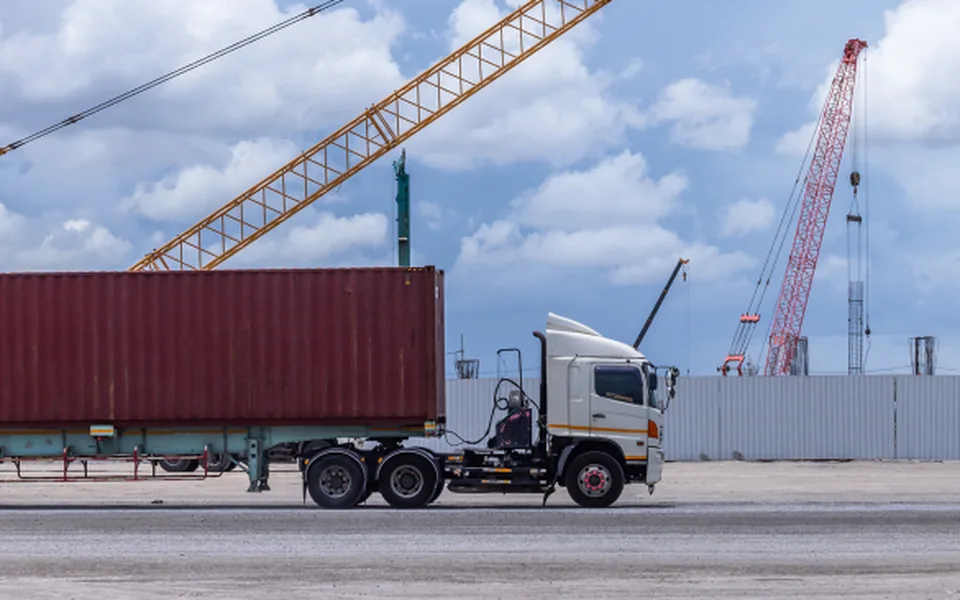
What is Intermodal Trucking? It is a question that occurs to most people the first time they see this critical element of contemporary logistics. In short, intermodal trucking is the movement of commodities through several modes of transportation, the best of trucks, trains, and boats coordinated to haul goods enormous distances efficiently.
This amazingly complex system of cargo transportation is now the backbone of domestic and global shipping networks. Intermodal systems move ports to inland points with ease, carrying anything from consumer goods to raw materials with ease.
The advantage of intermodal trucking is its flexibility and affordability. By taking advantage of every mode of transport for their individual best application, trucks for the final mile delivery, trains for transporting across the country, and ships for oceanic travel, the system saves time and resources to the maximum. Whether importing or exporting products to or from other states, intermodal trucking guarantees your shipping by the most efficient means of transport available.
A Brief History of Intermodal Trucking
The intermodal mode had its beginning in visionary innovations that transformed global freight transport.
McLean was the visionary who introduced the creative stack train concept, cutting directly to the steamship companies to sell container stacking practices. His innovative approach was to fly to Houston and inspect the initial shipment, starting a transport revolution that would reshape American commerce.
The technical foundation of modern intermodal operations emerged through the brilliant work of Kei Tat Linger at Sealand. His development of the twist lock mechanism and comprehensive container structure patents created the standardized systems that make seamless container transfers possible today. Those innovations addressed some of the key engineering challenges that had traditionally circumscribed efficient freight transfer across modes of transport.
Union Pacific (Southern Pacific) brought those ideas to commercial use in 1984 with the introduction of the stack train system. That norm ushered in a fundamental paradigm shift in the US economy, creating new standards for efficiency in freight transportation that reverberated across industries.
The late 1980s saw runaway expansion in container utilization, which was mainly propelled by global shipping demand. Standardization of containers was the technology that made efficient global shipping operations possible to be conducted without going through labor-intensive and expensive transloading procedures. Standardization made possible the smooth integration of ships, trains, and trucks that are typical of contemporary intermodal operations, whereby containers are moved freely between various transportation infrastructures in unbroken chains without affecting cargo integrity and handling expense.
Complexities of Intermodal Trucking
Intermodal trucking depends on strategically placed hubs and advanced technology that offers seamless transfers of loads among modes of transportation. The most vital city for intermodal infrastructure is Chicago, with more than 20 lines of railroads coming together in the city. This vast network offers unparalleled connectivity for transporting goods within North America, which positions it as a focal point for domestic as well as international deliveries.
Two critical components, chassis and containers, are significantly reliant on the success of intermodal trucking operations.
Difficulties in Maintaining Chassis
Maintenance of chassis presents special challenges in the intermediate case because equipment is constantly transferred between facilities and varied carriers. Compared to typical trucking, where a carrier maintains control of their equipment, intermodal chassis experience multiple moves and transfers, making scheduling and maintenance responsibility cumbersome.
Importance of Container Structural Integrity
Structural integrity of the containers is also key to ensuring operational effectiveness. The shared design enables fluid transfer of the containers from ship, to train, to truck without sacrificing security or stability of the content. But repetition in handling and stacking necessitates a sturdy build and frequent inspections to avoid collapse while in transit.
These units work together with each other to form a sophisticated system where the timing of operations, the availability of equipment, and the coordination of maintenance have a direct influence on the functioning of the overall supply network. The interconnected nature of these pieces ensures that problems in one area resonate throughout the entire network.
Domestic Intermodal Freight Movement and Industry Challenges
Domestic intermodal is the foundation of inland 53-foot container-based freight transport, moving from ships to trains to trucks seamlessly. It works especially well for import transloading freight where imports delivered to ports are taken out of international shipping containers and put into domestic containers specifically designed to move on North American railroads and highways.
How Domestic Intermodal Freight Works
The process starts when imports arrive at major ports, where specialized terminals perform the intricate process of offloading products from sea containers to domestic units. The sequential process is as follows:
Arrival at Ports: Imports arrive at major ports.
Transloading: Specialized terminals move cargo from foreign shipping containers to domestic containers.
Rail Transportation: Domestic containers are moved by rail to inland distribution centers.
Final Delivery: Final delivery is achieved through trucks to warehouses and retail locations across the country.
Challenges Facing Domestic Intermodal Freight
West Coast rail congestion is a chronic issue confronting the industry. Congestion in major ports has ripple effects down through supply chains and creates long delays far beyond initial shipping schedules. These disruptions inflict damage on the stream of Asian imports, which account for a majority of container traffic.
Factors Contributing to Rail Congestion
The issue of rail congestion arises from various factors:
- Limited rail capacity at key ports
- Aging infrastructure is struggling with increased volume
- Coordination challenges between different transportation modes
- Equipment shortages during peak shipping seasons
Impact of Delays on Supply Chain Reliability
These delays directly compromise supply chain reliability, forcing retailers and manufacturers to adjust inventory strategies and delivery expectations. When containers remain stationary at congested terminals, the effects ripple down to consumers through delayed product availability and increased shipping costs.
Key Players and Market Factors in Intermodal Trucking
The intermodal trucking industry is primarily influenced by several leading US motor freight companies that have played a significant role in its development. The main competitors in this field include JB Hunt, Hub, Schneider, 3D xbo, and Evans, all of whom are competing for a share of this profitable market.
JB Hunt: The Industry Leader
JB Hunt stands out as the industry leader with an impressive $4 billion market cap, achieving this position through strategic container and chassis acquisition. The company’s expansion strategy was based on catering to the intermodal market only, allowing them to develop immense infrastructure and operating capacity that cannot be matched by their competitors.
Swift’s Struggles
This strategic plan stands in stark contrast to Swift’s failure in the face of mounting competition. While JB Hunt was investing big in intermodal equipment, Swift was losing ground in the competitive market and couldn’t keep up with the growth aspirations of the industry leaders.
The Importance of Partnerships
The successes of firms like JB Hunt are not solely the result of domestic investments. Strategic alliances have also been key, especially BNSF leasing agreements that provide access to needed rail infrastructure. Such alliances enable trucking firms to achieve rail capacity without the huge capital costs of constructing their own rail infrastructure.
Collaboration Over Competition
BNSF’s involvement in JB Hunt’s success illustrates how capacity sharing and asset leasing create mutually advantageous situations. Railroad companies make facilities available, and trucking companies make logistics skills and customer relations available, so a competitive environment is established where collaboration tends to be the factor in market leadership rather than mere company strengths.
Benefits and Drawbacks of Intermodal Trucking for Drivers and Carriers
The intermodal trucking concept offers strong benefits to carriers and drivers equally, specifically in the relief of existing industry issues.
Advantages of Intermodal Trucking
Consistent Rates: Financial predictability through fixed pricing, allowing drivers to plan earnings confidently.
Shorter Dray Moves: Reduced driver fatigue and improved efficiency with local hauls typically within a 300-mile radius.
Driver Shortage Solution: Stable contracting arrangements attracting owner-operators seeking predictable income streams.
Flexibility: Balancing personal life and professional obligations leads to better health outcomes and job satisfaction.
Disadvantages of Intermodal Trucking
- Chassis Maintenance Complexity: Multiple moves and shared equipment responsibilities make maintenance challenging.
- Service Reliability Impact: Train delays affect the timeliness of deliveries.
- Operational Friction: Inefficiencies caused by poor collaboration between railroads and trucking companies are impacting both drivers and carriers.
Operational Inefficiencies, Industry Collaboration Needs, And Maintenance Services
The intermodal industry faces significant software integration challenges that create bottlenecks throughout the supply chain. Different companies develop their own driver apps without uniformity, making it difficult for operators to navigate between platforms seamlessly. API integration remains a substantial hurdle, preventing smooth data flow between railroads and trucking companies.
Lack of cooperation between major stakeholders compounds these technological issues. Railroads and trucking companies struggle to share chassis and train tracks effectively due to the absence of uniform agreements. This fragmented approach leads to:
- Inefficient chassis utilization across multiple moves
- Unnecessary delays in freight movement
- Increased operational costs for all parties involved
The industry desperately needs a Unified Intermodal Agreement (UIA) to bring drivers and software platforms together under standardized protocols. Progress toward interconnecting railroads shows promise, yet transparency issues persist as companies worry about revealing competitive advantages through data sharing.
Train delays impact service reliability significantly, creating cascading effects throughout the supply chain. When rail schedules fall behind, truckers face extended wait times, disrupting delivery schedules and increasing operational costs.
Reliable maintenance services become critical in this complex operational environment. Intermodal trucks require specialized attention due to their unique operational demands:
24/7 diesel repair and semi truck repair services minimize costly downtime
Round-the-clock towing and roadside assistance ensure drivers receive help regardless of location
Mobile service units provide on-site repairs, keeping trucks operational during unexpected breakdowns
The complexity of intermodal operations, with multiple chassis swapping and varied route requirements, places an additional strain on equipment. Specialist maintenance support allows carriers to maintain their fleets in working condition while combating the inefficiencies inherent in the industry.
Choose Superior Truck and Trailer Repair
The future of trucking intermodal is promising, with the industry continuing to evolve with technological growth and closer affiliations. Continued advancements in technology are bringing players closer together, eliminating communication problems that have been a thorn in the industry for years. API integration issues are slowly being conquered, opening the doors to smooth data exchange between diverse platforms and firms.
Improvements in coordination between trucking firms and railroads represent a major boost in eradicating existing inefficiencies. Building collaborative arrangements and uniform software programs will address the fractured approach, which has hindered business efficiency. The improvements will see chassis management, train scheduling, and freight coordination revolutionize across the whole supply chain.
Innovation continues to drive solutions to current bottlenecks, from West Coast congestion problems to concerns regarding chassis availability. The industry’s wager on overcoming them with technology and collaboration has the promise of making freight transportation safer in the years ahead. Driver-incentivized innovations such as cooperative apps and improved health benefits will compensate for workforce shortages while continuing the convenience that makes intermodal work so appealing.
At Superior Truck and Trailer Repair, we recognize the key importance of properly maintained trucks to intermodal trucking success. Our comprehensive diesel repair, semi truck repair, towing service, roadside service, and mobile service are offered 24/7 across the country. From normal maintenance requirements or extreme breakdowns away from home base, we strive to have your fleet moving smoothly.
Call us today at Superior Truck and Trailer Repair now at (502) 789-6644 for reliable service specifically designed for the needs of today’s intermodal trucking.



