










Why American and European Trucks Are So Different
Knowing why American and European trucks are so different can be key to anyone in the trucking industry, whether you’re considering diesel repair or semi-truck repair. The American trucking…

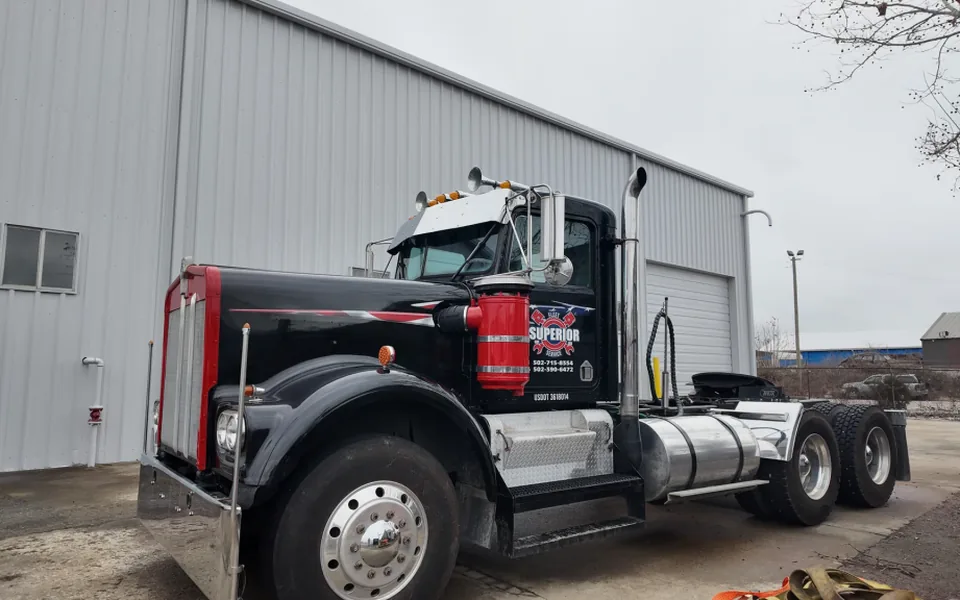
Knowing why American and European trucks are so different can be key to anyone in the trucking industry, whether you’re considering diesel repair or semi-truck repair. The American trucking scene is dominated by long-nose trucks with spacious cabins, while European trucks often feature a cab-over design. These truck design differences stem from varying regulations, road conditions, and global operational needs.
Design Differences
Design of the trucks in America and Europe reveals differences in their needs and preferences. The large number of owner-operators in the U.S. Plays a huge role in these design decisions. Their requirements for larger sleeping quarters make long-nose trucks more desirable despite their disadvantages in city environments.
American Trucks: Long-Nose or Conventional Design
American trucks are often long-nose or conventional in design, where the cabin is set behind the engine. This provides roomy interiors, allowing for more elaborate amenities to suit owner-operators who spend a long time in their trucks. Space in the cabin allows for fittings such as fridges, microwaves, and beds, which make life on the road quite comfortable.
Pros and Cons of Long-Nose Truck
Advantages:
- Enhanced comfort for long-haul journeys
- More room for personal modifications
Disadvantages:
- Larger size can hinder maneuverability
- Increased blind spots
European Trucks: Cab Over Design
European trucks operate primarily on the cab over principle where the cabin rests on the engine. This is compact and handy for towns and cities with narrow streets as it has more visibility space and fewer blind spots. This does restrict the space for comfort and accessories that the driver can use, however.
Cab Over Trucks Advantages and Disadvantages
Advantages:
- Easier through tight spaces
- Better road visibility
Disadvantages:
- Small cabin space limits comfort options
Cab Size and Comfort
In terms of truck cabin features, American trucks are often described as small, cozy apartments on wheels. This is primarily due to the variety of facilities they can provide!
Fridge and Microwave
These are pretty much standard in American truck cabins, ensuring that drivers can enjoy fresh meals during their long hauls.
Beds
A comfortable sleeping area is crucial for rest during extended trips. Many American trucks have large beds, offering a restful space after hours on the road.
Additional Amenities
Some even have freezers, wardrobes, windows, and in rarer cases, their own toilets.
The concentration on living space in trucks makes them quite different from European trucks, where cabins are made to be more compact. Due to strict size limits, European truck cabins often come with few amenities, sometimes without the comforts of their American counterparts. Comfort cannot be talked about enough when it comes to long-haul drivers.
Driving for days, or even weeks, the case is such that these people virtually live in their trucks. So, having such features is very important to make sure they have a comfortable and livable space during their trips.
Infrastructure and Conditions on the Road
American trucks usually drive along the interstate system, where highways are wide and long, having almost no curves. These wide routes can take bigger vehicles with longer wheelbases, which provide comfort during longer drives. American drivers can drive up to 12 hours in a 24-hour period, so they surely need comfort while driving through deserts, mountains, or whatever America has to offer them.
On the other hand, European highways throw up a whole different set of challenges. A labyrinth system of narrower roads and more constricted urban zones calls for smaller and more maneuverable trucks. Built more often as cab-over models, European trucks are far better suited to such environments, thanks to their short wheelbases and ability to maneuver, essential for tight traffic and narrow alleys.
That is why road infrastructures in both continents differ so much. Those two factors very much influenced the design and functionality of trucks. While American long-nose trucks cruise down wide highways, their European counterparts work more efficiently and safely on congested roads because of their cab-over models. These differences highlight vividly why American and European trucks appear so different and unique to suit each’s particular driving environment.
Regulations Affecting the Choice of Design and the Volume of Load
The knowledge of regulations governing truck design around the globe is very important to a person in the trucking industry.
European Regulations
In Europe, rigid standards control the maximum length and weight a truck can have. For the most part, a European semi-truck can be a maximum length of 18.75 meters (about 61 feet). As this suggests, European trucks should be engineered to be as compact as possible to accommodate the biggest box on that configuration.
American Regulations
Since 1986, American trucking has enjoyed far greater freedom from the restrictions that existed in Europe, permitting U.S. trucks to be decidedly longer on average; their cabins can go up to 20 feet! This space provides much more comfort but reduces the available cargo if not well designed.
These two regulatory environments create differences that directly influence cargo capacity and design choices. This means that in Europe, truck designs have to be done in ways that accommodate the highest amount of space efficiently due to the strict size limits, enabling them to carry as much cargo as possible.
American trucks are usually longer and conventionally designed to house more living space for drivers. These are because operations and regulations differ between the two divisions of the Atlantic.
Speed Limits for Trucks and Aerodynamics in Trucking Efficiency
American and European trucks drive under different conditions of the speed limit, which draws some lines in differences in design and efficiency. While this limits most of Europe’s trucks to 90 km/h, large parts of the U.S. have allowable limits as high as 129 to 137 km/h.
Indeed, this difference makes each of the continents prioritize the issue of aerodynamics in trucking differently. The shape of a long-nose truck will be much better for long-distance trips across wide, straight American highways. Those trucks are designed to perform optimally at high speeds, benefiting from aerodynamically improved airflow around their cabins. It also offers an extended wheelbase, which adds stability when driving at higher speeds.
By contrast, European trucks are designed for compactness and maneuverability because of their much lower speed limits and narrower roads. While cab-over-engine designs offer added safety in reduced blind spots, they don’t provide the same kind of aerodynamic benefit during high-speed travel as their American counterparts. Understanding these differences puts into light why American and European trucks are so different. Each is tailored to regulatory requirements and the unique road conditions and operational demands of their respective regions.
When it comes to maintaining and repairing your truck, you need a team you can trust. Superior Trucking and Trailer Repair has the expertise and experience to keep your vehicle running at peak performance, whether you operate an American long-nose or European cab-over design. Don’t let truck troubles slow you down – contact Superior Trucking and Trailer Repair today at (502) 789-6644 to schedule your service appointment and experience superior quality care for your truck.



