










A Bad Hub, Dangerous Issue for Semi Trucks
When it comes to semi truck hubs, you’re dealing with one of the most critical safety components in your vehicle’s wheel assembly. Hubs are the intermediary connection between your wheels…

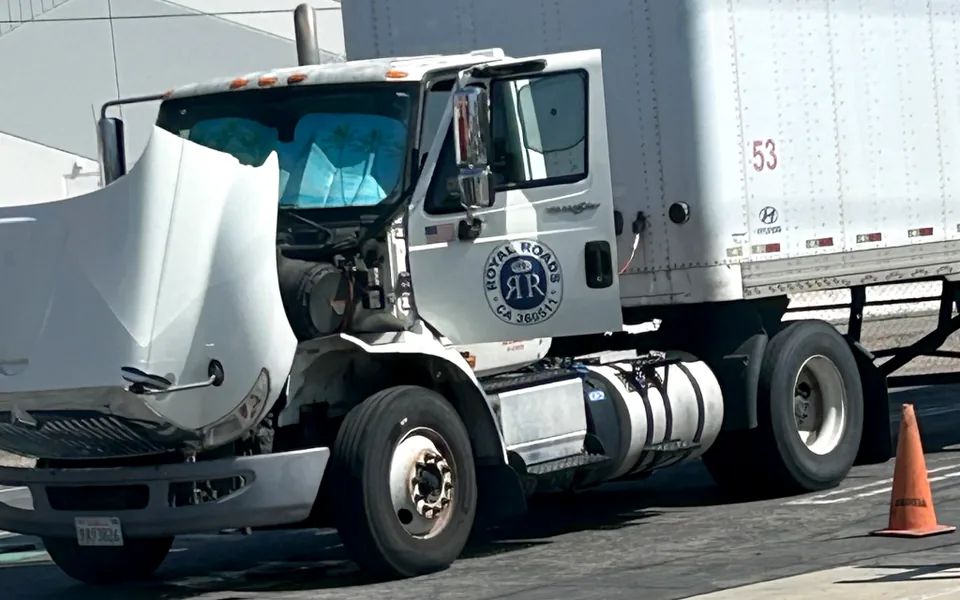
When it comes to semi truck hubs, you’re dealing with one of the most critical safety components in your vehicle’s wheel assembly. Hubs are the intermediary connection between your wheels and axles, supporting all of your truck’s weight and allowing them to rotate freely. A bad hub isn’t only a hassle, it’s a semi truck safety hazard that brings about devastating bearing seizure, total loss of steer control, or even wheel loss at highway speeds.
The truth is harsh: neglecting hub issues jeopardizes you, your load, and fellow motorists. Noticing hub trouble early and repairing it before disaster strikes isn’t a recommendation, it’s your best safeguard against possibly lethal wrecks. Sealed hubs or serviced units, whether it’s your concern, being knowledgeable about signs of distress and reacting promptly can mean the difference between a straightforward diesel repair and a roadside breakdown that’ll conclude your driving career.
Learning about Semi Truck Hubs
The wheel assembly of your truck has the hub as an essential component that acts as a link between the axle and wheels. It has significant components that enable the wheels to rotate freely and distribute the weight evenly. You can think of it as the heart of your wheel assembly, if it fails, everything connected to it will be affected.
Two main types of hubs dominate the semi-truck industry:
- Sealed hubs – These units come as complete assemblies with bearings permanently sealed inside. You’ll recognize them by their solid cap design without visible access points for oil checking.
- Serviceable hubs – These feature removable caps with grommets that allow you to inspect oil levels and bearing condition during routine maintenance.
The distinction between these hub types becomes crucial when facing a bad hub situation requiring diesel repair. Sealed hubs need to be fully replaced when bearings fail, but serviceable hubs permit replacing individual parts and regular servicing.
Hub condition directly affects the steering response of your truck, tire wear patterns, and stopping action. A worn-out hub results in vibration transmitted through the whole front end of your truck at the cost of driver control and accelerating suspension component wear. The noise in the bearing caused by a faulty hub is a sign of metal-on-metal contact – a dangerous condition that could lead to complete bearing seizure.
When hub problems arise, immediate semi truck repair becomes essential to prevent catastrophic failure that could leave you stranded or worse, cause a serious accident.
Signs You Might Have a Bad Hub
Recognizing warning signs of a bad hub will prevent you from perilous roadside pull-overs and expensive emergency repairs. Your truck will usually warn you loud and clear when hub trouble is around the corner, and being aware of what to hear and see makes all the difference.
1. Unusual Noises
Unusual noises are the most prevalent symptom of a failing hub. A faulty bearing makes a clear grind or rumble that gets louder as the wear increases. The sound will be emanating straight from the area around the wheel, and it gets worse with rotation or loaded conditions.
2. Shaking or Vibration
Shimmying or vibrations while driving is a second warning sign of hub problems. The symptom usually occurs via the steering wheel or is felt throughout the cab, particularly during high-speed highway operation. The vibration results from worn bearings that permit excessive wheel motion and an unstable operating condition.
3. Basic Inspection Checks
For basic inspection checks, drivers can perform simple assessments:
Listen carefully during pre-trip inspections for grinding, squealing, or rumbling sounds from each wheel
Check oil levels in serviceable hubs by removing the inspection plug and looking for proper fluid levels
Inspect for metal shavings in the oil, which appear as silver flakes, indicating bearing wear
Monitor tire wear patterns that might suggest hub-related alignment issues
These proactive checks help identify problems before they escalate into dangerous situations requiring immediate semi truck repair services.
The Risks of Ignoring a Bad Hub Issue
When you hear that grinding noise from your wheel bearing, the clock starts ticking on a potentially catastrophic failure. A bad hub represents one of the most dangerous mechanical issues your semi truck can experience, and the consequences of ignoring it extend far beyond a simple repair bill.
The Immediate Danger: Bearing Seizure
The most immediate danger comes from bearing seizure. When the bearings get totally worn out, they will lock up instantly. This sudden seizure creates a frightening scene where you lose steering control over your wheel, which can make your truck swerve off the road or even lock up. The mechanic’s message is clear as day: “It’s gonna seize up the bearing, then this is gonna lock up, you’re gonna lose a steer wheel with the hub, everything that’s not good.”
The Consequences: Loss of Steering Control
Loss of steering ability puts everyone on the road at risk. Your 80,000-pound vehicle is now an out-of-control monster, not only endangering your own life but the lives of others traveling on the highway.
The Financial Impact: Delaying Repairs
From a financial perspective, delaying semi truck repair transforms a manageable expense into a major financial burden. What starts as bearing maintenance can escalate into complete axle replacement, tire damage, and potential accident-related costs. Addressing kingpin issues early prevented additional complications, but ignoring hub problems creates a domino effect of mechanical failures that compound repair expenses exponentially.
Sealed Hubs vs. Serviceable Hubs: What You Need to Know for Repairs
When dealing with a bad hub situation, the type of hub on your semi truck greatly impacts both your repair costs and maintenance strategy. Knowing these differences can save you a lot of money and time.
Sealed Hubs: The Expensive Route
- Complete hub replacement is required when bearings fail
- Cost ranges around $1,000 per hub
- No field servicing possible – it’s all or nothing
- Identified by a solid cap instead of a clear hubcap
Serviceable Hubs: The Budget-Friendly Option
- Individual bearing replacement is possible
- Costs approximately $400 for a loaded hub with bearings
- Easy maintenance through a removable hubcap
- Oil level checks during pre-trip inspections
The maintenance ease of serviceable hubs becomes apparent during routine checks. You can simply remove the hubcap, inspect the oil for metal shavings, and catch bearing problems early. Silver oil or metal flakes indicate bearing wear, allowing for proactive semi truck repair before catastrophic failure occurs. This preventive approach proves impossible with sealed hubs, where problems only surface when replacement becomes inevitable.
Best Practices for Semi Truck Hub Repairs
When you discover a bad hub during inspection, immediate action becomes your top priority. Delaying semi truck repair can transform a manageable maintenance issue into a catastrophic safety hazard. An ignored bearing seizure can show exactly what happens when warning signs get ignored – complete wheel lockup that could cause loss of steering control!
Professional diesel repair technicians understand that hub problems rarely exist in isolation. During axle work, experienced mechanics examine related components that work in conjunction with your hubs:
- Kingpins – These critical steering components often show wear patterns that correlate with hub issues
- Tire alignment – Bad hubs frequently cause uneven tire wear that requires correction
- Suspension components – The shaking and vibration from failing hubs can stress other axle parts
The Hendrickson axle presents additional complexity since its kingpins aren’t serviceable. This design means that when kingpin wear occurs, you’ll need complete axle removal and machine shop services. Addressing hub issues promptly prevents this cascade of expensive repairs while ensuring your truck remains safe on the road.
Preventive Measures to Avoid Hub Failures in Semi Trucks
Regular maintenance schedules can save you from experiencing a bad hub scenario that leads to costly roadside breakdowns. The key lies in establishing consistent inspection routines that catch problems before they become dangerous.
For serviceable hubs
Make checking oil levels part of your regular pre-trip inspections. Remove the hubcap and inspect the oil through the sight glass or by removing the fill plug. Clean oil indicates healthy bearings, while silver-colored oil with metal flakes signals bearing wear that requires immediate semi truck repair attention.
Listen for warning signs
During your daily operations, pay attention to any unusual sounds or sensations:
- Grinding or growling noises from wheel areas
- Unusual vibrations while driving
- Irregular tire wear patterns
Visual inspections
In addition to listening for warning signs, conduct visual inspections of key components:
- Checking for oil leaks around hub seals
- Monitoring tire wear for uneven patterns
- Examining wheel end components for damage
Incorporating these checks into your diesel repair maintenance schedule helps identify hub issues early. Document any unusual findings and address them promptly with professional service. Remember that sealed hubs require different monitoring approaches since you can’t check oil levels, making noise detection and tire wear patterns your primary diagnostic tools.
Expert Help is Just a Call Away: Superior Truck and Trailer Repair Services for Your Semi Truck Hub Issues
When you’re dealing with hub problems, you need semi truck repair professionals who understand the complexity of both sealed and serviceable hub systems. We at Superior Truck and Trailer Repair bring decades of expertise to diagnosing hub issues quickly and accurately, whether you’re hearing that telltale bearing noise or experiencing steering vibrations.
Our technicians recognize the critical difference between a $400 serviceable hub repair and a $1,000 sealed hub replacement. We provide honest assessments about whether you need to replace one hub or both sides, helping you make informed decisions about your diesel repair investments. Professional diagnosis matters – what starts as tire wear complaints can reveal dangerous bearing failures that require immediate attention.
Superior Truck and Trailer Repair’s comprehensive hub services include:
- Complete diagnostic evaluation of hub assemblies
- Professional sealed hub replacement with quality components
- Serviceable hub maintenance and bearing service
- Associated axle work, including kingpin repairs
- Pre-trip inspection guidance for drivers
Our commitment extends beyond the repair bay. We offer 24/7 towing, roadside assistance, and mobile service to reach you wherever hub failure strikes. Whether you’re dealing with a Hendrickson axle system or standard serviceable hubs, our team has the tools and knowledge to restore your truck’s safety and reliability efficiently.
Choose Superior Truck and Trailer Repair
A bad hub is one of the most dangerous issues you can face with your semi truck. Ignoring bearing noise or unusual vibrations can lead to catastrophic failure, potentially causing you to lose steering control on the highway. The difference between a $400 serviceable hub repair and a $1,000 sealed hub replacement is nothing compared to the cost of an accident or extended downtime.
When you notice the first signs of hub trouble – whether it’s that telltale grinding noise, steering wheel shake, or unusual tire wear – don’t wait. Professional semi truck repair services can diagnose the problem quickly and prevent a minor issue from becoming a major safety hazard.
Ready to address your hub concerns? Contact us at Superior Truck and Trailer Repair at (502) 789-6644 for expert service you can trust. Your safety and your business depend on it.



