
Big Trucks: 5 Signs Your Shock Absorbers Are Failing
Shock absorbers play a very vital role in the proper functioning of heavy-duty trucks. They make the ride smoother and help keep the vehicle stable. Without them, there would be no…

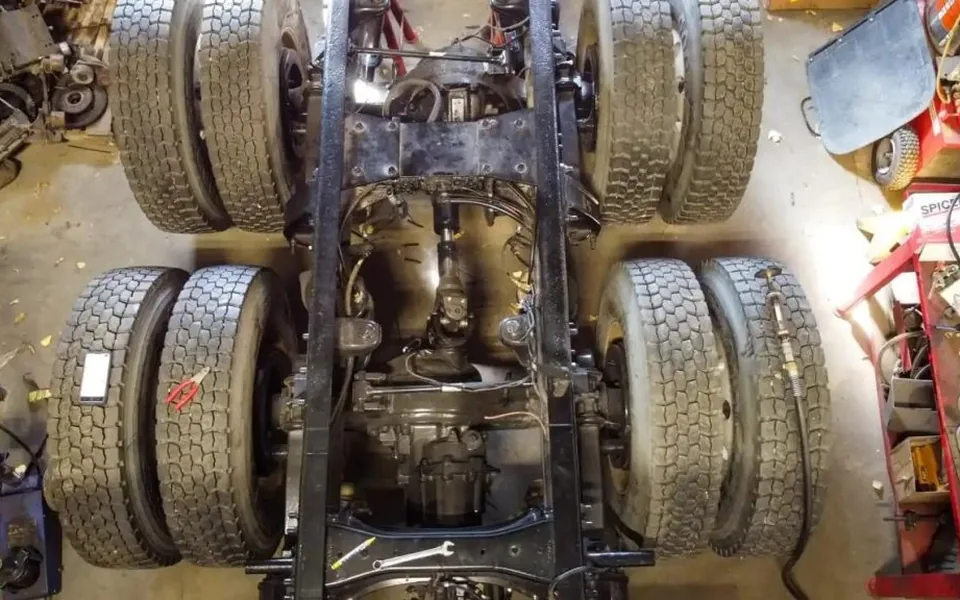
Shock absorbers play a very vital role in the proper functioning of heavy-duty trucks. They make the ride smoother and help keep the vehicle stable. Without them, there would be no dissipating and absorbing energy from road bumps and vibrations (what a ride!) Also, and perhaps most importantly, the absence of shock absorbers in a truck’s suspension system would leave it unable to handle and overcome heavy loads as well as change terrain effectively.
How Shock Absorbers Work
Here’s how shock absorbers fit in the suspension system: they work with springs to dampen oscillations and keep the tires in contact with the road. This is very important because when the tire isn’t adequately contacting the road, the consequence would be lost control and much longer stopping distance with uneven tire wear.
Common Problems with Shock Absorbers
Some common problems affecting these parts include worn or leaking shocks. Symptoms of a shock absorber problem could range from a bumpy ride to a lousy reaction when steering.
Regular maintenance checks prevent issues from getting worse and ensure your diesel repair needs are at their minimum so that your truck is road-worthy. This helps improve safety, but it will also extend the lifetime of your truck’s suspension system and keep you on the road for longer without any cause for alarm.
Key Signs Your Truck’s Shock Absorbers Are Failing
Decreased Quality of Driving and Poor Response in Steering
Probably one of the typical symptoms of a decline in driving quality is a failing shock absorber. Much of the smoothness and comfort of your ride may be lost by the wearing out of these vital components. Just picture driving down the highway, expecting a smooth trip, and suddenly find yourself fighting poor steering response and an uncomfortably bumpy ride. The shock absorbers are vital to control as they allow your truck’s tires to stay in contact with the pavement.
- Extreme Bouncing: If your pickup truck bounces after passing over a bump, it’s probably time to replace those shocks.
- Poor Steering Feedback: Problems with staying on course or feeling any lag when making steering reactions? It could be a sign of worn-out shocks.
- Greater Stopping Distance: Increased braking distances can be a sure sign of faulty shock absorbers, pointing to a loss in safety and efficiency.
Each of these symptoms presents possible safety risks apart from just comfort in driving. Recognizing such signs earlier helps set the stage for repairing any shock absorber defects before they become more expensive repairs or hazardous to drive.
Nose Dive When Braking: A Symptom of Bad or Failing Shocks?
Nose diving while braking is one of the most startling of the common indentifiers of failing shock absorbers. When the shocks wear out, they do not do the job of holding up the weight of your heavy-duty truck during sudden stops, creating a nosedive effect in the front end of your truck. Apart from a lousy quality of drive, this can be hazardous, too.
Safety Implications for Braking
Failing shocks can lengthen stopping distances, increasing the possibility of accidents. Secondly, the lower driving quality due to this problem can affect the confidence and reaction time of the driver. Observation of these symptoms might be critical for maintaining performance and safe operation on the road.
Vehicle Rolls or Sways When Cornering: How to Understand Cornering Stability Issues
Cornering with any heavy-duty truck is most definitely an issue of balance and precision. The shock absorbers balance this out by controlling the movement of the suspension system during turns. If these shock absorbers are worn out, cornering would make the weight of the vehicle shift to one side, which might mean an increased chance for body roll or sway. Such instability is uncomfortable, but most of all, it has huge effects on safety, both on the response of the steering and on driving quality in general.
Rear Squat During Acceleration: Implications for Towing Capacity and Load Management
When you hit the gas pedal, your truck should quicken up without sagging in the back. When your truck sags in the back during acceleration, that is a clear indication that the shock absorbers have worn out. This state, also commonly referred to as “rear squat,” occurs because old, worn-out shocks cannot support the weight of the moving vehicle during quick accelerations. It is easily noticeable with heavy-duty trucks that are carrying a load or towing something.
The consequences of a rear squat are not limited to just an awkward position for your truck; it directly affects towing capacity and load management, making staying in control difficult. The lack of stability will make the ride not only very uncomfortable but also safety-critical in conditions of reduced traction on the front wheels, which results in poor steering response. Should these symptoms continue, you will need to closely watch your shock absorbers so that they perform their correct tasks of keeping your ride smooth and sure.
Other Symptoms That Can Indicate the Problematic Condition of Shock Absorbers
When searching for more signs that can suggest failing shocks, it is quite often that uneven tire treads are missed. But the truth is, this may be a very telling sign that can indicate your shock absorbers are not doing what they are meant to. Besides offering comfortable rides, shock absorbers are extremely important for tires to stay in contact with the road at all times. Even wear depends on this factor for longevity and good performance.
Worn-out shock absorbers eventually fail to keep the tires firmly planted on the surface and allow the tires to bounce too much. This bouncing results in peculiar wear patterns, often seen as cupping or scalloping on the tire tread. These irregularities can heavily affect the stability and safety of the vehicle, especially at high speeds or when the big trucks are loaded to full capacity.
Regular checks on tires can help detect early signs like uneven wear patterns. Early detection can help solve the hidden problems of shock absorbers before they grow into bigger problems or costly repairs.
Vibration in the Steering Wheel: Symptom of Failing Shocks?
Vibrations in the steering wheel, often even on smooth roads, are another of the extra symptoms of failing shocks and can be unsettling. This symptom is due to worn-out shocks not dampening out road imperfections as they should. Oscillations work their way up through the suspension system and into the steering assembly. Worn-out shocks might also lose the capability to regularize tire motion, causing uneven contact with the road surface. The result of this can be vibrations that are felt, often strongly, in the steering wheel.
Comfort and Safety Implications
These vibrational effects not only reduce driving comfort but also raise several safety concerns. In bad enough cases, steering can become difficult, which reduces the ability to keep the vehicle in control, especially at high speeds or during quick maneuvers. This means driving less comfortably and much more dangerously. Make sure that maintenance checkups are scheduled to catch such problems before they escalate.
Clunking or Knocking Noises While Driving: How to Diagnose Noises with Shocks or Struts
Your heavy-duty truck should be an easy enough drive, but when clunking or knocking sounds begin to break through the silence, it could mean more signs of failing shocks. Noises are most often telling you that your truck’s shocks or struts have a problem.
Identifying Sounds
It can be due to a loose or damaged shock absorber or strut, which causes a clunk or knock while driving. It is more noticeable when bumps and other uneven surfaces are negotiated.
Oil-Shock Absorbers: What to Infer from Shocks by a Leaking Fluid
Last but not least, fluid leaks from the shock absorbers could be one of the most telling signs that something is wrong. Observe the oily stuff on the shocks themselves when you get down and take a closer look at your heavy-duty truck. Leakage usually points to worn-out or damaged internal seals, which might further result in a performance decline with possible failure. Further driving will only raise wear on the other suspension parts and increase the possibility of expensive repairs later on.
Importance of Regular Maintenance and Inspections for Heavy-Duty Truck Suspension Systems
Maintenance of the suspension system is essential to keep the heavy-duty trucks working appropriately. Similarly, periodic checks prevent minor problems from blowing up into pricey repairs and add to safety and comfort over long drives.
Benefits of Periodic Checks:
- Longer Life: Periodic checks ensure that early signs of shock absorber failure or wear and tear of other suspension system parts are easily spotted before they create a mess.
- Improved Safety: Good suspension systems reduce the possibility of an accident because of problems in handling or irregular wear of tires.
- Smooth Ride: Properly maintained shock absorbers give a smooth ride that minimizes driver fatigue and general stress on a vehicle.
Recommended Maintenance Practice:
- Visual Inspection: Leaks of components or physical damage, such as shock absorbers or bushings, should be constantly inspected.
- Doing change monitoring: Be more observant about driving changes, such as louder rattles or poorer steering response, which may indicate more serious problems.
- Professional assessments: Regularly schedule professional checks to ensure all components of the suspension system are performing as they should.
By following these proactive maintenance recommendations for your truck’s suspension system, you will be better prepared to protect your investment and keep your truck running right, even in challenging driving conditions.
Solutions to Suspension Repairs in Heavy-Duty Trucks
In situations where your suspension completely fails you, you need to have a backup plan for unexpected moments. Effective ways to tackle suspension repairs include:
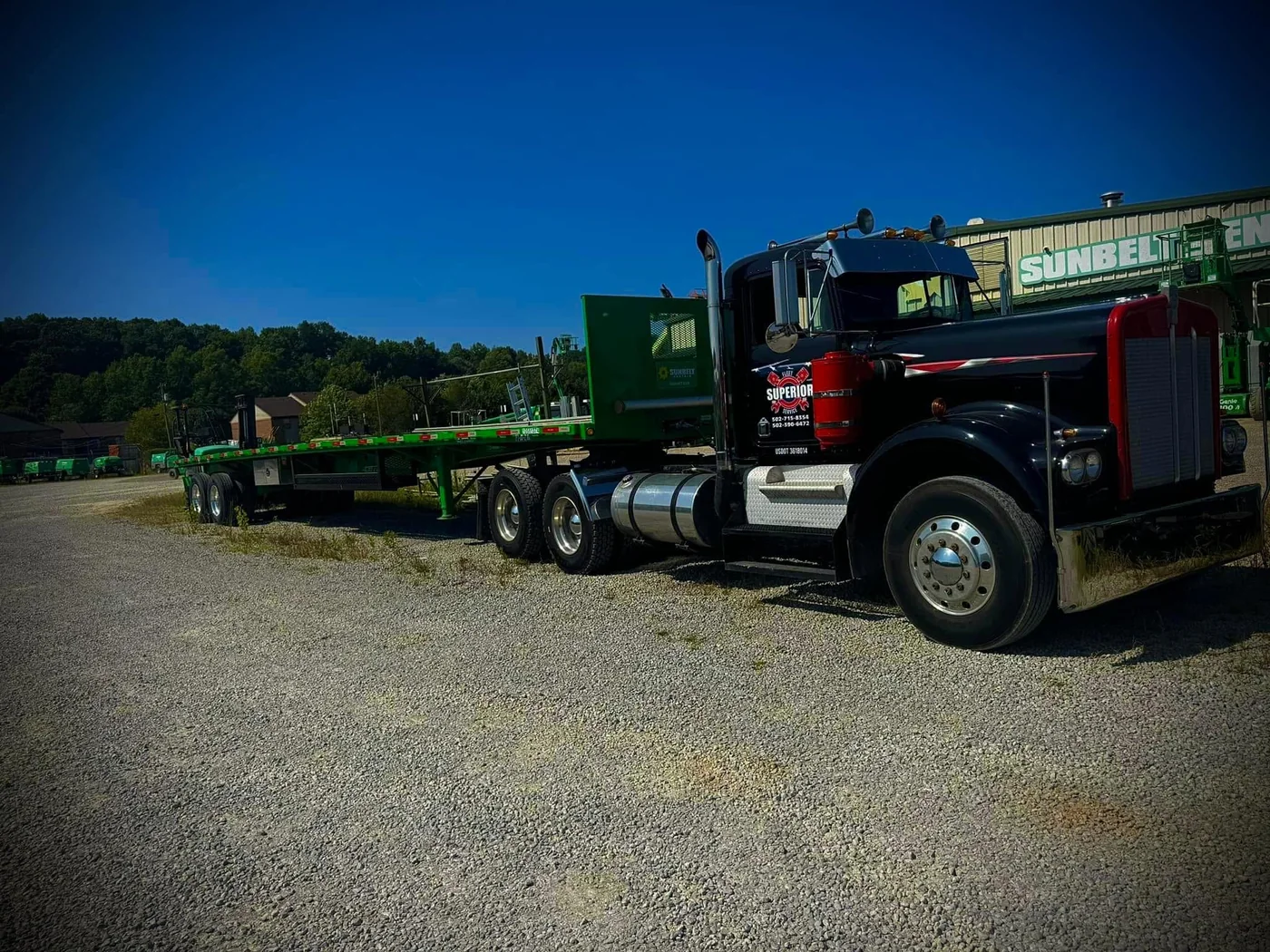
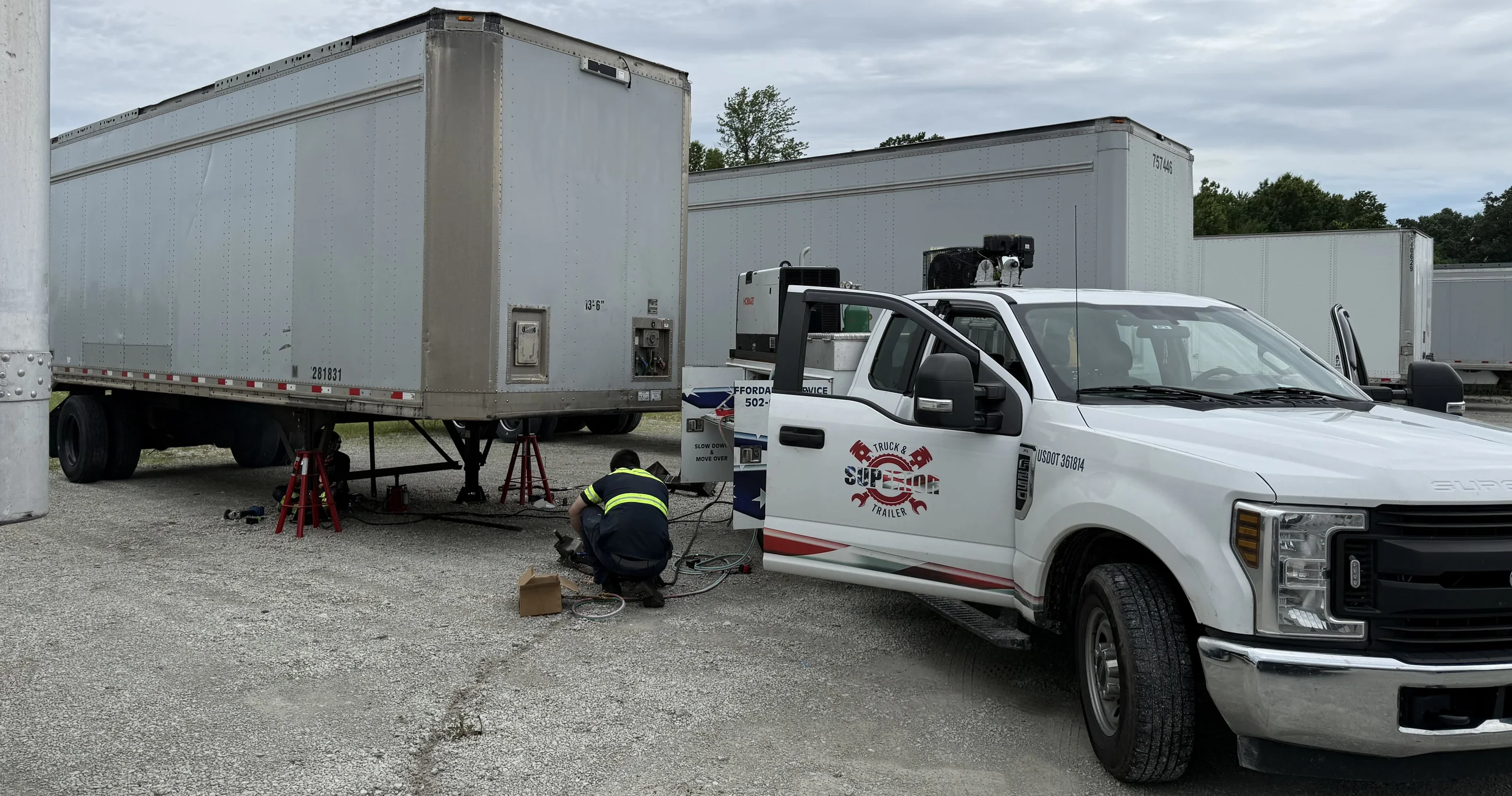
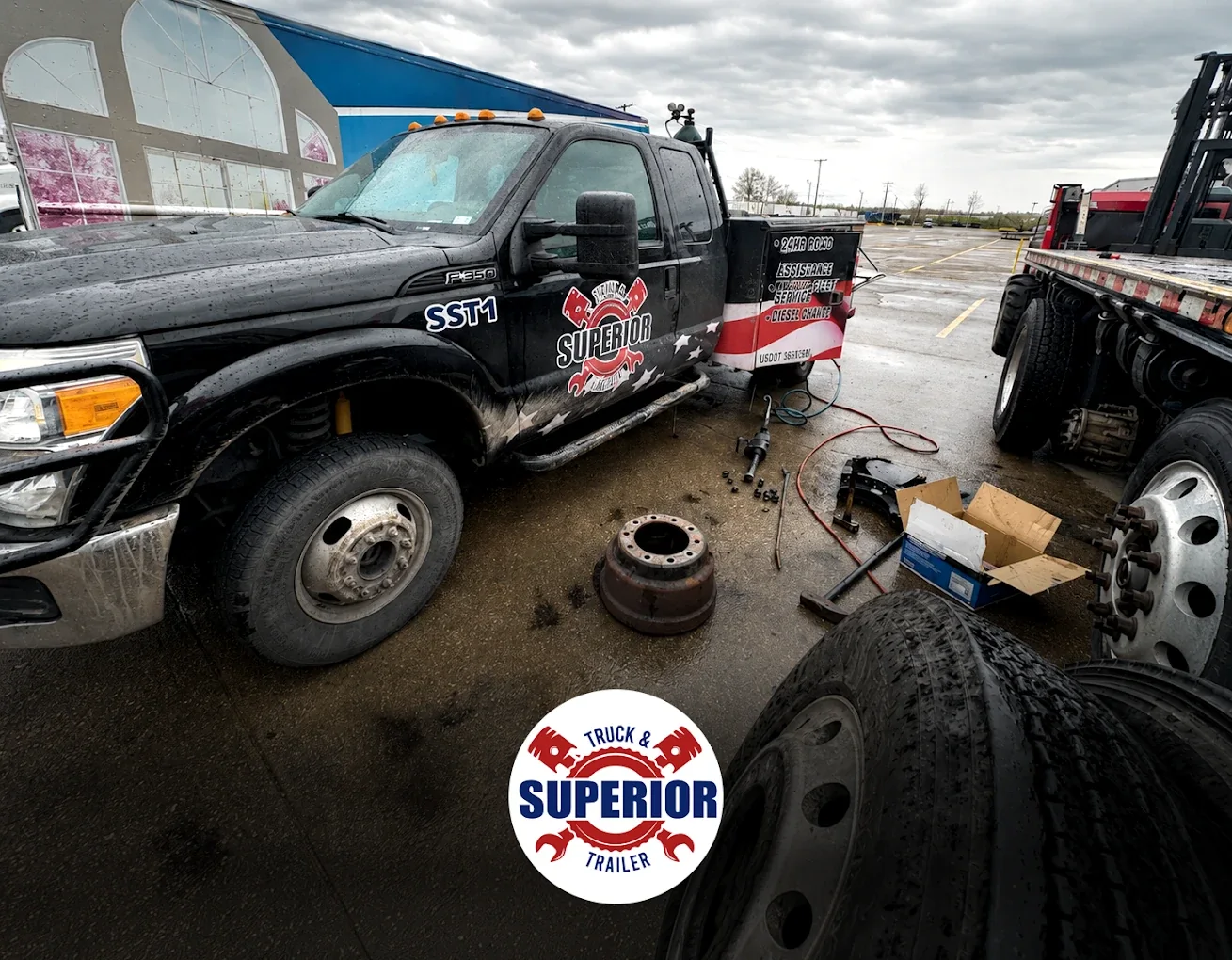
One of the most dependable options for emergency repairs in truck suspensions relies on the services of a professional mobile mechanic, like our team of experts here at Superior Truck and Trailer Repair. We will bring expertise right to your location to minimize downtime and get you back on track in the shortest time possible.
Choose Superior Truck and Trailer Repair
Don’t just watch for signs; take action today! Being able to recognize the signs that your shock absorbers are in trouble will keep your truck running strong and safe. Neglecting these symptoms, from an uncomfortable ride to loss of control, will only result in expensive repairs and possible safety hazards. If any of these warning signs seem familiar, don’t hesitate to contact us at Superior Truck and Trailer Repair for professional help. Our crew is prepared with the best diagnosis and repair for your vehicle. Don’t wait, contact us today at (502) 789-6644, so your truck runs the best. Your truck is worth the very best care, and that is what we provide.