










Caterpillar’s Bold Move: No More On-Highway Truck Engines, But Why?
Caterpillar is an industry giant that manufactures construction and mining equipment, off-highway diesel and natural gas engines, and much more. With 2021 sales as high as $51 billion, they…

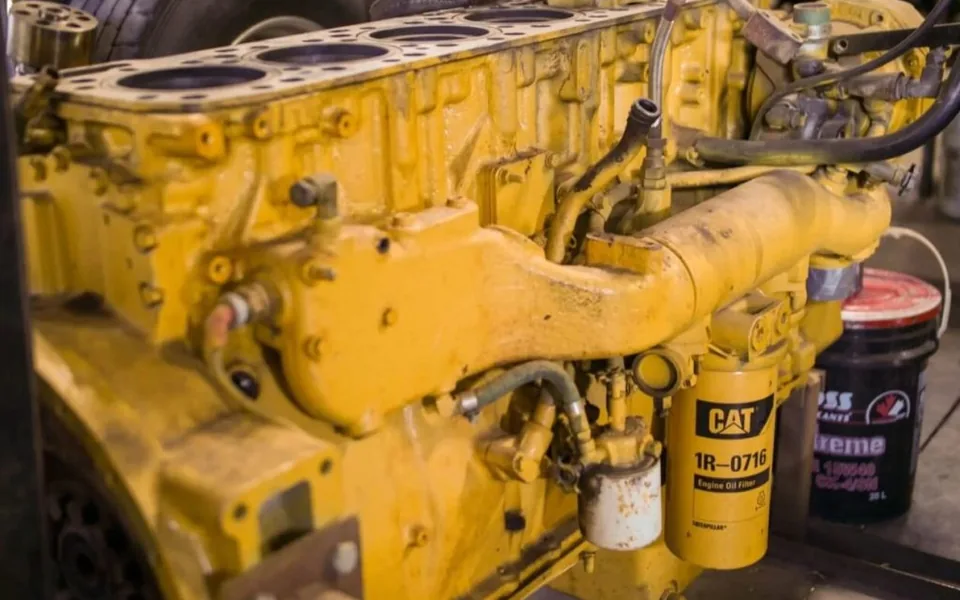
Caterpillar is an industry giant that manufactures construction and mining equipment, off-highway diesel and natural gas engines, and much more. With 2021 sales as high as $51 billion, they definitely are among the large players in the most global industrial markets. One of the key building blocks in place has been its on-highway truck engines, which have grown as vital components in the trucking industry to keep goods churning over long distances.
The Rise and Fall of Caterpillar’s On-Highway Truck Engines
Arguably, the CAT 3406E is one of the most iconic powerhouses in the world of trucking. Right from the time of its launch in 1993, the heavy-duty truck became synonymous with this engine owing to its robust performance and reliability. Together with its siblings- the 3406A, 3406B, and 3406C- these units ruled highways up until the mid-2000s for their reputation in power that truckers loved.
EPA Regulations and Their Impact
However, all that started to change as the Environmental Protection Agency started to pay more attention to the emission level. Starting from the 1970s, EPA has been issuing a series of emissions standards controlling just how much pollution could come out of a vehicle. Those regulations were further strengthened in 2004 and placed manufacturers such as Caterpillar under heavy pressure for quick innovation responses.
Caterpillar’s Response: ACERT Technology
In response to these regulatory demands, Caterpillar developed the ACERT technology: Advanced Combustion Emissions Reduction Technology. This was a new system to meet new emission standards without the use of EGR valves, a method most of its competitors had adopted. ACERT technology promised efficient combustion through flexible fuel injection and aimed at reducing emissions while maintaining engine performance.
Challenges Faced by ACERT
Despite its promising introduction, ACERT faced numerous hurdles:
- Engine Reliability Issues: Frequent breakdowns of the technology meant dissatisfaction among users.
- Non-Compliance Issues: ACERT engines failed to meet the gradually changing emission standards set by the EPA quite a number of times.
- Lawsuits and Fines: Caterpillar had to face lawsuits and fines because of compliance failure, affecting its market position and financial health.
These challenges marked a pivotal point in Caterpillar’s journey with on-highway truck engines. The combination of technological setbacks and mounting regulatory pressures led them away from this once-dominant market segment.
Competitors Rising
With competitors like Cummins stepping up their game during this period, Caterpillar found itself needing to reassess its strategy, a move that would eventually lead to significant changes in their business approach.
Business Decision Making at Caterpillar
In 2008, the manufacturer announced a surprising withdrawal from manufacturing on-highway truck engines, catching the attention of many within and beyond the trucking business. This was mainly a non-opportunity market factor since such investment could not substantiate its returns, given stiff competitors in this division, such as Cummins, coupled with an unprecedented increase in the levels of emission set by regulatory bodies.
Focusing on Core Strengths
Shifting gears, Caterpillar decided to concentrate on their core business segments, which included off-highway diesel engines and industrial applications. This strategic pivot allowed them to leverage their strengths and reduce reliance on the volatile on-highway truck engine market. By doing so, Caterpillar could focus its resources on what it excels in: providing robust power solutions for construction, mining, and other heavy industries.
The ability to stay active in these markets allowed them to keep providing value while continuously reacting to changing environmental legislation with the absence of on-highway compliance pressures. According to Ramin Uneri of Caterpillar’s Industrial Power Systems Division, it was not possible to invest the significant levels needed to remain viable in the truck engine market under prevailing market conditions.
Competitive Environment in the Truck Engine Market
When Caterpillar exited the on-highway truck engine market, this situation gave the opportunity for other companies to establish their position in the market, especially Cummins. The company immediately took advantage of this situation by improving its product line and continued to meet the strict emission standards. Their ability to adapt fast and deliver reliable engines helped them become an industry leader.
Competitive Factors
A number of factors have contributed to this increase in rivalry:
- Technological Advancements: Firms like Cummins were quick to invest in new technologies that increased the efficiency of engines and allowed them to meet new environmental regulations.
- Market Responsiveness: Competition was quick to respond to changing regulations and had their engines ready for the new standards, where Caterpillar suffered operational setbacks.
- Customer Trust: The competitors’ building and fostering trust by consistently delivering quality products has earned them a customer base.
By deciding to make a strategic exit, Caterpillar underlined just how fast-moving the industry in truck engines is, with only the toughest and most dependable succeeding over failure for industry leaders.
Implications of Diesel Repair Services
Caterpillar’s departure created significant ripples, not only among manufacturers but also in diesel repair services. With approximately 1.6 million CAT engines still operating on North American roads, the demand for maintenance support remains strong. This large fleet of existing engines continues to drive the need for specialized repair services.
This scenario presents an opportunity for businesses like us here at Superior Truck and Trailer Repair to excel. Despite Caterpillar’s shift in focus, we continue to offer unmatched expertise in maintaining these legendary engines.
How We Can Help:
- Comprehensive Maintenance Support: Technicians well-acquainted with the intricacies of CAT engines ensure your truck remains roadworthy.
- 24/7 Assistance: With round-the-clock towing and roadside assistance, you’re never stranded for long.
- Services range from regular checkups to on-road emergencies
- Light-, medium-, and heavy-duty services available through industry partnerships
With these capabilities and continuous efforts for service excellence, our professional technicians remain a premier choice for all maintenance and repair requirements concerning Caterpillar engines.
Choose Superior Truck and Trailer Repair
Fortunately, the trucking industry will maintain its dynamic nature with continually evolving emission standards and technological improvements.
For any CAT engine repairs or maintenance queries, reach out to us at Superior Truck and Trailer Repair. We’re here to keep your engines running smoothly! You can reach us at (502) 789-6644, give us a call today.



