Commercial Truck Tires: What You Need To Know
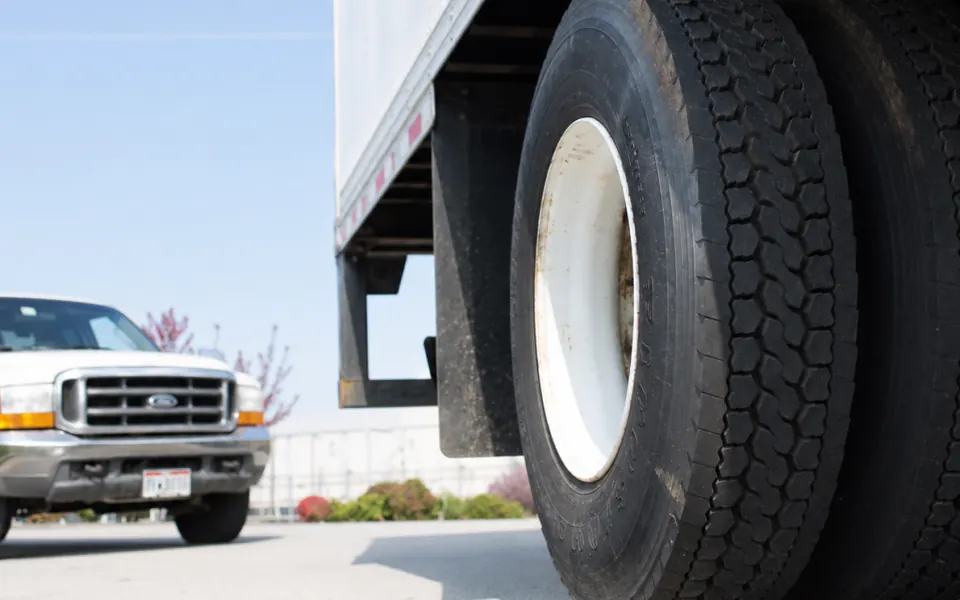
Commercial truck tires are the foundation of the safe and efficient operations of any fleet. They are unsung heroes that keep your trucks humming, carrying strong and heavy loads through…

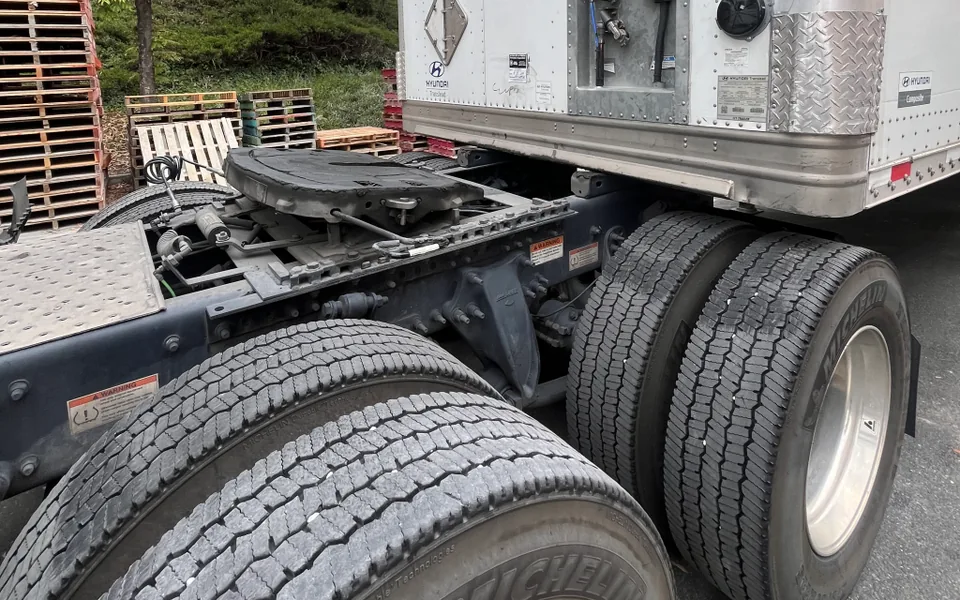
Commercial truck tires are the foundation of the safe and efficient operations of any fleet. They are unsung heroes that keep your trucks humming, carrying strong and heavy loads through various terrains. Taking care of these tires is not just a necessary safety procedure but also a good economic decision. Employing proper maintenance techniques can greatly extend the life of your commercial truck tires. This will lower the costs associated with the replacement and repair of tires, in addition to making sure that your drivers and cargo are safe.
By investing time in periodic tire inspections, and following good driving practices, fleet operators can derive maximum value from their investment in their tires! Continue reading to get down to the brass tacks of maintaining your commercial truck tires in tip-top shape.
Understanding Commercial Truck Tires
Knowledge of the different types of commercial truck tires will help you make decisions concerning your maintenance. Now is the time to present the two main categories: radial and bias-ply tires.
Types of Commercial Truck Tires
- Radial Tires These are the go-to choice for long-haul trucks. The radial tire has a perpendicular steel belt across the tread, giving it greater flexibility and efficient dissipation of heat. These lead to:
- Increased fuel efficiency
- Longer tread life
- Higher traction and stability
- Bias-Ply Tires These tires have crisscross layers of nylon or polyester cords. They are not as common as they used to be in modern trucking but are useful in certain applications like off-road or heavy-load situations. Bias-ply tires can give you:
- Higher cut and puncture resistance
- Better performance on rough surfaces
- Greater load-carrying capacity
Structure of a Commercial Truck Tire
Learning the anatomy of your truck’s tires can help you appreciate how crucial they are regarding your truck’s safety and performance.
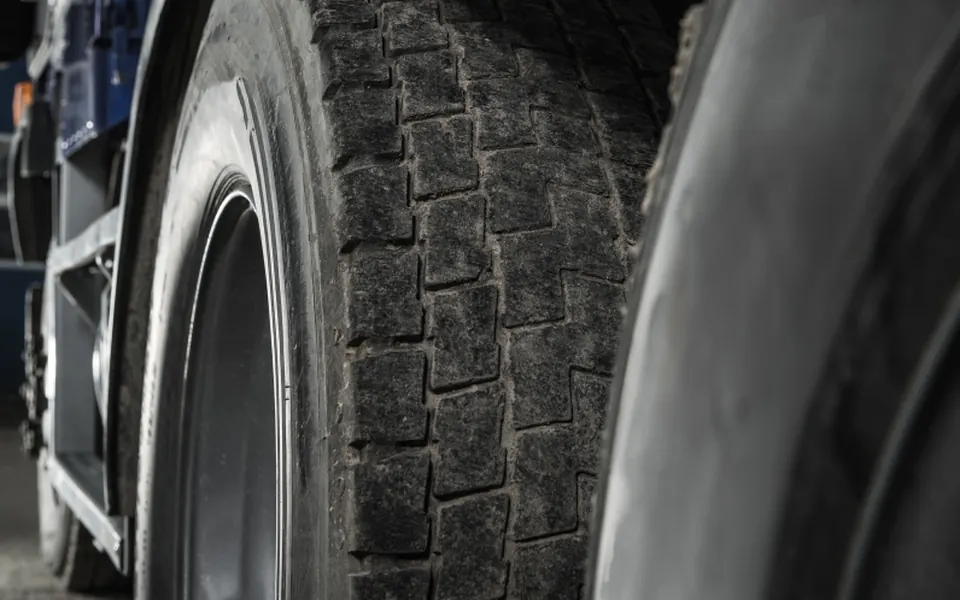
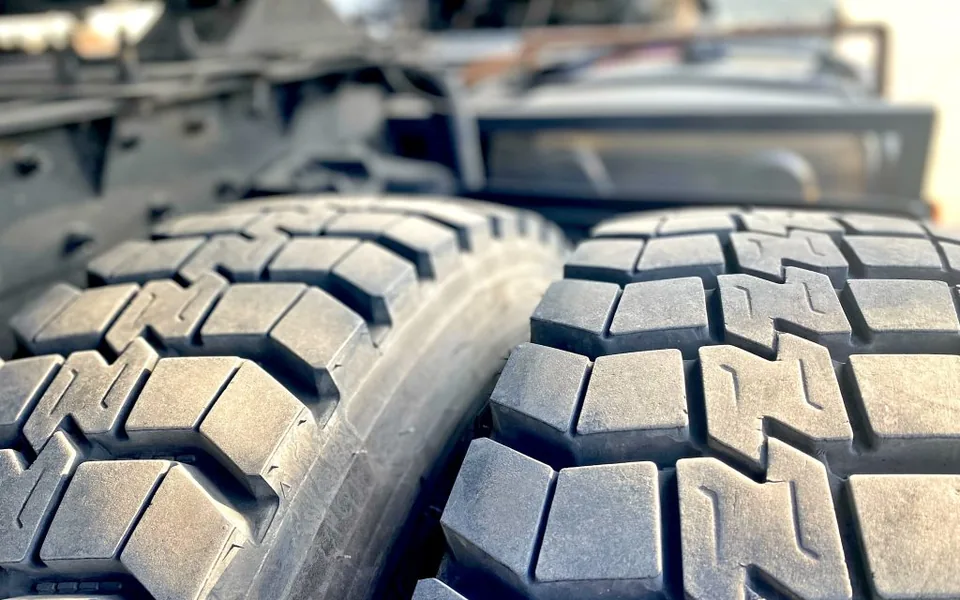
- Tread: The area of the tire that comes in contact with the road is called the tread. Traction, handling, and dispersal of water are provided according to the tread pattern. The thicker the tread, the better the grip; however, it may wear out faster than usual, depending on the road conditions.
- Sidewall: The sidewall is between the tread and the bead. It has a twofold function of lateral stability and shock absorption when the tire goes over the jolts on the road. It becomes crucial to sustain the tire’s integrity in the presence of varied loads.
- Beads: These are wire bundles encased in rubber located at the inner edges of the tire. Beads anchor the tire onto the rim, therefore ensuring that it fits properly onto it. They are quite important to keep the air inside and maintain the general structure of the tire.
With an understanding of these components and their functions, one will be in a better position to appreciate how each part plays its role in gaining traction, stability, and durability on the road.
The Importance of Proper Tire Maintenance
Of all the valuable tips for prolonging the life of commercial truck tires, proper tire maintenance takes the cake. That being said, of all the factors considered under the category of proper tire maintenance, correct tire pressure is one of the most crucial.
Importance of Correct Tire Pressure
Correct tire pressure is what makes the tire perform efficiently. When inflated at recommended levels by the manufacturer, tires provide excellent traction, handling, and stability. For commercial trucks carrying heavy loads over a distance, this becomes extremely essential.
- Optimal Performance: The better the inflation of the tires, the better they handle vehicles and respond to braking.
- Fuel Efficiency: Properly inflated tires have less rolling resistance, and as such, they give better fuel economy.
Effects of Underinflation and Overinflation
The takeaway here is that incorrect tire pressure will adversely impact wear and tear and affect overall tire health. Both the underinflation and overinflation of tires will reduce the life of your commercial truck tires.
Underinflation Causes
- Too much generated heat
- Causes uneven wear of the tread, especially on the edges.
- Increases rolling resistance to lower fuel efficiency.
- Added stress on tire sidewalls, which can lead to blowouts.
Overinflation Causes
- Causes tires to ride harder, which would make for an uncomfortable drive.
- Causes uneven wear of the tread, which is usually in the middle of the tire.
- Has less contact with the road surface, which diminishes traction and braking performance.
- Increases the chance of impact damage by hitting potholes or other debris.
Some Practical Tips for Regular Checks of Tire Pressure
- Take the Right Gauge: Pick up a good-quality tire pressure gauge that shows correct readings.
- Check When Cold: The pressure must be measured when the tires are cold, that is to say, before driving.
- Stick to Pressure Recommended by Manufacturer: Follow recommendations from your vehicle or tire manufacturer.
- Regular Checks: Check tire pressures at least once every week or before long trips.
The basic checks and adjustments of tire pressure do much for extending the lifetime of your tires and improving the truck’s fuel economy. These simple yet effective tasks ensure travel is much safer and more economical on replacements. Proper tire maintenance will go a long way toward contributing to smoother and more effective road operations. So, keep those gauges handy and make the checks part of routine!
Regular rotation is a solid piece of good tire maintenance advice. Therefore, rotating commercial truck tires at prescribed intervals ensures uniform wear in all positions, keeping things as balanced as possible.
Why Tire Rotation Matters
Impact on Lifespan
If never rotated, irregular wear would occur in such a way that it would make them wear out much faster. This diminishes the general life of your set of tires, including impact on fuel economy and vehicle handling. Safety during transportation operations rests on maintaining traction and stability; this reduces cases of blowouts or other tire-related incidents on the road.
Optimal Performance
Standard tire rotation ensures that the tires wear out uniformly without having specific tires that would lead to underinflation or overinflation problems. Most manufacturers require rotation of commercial truck tires every 6,000 to 8,000 miles. In addition, make sure you also rotate on a timely basis according to your vehicle’s manual. All this will help in preventing unwanted downtimes and costly repairs.
It’s not only a matter of simply sticking to a routine but also making sure the longevity and performance of your commercial truck tires are preserved through diligent attention to detail.
Wheel Alignment and Balancing
Misaligned wheels can be a big headache for truckers. Not only will they cause uneven wear and tear, but they also compromise the handling characteristics of your vehicle. Just imagine driving a truck that would always pull to one side, not fun at all.
Key Points:
- Premature Tire Wear: Misalignment in wheels causes uneven wear on the tread. That means you will replace them more often, which is not really nice for your wallet.
- Steerability: Properly aligned wheels will keep your truck going in a straight line and true, adding much safety to the delivery process.
- Fuel Economy: Misaligned wheels create higher rolling resistance that impacts fuel efficiency, a paramount consideration in commercial trucking.
Of course, proper wheel balancing is another important concern. Unbalanced wheels create annoying vibration-related problems that actually translate into unnecessary wear on the tires and suspension assembly.
Tire Maintenance Tips:
- Alignment of wheels should be checked according to a regular schedule.
- Balance your wheels whenever you get new tires or notice uneven wear.
- Watch for signs of misalignment, such as vibrations or the truck pulling to one side.
Following these steps will help to ensure the longevity of your commercial truck tires, improve fuel economy, and keep you safe on the road.
Early Damage Detection by Frequent Inspections
Regular checks are the backbone of commercial truck tire health and longevity. More frequent checks can identify problems at an early stage, thus saving you from costly repairs down the line.
Techniques for Tire Inspection
Following are some of the tried-and-tested techniques that keep your tires in good shape:
- Visual Inspection: It is a good practice to have a thorough visual inspection of the tires before and after trips. Observe for obvious damage such as:
- Cuts
- Punctures
- Cracks
- Bulges
- Depth of Tread: This must be done with a tire tread depth gauge to ensure your tires possess sufficient depth of tread. Lost treads can decrease traction by as much as upon wet roads.
- Check Sidewall: Always make it a point to check for irregularities on the sidewall. The outcomes of sidewall damage are blowouts, which are quite hazardous on the road.
- Bead Area Check: The bead area should be checked for any wear or damage that may affect the seal and air leakage.
- Foreign Objects: Extract any embedded objects, such as nails or shards of glass, which may be protruding into the tire and will only work further into it over time.
By incorporating these tire inspection methods into your routine, you can avoid small issues from turning into huge ones and can keep your commercial truck tires reliable and safe for each journey.
Load Management Strategies to Optimize Tire Performance
Poor weight distribution between axles can lead to localized stresses that hasten the rates of tread wear.
Key Things to Know:
- Balance Weight: Make sure the cargo weight is evenly distributed among all axles. This prevents any particular tires from carrying more loads than others.
- Axle Load Carrier Limits: Pay close attention to the manufacturer’s recommended load limits on every axle. Overloading certain axles has consequences as far as tire life is concerned, not to mention a dramatic impact on vehicle handling and safety.
- Load Scales: Portable load scales or onboard weighing will go a long way to monitor accurately the distribution of weight.
Actionable Tips:
- Periodic Training of Drivers: Drivers should be trained to handle loading properly and how load management is done.
- Regular Check-Up: Regularly check up on the balance of cargo distribution during long hauls.
- Load Bars and Straps: These will keep items from shifting out of position in order to balance the load.
By paying attention to these factors, fleet operators can go a long way in improving tire performance for smoother rides and longer-lasting tires.
Smart Driving Practices to Ensure the Longest Life of Tires
Driving habits aimed at tire maintenance are seldom remembered, yet they are highly essential in prolonging the life of commercial truck tires. Poor habits include aggressive driving practices such as quick acceleration, hard braking, and sharp turns. Sooner or later, these can add to wear and tear on your tires.
Impact of Aggressive Driving
Quick Acceleration: Unnecessarily strains the tire tread, causing it to wear out faster.
Braking Harshly: Quick stops might be necessary in some situations, but they will cause tires to have flat spots.
Sharp Turns: Cornering or negotiating turns at high speeds can cause irreparable damage to some rubber compounds.
Tips for Smoother Driving
The little things can make a big difference. Here’s how:
- Smoothen the rate of acceleration: Gain speed gradually to lighten up on the tires.
- Steady Braking: Apply the brakes smoothly without jerks to avoid flat spots.
- Slow and Smooth Turns: Avoid making sharp turns or quick turns with greater speeds in order to put extra loads on sidewalls.
These driving habits not only support the life of your tires but also help with fuel efficiency and overall vehicle performance.
Environmental Considerations in Tire Maintenance Practices
Some of the most major causes that can affect the working life of commercial truck tires are environmental. The factors of both extreme heat and extremely cold temperatures all have their effects on the general makeup of your tire’s rubber compounds.
Effects of Extreme Heat on Tires
- High temperatures make the rubber more pliable, allowing it to wear down faster.
- Heat hastens the deterioration of tire materials, hence their shortened life span.
- Continuous exposure to such high temperatures can result in blowouts or other serious damages.
Effects of Extreme Cold on Tires
- Low temperatures have the effect of making the various compounds in a tire stiffer and more brittle. This reduces any potential for flexibility in a tire, thus increasing the risk of cracking and other structural failures.
- In cold weather, tires lose flexibility, which is an important part of traction on slippery ice or snow.
Key Tip: Have your tires routinely inspected for temperature extremes that may cause damage. Adjust maintenance practices according to the season to minimize these environmental influences. Knowing how weather and road conditions affect your tires will help you be more proactive in extending your life.
Choose Superior Truck & Trailer Services
Proper care of commercial truck tires can dramatically increase the length of time they can be used. Regular checks of tire pressure, rotation of tires, driving with care, and proper management of loads have very much to do with safety and effectiveness in operation.
If you are a fleet operator who desires improved tire maintenance as well as overall diesel repair needs, Superior Truck & Trailer is here to make a difference. We pride ourselves on offering the ultimate in personalized support to meet the exact needs of our clients. Let our team of expert technicians help support your diesel-operated business. Give us a call now at (502) 789-6644!