










Comprehensive Guide To Engine Repair, Rebuild & Conversion In Heavy Duty Trucks
If you run heavy-duty trucks long enough, you learn one thing fast: the engine is not just another component. It is the difference between a profitable week and a truck sitting idle…

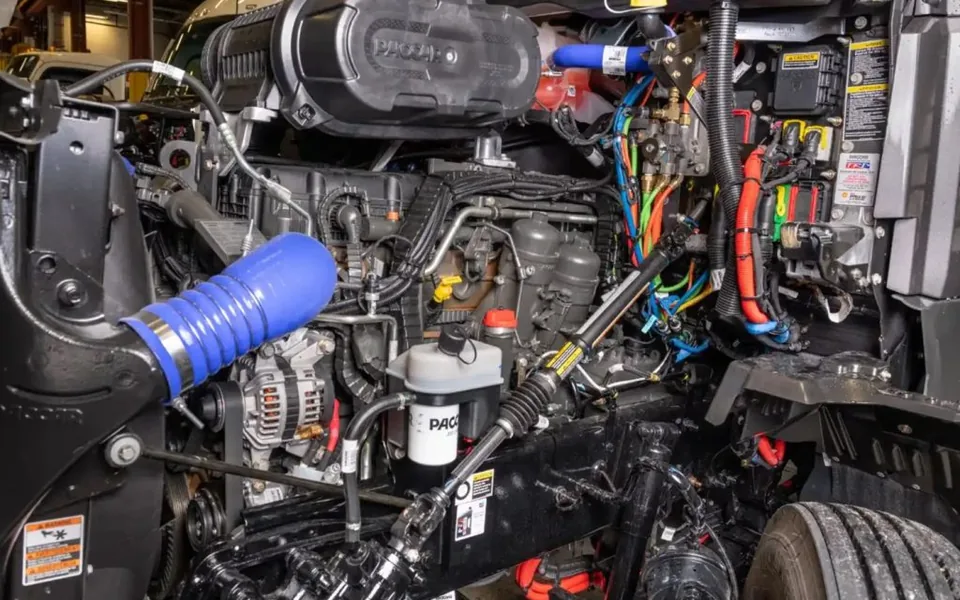
If you run heavy-duty trucks long enough, you learn one thing fast: the engine is not just another component. It is the difference between a profitable week and a truck sitting idle, bleeding time and money.
We at Superior Truck and Trailer Repair provide complete semi truck engine repair services, together with engine rebuilding services and engine conversion services for heavy-duty trucks. This guide will help you to understand important parts of the engine overheating problem together with the power loss issue, and it provides guidance on proper decision-making, which will work effectively on actual streets.
Understanding Engine Repair In Heavy-Duty Trucks
Engine repair is about addressing a specific problem before it spreads. In trucking, small symptoms rarely stay small. The truck will suffer major internal damage after its minor leak and its misfire and its temperature spike keep occurring during its continuous load operation throughout the week. Our engine repair process requires us to solve the immediate failure while we investigate its root cause. That second part is what helps prevent repeat breakdowns.
Why Timely Repairs Matter
Engines do not usually fail without warning. They give you signs first, and the earlier you respond, the more options you have. Waiting too long can mean a repairable issue turns into a rebuild, or a rebuild turns into an engine replacement.
Downtime is expensive, but uncontrolled engine damage is usually worse. Getting ahead of problems protects your schedule, your budget, and your driver’s confidence in the truck.
Common Engine Repairs We See Every Week
Some repairs show up again and again in heavy-duty trucks, especially in high-mileage fleets and hard-working owner-operator rigs.
Head gasket problems are a big one. A compromised head gasket can lead to overheating, coolant loss, combustion gases entering the cooling system, or coolant getting into the cylinders. Any of those can snowball fast if the truck keeps running under load.
Crankshaft bearing issues can be subtle at first and catastrophic later. Although bearings function as tiny components, they must bear extreme pressure while supporting the rotating system. The system experiences three critical problems when there is a bearing failure, which leads to low oil pressure, knocking, and first crankshaft damage, followed by block destruction. Repairing fuel injection systems represents another common service area. Heavy-duty engines require accurate fuel delivery systems to maintain both effective operation and environmentally friendly performance.
The engine experiences rough performance together with decreased fuel efficiency, accompanied by smoke emissions and loss of power because of clogged injectors and fuel system problems, which include rail pressure difficulties.
We also deal with internal valvetrain and rotating assembly concerns like piston rods, bent engine valves, and damaged valve springs. These parts take a beating over time, and when something is off, performance drops fast. In more severe cases, you risk major internal damage that can take the truck out of service for a long stretch.
Engine Rebuild Vs. Engine Overhaul: What You Are Really Choosing
When an engine is too worn or too damaged for a simple repair, a rebuild becomes the next step. Rebuilds are not just “big repairs.” They are controlled, methodical, and designed to restore the engine’s reliability.
People in everyday talk use both “rebuild” and “overhaul” interchangeably. The two terms share a strong relationship, yet their specific meanings impact your decisions about budget needs and project duration, and your expected results throughout the project.
What An Engine Rebuild Involves
An engine rebuild requires us to take apart the engine, conduct inspections of all its parts, and fix or substitute components that show signs of wear or damage. The engine needs correct clearances with effective sealing mechanisms to achieve operational performance.
A rebuild is often the right move when the block and core structure are still viable, but internal components have wear, heat damage, oiling issues, or failure from a specific event.
What A Complete Overhaul Means
A complete overhaul typically goes further. If a rebuild is about restoring functionality, an overhaul aims to bring the engine back closer to “like-new” condition. That usually means more extensive measurement, machining, replacement of additional components, and a tighter focus on resetting service life as much as possible.
We talk through your goals first. Some trucks need to get back on the road quickly with a solid, reliable rebuild. The organization should choose long-term fleet assets that require extended operational life because this approach delivers the best value for the entire period.
The Heavy-Duty Engine Rebuilding Process: What To Expect
A good rebuild is not guesswork. It is a process. Owner-operators and fleets bring their issues to us because their systems fail, but previous servicing did not fix their main problems, and their engines were not fully restored to factory standards.
A typical rebuild path includes teardown, inspection, measurement, and a plan based on what we see. The wear patterns require our close examination because they reveal the sequence of events that caused equipment failure through lubrication problems and overheating issues and fuel system failures and normal operational conditions.
The team proceeds with component repairs and necessary replacements and machining operations according to the established plan before reassembling the engine with complete precision on essential elements which include sealing surfaces and tolerances and timing and oiling pathways and correct torque procedures. The project aims to achieve two results which involve making the engine operational and establishing its proper functioning through actual weight testing.
Engine Conversions For Heavy-Duty Trucks: When Adaptation Makes Sense
Conversions are about aligning the truck with what you need next, not what it was built for years ago. Sometimes that means a different fuel strategy. Other times, it means a full engine swap because the current engine has reached the end of its economic life.
Fuel Type Conversions
The conversion of fuel types occurs because companies want to lower their operational expenses while they adapt to different regional fuel costs and new environmental regulations. The transition to natural gas as a cleaner fuel option enables your organization to maintain operations while meeting emissions requirements which result from your routes and contracts that lead you through locations with strict emissions standards. The financial aspect exists.
The long-term savings for your truck will become substantial when your operation takes place in a location where alternative fuel costs less than regular fuel. The essential step requires you to evaluate the numbers with full transparency while authenticating that the conversion meets your duty cycle and fueling access and maintenance plan requirements.
Full Engine Swaps
Full engine swaps are sometimes the cleanest option when an engine has stacked problems. If you are looking at a long list of repairs and the truck still has a lot of work left in it, replacing the engine can give you a fresh baseline.
Swapping to a newer engine model can also improve fuel efficiency and emissions performance. For fleets, that can mean a better total cost of ownership. For owner-operators, it can mean better drivability, fewer forced regens, and more confidence on long hauls.
We also see swaps chosen for reliability planning. Very high mileage engines require repairs to maintain operation, but this method does not provide reliable equipment availability. A truck swap leads to better performance because it reduces equipment failures while extending the vehicle’s operational period.
Choosing The Right Path: Repair, Rebuild, Or Convert
The smartest decision is the one that matches your truck’s condition and your business reality. You should assess three essential elements when deciding between two options: the current status of the issue, your required operational time from the vehicle, and your acceptable level of vehicle downtime. The engine shows good health, but a specific problem needs targeted repair work.
A rebuild fits when internal wear or damage is present, but the engine is still a good candidate for restoration. You should select a conversion or swap option when your requirements change, regulations compel you to do so, or the current engine becomes too expensive to maintain.
We walk customers through these decisions every day because no two operations are exactly alike. A truck running local routes faces different stress than a long-haul unit pulling a heavy load across multiple states.
Why Drivers And Fleets Choose Superior Trucking and Trailer Repair?
We take our work personally because we know what happens when a truck is down. It is not just mechanical. The delivery schedules face interruptions, which also damage customer trust, reduce driver earnings, and complicate fleet management. Our team possesses practical knowledge about conducting repairs that sustain heavy-duty engine operations, rebuilding operations that establish engine systems, and conversion work that enables trucks to fulfill current requirements.
We establish our work through direct communication and establish our work through direct communication and establish our work through direct communication and complete work that maintains its performance after the truck leaves our facility.
Areas We Serve
We at Superior Truck and Trailer Repair support customers in the Louisville, KY, area. If your trucks operate across regions, we understand the pressure of keeping equipment dependable in different conditions and compliance environments.
Final Thoughts: Keep Your Truck Working, Not Waiting
Engine problems do not get more convenient with time. When your truck begins to display warning indications, which include power loss, overheating, oil consumption, and fault code accumulation, it requires inspection to prevent further harm to the vehicle. Our team provides assistance for your conversion needs through effective planning, which starts from the beginning of the process.
To arrange engine repair, reconstruction, or conversion services for heavy-duty trucks, contact our pros at Superior Truck and Trailer Repair at (502) 789-6644, we assist you in achieving complete road readiness through our services.



