










Fleet Management Best Practices: Essential Strategies for Reducing Semi Truck Repairs and Downtime
Good fleet management is all about balancing all of those factors in the face of escalating costs of fuel and insurance for your trucking company. We at Superior Truck and Trailer Repair…

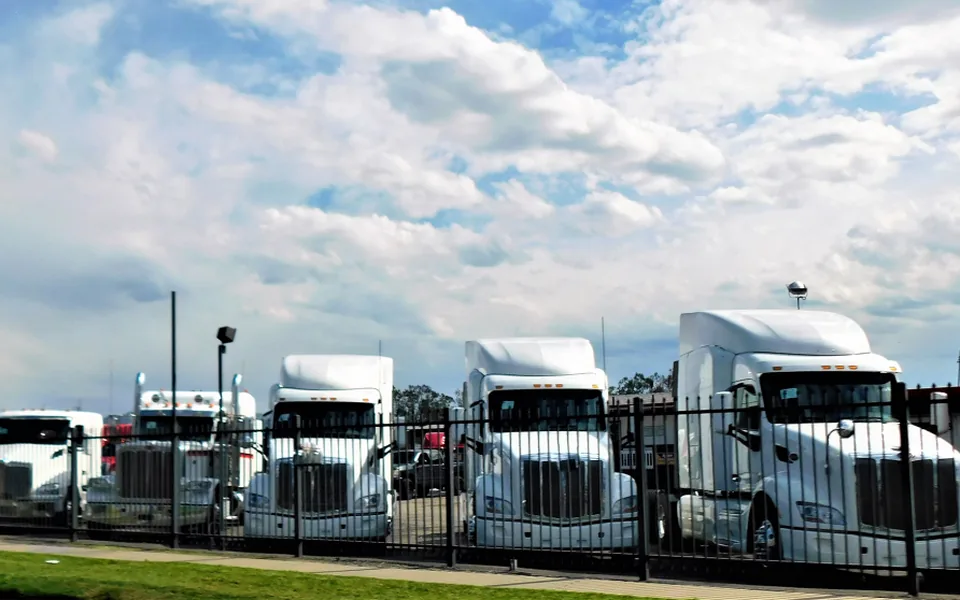
Good fleet management is all about balancing all of those factors in the face of escalating costs of fuel and insurance for your trucking company. We at Superior Truck and Trailer Repair works closely with fleet managers and semitruck drivers in order to provide proven and working solutions in these complex situations.
Here is a list of effective practices for managing fleets that we highly recommend when the objective is straightforward: minimal surprise and downtime for increased profits.
Fleet Visibility And Clear Standards
Good fleet management starts with knowing what is happening across your trucks without guessing. That means having consistent standards for inspections, load documentation, dispatch updates, and reporting issues. If two drivers handle the same situation in two different ways, your fleet becomes harder to manage and more expensive to operate.
We suggest building a short set of non-negotiables that every driver and dispatcher follows. Think of it as the baseline that reduces confusion when things get busy. Once that baseline is in place, you can fine-tune for different lanes, customers, and equipment types.
Preventive Maintenance That Actually Gets Done
Preventive maintenance is easy to talk about and hard to execute when schedules are tight. Still, this is one of the highest leverage areas in fleet operations. A missed service interval can turn into an on-road breakdown, a missed appointment, and a repair bill that hurts for weeks.
The key is building a maintenance rhythm that fits your operation. Use mileage and engine hours, but also watch patterns like repeated tire issues on a certain route or recurring regen problems on a particular unit. Those patterns are often early warnings.
When possible, plan maintenance around freight cycles. If you know a truck will be near a preferred shop every few weeks, schedule ahead and reduce last-minute scrambling.
Driver Safety And Coaching As A System
While safety encompasses both avoiding tickets and minimizing the risk of accidents, it also entails protecting drivers and equipment while making sure your company is seen as safe to ship with. A good safety program tends to be relatively simple and straightforward.
Rather than responding to a problem only when it occurs, we encourage looking at safety from the angle of frequent coaching. This may include ride-alongs, informal debriefings, and incident reviews that ensure lessons are learned by the whole fleet so that future problems can be avoided. Usually, drivers like this kind of management approach that focuses on providing assistance rather than punishment.
An alternative way to enforce the practice involves paying special attention to the critical behaviors: maintaining an appropriate following distance, safe speed control, creation of trip plans in order to avoid rush, as well as pre-trip inspection.
Smarter Fuel Management Without Micromanaging
Fuel is one of the highest controllable costs in any fleet, and it adds up fast. The mistake we see is going too extreme. Some fleets ignore fuel habits until costs spike. Others micromanage drivers so hard that morale drops.
A better approach is to set clear expectations, give drivers the tools to succeed, and track trends over time. Route planning, reducing idle time, and keeping tires properly inflated all matter. So does buying fuel strategically and staying consistent with where and when you fuel.
If you are implementing a fuel program, start by measuring first. Once you have a baseline, improvements become easier to spot and easier to explain to the team.
Dispatch, Routing, And HOS Planning That Reduces Stress
When dispatch is rushed, drivers feel it first. Poor planning leads to tight appointments, unnecessary deadhead, and HOS issues that force drivers into bad choices. The best fleets treat dispatch like a planning role, not just a load-assigning role.
It is also wise to develop routes and schedules that allow for a little extra buffer in case of any potential issues with weather conditions, traffic, or unexpected shipping delays. Good communication is also vital, drivers need to be aware of whom they should contact, what issues should be reported, and how long it may take for someone to respond to a situation.
Compliance And Documentation Without The Headache
Making sure the fleet is compliant can be achieved through consistent documentation. Logs, DVIRs, permits, and load paperwork being consistent makes compliance issues much less likely.
This is also where good onboarding matters. If a new driver is learning your system through trial and error, you will pay for it with mistakes. A simple checklist for the first week can prevent months of issues later.
Here are a few areas we see fleets tighten up quickly with the right process:
- Driver qualification files and recurring updates
- Inspection routines, DVIR consistency, and repair documentation
- IFTA permits and mileage tracking that stays clean all year
Technology That Supports The Team
Fleet tech should reduce workload, not add more steps. The right tools can improve tracking, maintenance scheduling, driver communication, and performance reporting. The wrong tools create extra admin work and frustration.
Before adding new software or devices, get clear on the problem you are solving. Is it reducing downtime, improving fuel economy, tightening compliance, or speeding up communication? When you pick tools based on a specific outcome, your adoption rates go up, and your team is more likely to use them correctly.
Building A Culture That Keeps Good Drivers
Retention is a fleet management best practice that often gets overlooked. The strongest fleets are not only the ones with good trucks. They are the ones drivers want to stay with.
Respectful communication, predictable pay practices, realistic dispatching, and fast support when drivers are stuck all play a role. When drivers feel like their company has their back, they take better care of equipment, and customers usually feel the difference, too.
Let’s Put These Best Practices To Work
Effective fleet management becomes significantly easier when there are well-established standards, regular maintenance, proper planning, and good communication. If you need any help improving your fleet processes or simply want to minimize downtime and increase your profitability, give us a call at (502) 789-6644. We will assist you in implementing fleet management best practices here at Superior Truck and Trailer Repair in Louisville, KY.



