










How Slack Adjusters Work: A Beginner’s Guide to Truck Brake Systems
If you drive a truck or manage a fleet of trucks, you know that brake problems rarely happen at a good time. Brake problems usually happen on a hill in stop-and-go traffic or right when a…

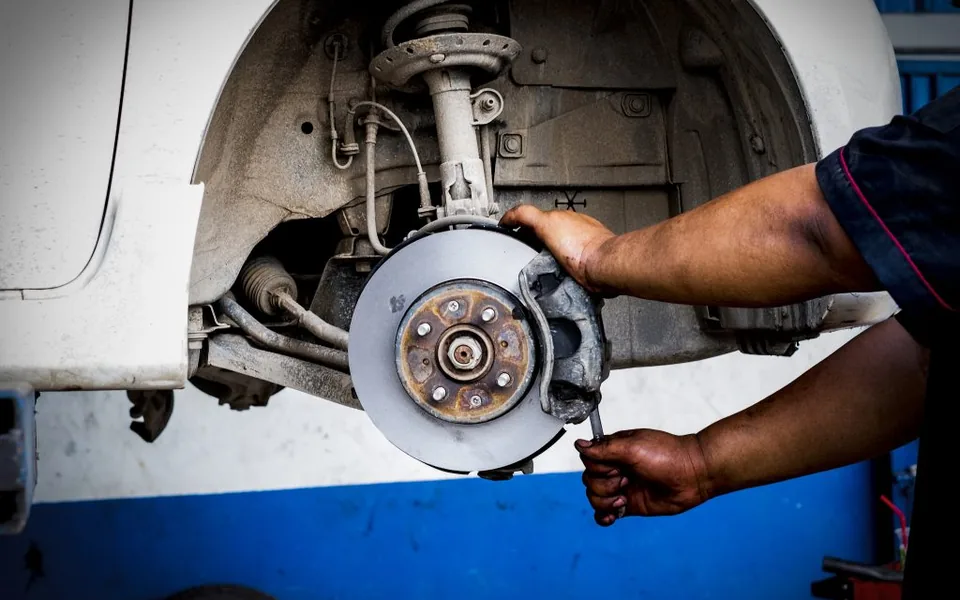
If you drive a truck or manage a fleet of trucks, you know that brake problems rarely happen at a good time. Brake problems usually happen on a hill in stop-and-go traffic or right when a light turns yellow. That is why the braking system is one of the important safety features on a heavy truck and why slack adjusters are very important.
Slack adjusters are parts with a big job. The staff maintains brake adjustments to ensure your vehicle maintains consistent stopping ability throughout your journey. When the system operates as intended, it provides users with consistent brake performance while maintaining equal braking power between wheels and reducing unexpected problems that occur during truck inspections. When the system fails to function properly, it leads to extended stopping times, while complete brake failure represents the most severe outcome.
Our team works with drivers and fleet operators who want straightforward answers. Continue reading for just what slack adjusters do, how they fit into the air brake system, the difference between manual and automatic styles, and what to watch for before a minor adjustment problem turns into a safety issue.
What A Slack Adjuster Does
A slack adjuster connects the brake chamber pushrod to the brake camshaft. Its main purpose is to keep an amount of space between the brake shoes and the drum. This space is important because the brakes wear down over time. As the brake linings wear down, the pushrod needs to move to apply the brakes. If that movement becomes too much, you can press the pedal. Feeling a delay before the brakes work on a loaded truck; that delay can mean a lot of feet before you stop.
Slack adjusters help prevent that by keeping the brakes adjusted. When the adjustment is right, the brakes apply quickly and evenly. The rest of the brake system is not forced to work too hard.
Where Slack Adjusters Fit In The Air Brake System
To understand slack adjusters, it helps to see what happens when you step on the brake pedal:
- Air pressure is sent to the brake chamber.
- The chamber pushes the pushrod outward.
- The pushrod moves the slack adjuster.
- The slack adjuster turns the camshaft.
- The camshaft forces the brake shoes into the drum, creating friction and slowing the wheel.
Slack adjusters function with components that determine brake positioning and equilibrium through their connections to drums, shoes, chambers, pushrods, and suspension parts. The suspension system reaches complete functionality when all components operate properly because any damage to the suspension system or loose hardware results in incorrect component alignment during truck operation. It needs both the slack adjuster and the brake system to operate properly because any deviation from correct installation will result in improper brake system operation.
Manual Vs. Automatic Slack Adjusters
Slack adjusters generally come in two types: manual and automatic. Both do the basic job, but they adjust the brakes differently.
Manual Slack Adjusters
Manual slack adjusters need to be adjusted by a technician. As the brakes wear down, someone has to check the pushrod movement and adjust the slack so the brakes stay within the range.
Manual units can work fine when the maintenance is done on time. They depend heavily on schedules, inspection quality, and correct technique. In life, trucks are driven on hard routes, routes change, and maintenance windows get tight. When manual adjusters are neglected, the brake performance usually gets worse gradually until it becomes a safety issue or a roadside problem.
Slack Adjusters
The automatic slack adjusters adjust themselves. The adjuster maintains pushrod movement control through its space adjustment process, which occurs during brake wear.
Automatic slack adjusters are popular because they deliver consistent braking performance and reduce the need for frequent manual adjustments. The system prevents one axle from becoming out of adjustment because it prevents one axle from becoming out of adjustment while its adjustment work requires more effort from the other axles.
The term “automatic” does not imply that complete maintenance requirements have been eliminated. The installation of automatic slack adjusters requires first testing their performance through proper inspection and lubrication practices, which should be done only when necessary.
How Automatic Slack Adjusters Self-Adjust
Automatic slack adjusters adjust based on movement and resistance. When the brakes are applied, and the mechanism detects that the movement is getting long, it adjusts the slack adjuster slightly to reduce the extra space.
Here’s a simple way to think about it: imagine a ratchet that only clicks forward when needed. It does not constantly tighten. It tightens a little at a time as the brakes wear down, keeping the system working.
A few important points that many drivers and newer technicians miss:
- Automatic slack adjusters typically adjust during brake applications with movement and force. Light, gentle braking may not trigger an adjustment in the way.
- If the components are worn out, stuck, misaligned, or not lubricated, the adjuster may not move freely enough to do its job.
- If the brakes are out of adjustment for another reason, an automatic slack adjuster cannot fix the problem.
Why Proper Slack Adjuster Function Matters So Much
When slack adjusters work correctly, they help deliver braking, predictable stopping distances, and even brake wear. When they do not work correctly, the problems often show up in ways that drivers feel first.
Here are the common results we see when the adjustment is off:
- Uneven braking from side to side or axle to axle, which can cause pulling or instability
- Longer stopping distances, especially when the truck is loaded
- Increased heat on the drums because one brake is doing too much work
- Higher risk of brake failure on hills or in repeated stops
- Chance of roadside violations due to excessive pushrod movement
One practical example: a fleet we worked with had repeated complaints of “soft pedal” and inconsistent stopping on a few trucks. The issue was not the air system pressure. It was an adjustment across axles and worn hardware that prevented consistent movement. Once the slack adjusters and related parts were corrected and the system was brought back into specification, the drivers immediately reported a more predictable pedal and fewer trailer brake complaints.
Signs A Slack Adjuster Is Failing Or Out Of Adjustment
Slack adjuster issues can look like brake problems, so it helps to look for patterns. If you notice one or more of the following, it is time to inspect the brake system closely:
- Increased brake pedal movement or a delay before the brakes engage
- Inconsistent brake feel from stop to stop
- Uneven braking or pulling during stops
- Longer stopping distances with a load
- New noises during braking, including grinding or scraping
- Evidence of brake wear across wheels or axles
Catching these issues early usually prevents bigger repairs. Ignoring them often leads to drums, damaged linings, worn camshafts and higher downtime.
What We Look For During Inspection
A brake inspection is more than just “does it stop”. Our team typically looks at the slack adjuster as part of the brake assembly. A slack adjuster can be in shape but still perform poorly if other components are worn out or incorrectly set up.
During inspections, we focus on a core set of checks:
- Pushrod movement and whether it is within specification for the chamber type
- Evidence of adjustment between wheels on the same axle
*. Worn clevis pins, bushings, or cam components
- Signs of limited movement in the linkage
- Proper lubrication and signs of corrosion or heat damage
For drivers doing pre-trip walkarounds, pay attention to changes in brake feel, air build-up behavior, and any wheel-end that seems hotter than the rest after normal braking. Those clues often show up before a failure.
Why High-Quality Slack Adjusters Pay Off For Fleets?
Fleet operators care about safety. They also care about uptime and cost per mile. Slack adjusters of high quality provide operators with dependable performance that lasts for extended periods while minimizing the need for repairs. The result of this process brings about customer returns while decreasing the time trucks spend out of service and cutting down their maintenance expenses throughout their operational period.
The system delivers uniform braking performance throughout all vehicles in the fleet. When drivers switch between different trucks, and they find the brake performance remains the same, this practice decreases the likelihood of brake issues caused by drivers who develop specific driving patterns.
Maintenance Practices That Stop Brake Issues From Happening
Brake failures do not occur instantly. They develop gradually through the process of hardware deterioration, which results from inadequate lubrication and inspection failures. A basic maintenance routine that technicians can easily repeat will eliminate most problems related to slack adjusters and brake adjustment.
- Keep inspections across the fleet, not just when a driver reports a problem.
- Check pushrod. Brake balance regularly, especially after brake work.
- Lubricate components on schedule and verify the adjuster is actually taking grease.
- Address worn linkage. Cam components can be early because they can block proper adjuster movement.
- Train drivers to report changes in travel pull, noise, or stopping distance right away.
Choose Superior Truck and Trailer Repair
Slack adjusters are not the most noticeable part of a truck, but they are one of the most important for keeping the braking consistent and safe. When they are maintained, the brake system responds faster, wears evenly, and is far less likely to surprise you on the road or during an inspection.
If you want our team at Superior Truck and Trailer Repair to inspect your brake system and verify the slack adjuster operation, as well as help you improve maintenance for fewer roadside issues, call us at (502) 789-6644 today!



