
How Wide is a Semi Truck? A Guide for New Drivers
Ever wondered how wide is a semi-truck? As a new driver, knowing the standard width of semi-trucks will do you a great deal of good. Knowing these dimensions keeps you safe on the road and…

Ever wondered how wide is a semi-truck? As a new driver, knowing the standard width of semi-trucks will do you a great deal of good. Knowing these dimensions keeps you safe on the road and ensures that you are on par with the law.
Why Semi Truck Width Matters
Safety while driving and following the letter of the law are some reasons why it is very important to learn the typical sizes and regulations pertinent to semi-trucks. Familiarizing yourself with these dimensions can prevent accidents caused by vehicles being too wide for certain roads.
Adhering to wide regulations helps avoid fines and penalties that come with non-compliance. Knowing your stuff will also ensure you can plan your routes effectively, avoiding restricted areas.
What You Will Learn in This Article
Herein, you will find:
- Average width of a semi-truck
- Maximum width restrictions
- Types of trailers and their widths
- State exceptions
- Weight factors
By the time you’re done reading, you will have a fair idea of how wide a semi-truck can be and why it would be important to you while driving.
Understanding The Standard Width of Semi-Truck Dimensions
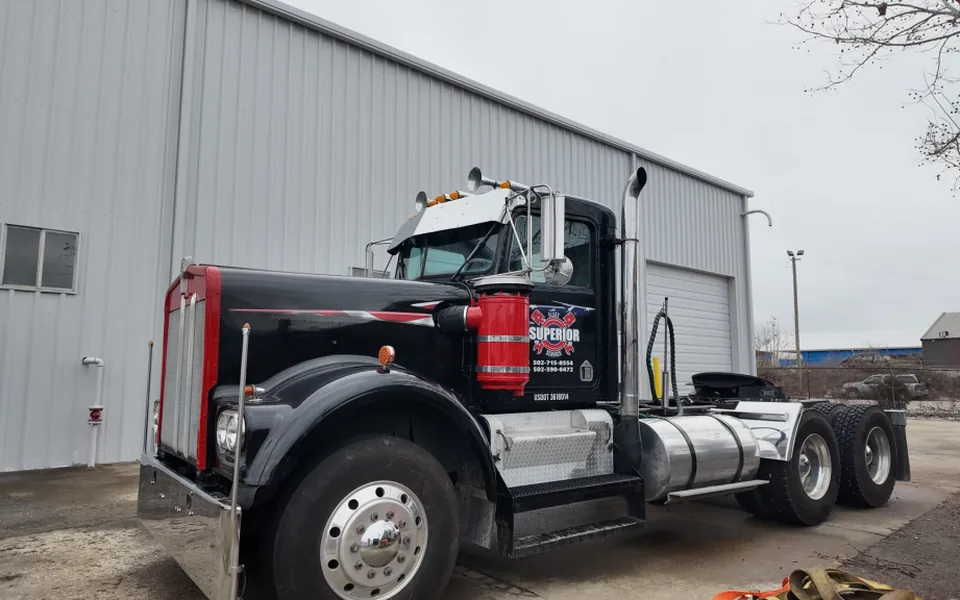
You will also want to know its standard width when driving a semi-truck. A standard width for a semi-truck is 8.5 feet or 102 inches. This allows for side mirrors, but no additional equipment that may protrude from the side.
Federal Highway Administration Regulations
The FHWA develops standards to ensure vehicles are safely compatible with highways. Among these, the FHWA states that the maximum width for most commercial trucks is 102 inches. These regulations enhance the possibility of trucks being safely accommodated on the highways and through tunnels. Knowledge of such regulations keeps you in compliance with the law and makes for safer routes.
Maximum Width Regulations
The maximum width a semi-truck is allowed to have is 102 inches. The Federal Highway Administration mandates this width to make sure trucks can pass through highways and tunnels safely. Of course, there are those instances when the cargo requires more than this width. For these, drivers are required to have special permits to make it possible to transport them.
Loads like these that require permits are termed oversized loads. Such permits allow trucks to carry items that are too wide but are subject to additional guidelines.
Special routes: Large trucks may be routed down specific roads.
Escort vehicles: Some states require cars to escort the truck.
Restricted times: The hours one can drive may be restricted. Knowing these regulations helps keep everybody on the road safe, and drivers don’t break any laws.
Widths Specific to Different Trailer Types
There are widths specific to each of the different types of trailers, which, in turn, will determine the general dimensions of your truck.
Let’s look at a few of the more common types:
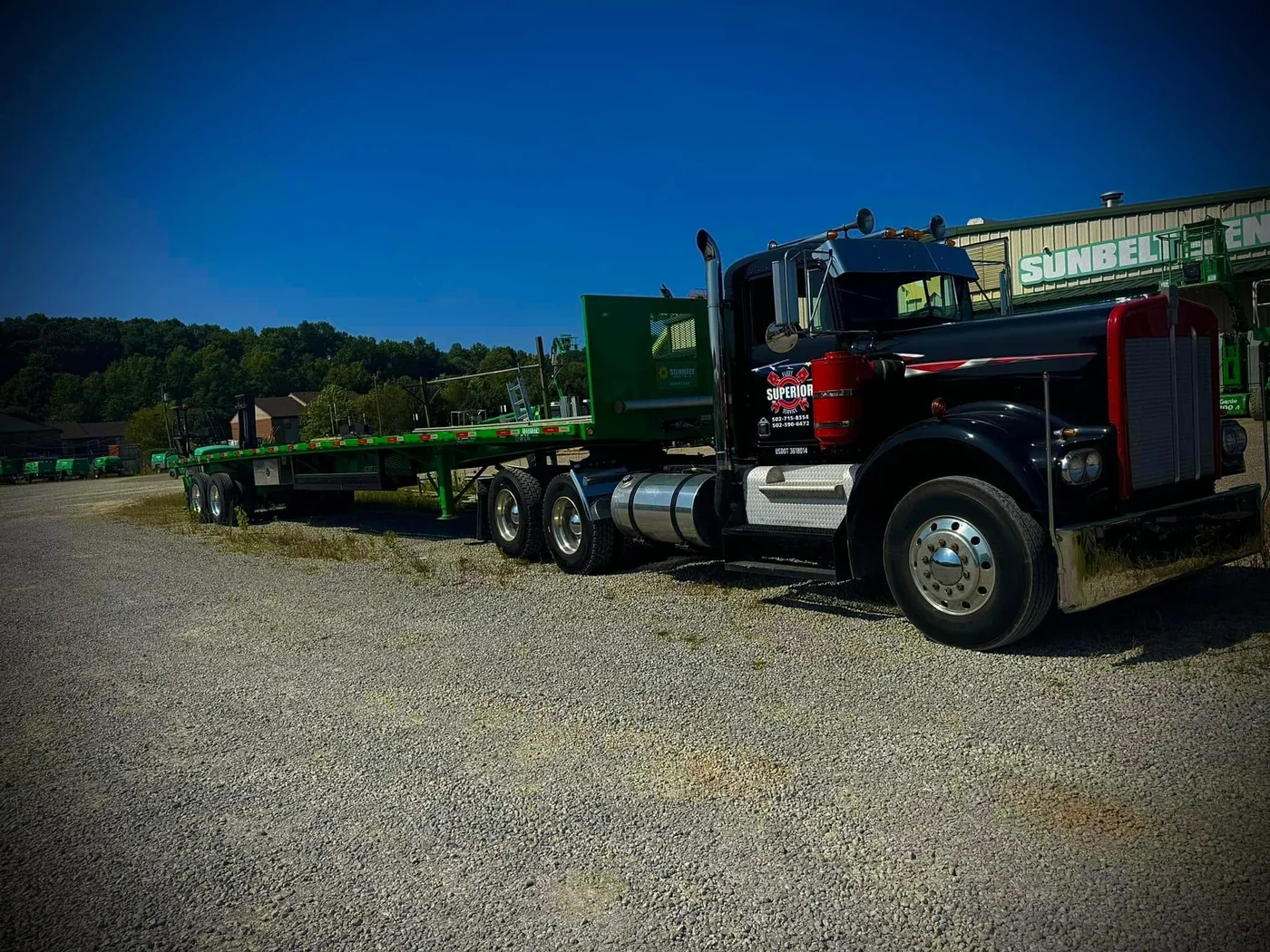
Flatbed Trailers: These are also normally 8.5 feet wide, that is 102 inches. Flatbeds carry cargoes on a flat surface, normally large or irregularly shaped loads.
Tanker Trailers: These also roughly measure about 8.5 feet in width. Tankers carry liquids, such as fuels and chemicals, whose rounded shape sometimes gives them an appearance of being wider.
Reefer Trailers: Known as refrigerated trailers, most are 8.5 feet wide. Reefers keep goods cold on the move-think ice cream or fresh produce!
Dry Van Trailers: These are the most common types of trailers around, usually used for transporting goods that don’t need refrigeration. They, too, run about 8.5 feet in width.
Intermodal Trailers: These are designed for ease of movement between trucks, ships, and trains. They usually follow the standard width of 8.5 feet, but at times, a little variation depending on the design specifications may be there.
Effect on Vehicle Dimensions
Knowing the exact width of the various types of trailers will also help in understanding how to maintain your vehicle’s overall dimensions:
Turning Radius: The wider the trailer, the more space it requires to make turns, especially tight ones.
Lane Management: Knowing your trailer width can be very instrumental in staying within lane markings and thus being safe.
Parking and Loading: Different widths might require different approaches in parking or loading/unloading your truck.
Keep these widths in mind to help make your journey smoother and safer.
State Regulations and Compliance with Semi-Truck Dimensions
Laws can often be very different regarding truck dimensions and weights. Truck drivers have to be very cautious with such rules to avoid fines or roadway mishaps. Some states have different regulations in terms of the width requirement for a semi-truck. Instead of the usual standard dimension of 8.5 feet or 102 inches wide, there could be some variation in a few states.
Special Consideration in Hawaii and Other States with Special Truck Dimension Laws
Because of its unique land geography, Hawaii has created some special truck size regulations. Generally, Hawaii’s roads are narrower and more tortuous compared to those in the mainland states. Trucks, therefore, have to undergo strict width and length standards to ensure that safety is adhered to.
Other states also have special rules, like California. This state often has stricter emissions laws, which at times may affect the weight of your truck. In New York, some areas have bridges and route planning might involve avoiding them. Knowing these local rules will help to keep everyone safe and keep your truck up to all legal standards.
Width in Semi-Trucks: Weight Regulations
Weight is a huge factor as far as the size and stability of a semi-truck go on the road. It brings us to the term Gross Vehicle Weight Rating, or GVWR. This is the maximum weight a truck will have on it and still be able to safely carry its own weight plus cargo and passengers.
Heavier trucks may be more stable but harder to control. A wider load impacts balance and maneuverability due to its distribution of weight. Understanding these elements will help keep your truck safe and compliant on the road.
Comply with Semi Truck Dimensions to Safely Drive on the Road
In simple words, “How wide is a semi-truck?” is a great question for any truck driver. It can save you from penalties as well as accidents that will occur because of being too wide or heavy. Always make sure that your truck is in compliance with federal and state requirements.
Choose Superior Truck & Trailer For Your Diesel Repair Needs
From much-needed diesel repairs to questions about compliance, call our team of experts at Superior Truck & Trailer Repair today! (502) 789-6644. Our staff of experienced mechanics will be glad to help with all your heavy-duty truck needs.