










Learn More About The Variations of 10 Speed Shifting
Mastering 10-speed shifting is a critical skill in the trucking industry. As professional drivers, your ability to handle gear transitions smoothly impacts both vehicle performance and…

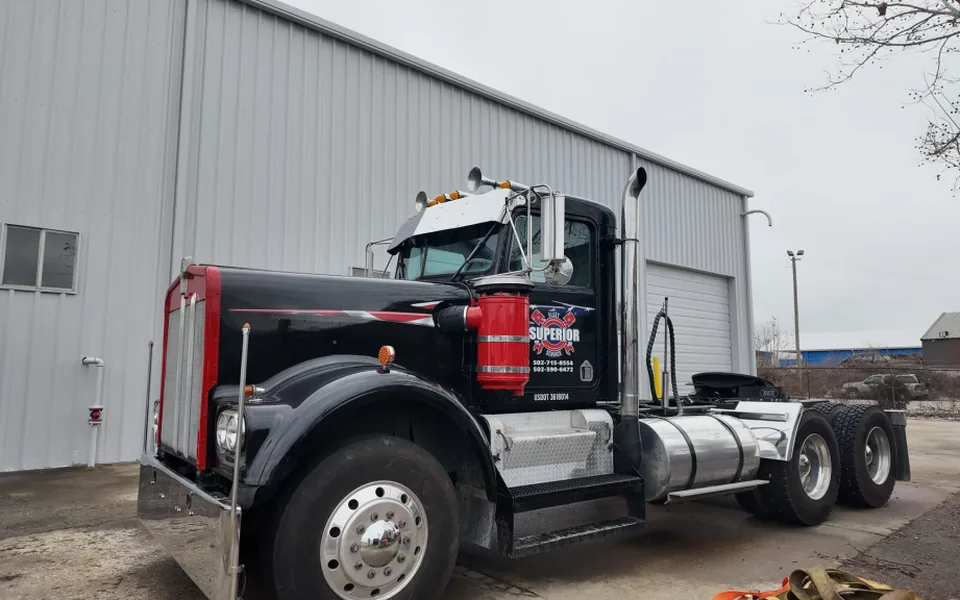
Mastering 10-speed shifting is a critical skill in the trucking industry. As professional drivers, your ability to handle gear transitions smoothly impacts both vehicle performance and driving efficiency.
Think of 10-speed shifting as an art form – one that requires precision, timing, and understanding of your truck’s mechanics. The beauty lies in its versatility, offering multiple techniques to achieve the same goal: seamless gear transitions.
Your journey to becoming a skilled truck driver includes mastering three key shifting variations:
- Double Clutching – The traditional method taught in CDL training
- Hybrid Shifting – A blend of conventional and advanced techniques
- Floating Gears – A clutchless approach for experienced drivers
These techniques aren’t just about moving from one gear to another – they’re about maximizing your truck’s performance, reducing wear and tear, and creating a smoother driving experience.
Understanding 10 Speed Shifting Methods
A 10-speed transmission system in trucks operates through a series of gears that allow drivers to maintain optimal engine performance across different driving conditions. The system consists of five main gears with a splitter that effectively doubles the gear options, creating ten distinct speed settings.
Key Components of 10-Speed Shifting:
- Main gearbox with five forward gears
- Splitter mechanism for high/low range selection
- Clutch brake system for stationary gear engagement
- Synchronized shifting patterns for smooth transitions
When stationary, truck drivers must fully engage the clutch to the floor to put the vehicle in gear. The clutch brake at the bottom requires a few seconds before allowing gear engagement – forcing the gear can damage the transmission system.
CDL Training Requirements
Mastering the correct shifting techniques is an essential component of CDL training programs. Aspiring drivers need to show their skill in timing gear changes accurately, understanding the RPM ranges for effective shifting, coordinating their hand and foot movements, and identifying the right moments to shift.
Common Challenges for New Drivers
New drivers often encounter several challenges when learning to operate 10-speed transmissions, including the need to coordinate clutch timing with gear selection, identify the optimal “sweet spot” for gear engagement, and maintain appropriate engine RPMs while shifting. They must also navigate different shifting patterns based on varying road conditions and adjust to the unique characteristics of different trucks’ transmissions.
Proper shifting technique requires practice and patience. Each truck may have slightly different shifting characteristics based on its make, model, and transmission condition. Understanding these variations helps drivers adapt their shifting style to different vehicles.
1. Double Clutching Technique
Double clutching is an essential shifting technique used in 10-speed transmissions. It requires precise coordination between your left foot and right hand. Unlike standard shifting, this method involves engaging the clutch twice during each gear change.
Here’s how to upshift using double clutching:
- Push the clutch pedal while moving the shifter to neutral
- Release the clutch pedal
- Push the clutch pedal again
- Move the shifter to the desired gear
- Release the clutch pedal
For downshifting, there’s an extra step involved:
- Push the clutch pedal while moving the shifter to neutral
- Release the clutch pedal
- Rev the engine
- Push the clutch pedal
- Move the shifter to the desired gear
- Release the clutch pedal
The key to mastering double clutching lies in synchronizing your movements. Your left foot (operating the clutch) and right hand (controlling the shifter) need to work simultaneously during each phase of the shift. While it might seem complex at first, many drivers develop a natural rhythm with practice.
With trucks, there’s a unique aspect of double clutching involving the clutch brake at the floor of the pedal. If the truck is standing still, you will need to press the clutch to the floor and then wait a few seconds before the gear engages. This hesitation is normal if the clutch brake requires adjustment.
2. Hybrid Shifting Method
Hybrid shifting serves as a perfect stepping stone between double clutching and floating gears. This intermediate technique combines elements from both methods, making it an excellent choice for drivers looking to advance their shifting skills.
Here’s how hybrid shifting works:
- Push the clutch pedal and move the shifter to neutral simultaneously
- Release the clutch pedal
- Move the shifter into the desired gear without using the clutch
The beauty of hybrid shifting lies in its simplified approach. You will only use the clutch once for every gear change, whereas with double clutching, you’re going to use the clutch twice. There are quite a few advantages to reduced clutch usage: less wear and tear on the transmission, smoother gear changes, less driver fatigue, and better fuel efficiency.
Note: Advanced shifting technique should not be used for your CDL skills test. You will want to save this for after you get your license and a little experience under your belt with regular double clutching.
When learning hybrid shifting, be sure to practice with a professional trainer who will guide you through the proper timing and feeling of the transmission. The key to this method is in the proper timing of when to let go of the clutch and then smoothly engage the next gear without forcing the shift.
3. Floating Gears Technique
Floating gears represent the pinnacle of shifting expertise – a method where you shift without using the clutch at all. This technique extends clutch life and creates smoother gear transitions when executed properly.
Here’s how to master the floating gears technique:
1. Apply Initial Pressure
- Place light pressure on the shifter in your intended direction
- This signals the transmission you’re ready to change gears
2. The Shifting Process
- Release the fuel pedal while maintaining shifter pressure
- Move the shifter into the desired gear simultaneously
- Time these movements precisely for smooth transitions
Direction-Specific Steps:
- Third to Fourth: Apply forward pressure, release fuel, push shifter
- Fourth to Fifth: Light pressure on shifter front, release gas, complete shift
- Fifth to Sixth: Forward pressure, release fuel, shift smoothly
When Missing a Shift:
- Find the “wall” associated with your target gear
- Position the shifter at the gate opening
- Apply appropriate engine RPM
- Let the gear engage naturally
This advanced technique demands practice and precise timing. While floating gears offer significant benefits, we recommend mastering double clutching and hybrid shifting before attempting this method. Remember – avoid floating gears during CDL skills tests; save this practice for post-graduation with your trainer’s guidance.
Common Mistakes and How to Avoid Them During 10 Speed Shifts
Missing shifts is a common challenge you might face while operating a 10-speed transmission. Here’s what happens: when you shift too slowly, the RPM needle drops below the optimal range, making it difficult to engage the desired gear smoothly.
If you happen to miss a gear shift, there’s no need to panic! First, identify the “wall” linked to your desired gear. Then, position the shifter gently at the entrance of the gear gate while ensuring the truck receives adequate acceleration, aiming for an RPM between 10 and 15. This should allow the gear to engage smoothly.
To prevent shifting problems, ensure that your shift timing is consistent and monitor your RPM gauge to avoid letting it drop too low. It’s also helpful to apply gentle pressure on the shifter during gear engagement and to focus on making smooth, intentional movements rather than rushing through the shifts.
Remember: If you find yourself in a situation where the gear won’t engage, stay calm and follow these steps. Your transmission will respond better to controlled, methodical actions rather than forceful attempts to jam it into gear.
Practical Tips for Successfully Mastering Different Variations of 10 Speed Shifting Techniques
Mastering 10-speed shifting necessitates focused practice and expert advice. Start by honing your double clutching technique, making it a second-nature skill. This foundational method will set you up for more advanced shifting. It’s also essential to coordinate your hand and foot movements; ensure your left foot operates the clutch while your right-hand shifts gears simultaneously, as synchronization is crucial for optimal gear transitions.
Additionally, mastering RPM control is vital. Familiarize yourself with your engine’s RPM gauge to identify the ideal range for upshifting, which typically occurs between 10-15 RPM. Begin your training with double clutching, then progress to hybrid shifting, and finally, float gears as your confidence and skills grow.
Furthermore, having a solid understanding of your truck’s mechanics allows you to recognize proper shifting points, feel when the transmission is ready to change gears, and identify any potential mechanical issues, ultimately leading to smoother transitions between gears.
Remember to practice these techniques with your trainer after obtaining your CDL license, as some testing facilities may require specific shifting methods during the examination.
Choose Superior Truck and Trailer Repair
Mastering 10-speed shifting techniques – from double clutching to floating gears – takes dedication and practice. Your career as a truck driver is one of learning, where each mile driven is an opportunity to hone your craft. At Superior Truck and Trailer Repair, we’re dedicated to seeing you succeed in the world of trucking. From mechanical adjustments for smoother shifting to expert consultation on transmission maintenance, our team is here to assist.
Let’s work together to keep your truck running smoothly and sharpen your shifting skills!



