










My Semi Truck Carries A Lot – Do I Really Need To Know Its Payload Capacity?
Ever wondered if your semi truck can take on one more load? You are not the only one. Every day, thousands of truckers ask themselves this question when loading for cross-country hauls or…

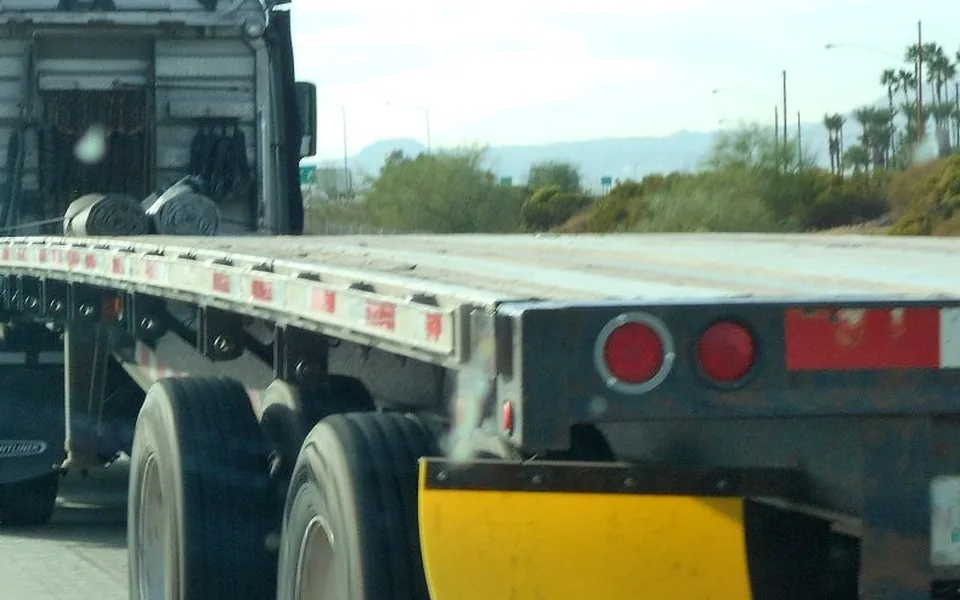
Ever wondered if your semi truck can take on one more load? You are not the only one. Every day, thousands of truckers ask themselves this question when loading for cross-country hauls or preparing for delivery runs down the street.
Here is what happens: A long-haul trip is in the works, and the thought of pushing the envelope on cargo loads is tempting. The urge to add “a bit more” is quite real. Know this. But, let’s face it, the semi truck’s payload capacity is not merely an afterthought; it is a vital safety matter that you ought to put some thought into.
Pay this much attention to your truck: payload capacity is like its personal weight limit- the maximum weight your vehicle can safely carry. Your semi-truck may look all-mighty enough for any load, but presuming it can take anything thrown its way can lead to grievous consequences.
It is a perilous line of thought to assume that if it fits in a semi, it is good to go regardless of size. Particular weight limits have been designed for your semi truck and knowing the limits is important for your safety, performance of the truck, and also the success of your business.
Understanding Payload Capacity in Semi Trucks
The payload capacity of your semi truck is one crucial measurement by which safe hauling limits are established. This essential number tells you the maximum weight your truck can safely transport, including:
- All passengers in the cab
- Every piece of cargo you’re hauling
- Additional equipment and accessories
- Fuel weight
- Tools and supplies
Think of payload capacity as your truck’s “carrying strength.” It’s calculated by subtracting the truck’s empty weight from its Gross Vehicle Weight Rating (GVWR). The GVWR is the maximum total weight your truck can handle, including the vehicle itself.
Here’s a simple breakdown:
Payload Capacity = GVWR – Empty Truck Weight
The GVWR takes into account:
- Frame strength
- Axle capacity
- Suspension capabilities
- Brake system limits
- Tire load ratings
The payload capacity of a truck is never a recommendation. Rather, it has strict minutiae in the engineering specifications. Each parameter of the semi truck has been designed with the balance of loading. It definitely tells that when loading the truck, one should keep in mind that even small items count as precious. Adding that toolbox, parts simply, and personal effects add to that weight altogether.
Safety Hazards In Loading Your Semi Truck Too Much
Serious safety hazards and warnings are associated in loading your semi truck too much and the risks should not be ignored. Negatively affected will be the way a truck handles itself as you keep increasing its weight beyond the stated limits.
This is how an over-loaded truck behaves:
It raises the center of gravity of the truck, dangerously rendering it unstable, and rolling over would be the proper punishment for it. Steering control was reduced significantly due to lag. The braking distance of the vehicle would be increased by several hundred meters; you will need a wider time and distance to stop it. The stress on tires gets magnified, which increases the probability of serious blowouts. Suspension components are overall stressed, which might lead to their sudden failure.
Imagine navigating through a tight corner with a loaded trailer – the weight forces against your natural steering path, making it hard to maneuver. Your brakes have an extra load on them, controlling the added mass when you need them to be most efficient.
So, safety risks do not just apply to your truck. Other drivers on the road are likely interested in the way a driver maintains control of the vehicle. A semi-truck that is overloaded becomes a risk to everyone within and outside it, especially when an emergency arises that would require instant reactions and reliable responses from the vehicle.
There are harsh realities about the physics of truck safety: every pound over your payload capacity multiplies these risks. A fully loaded truck operating within its designed limits handles predictably and safely; however, it has an unpredictable touch and dangerous reactions when there is overload.
Vehicle Performance and Longevity Effects
The excess on your semi truck payload limit tends to directly affect its performance. Think of your truck’s critical systems as a well-coordinated team – each part needs to function within its intended limits for the best performance.
Here’s what happens under excessive strain:
- Transmission stress – Heavy loads force your transmission to work harder, leading to increased heat and potential gear damage
- Brake system deterioration – The added weight puts extra pressure on brake components, causing faster wear and reduced stopping power
- Suspension system fatigue – Constant overloading can compress and weaken springs, shock absorbers, and other suspension parts
Ignoring payload limits has a significant financial impact. Regularly overloading creates a cycle of increased maintenance needs and frequent diesel repair services. What may start as minor wear can escalate into major mechanical failures.
Smart loading practices pay off:
Better fuel efficiency with appropriate load weights reduces strain on engine components, leading to an extended lifespan of vital truck systems. These smart loading practices result in lower maintenance costs over time.
Your semi truck is a valuable investment. Following payload guidelines helps keep it performing at its best and prevents unnecessary wear. When your truck operates within its designed capacity, regular maintenance checks become easier to manage, saving you time and money on repairs.
Legal Consequences of Ignoring Payload Limits
Staying within legal weight limits isn’t just a suggestion – it’s the law. Each state enforces strict regulations on vehicle weights for public roads to maintain infrastructure and ensure safety. The Federal Bridge Formula sets standard weight limits:
- Maximum gross vehicle weight: 80,000 pounds
- Single axle weight limit: 20,000 pounds
- Tandem axle weight limit: 34,000 pounds
Breaking these regulations comes with serious consequences:
- Hefty Fines: Penalties can range from hundreds to thousands of dollars, scaling with the amount of weight violation
- Points on Your CDL: Weight violations add points to your commercial driver’s license
- Potential License Suspension: Repeated violations risk temporary or permanent license suspension
- Increased Insurance Rates: Weight violations on your record lead to higher insurance premiums
- Cargo Offloading Requirements: You may require some offloading of excess cargo before resuming the trip.
Weigh stations and roadside inspections help authorities with enforcement. Smart truckers keep records of their loads and know the exact capacity of their trucks. This knowledge is helpful in planning routes with consideration to weigh stations and restrictions for certain roads or bridges.
Your truck’s payload capacity isn’t just a number described in your manual-it is the very roadmap for complying with the law and exercising good judgment on the roadway.
Practical Tips for Managing Your Truck’s Payload Capacity
Smart cargo management starts with accurate weight estimation. Here’s what you can do to maintain safe loading practices:
Pre-Loading Weight Assessment
- Use certified scales for precise cargo weight measurements
- Keep detailed records of common load weights
- Account for all equipment and passenger weight
Strategic Weight Distribution
- Place heavier items toward the front of the trailer
- Spread weight evenly across both sides
- Secure all cargo properly to prevent shifting
Regular Maintenance Checks
- Inspect tire pressure and wear patterns weekly
- Monitor brake performance and responsiveness
- Check suspension components for signs of stress
- Look for uneven wear on steering components
These practices help maintain optimal vehicle handling and prevent unexpected mechanical issues. Load balance has a great deal of an impact on driving comfort and stress application to the closely related components and systems of the truck, which originates from the fact that heavy loads are concentrated, composing one without throw.
Also, note any variations in truck performance during such heavy loads with and without load; this information helps in getting an overview of periodic maintenance checks that are due before they become critical.
Superior Truck and Trailer Repair Service Covers All Your Trucking Needs
Your semi truck payload needs premium attention and care. Our experts at Superior Truck and Trailer Repair can help. Consider us your partner in keeping your truck operation safe, compliant, and efficient.
Our comprehensive service lineup includes:
- Professional Diesel Repair Services – Expert diagnostics and repairs for all diesel engine issues
- 24/7 Mobile Service – We bring our expertise directly to your location
- Roadside Assistance – Immediate help when you need it most
- Flexible Towing Solutions – Light to medium-duty towing capabilities, with heavy-duty options through our trusted network
We do understand that distance should not be a barrier to reaching quality service. We would come to anywhere you want us-i.e., there’s no distance that our team wouldn’t be able to reach. The safety and performance of your truck are our top priority, supported by our well-trained technicians and state-of-the-art equipment.
It does not matter if you need payload service or just routine maintenance; we are here for you. This is a reputation we have built by being true to our promise of bringing reliable, speedy, and professional service that keeps your semi truck running at its best.
Choose Superior Truck and Trailer Repair
So, knowing its payload is not recommended; it is an obligation for responsible truck operation. Each additional load compromises stability and lowers braking distance and handling. Keeping loads within recommended weight limits facilitates the driver in control of safe handling and aids in better stability on the road. It keeps the vehicle running in the optimum condition and reduces the risk of costly repairs and premature wear due to excessive strain.
Compliance with these guidelines means compliance with legal weight limits and avoidance of fines or other legal troubles. The most important protection payload limit is a valuable investment, which will make the cost of your semi truck affordable and live longer period while maintaining its value over time.
Your truck can be made to serve you for many years with good loading practices and preventive maintenance. Superior Truck and Trailer Repair stands ready to assist you in operating your truck safely and profitably. Our team will provide you with sound advice on payload without any lifting delay, whether you require it today or not.
Need professional support for your semi truck? Call us at (502) 789-6644. Our 24/7 service ensures you’re never alone on the road, with comprehensive solutions from diesel repair to roadside assistance – anywhere, anytime.



