










Snow Chains on Your Semi Truck – How To Install
Winter brings its own set of challenges for semi-truck drivers negotiating snowy roads. Your truck’s performance and safety depend largely on keeping good traction in such demanding…

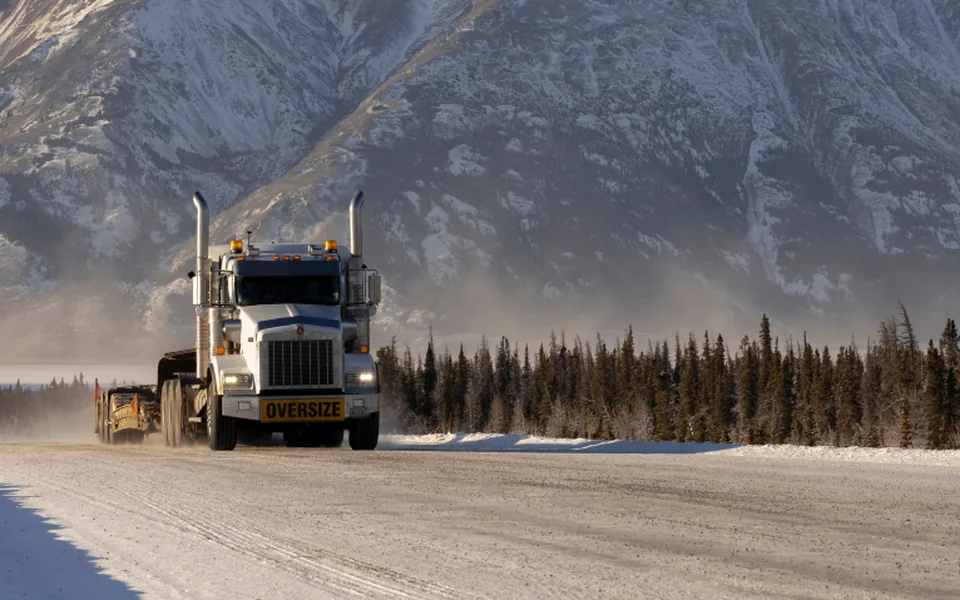
Winter brings its own set of challenges for semi-truck drivers negotiating snowy roads. Your truck’s performance and safety depend largely on keeping good traction in such demanding conditions. That’s where the snow chains become the vital companion for your drive during winter.
At first, installing snow chains may seem like a big task, but proper knowledge of the process and technique makes it quite easy. Whether you are an experienced driver or new to mountain routes, proper chain installation can literally be the difference between a safe passage and a harrowing experience.
Professional Snow Chain Selection
Professional truckers use triple snow chains when driving in the mountains during the winter. Extremely heavy-duty, these triple snow chains have three rows of chain links that completely encompass your dual tires, ensuring you get the best grip and stability on those tough roads.
Triple chains, particularly those manufactured for logging applications, have extra cleats welded directly to the links. These heavy-duty cleats bite into snow and ice, giving excellent traction that’s imperative to pass through mountain grades safely.
Traction is crucial as it prevents wheel spin on icy surfaces, helps maintain directional control in deep snow, reduces the possibility of jackknifing, and permits steady climbing on steep grades. The right snow chains can make a big difference between a safe trip and a dangerous situation. For those drivers who often drive on mountain routes, it’s not just a matter of legality to invest in high-quality triple chains, but rather really keeping one safe and in control over your truck in tough winter conditions.
Pre-Installation Safety and Preparation
Safety first is a must when putting snow chains on your semi truck. The process we will outline for you today will require a 12-ton hydraulic jack, tire blocks, bungee straps or cargo cords, and a tire hook (optional but recommended). A tire hook is very handy to tighten chains without going under the truck. You can use it to pull chains to an accessible location, keeping you safe.
When preparing for installation, block your tires front and rear to prevent rolling, take the brakes off completely, dump the air suspension, and clear a good working area around your truck. Choose a level, firm surface with adequate lighting, keep the area around your truck clear of obstructions, position yourself away from traffic, and create sufficient space to walk around the truck freely.
These safety precautions are not just recommendations; they are a must to take! Proper blocking of the wheels is significant since inadequate blocking has resulted in fatal accidents when trucks have rolled back onto drivers during the installation of chains.
Step-by-Step Guide on How to Install Snow Chains on Your Semi Truck
Let’s go through the installation process of triple snow chains on your semi truck. Here is your step-by-step guide:
Position the Chains
Fold the back side of the chain over to the front and place it down between the tires. Flop the far side over to create proper positioning, making sure the cleats face up for proper snow grip.
Center and Align
Stretch the chains out over both dual tires and make sure each row of bars has even spacing. Ensure that the cleats point up and adjust the spacing between bar rows for maximum coverage.
Hook Up the Rails
Connect the outside rail first, followed by the inside rail. Wait until last to connect the center link. Roll the tire until you find the position of the center link, then connect it when the outside and inside are on.
Tighten and Adjust
Rotate the tire to balance everything and re-check cleat placement. Tighten the chains equally around the tire, getting more links if needed for proper tension. Use the adjusting link on the outside of the tire and tighten it down completely.
Secure and Test
Install bungee straps or cargo cords for added security and tighten down loose ends to keep from flapping in the wind. Re-inflate the airbags, remove tire blocks, and set your brakes.
Pro Tips for Chain Installation
Use a tire hook to reconfigure chains without crawling under the truck. Roll ahead a couple of hundred yards after the initial installation to check tension. Observe chain movement during your first quarter mile and keep chains snug to prevent damage to tires, fenders, or trailer components.
Time-Saving Hack
This installation method eliminates multiple stops for re-tightening. Traditional methods require initial installation, 200-yard check, quarter-mile adjustment, and multiple re-tightenings. Do this and tension them properly at first. You’ll save time, and your chains will remain in place for the length of your trip.
Common Mistakes to Avoid While Installing Snow Chains
Improperly installed snow chains can pose some very serious safety issues while on your winter hauls. A correctly installed chain will be snug up against your tire with minimal movement, but loose chains will cause damage to your tires, fenders, and trailer struts. The cleats must face up to give a good grip on the snow, as reversed cleats may dig into your tires, which can prove to be expensive.
Never install chains without blocking your tires properly. This seemingly simple has resulted in some serious injuries as trucks can roll in unexpected ways. Use a tire hook to adjust chains from a safe position rather than crawl under your truck when not necessary. The chains should be spaced evenly around the whole tire, as uneven distribution creates unsafe traction imbalances and speeds up wear on the chains.
Chains always naturally loosen up somewhat as you drive. However, the very important step of stopping to re-tighten the chains after having driven a couple of hundred yards is often missed by many drivers. A simple safety check on your chain installation will help you avoid expensive repairs and ensure you have a safe mountain road passage.
Snow Chains: Maintenance and Removal for Longevity and Safety
Snow chain removal is as important as installation. To safely remove your chains, raise your truck with a hydraulic jack to allow easy access to roll the tires and take off chains without strain. Block your tires and release the brakes before starting, then drop the air suspension for added safety. Roll the tires so that the chain links fall into position precisely where you want them.
After driving, conduct a thorough inspection by looking for broken or damaged links on chains and signs of abnormal wear patterns, as well as inspecting tire surfaces contacted by chains. Clean the chains thoroughly before storing them. A quick check after use can help catch problems early. Keep your chains in a dry place after cleaning to help keep them from rusting and extend their life. Don’t forget to check your tire pressure and look for any marks or indentations that might show the chains were too tight when used.
Choose Superior Truck and Trailer
Snow chain installation is an important skill for any truck driver venturing onto winter roads. Practicing these techniques could make all the difference between a safe trip and a dangerous one.
We’re here to help with your winter driving needs! Our team here at Superior Truck and Trailer Repair offers 24/7 roadside assistance, expert diesel repair services, and professional guidance for winter safety equipment.
Need help with your snow chains or other winter preparations? Call us at 502-789-6644. Whether you are stuck on the side of the road or just doing some planning, our experienced technicians are here to help you stay safe during these tough winter conditions. Your safety is our concern; let’s work together to keep those wheels turning safely through the snow.



