










Understanding SCR Systems: The Key to Efficient Semi Truck Performance
If you are managing a fleet or driving a semi truck, you almost certainly know that keeping emission standards in line is not merely a matter of following the rules-it is, in fact, a…

If you are managing a fleet or driving a semi truck, you almost certainly know that keeping emission standards in line is not merely a matter of following the rules-it is, in fact, a performance optimization and way to protect your investment. More modern diesel engines have to operate under strict environmental conditions, and that is where emission control technologies come into play.
Selective catalytic reduction (SCR) is one of the most useful systems available in your truck to reduce harmful emissions. This technology has changed diesel engine production and has been a part of trucks since 2010. It allows them to run cleaner without a loss of power or efficiency-these are the two factors that are very important for your future operations to be hassle-free.
A person dealing with semi-truck performance and maintenance should make sure they know the SCR systems and how they work. This new technology not only helps you to stay within the EPA emissions limits but also enhances the performance of your engine. SCR systems are designed to specifically get rid of nitrogen oxides (NOx) from the exhaust coming out of your engine. That way, the engine runs at higher temperatures more efficiently. That being said, the advantage is double: better fuel economy and more power generated.
As far as diesel repair is concerned, SCR maintenance has become a necessary service. Whether you are doing regular maintenance or troubleshooting the system, understanding your SCR system operation will help you avoid costly downtime and guarantee that your trucks are always providing their best performance. Continue reading to delve deeper into the working of this system and its importance to your business.
Understanding the SCR System
The SCR system, which means selective catalytic reduction, has been a revolutionary technology for newer model semi-trucks since its introduction in 2010. This system was developed when the manufacturers were looking for creative approaches to satisfy the stringent emission standards without sacrificing engine performance.
How the SCR System Operates
The main goal of the SCR system is to eliminate one of the most difficult byproducts of diesel engines, nitrogen oxides, or NOx. The SCR system reduces such NOx emissions in the exhaust of the truck, converting them into non-toxic substances before they are released.
The Importance of SCR Catalyst Unit
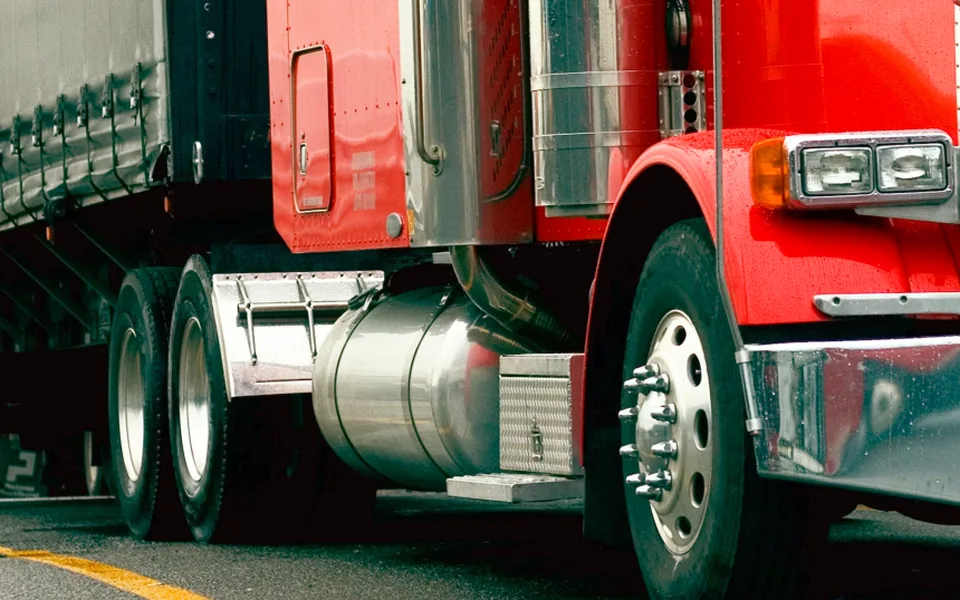
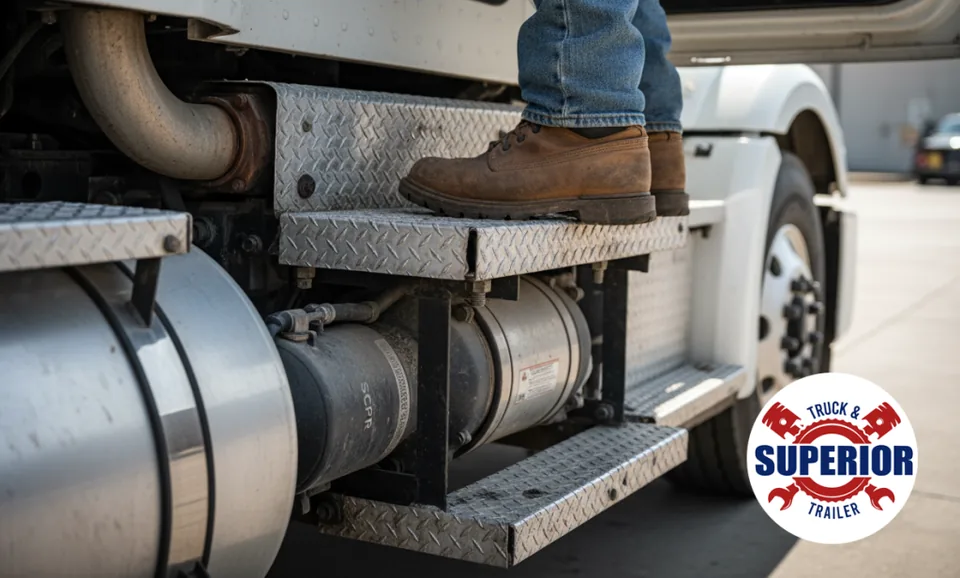
The SCR catalyst unit is the main component of this system; it looks almost like a muffler in the exhaust system of the truck. Just think of it as a specially designed chamber where the reaction takes place. As the exhaust gas moves through the catalyst unit, it really sets the stage for the occurrence of a chemical reaction. The catalyst itself is made up of the noble metals that help the molecules of NOx to be split.
Selective Reduction with Precision Targeting
What makes the system “selective” is the fact that it manages to be highly precise in the targeting of the NOx while leaving the rest of the exhaust components mostly unaffected. The SCR catalyst unit is located in such a manner that it is in the exhaust system, where it can interact with the treatment agent that is used to make the diesel truck emissions cleaner and more eco-friendly to the maximum extent.
How the SCR System Works
The SCR system operation relies on a precise chemical reaction that happens right in your exhaust stream. Here’s what’s happening under your truck every time you’re on the road:
DEF (diesel exhaust fluid) – that blue-capped fluid you see at truck stops – gets injected directly into the SCR catalyst unit.
This catalyst looks similar to a muffler, but it’s engineered specifically for diesel repair and emission control.
When your exhaust gases flow through this unit, the DEF injection system introduces the fluid at exactly the right moment.
The magic happens when DEF meets those hot exhaust gases. The fluid contains urea, which breaks down in the heat and reacts with the nitrogen oxides (NOx) in your exhaust. This NOx conversion process is actually quite elegant:
- The DEF vaporizes in the high-temperature exhaust stream
- The urea in DEF breaks down into ammonia
- This ammonia reacts with the NOx molecules
- The chemical reaction transforms harmful NOx into three harmless substances: nitrogen, water vapor, and carbon dioxide
Keeping your DEF tank properly filled is non-negotiable. Your truck’s computer constantly monitors DEF levels because this system can’t function without it. Run out of DEF, and you’re looking at serious consequences – your truck will enter limp mode, restricting your speed to just 5 miles per hour. That blue cap on your DEF tank isn’t just decorative; it’s your reminder to check levels regularly and keep your SCR system performing at its best.
Benefits of Using an SCR System in Semi Trucks
The SCR system brings significant advantages to your semi truck’s operation, transforming how your diesel engine performs on the road. Understanding SCR systems: the key to efficient semi truck performance lies in recognizing these tangible benefits.
1. Enhanced Engine Efficiency Through Higher Operating Temperatures
When the system for selective catalytic reduction (SCR) in your car is aimed at NOx emissions, your motor can work at levels that are significantly higher, as these are the temperatures where the engine naturally performs best. Without the Selective Catalytic Reduction (SCR) system, engines would be required to operate at lower temperatures to cut down the emission of nitrogen oxides, thereby sacrificing their thermal efficiency. However, SCR technology opens up the door for diesel engines to work at the point where they produce the least harmful byproducts and are the most efficient in terms of energy production.
2. Greater Output and More Economical Diesel Engine
The SCR system is the direct cause of the main performance upgrade of your truck due to its reduction in the need for EGR (Exhaust Gas Recirculation). EGR systems have the opposite effect, i.e., in addition to lowering the engine temperature, they keep less oxygen available for the combustion of fuel as the redirected exhaust gases are mixed with the engine intake. SCR reduces nitrogen oxides (NOx) emissions, allowing more fresh air in and the following:
- More power for the transportation of heavy goods
- Faster throttle response for when you need to accelerate
- Better fuel efficiency, which means more savings for every mile
3. Environmental Impact and Emissions Reduction
By SCR, the system gets rid of polluted exhaust by converting the offending nitrogen oxides into nitrogen, water, and carbon dioxide-all harmless compounds. The chemical reaction gives your truck the capability of meeting the most stringent emission requirements with no power loss, protecting the environment as well as your mobility across borders.
Normal Problems with SCR Systems and Maintenance Guidelines
SCR technology has its drawbacks, but the benefits it brings are astonishing. However, you should always be on the lookout for possible problems that can affect the performance of your truck. Being aware of these difficulties will allow you to avoid unplanned stoppages and costly repair bills for your truck.
1. Cold Weather Complications
Winter presents unique challenges for SCR system maintenance. DEF gets to a solid state, and this process occurs at low temperatures, leading to clogging of the injector system. The solid deposits formed hinder the flow of DEF into the catalytic converter, and so your SCR unit will not operate properly. The warning lights on your dashboard will be an indication of this scenario, signaling the need for urgent care.
2. The DEF Depletion Dilemma
The depletion of DEF is a major hiccup in the flow of your operation. The case is that your truck goes into limping mode, meaning the maximum speed you could go would be 5 miles per hour, which is kind of a total blockade until the issue is fixed. It is not just a little inconvenience but a full-blown shutdown of operation that can take away your time and money as a cost. The system puts these limitations in place in order to comply with emission regulations; you will have to tackle the problem straight away.
3. Contamination Concerns
Another frequent issue demanding SCR system maintenance comes from waste matter in your DEF storage tank. Impurities become the injector, which hinders the cutting down of emissions by the system. The presence of a warning symbol on your dashboard will alert you-this is a definite sign that your SCR system requires expert care. Regularly cleaning and filling your DEF tank will not only save you from the high repair costs but also keep your truck in good running condition on the road.
The Role of Professional Diesel Repair Services in Maintaining SCR Systems
In case your SCR system indicates warnings or your vehicle goes into a reduced-performance mode, then you will require diesel repair services that are well-acquainted with the intricate modern emission control systems. Proficient diagnosis can be the point of turnaround between a rapid remedy and a prolonged outage that incurs costs and disrupts your business.
The professional semi truck repair technicians are equipped with the appropriate tools and have the necessary expertise to accurately identify the SCR problems. The technicians are capable of determining the problem’s root cause and whether it is due to a DEF injector being polluted, a sensor failure, or an intricate issue with the catalyst. This precise recognition not only spares you from having to replace still-functional parts but also facilitates the rapid return of your truck to the road.
We at Superior Truck and Trailer Repair demonstrates how comprehensive diesel repair services support fleet reliability. Their approach to SCR system maintenance includes:
24/7 roadside assistance – When DEF-related issues strike at inconvenient times, their team responds immediately to minimize your downtime
Mobile service capabilities – Technicians come to your location, regardless of distance, bringing the repair shop to you
In-shop diagnostics and repairs – Advanced equipment for thorough SCR system analysis and component replacement
Emergency towing services – For light and medium-duty trucks, with heavy-duty towing facilitated through trusted industry partners
The presence of 24/7 support means that you are never left alone with an SCR failure. If you are facing the problem of crystallized DEF in the winter or a sudden injector failure during a long haul, you can still count on the experts to keep your truck running smoothly and at its best.
Choose Superior Truck and Trailer Repair
Understanding SCR systems and their importance for your fleet is crucial for the proper operation of the semi trucks. The SCR system of your truck is not only meant for regulations compliance but also for the overall production of power, fuel economy, and reliability during each trip.
In cases where DEF injectors get crystallized or impurity is a factor in activating limp mode, it’s mandatory to call a professional diesel service team that understands the situation’s urgency. Our pros at Superior Truck and Trailer Repair give expert diagnostics and complete maintenance solutions for your truck’s best operation. The skilled crew will be right beside you as you deal with SCR issues, perform routine maintenance, or cope with unexpected breakdowns.
Should you need urgent assistance with your SCR system or for any other diesel repair, contact us at Superior Truck and Trailer Repair at (502) 789-6644 and get prompt and reliable service that will keep your fleet on the road.



