What is the Best Time to Change to Winter Tires?
Winter tires are an investment for anyone who lives in regions that experience hard winters. The design of such tires gives more traction and grip on roads covered with ice and snow. This…

Winter tires are an investment for anyone who lives in regions that experience hard winters. The design of such tires gives more traction and grip on roads covered with ice and snow. This naturally provides safety and control during very cold weather conditions.
While winter tires have exceptional performance during cold temperatures, always bear in mind that they are only meant for seasonal use. Once the temperature rises above 45°F, returning to normal tires is recommended, as the winter tires will not perform to the expected standard in warmer conditions.
Please continue reading to solve most of your questions related to winter tires, whether it is about changing to winter tires or maintenance tips for the winter tires of your truck.
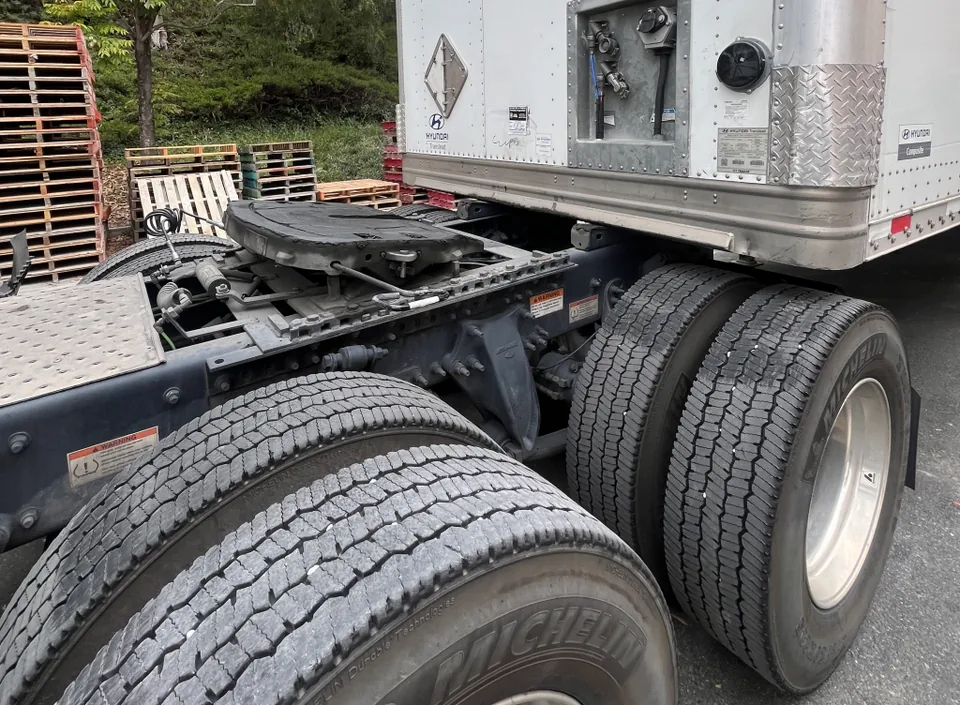
Best Time to Change to Winter Tires from Summer Tires
When the temperatures run below 45°F on average, summer and all-season tires may lose some of their grip. This would be an excellent time to easily switch to winter tires. Several US residents follow this guideline: Use winter or snow tires from Thanksgiving to Tax Day, basically, November through April. However, this time will vary depending on your local climate and driving conditions.
Key Temperature Considerations: Also, remember that the 45°F rule can be influenced by the time of day you drive. Early mornings are usually the coolest, so even if it warms up in the afternoon, take note of those overnight lows to help you gauge the best time to install your winter tires.
Better Benefits of Winter Tires
Here are some benefits of winter tires: Winter tires are developed to provide better grip: Tires developed for winter provide enhanced grip on wet roads, especially during snowing and icing.
Improved rubber compound: The rubber is developed specifically to stay soft and grippy below 45°F.
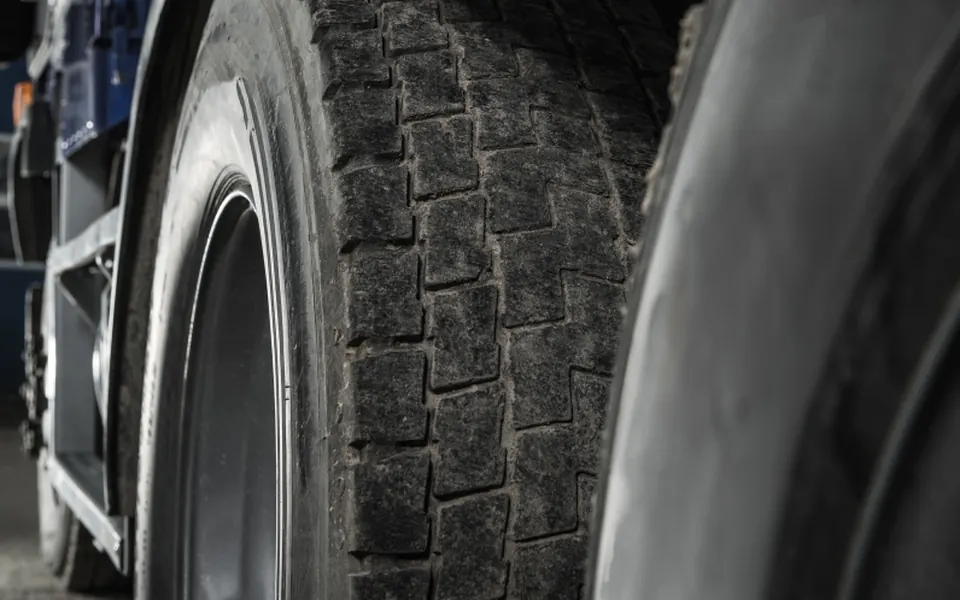
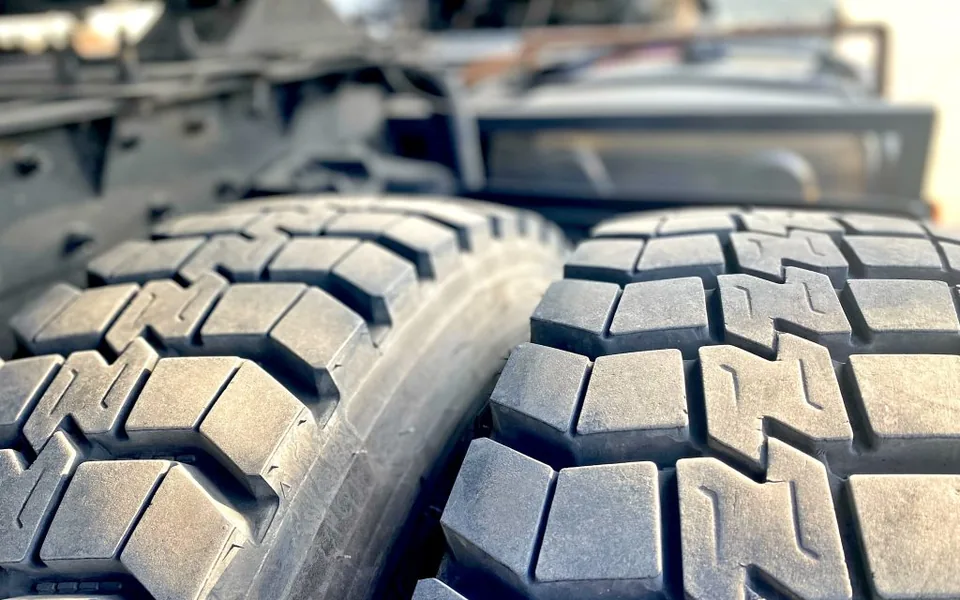
Specific tread design: Designed in terms of shape, depth, and pattern to achieve maximum grip on slippery surfaces.
Enhanced handling: This combines to provide better control and handling in inclement winter weather.
When to Change Back to All-Season or Summer Tires?
Now, when the temperature is constantly higher than 45°F overnight, it is time to change back to all-season or summer tires if you’re on winter tires. Winter tires are designed to perform at their best when it’s cold; therefore, running them in a warmer climate will quickly wear down the tire with low effectiveness.
This will guarantee you the most mileage for your winter tires while ensuring that you have optimum performance in warmer conditions with your all-season or summer tires. Just be sure to monitor temperature trends and change over when it starts to warm up consistently.
Important Winter Tire Tips
Follow some winter tire tips for a smooth ride: Check tire pressure at least once a month: Winter temperatures can make air in tires colder and contract, reducing its pressure. Check the pressure at least once every month and adjust it to its recommended level to ensure the best performance and safety.
- Check the tread depth: Know how much your tires wear down so you have enough to hang onto the road. If the tread wears down to a recommended minimum of 6/32 inches or less, replace the tires.
- Inspect regularly for appearance of damage: Cracks, bulges, or punctures. Repair promptly to prevent damage. Play it safe!
- Alignment: Ensure that the wheels on your vehicle are properly aligned. Misaligned tires can lead to non-uniform wear and underperformance, which is particularly crucial with winter tires.
- Store tires correctly off-season: Store winter tires in a cool, dry, and dark place, away from direct sunlight and chemical products when they are not in use. If possible, store your winter tires in a tire bag, or keep them covered to protect them from outdoor environmental damage.
Gear up for Winters with Superior Truck and Trailer!
Don’t let the cold weather cause any problems on your journey. Confirm that your truck is fully ready to deal with the icy weather conditions including snowy roads. At Superior Truck and Trailer, our team of experts will check everything from tire performance to fuel filter diesel, so you can drive with confidence all season long.
Contact Superior Truck and Trailer and schedule your winter maintenance appointment today. Know that your truck is in top shape for whatever winter throws your way.
For details, give us a call at (502) 789-6644
FAQs
Can I use winter tires all year round?
Deep treads and soft rubbers of winter tires wear off very fast, and they perform poorly on dry and warm roads. Winter tires are cut out for cold and snowy conditions but not for warmer weather.
- How is a winter tire different from an all-season tire?
Winter tires contain more soft rubber and have deeper treads than regular all-season tires. Thus, they grip snow and ice better than regular tires. Safety dictates that they always have to be run as a full set of four. Mixing tires with different grips can seriously affect handling and control. That is the major difference between winter tires and all-season tires. - How to store seasonal tires?
Taking good care of tires is a must all year round. If you have all-season tires and intend to switch to winter tires, you ought to do the right thing for storage so that they will stay in shape. Store them indoors in a cold, dry place without direct sunlight, which will degrade them. This keeps them in good condition and ready to be used when needed. - What is the purpose of winter tires?
Winter and snow tires are constructed on purpose with the ability to endure very long winter seasons having traits such as the presence of snow, ice, and slush. The tread compounds remain soft and pliable in cold temperatures, providing extra traction, handling, and control in temperatures below about 45°F.