










Why Is It Called a Semi Truck? A Repair Shop Perspective
Hang around truck drivers, dispatchers, yards, docks, or repair bays long enough, and the nicknames start flying. Semi. Tractor. Big rig. Eighteen-wheeler. Most of the time, everybody knows…

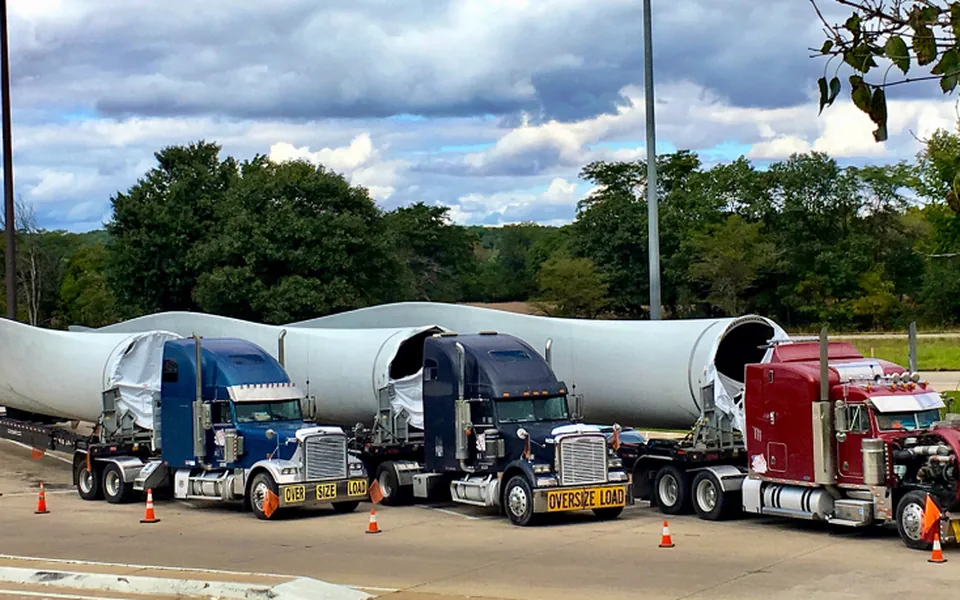
Hang around truck drivers, dispatchers, yards, docks, or repair bays long enough, and the nicknames start flying. Semi. Tractor. Big rig. Eighteen-wheeler. Most of the time, everybody knows what the other person means, and nobody stops the conversation.
Then somebody finally asks it out loud: why do we call it a semi truck anyway?
At Superior Truck and Trailer Repair in Louisville, KY, we hear that question more than people might expect. It sounds like a small trivia thing at first, but it actually ties right into how these trucks carry weight, turn, brake, and wear out parts.
The Semi Part Is About The Trailer
The word “semi” comes from the trailer, not because the truck is halfway powerful or half of anything like that. A semi-trailer is only partly supported by its own axles. The back rides on the trailer axles. The front needs the tractor and fifth wheel to hold it up when it is rolling down the road.
That is the short version. The trailer is semi-supported by itself.
The tractor brings the power. The trailer carries the freight. Hook them together, and they share weight, stress, and sometimes problems. It is a smart setup. It is also not as simple as it looks from the outside.
Why Weight Sharing Changes How The Truck Feels
Once the tractor is carrying part of the trailer’s weight, the whole combination feels it. Traction changes. Braking feel changes. Tire wear can change. Suspension parts take different loads depending on how the trailer sits.
If a driver says the steer feels light, the truck pushes in the rain, or the trailer just does not feel right in a turn, we do not only stare at one part and call it a day. Load placement, fifth wheel height, suspension condition, and trailer angle can all be part of the story.
That is where the name “semi” stops being just a word and starts making sense in the shop.
The Fifth Wheel Does A Lot Of Work
The fifth wheel is the handshake between the tractor and trailer. It locks around the kingpin, carries vertical load, and gives the trailer a pivot point when the truck turns.
That connection takes a beating. We see worn jaws, dry plates, loose mounting, beat-up kingpins, slider problems, air leaks, and electrical gremlins that only show themselves once a trailer is hooked.
A small setup issue can also turn annoying fast. If the fifth wheel is too high or too low for the trailer, the trailer may ride nose-up or nose-down. That can affect axle loading, tire wear, braking feel, and clearance. Not exactly a tiny detail.
The Simple Explanation We Give In The Shop
When someone asks why it is called a semi, we usually explain it this way: the trailer cannot fully support itself at the front while it is going down the highway. It needs the tractor to carry that front portion. That is the semi part.
Most people get it right away once they picture a parked trailer sitting on its landing gear. Drop the landing gear, and the trailer can stand there. Hook the tractor back up, and the tractor carries the front again. Same idea, different moment.
Why This Matters For Repairs And Maintenance
Because the tractor and trailer share the load, they also share a lot of wear. The fifth wheel, kingpin, suspension, brakes, tires, air lines, and electrical connections all have to work together.
A driver may feel a vibration or hear a clunk and think it has to be one thing. Sometimes it is. Other times, the real problem is hiding in how the tractor and trailer are working together as a combination.
That is why we pay close attention to the connection points. A worn fifth wheel or loose trailer issue can feel like a mystery from the cab, but it is usually less mysterious once the whole setup gets inspected.
The Other Names Are Not Really Wrong
People use different names depending on where they are from, what they haul, and who taught them. “Tractor” usually means the powered unit. “Semi” often means the whole setup. “Rig” is casual and can mean just about anything with a driver climbing into it. “Eighteen-wheeler” is common, too, even though real wheel counts vary.
In regular conversation, that is fine. In repair work, the exact wording helps. If someone calls and says the semi is down, we still need to know if the problem is on the tractor, the trailer, or right at the connection between them.
That little clarification can save time when we are planning parts, scheduling work, or getting ready for a road call.
Common Issues That Tie Back To The Semi Design
Uneven tire wear is one of the big ones. A trailer riding crooked, a worn suspension part, a bad alignment, or a fifth wheel height problem can make tire wear look strange until the whole combination is checked.
Clunks and pops on turns are another shop favorite. Sometimes it is driveline, sure. But we also look hard at fifth wheel movement, slider wear, kingpin condition, and how the trailer is loading the tractor during low-speed turns.
Then there are those trailer brake and lighting problems that “come and go.” A loose pigtail, corroded pin, chafed wire, gladhand leak, or air line problem can make a driver chase symptoms for days if nobody checks the connection carefully.
Keeping Tractor And Trailer Problems From Becoming Road Calls
The name “semi truck” comes from how the trailer is supported, but it also points to the bigger reality. A tractor and trailer are a team. They share weight. They share the stress. And sometimes, whether anybody likes it or not, they share problems.
Staying ahead of fifth wheel wear, suspension issues, alignment concerns, tire wear, brake trouble, and connection problems can prevent the kind of downtime that wrecks a schedule. One delayed load can turn into three pretty fast. Drivers know that headache.
If you are dealing with uneven tire wear, braking concerns, coupling issues, odd noises, or a trailer that just does not pull right in Louisville, KY, call Superior Truck and Trailer Repair at (502) 789-6644. We will help get the truck and trailer back to safe, reliable work.



