Why Lowboy Trailers Need Extra Attention Before The Load Hits The Road
Lowboy trailers make heavy equipment hauling possible, but they do not forgive lazy checks. The loads are heavy, low, awkward, and usually expensive enough to make everybody stand a little…

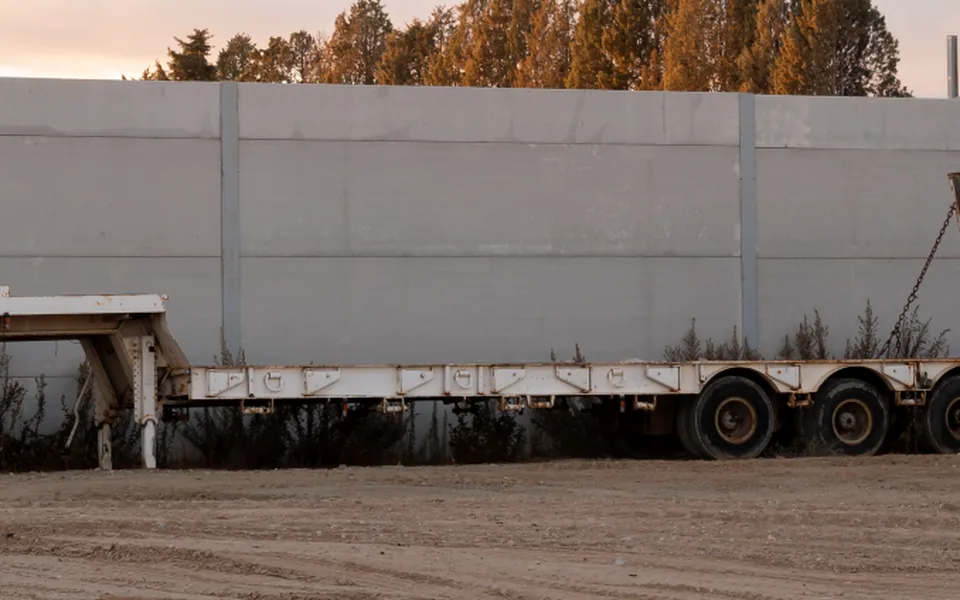
Lowboy trailers make heavy equipment hauling possible, but they do not forgive lazy checks. The loads are heavy, low, awkward, and usually expensive enough to make everybody stand a little straighter.
At Superior Truck and Trailer Repair in Louisville, KY, we see lowboy problems that started before the truck ever left the yard. A rushed walk-around. A chain angle nobody liked but accepted anyway. A ramp weld that looked almost fine. Almost is not a standard.
With lowboys, the small stuff can get big fast.
Lowboys Have Less Room For Error
A low deck helps with tall equipment, but it also means less ground clearance. Dips, railroad crossings, steep driveways, jobsite entrances, and rough approaches can all turn into scraping or bottoming out.
The weight is another issue. A dozer or excavator can put a lot of force in one area of the deck. If placement is off, axle weights and handling can get weird quickly.
That is why lowboy work needs more planning than just loading the machine and tightening chains.
Inspect The Trailer Like Something Is Wrong
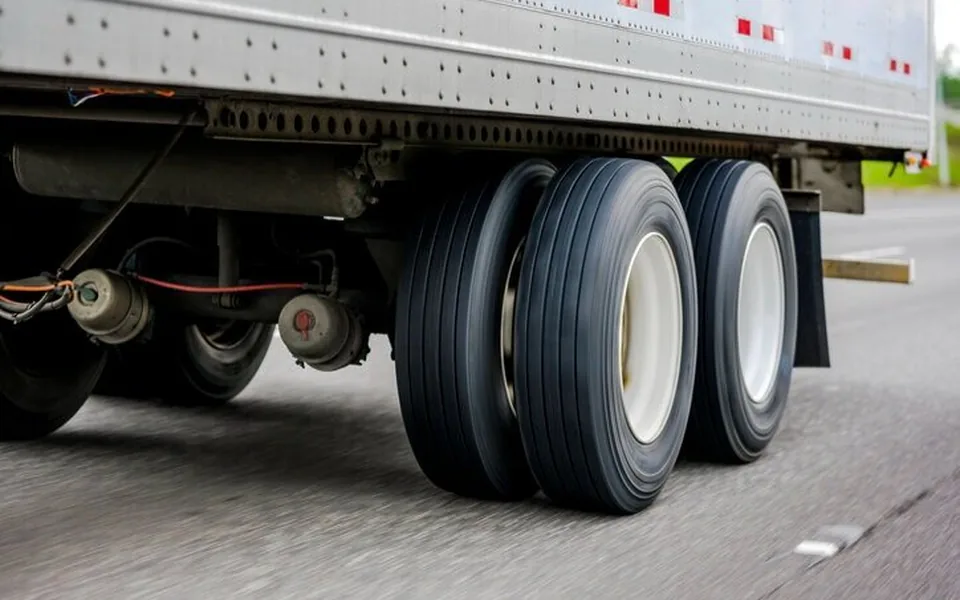
Before loading, look at the deck, frame, crossmembers, welds, ramps, dovetail, tires, hubs, suspension, brakes, airlines, lights, and pins.
Fresh rust around a weld, shiny metal, cracked paint, uneven tires, leaking hubs, or a ramp that does not seat right all deserve a pause.
A lowboy carrying heavy equipment is a terrible place to discover that good enough was not good enough.
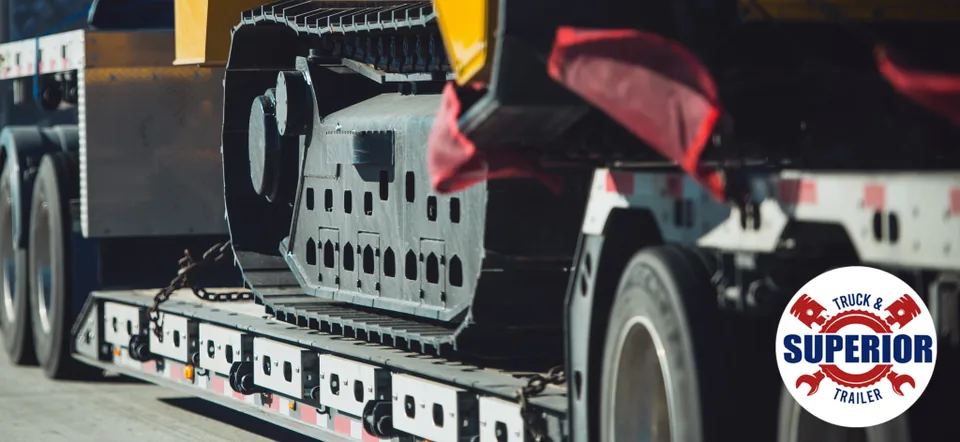
Load Placement Matters A Lot
Lowboy hauling is not just about total weight. It is where that weight sits.
Know the machine weight, attachments, trailer tare, axle setup, and whether flip axles or boosters are involved. Buckets, blades, and counterweights can shift the center of gravity more than people expect.
If you can scale it, scale it. If not, document placement and pay attention to how the trailer handles. The load should not be a guessing game.
Securement Needs More Than Habit
Use rated tie-down points, proper chain size, and enough securement to control forward, backward, and side movement. Low chain angles can reduce how well the securement works, so the plan matters.
Recheck tension after the first few miles. Chains settle. Equipment shifts a little. Dirt and paint crush down. The load may not look the same after the first rough stretch.
That second check is not wasted time. It is cheap insurance.
Slow Down Before The Load Rolls
Before leaving, take one last slow walk-around. Ramps pinned. Binders locked. Flags and lights are right. Nothing dragging. Nothing loose. Route checked. Height and width are confirmed after loading, not before.
If you need help checking a lowboy setup, planning a repair, or sorting out trailer issues, call Superior Truck and Trailer Repair in Louisville, KY at (502) 789-6644.